
Do Probiotics or Fiber Help with Constipation? Wellness Group
Nearly 1 in 6 adults globally struggles with persistent digestive discomfort, yet fewer than 30% seek professional guidance for relief. This gap highlights the growing reliance on natural solutions like supplements and dietary adjustments to address irregular bowel movements. For those exploring options, understanding how specific approaches interact with the body’s systems is critical.
Research shows that certain live microorganisms and dietary fibers may play distinct roles in supporting regularity. While probiotics introduce beneficial bacteria to balance the gut microbiome, fiber adds bulk to stool and stimulates intestinal activity. Both approaches are widely studied, but their effectiveness varies depending on individual needs and underlying causes of digestive sluggishness.
Wellness Group’s team emphasizes evidence-based strategies, combining scientifically validated methods with personalized care. Their experts analyze factors like diet, hydration, and lifestyle to recommend tailored solutions. For those seeking immediate support, contact them via WhatsApp at +60123822655 during operating hours (Monday-Friday: 9:30 am–6:30 pm; Weekends: 10 am–5 pm).
Key Takeaways
- Approximately 16% of adults worldwide experience chronic digestive discomfort.
- Natural supplements and dietary changes are popular first-line solutions.
- Gut microbiome balance significantly impacts bowel regularity.
- Combining scientific research with individualized plans yields better results.
- Professional guidance helps avoid common pitfalls in self-treatment.
Understanding Constipation and Gut Health
Digestive health plays a pivotal role in overall well-being, yet many struggle to maintain regular bowel movements. When the gut isn’t functioning optimally, it can lead to discomfort that disrupts daily life. Recognizing the signs early helps address issues before they escalate.
Causes and Symptoms of Constipation

Click to LEARN MORE
Common symptoms include fewer than three bowel movements weekly, hard stools, and straining. Many people report persistent bloating or abdominal pain, even after passing stool. These discomforts often stem from dehydration, low-fiber diets, or side effects of medications like antidepressants.
Lifestyle Factors Impacting Digestive Health
Daily habits significantly influence bowel regularity. Stress, irregular sleep patterns, and sedentary routines can slow digestion. For adults in Malaysia, balancing work demands with physical activity remains a key challenge. Chronic conditions like diabetes may also worsen sluggish bowel movements.
Exploring: Do Probiotics or Fiber Help with Constipation?
Modern studies reveal promising insights into managing digestive sluggishness. Both microbial supplements and plant-based fibers show measurable benefits, but their applications depend on individual health profiles and root causes.

Microbial Allies in Digestive Comfort
Clinical trials highlight specific strains like Bifidobacterium and Lactobacillus for easing discomfort linked to irritable bowel syndrome. A review of 24 studies found these microorganisms improved stool consistency and reduced bloating in 68% of participants. For expecting mothers, daily probiotic yogurt increased bowel movement frequency by 40% in a 4-week trial.
Fiber’s Role in Promoting Regularity
Psyllium husk and wheat bran emerged as top performers in recent trials. Participants with functional issues experienced softer stools after four weeks of consistent intake. However, experts recommend gradual increases to avoid gas or cramping, especially for those new to high-fiber diets.
Tailoring Solutions Across Age Groups
Children saw a 30% boost in stool frequency with targeted microbial regimens. Older adults, meanwhile, often respond better to soluble fibers due to age-related gut changes. Personalized approaches yield the best outcomes, as genetic factors and lifestyle habits influence results.
Gut Microbiome and Its Role in Digestive Health
Imagine your digestive system as a bustling city where trillions of microscopic residents work day and night. This living community – your gut microbiome – holds surprising power over how you process food and eliminate waste. Like snowflakes, no two microbiomes are identical, which explains why solutions for bowel regularity vary between individuals.
Research Insights and Recent Studies
Scientists now link sluggish digestion to imbalanced bacterial populations. A 2023 study found people with irregular bowel movements had 30% fewer beneficial bacteria compared to those with daily regularity. Harmful microbes often outnumber helpful ones in these cases, creating a toxic environment that slows intestinal activity.
Advanced DNA analysis reveals specific bacterial strains directly influence stool frequency. For instance, higher levels of Bacteroides correlate with better motility, while 14 other bacterial types show clear connections to improved outcomes during treatment. These findings highlight why personalized gut health strategies often yield better results than one-size-fits-all approaches.
Microbiota Diversity and Digestive Function
A thriving gut resembles a diverse rainforest – countless species working together. Research shows people with varied bacterial populations experience 50% fewer digestive issues than those with limited microbial diversity. This rich ecosystem helps break down fiber, produce vitamins, and maintain protective intestinal barriers.
Recent trials demonstrate how targeted interventions reshape bacterial communities. Participants receiving specific treatments saw harmful pathogens decrease by 40% within six weeks, while beneficial strains flourished. These microbial shifts directly corresponded to softer stools and reduced abdominal discomfort, proving balance restoration drives tangible improvements.
Selecting the Right Supplements and Fermented Foods
Navigating the world of digestive support can feel overwhelming with endless options. Smart choices begin with understanding what works best for your unique system. Let’s explore how to match science-backed solutions to personal needs.

Guide to Probiotic Strains and Dosages
Not all strains work equally for sluggish digestion. Research highlights five top performers:
| Strain | Benefits | CFU Range |
|---|---|---|
| Bifidobacterium lactis | Softens stool texture | 3-5 billion |
| Lactobacillus plantarum | Reduces abdominal discomfort | 2-4 billion |
| Streptococcus thermophilus | Enhances gut motility | 1-3 billion |
Most supplements deliver 1-10 billion CFUs per dose. Start with smaller amounts to assess tolerance. Look for products listing strain names – vague labels like “digestive support blend” often lack proven effectiveness.
Incorporating Fermented Foods into Your Diet
Click to LEARN MORE
Traditional fermented foods offer live cultures plus extra nutrients. Popular options include:
- Kimchi (spicy cabbage)
- Kefir (tangy dairy drink)
- Tempeh (fermented soy)
Introduce these gradually to avoid temporary bloating. Pair them with fiber-rich meals for better results. Local markets in Malaysia often carry fresh versions with active cultures.
Combining targeted supplements with diverse foods creates a balanced approach. Track changes in bowel patterns over 4-6 weeks to gauge effectiveness. For personalized advice, Wellness Group’s experts analyze individual needs through detailed consultations.
Wellness Group Expert Resources and Contact Information
Managing digestive challenges often requires more than generic advice. Wellness Group bridges this gap by connecting individuals with specialists who decode complex gut health patterns through cutting-edge analysis. Their team crafts plans addressing everything from occasional discomfort to chronic irritable bowel syndrome.
Business Hours and Support Availability
Expert guidance fits busy schedules with flexible hours:
- Weekdays: 9:30 am – 6:30 pm
- Weekends: 10 am – 5 pm
This availability ensures working professionals and families get timely support. Many find weekend consultations particularly helpful for establishing weekday routines.
Contact Information
Reach their specialists directly via WhatsApp at +60123822655. This service simplifies follow-ups and allows photo sharing of supplement labels or meal plans for real-time feedback.
First-time users often appreciate how quickly solutions emerge. One client reported improved bowel regularity within 14 days after implementing tailored health strategies discussed during their initial chat.
Whether navigating IBS management or seeking sustainable ways to poop regularly, personalized support makes the difference. Wellness Group’s evidence-based approach helps avoid common side effects of trial-and-error self-care.
Conclusion
The journey to regular bowel movements combines science-backed strategies with personalized care. Research confirms that specific microbial strains and soluble fibers can address sluggish digestion effectively. For those experiencing pregnancy-related discomfort or medication-induced issues, taking probiotics shows particular promise in clinical reviews.
Most adults tolerate these supplements well, with mild bloating being the most common temporary reaction. Fiber-rich diets complement microbial support by nourishing beneficial gut bacteria naturally. Together, they create a dual-action approach that promotes smoother digestion and long-term gut health.
Wellness Group’s team emphasizes that solutions must align with individual needs. Their experts analyze lifestyle patterns and medical histories to recommend targeted strategies. For those seeking guidance, connecting via WhatsApp at +60123822655 offers convenient access to evidence-based support.
Ultimately, balancing microbial ecosystems and dietary choices paves the way for sustained digestive comfort. Small, consistent changes often yield the most significant health benefits without reliance on harsh interventions.
FAQ
What lifestyle habits worsen constipation?
Low water intake, lack of exercise, and diets high in processed foods can slow digestion. Stress and ignoring the urge to poop regularly also play a role in worsening symptoms.
Are certain probiotic strains better for gut health?
Strains like Bifidobacterium lactis and Lactobacillus casei show promise for easing bowel movements. Brands like Culturelle or Align often include these strains, but results vary based on individual needs.
Can too much fiber cause bloating?
Increasing fiber too quickly may lead to gas or discomfort. Gradually adding whole grains, beans, or supplements like Metamucil helps the gut adjust without aggravating irritable bowel syndrome.
How long do probiotics take to work?
Some people notice changes in 3–4 days, while others need weeks. Consistency matters—daily intake of yogurt, kefir, or supplements like Renew Life helps maintain a balanced microbiome over time.
Is kombucha effective for digestive issues?
Fermented drinks like GT’s Kombucha contain live cultures that may support gut health. However, their probiotic content varies, and those with sensitive stomachs might experience side effects like mild diarrhea.
When should someone contact Wellness Group?
Reach out via WhatsApp at +60123822655 if symptoms persist despite dietary changes. Their team offers guidance on managing chronic conditions like IBS or selecting tailored supplements.
Does stress impact bowel movements?
Yes—stress hormones can disrupt digestion, leading to irregularity. Mindfulness practices or therapies recommended by institutions like Harvard Medical School may alleviate stress-related gut issues.
Are prebiotics as important as probiotics?
Prebiotics in garlic, onions, or supplements feed good bacteria. Pairing them with fermented foods like kimchi creates a synergistic effect for better digestive function.

Khloe Tan
Khloe Tan is a Certified Nutritionist, Corporate Wellness Trainer, and Holistic Health Specialist with over 15 years of experience in the health and wellness industry. She has delivered more than 100 talks nationwide, inspiring and educating diverse audiences on nutrition, lifestyle, and sustainable wellness. Her work has positively impacted over 3,000 lives, and she continues to champion holistic approaches to well-being in both corporate and personal settings.
Feature Product
-

-
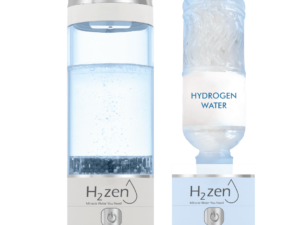 Hydrogen Water FIlter/Generator
H2zen Portable (White/ Blue)
RM2,600.00 Add to cart Buy NowRated 0 out of 5 -
-