Why Your Body Feels Heavy and Tired After 40
You sleep 7–8 hours, drink your morning coffee, and still feel like your body is running on half battery.
If you’re over 40 and constantly feeling heavy, tired, or mentally drained, you’re not imagining it.
Many people notice a sudden drop in energy after their late 30s or early 40s. Tasks that once felt easy now feel exhausting, and recovery takes longer.
But aging alone isn’t always the main reason.
In many cases, lifestyle changes, metabolic shifts, and increased oxidative stress can contribute to fatigue and sluggishness.
Understanding what’s happening inside your body can help you regain your energy and vitality.
Why Energy Levels Change After 40
As we age, several biological processes begin to shift.
These include changes in:
-
metabolism
-
hormone levels
-
muscle mass
-
nutrient absorption
-
cellular repair processes
Combined with modern lifestyle factors like stress, poor sleep, and environmental toxins, these changes can affect how energetic you feel every day.
6 Common Reasons You Feel Heavy and Tired After 40
1. Slower Metabolism
After age 30–40, metabolism naturally begins to slow.
This means the body burns energy more slowly, which can lead to:
-
fatigue
-
weight gain
-
feeling physically sluggish
Muscle mass also tends to decline with age, which further reduces metabolic efficiency.
2. Increased Oxidative Stress
Every day your body produces molecules called free radicals during normal metabolism.
Factors such as pollution, processed foods, and chronic stress can increase these molecules, creating oxidative stress.
Oxidative stress can affect:
-
cellular energy production
-
recovery from daily stress
-
overall vitality
Supporting antioxidant intake through nutrition may help maintain balance.
3. Poor Sleep Quality
Sleep patterns often change with age.
Even if you sleep for many hours, the quality of sleep may decline.
Common causes include:
-
stress and anxiety
-
late-night screen exposure
-
hormonal changes
-
irregular sleep schedules
Without deep restorative sleep, your body cannot fully recover overnight.
4. Liver Overload
Your liver plays a major role in detoxification and metabolism.
By the time many people reach their 40s, the liver may have spent decades processing:
-
environmental toxins
-
alcohol
-
medications
-
processed foods
When the liver becomes overworked, energy levels may drop and the body may feel heavy or sluggish.
5. Blood Sugar Fluctuations
Changes in diet and metabolism can lead to unstable blood sugar levels.
When blood sugar rises and falls rapidly, it may cause:
-
fatigue
-
irritability
-
energy crashes
-
difficulty concentrating
Balanced meals with fiber, protein, and healthy fats can help stabilize energy.
6. Reduced Nutrient Intake
Certain nutrients are essential for energy production.
As people age, deficiencies in nutrients such as:
-
iron
-
vitamin B12
-
magnesium
-
folate
may contribute to persistent tiredness.
A nutrient-rich diet becomes increasingly important for maintaining vitality.
Signs Your Body Needs Better Support
If your body feels constantly heavy or drained after 40, you may notice symptoms such as:
-
waking up tired even after sleep
-
afternoon energy crashes
-
brain fog or poor concentration
-
slow recovery after exercise
-
increased body stiffness
These signals may indicate that your body needs better lifestyle support.
Simple Ways to Boost Energy After 40
Improving energy levels does not always require drastic changes.
Small daily habits can make a significant difference.
Stay Properly Hydrated
Water is essential for cellular energy production and metabolic processes.
Eat Antioxidant-Rich Foods
Colorful fruits and vegetables contain natural antioxidants that help support cellular balance.
Maintain Regular Physical Activity
Even moderate exercise can improve circulation and energy metabolism.
Improve Sleep Habits
Creating a consistent sleep schedule and limiting screen exposure at night can help improve sleep quality.
Support Digestive and Liver Health
Foods such as leafy greens, fiber-rich vegetables, and beetroot are often included in diets that support metabolic balance.
Why Energy After 40 Requires a Different Approach
As the body ages, energy levels become more closely linked to overall lifestyle balance rather than quick fixes like caffeine or sugary snacks.
Supporting the body with proper hydration, balanced nutrition, and healthy habits can help maintain vitality well into later decades.
Final Thoughts
Feeling heavy and tired after 40 is common, but it doesn’t have to be permanent.
Your body is constantly adapting to changes in metabolism, stress, and environmental factors.
By understanding the hidden causes behind fatigue and supporting your body with healthier daily habits, you can improve your energy and overall wellbeing.
Sometimes the first step toward feeling better is simply listening to what your body is trying to tell you.

Khloe Tan
Khloe Tan is a Certified Nutritionist, Corporate Wellness Trainer, and Holistic Health Specialist with over 15 years of experience in the health and wellness industry. She has delivered more than 100 talks nationwide, inspiring and educating diverse audiences on nutrition, lifestyle, and sustainable wellness. Her work has positively impacted over 3,000 lives, and she continues to champion holistic approaches to well-being in both corporate and personal settings.
Feature Product
-
-
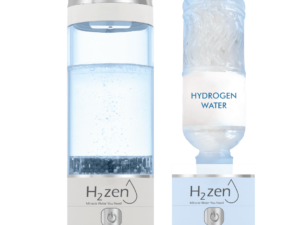 Hydrogen Water FIlter/Generator
H2zen Portable (White/ Blue)
RM2,600.00 Add to cart Buy NowRated 0 out of 5 -
-