Why Do You Need Hydrogen Water? Wellness Group Malaysia
Surprising fact: small trials report measurable shifts in markers for oxidative stress after short-term use of hydrogen-infused drinks in active adults, suggesting a real, if early, signal for daily wellness.
Hydrogen water is pure water infused with extra hydrogen molecules. It is sold in cans or pouches, or made at home with machines or tablets.
The article sets clear expectations: some small human studies suggest possible benefits for metabolic markers and athletic performance, yet larger, longer trials are still needed.
Readers will find a friendly roadmap that covers definitions, mechanisms, evidence, safety, daily use, and product choices tailored for Malaysia.
Wellness Group offers personalized guidance in Malaysia. Contact via WhatsApp at +60123822655 during business hours: Mon–Fri 9:30 am–6:30 pm; Sat–Sun 10 am–5 pm. Those curious about specific effects on cholesterol can read a related piece on cholesterol and hydrogen water.
Key Takeaways
- Hydrogen water is regular water with extra hydrogen molecules and comes in several formats.
- Current small trials show promising signals, but stronger studies are required for firm claims.
- Practical sections cover safety, timing, packaging, and how it compares with pure water.
- Useful for athletes, busy professionals, and those focused on aging well, though results vary.
- Wellness Group provides local advice in Malaysia via WhatsApp for personalized support.
The Ultimate Guide to Hydrogen Water in Malaysia: What Readers Will Learn Today
This article gives a clear roadmap for practical use, scientific signals, and product choices for hydrogen water users in Malaysia.
Readers will learn how hydrogen water is defined, how it is made, and how it can fit into daily drinking water routines. The guide summarizes reported health benefits and potential benefits, while noting which health effects still need larger trials and studies needed for firm conclusions.
The section explains how oxidative stress shows up in research and why changes in biomarkers matter. It also previews product categories available locally—pre-packaged cans, bottles, tablets, and machines—and what to look for, such as non-permeable packaging and freshness after hydrogenation.
Practical safe-use basics are included, with typical study intakes (roughly 20–70 ounces per day) and tips for comparing products. It flags who may be most curious—athletes, busy professionals, and older adults—and who should be cautious before changing routines.
The guide stays neutral and friendly, so people can decide if hydrogen water may be worth trying. For tailored recommendations in Malaysia, contact Wellness Group on WhatsApp at +60123822655. Business hours: Mon–Fri 9:30 am–6:30 pm; Sat–Sun 10 am–5 pm.
Understanding Hydrogen Water: What It Is and How It Works
This part outlines the simple science behind enriched water and the common methods used to add gas to it.
Definition and basic chemistry
Hydrogen water is plain, pure water that contains extra hydrogen gas dissolved into the liquid. Regular water stays the same in taste and appearance. The key difference is that extra tiny molecules of hydrogen sit in the fluid alongside oxygen and H2O.
How it is made
The main production methods are splitting water by electrolysis, direct hydrogen gas infusion under pressure, or dissolving hydrogen tablets. Portable bottles and home generators are common consumer options.
How it may interact with oxidative stress
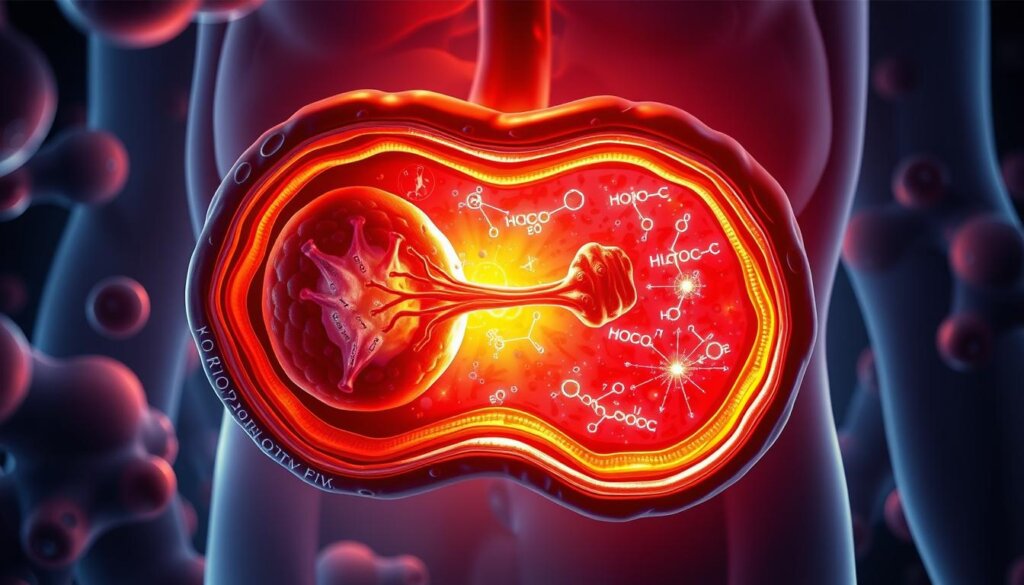
Hydrogen molecules may act as selective antioxidants. They can neutralize certain free radicals and influence oxidative stress pathways. Effects vary by concentration, speed of consumption, and how fresh the drink is after being infused.
- Pros of tablets: cheap and portable.
- Pros of bottles: grab-and-go convenience; shorter shelf life.
- Pros of machines: consistent production and lower long-term cost for families.
- Tip: non-permeable containers keep dissolved gas from escaping quickly.
“Packaging, concentration, and timing determine how much active gas reaches the body.”
For help choosing between hydrogen tablets, bottles, or hydrogen water machines, Malaysians can message Wellness Group on WhatsApp at +60123822655 during business hours.
Evidence-Based Benefits: What Studies Suggest and What Remains Unclear
Clinical studies present a mixed picture. Some trials report measurable shifts in biomarkers, while others find no change. This section walks through key findings and limits.
Antioxidant potential
In an 8-week trial of liver cancer patients receiving radiation, participants who drank about 1.5–2.0 liters per day of enriched beverage showed lower hydroperoxide and preserved antioxidant activity versus control.
By contrast, a 4-week study in 26 healthy adults drinking 600 ml per day reported no change in oxidative stress markers versus placebo. Mixed results suggest concentration, timing, and retention of gas matter.
Metabolic markers
A 10-week open-label trial in people with metabolic syndrome signs found roughly 0.9–1.0 liter per day correlated with lower LDL and total cholesterol, higher HDL, and reduced TNF-α.
Athletic performance and recovery
Small athlete studies linked intake (1.5–2.0 liters) to lower blood lactate, less fatigue, or better sprint power, yet not all trials replicate these effects.
Takeaway: Promising potential benefits exist, but larger, well-controlled trials are needed to define effects and safe recommendations.
For an evidence walk-through tailored to goals, Malaysian readers can contact Wellness Group on WhatsApp at +60123822655 during business hours.
Safety, Dosage, and Standards: What You Should Know Before Drinking
Practical safety, dosing, and sourcing notes clarify what to check when selecting a product. Most sources list enriched beverages as generally recognized as safe (GRAS), but product quality varies widely.
Is it safe?
Hydrogen water safe practices focus on purity and verified quality. Choose brands with third-party lab reports and avoid containers that let gas escape quickly. Check for contaminant testing and storage guidance.
How much per day?
Clinical trials used roughly 20–70 ounces per day. No official dose exists yet; more large trials are required, so studies needed remains a key caveat.
- Drink soon after opening or hydrogenation to retain dissolved gas.
- Non-permeable cans or pouches keep concentrations higher than thin plastics.
- Forms include bottled options, hydrogen tablets, and home generators using pure water as a base.
“Start gradually, monitor effects, and keep regular hydration habits.”
If readers have medical conditions, they should consult a clinician before changing their drinking water routine. For product vetting and safe-use guidance in Malaysia, message Wellness Group on WhatsApp at +60123822655 (Mon–Fri 9:30 am–6:30 pm; Sat–Sun 10 am–5 pm). See related notes on hydrogen water while pregnant.
Why do you need hydrogen water?
Early trials suggest hydrogen water may lower markers of oxidative stress and support recovery. This creates interest across sport, busy workdays, and healthy aging.
Athletes might try it around training to ease fatigue and help short-term recovery. Small studies link intake with modest gains in athletic performance and lower lactate after intense effort.
Busy professionals find a simple routine—drink soon after hydrogenation—fits long shifts. It is an easy addition alongside hydration, sleep, and nutrition.
Older adults explore potential benefits for aging resilience. Early signals include shifts in metabolic markers relevant to metabolic syndrome, but effects vary.
People with chronic disease or those on medication should seek medical guidance. Hydrogen water is not a cure-all; lifestyle pairing matters most: sleep, diet, and activity.
“Start with consistent intake for a few weeks and track any changes.”
For personalised choices in Malaysia, message Wellness Group on WhatsApp at +60123822655 during business hours.
Hydrogen Water vs Alkaline Water: What’s the Difference and Does It Matter?
Consumers often face marketing claims that blur pH changes and dissolved gas science; a clear comparison helps sort fact from hype.
pH, minerals, and hydrogen molecules: separating marketing from mechanisms
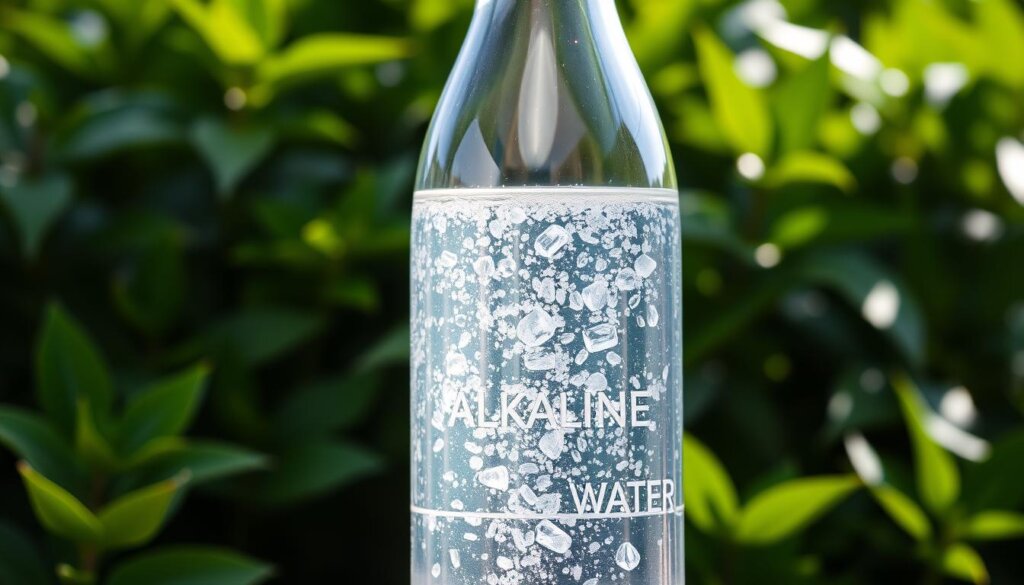
Alkaline water is defined by higher pH and added minerals. Its claim rests on mineral content and alkalinity shifts.
Hydrogen water focuses on dissolved hydrogen molecules regardless of pH. The active mechanism is gas retention, not mineral content.
Regular water, alkaline water, and hydrogen-rich water: choosing for goals
Regular water stays the baseline for hydration and should remain the daily staple.
For goal-driven choices, consider these facts:
- Packaging and the production process determine how long dissolved gas lasts.
- Oxygen and gas diffusion affect retention more than pH alone.
- Small trials link hydrogen water to some performance and metabolic markers, but long-term health effects remain under study.
“Test one approach consistently for a few weeks to gauge any change.”
| Type | Main mechanism | Typical marketing claim | Relevant markers |
|---|---|---|---|
| Regular water | Hydration | Pure hydration | General hydration |
| Alkaline water | Higher pH, minerals | Acid–base balance | Electrolytes, stomach comfort |
| Hydrogen-rich water | Dissolved gas | Antioxidant signalling | Blood markers, performance |
For unbiased comparisons of local alkaline and hydrogen offerings in Malaysia, readers can contact Wellness Group on WhatsApp at +60123822655 during business hours.
How to Get Started: Products, Usage Tips, and Sustainability
A practical start focuses on freshness, packaging, and simple upkeep to keep performance steady.
Choosing products begins with format. Pre-packaged options cost more and show variable concentrations. Portable bottles suit travel, while home units like hydrogen water machines fit families. Magnesium-based hydrogen tablets dissolve in minutes for on-the-go use.
Usage tips
Drink soon after preparation to preserve dissolved gas. Store bottles away from heat and direct sun.
Keep intake steady; many trials used roughly 0.5–2.0 liters per day and paced servings around exercise or long shifts.
Environmental lens
Single-use containers raise waste and microplastic concerns. A home generator or reusable bottle lowers packaging impact over time.
Look for third-party lab reports that verify concentration and contaminants. Maintenance matters: clean electrolysis units per manufacturer guidance to keep output steady.
Tip: For product demos, bundles, and local setup in Malaysia, message Wellness Group on WhatsApp at +60123822655 (Mon–Fri 9:30 am–6:30 pm; Sat–Sun 10 am–5 pm).
Wellness Group Malaysia: Personalized Guidance, Hours, and Contact
Wellness Group helps Malaysians compare products and pick solutions that fit daily routines, budgets, and home size. The team offers practical coaching on starter kits, higher-capacity systems, and travel-friendly options. They focus on clear trade-offs: freshness, packaging, and upkeep.
How to choose hydrogen water solutions in Malaysia with expert support
Best practices include choosing non-permeable containers, drinking soon after hydrogenation, and checking third-party lab reports for contaminants and gas levels. The group also interprets concentration claims and advises on cleaning schedules, replacement parts, and warranties.
- Compare pre-packaged cans, tablets, and home systems by lifetime cost and convenience.
- Get help reading lab reports and validating that a product is water safe and hydrogen water safe.
- Receive tailored routines for drinking around exercise, shift work, or family use.
Contact Wellness Group on WhatsApp
Message +60123822655 for demos, procurement, installation tips, and after-sales support. Business hours: Monday–Friday 9:30 am–6:30 pm; Saturday–Sunday 10 am–5 pm.
Note: Small studies suggest potential benefits and GRAS safety, but the team sets realistic expectations and recommends steady routines alongside good sleep and diet.
| Service | What they cover | Ideal for |
|---|---|---|
| Product comparison | Cost, freshness, packaging | Individuals & families |
| Setup & demos | Installation, starter kits | Home users & gyms |
| After-sales | Maintenance, parts, testing | Long-term users |
Conclusion
Conclusion
This conclusion ties study signals to everyday routines and product choices. It notes that hydrogen water is GRAS and that fresh intake and verified packaging are key to hydrogen retention. The phrase hydrogen water good reflects cautious optimism rather than a guarantee.
Small trials show reduced oxidative stress and some metabolic syndrome signals, yet larger study work is still needed. Readers should expect mixed outcomes across disease and aging contexts and view antioxidant claims as plausible but pending stronger evidence.
For next steps, try consistent drinking hydrogen water routines, track sleep and diet, and consult a clinician about goals. For Malaysia-specific product comparisons and setup help, message Wellness Group on WhatsApp or read the hydrogen water for cleansing guide. Final note: plain water may remain the foundation; enriched options are optional enhancements to explore thoughtfully.
FAQ
What is hydrogen-rich water and how does it differ from regular drinking water?
Hydrogen-rich water contains dissolved molecular hydrogen gas, while regular drinking water lacks this intentional infusion. The added gas acts as a potential antioxidant at the cellular level, but the base liquid remains plain H2O. Packaging, production method, and dissolved concentration are the main differences between products.
How is hydrogen-rich water produced?
It is made via electrolysis, direct gas infusion, or by using effervescent tablets that release hydrogen. Home generators and bottled products use different technologies that affect dissolved concentration and how long the gas stays in solution.
What mechanisms explain its proposed health effects?
Molecular hydrogen may neutralize certain reactive oxygen species and modulate cell signalling linked to oxidative stress. This could support reduced inflammation and protect cells, though mechanisms are still under scientific study.
What evidence supports antioxidant or anti-inflammatory benefits?
Several small clinical and preclinical studies report reductions in markers of oxidative stress and inflammation. Results are promising but mixed, and larger, long-term trials are needed to confirm consistent benefits for disease prevention or therapy.
Can it improve athletic performance or recovery?
Some research suggests reduced muscle fatigue and lower lactate after intense exercise when athletes consume hydrogen-rich fluids. Effects vary by protocol and concentration, so benefits may be modest and individual.
Are there documented effects on metabolic markers like cholesterol or insulin sensitivity?
Preliminary studies indicate possible improvements in some metabolic markers, including certain inflammatory and lipid measures. Findings are not yet conclusive enough to replace standard treatments for metabolic syndrome or diabetes.
Is hydrogen-rich water safe to drink?
Yes, molecular hydrogen at concentrations used in beverages is generally regarded as safe. Consumers should choose reputable brands or certified devices to avoid contaminants and ensure accurate dosing.
How much should one consume each day for potential benefit?
Clinical studies use a range of doses and concentrations, so no universal daily amount exists. Typical protocols provide hydrogen multiple times per day or a litre-level intake after generation; users should follow product guidance and consult healthcare providers for personal advice.
Who may benefit most from adding hydrogen-rich drinks to their routine?
Athletes seeking faster recovery, busy professionals exposed to chronic stress, and older adults focused on healthy aging may notice improvements in recovery and well-being. Individual responses differ and results are not guaranteed.
Who should exercise caution before trying these products?
People with unmanaged medical conditions or those taking prescription therapies should consult their physician. Expectation management is important: these products are not cures, and interaction data remain limited.
How does hydrogen-rich water compare to alkaline or mineral-enhanced beverages?
Alkaline products alter pH and often add minerals, while hydrogen-enriched drinks focus on dissolved gas without changing pH. The mechanisms and intended benefits differ, so choices should align with personal goals rather than marketing claims.
What should consumers look for when choosing a product?
Seek third-party testing, clear concentration labels, and reputable manufacturers. Options include prepackaged bottles, refillable generators, portable bottles, and tablets. Verify shelf-life and storage instructions to preserve dissolved gas levels.
Any practical tips for maximizing effectiveness at home?
Consume liquids soon after generation or opening to retain dissolved gas, store bottles upright and cool, and follow manufacturer dosing. Consistency over time tends to matter more than occasional use.
Are there environmental concerns with commercial options?
Single-use packaging can increase waste, so reusable generators or recyclable bottles reduce environmental impact. Consumers should weigh convenience against sustainability and check for third-party quality testing.
How can Wellness Group Malaysia help with choosing solutions locally?
Wellness Group Malaysia offers personalized guidance on suitable products and systems, with in-country expertise to match goals, budget, and lifestyle. They provide testing information and support for honest product selection.
How can someone contact Wellness Group Malaysia for support?
Wellness Group can be reached on WhatsApp at +60123822655. Business hours are Monday–Friday 9:30 am–6:30 pm and Saturday–Sunday 10:00 am–5:00 pm for consultations and product advice.

Khloe Tan
Khloe Tan is a Certified Nutritionist, Corporate Wellness Trainer, and Holistic Health Specialist with over 15 years of experience in the health and wellness industry. She has delivered more than 100 talks nationwide, inspiring and educating diverse audiences on nutrition, lifestyle, and sustainable wellness. Her work has positively impacted over 3,000 lives, and she continues to champion holistic approaches to well-being in both corporate and personal settings.
Feature Product
-
-
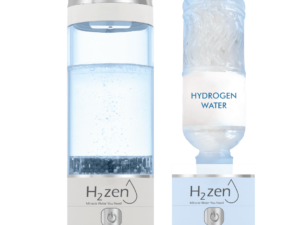 Hydrogen Water FIlter/Generator
H2zen Portable (White/ Blue)
RM2,600.00 Add to cart Buy NowRated 0 out of 5 -
-