Surprising fact: studies show up to 80% of dissolved H2 can be lost within hours of storage, so starting concentration matters more than many buyers expect.
This short guide explains practical targets in ppm and how parts per values translate into what reaches the body. It keeps the focus on results while using plain language so readers in Malaysia can decide with confidence.
The piece covers baseline therapeutic ranges, when higher starting ppm may help, and why fresh-made drinks often perform best. It also shows simple home checks and when lab testing adds value.
Wellness Group can advise on setups and solutions. Message +60123822655 on WhatsApp during business hours: Mon–Fri 9:30 am–6:30 pm, Sat–Sun 10 am–5 pm for personalized help.
Key Takeaways
- Start with higher dissolved H2 because losses happen during storage.
- Look for ppm or parts per labels and learn how they relate to body uptake.
- Fresh-made servings usually deliver the most benefits.
- Simple at-home tests can verify claimed content; lab checks are for precision.
- Wellness Group in Malaysia offers personalized buying advice via WhatsApp.
Quick answer: recommended hydrogen levels at a glance
Here’s a quick snapshot of target concentrations that balance daily convenience with stronger therapeutic aims.
Everyday use generally targets about 3,000–5,000 PPB (≈3.0–5.0 ppm). This band offers steady benefits without long prep time.
Performance and therapeutic goals often start higher at 5,000–6,000 PPB (≈5.0–6.0 ppm). Starting higher helps offset losses from pouring, time, and temperature so more reaches the body.
Key takeaways in PPM and PPB
- PPM and PPB convert directly: 1 ppm = 1,000 ppb.
- Labels should state concentration at time of use, not only at production.
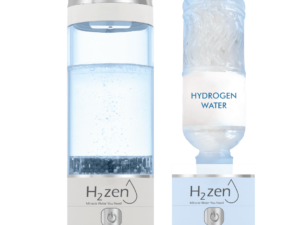
- Choose a compact hydrogen water bottle if you need portability with decent cycle times.
| Use case | PPB | PPM | Notes |
|---|---|---|---|
| Everyday wellness | 3,000–5,000 | 3.0–5.0 | Balanced convenience and benefits |
| Performance / therapeutic | 5,000–6,000 | 5.0–6.0 | Higher start to preserve effect by drinking time |
| Label comparison tip | — | — | Multiply ppm by 1,000 to get ppb for easy comparison |
If unsure which band fits your routine, message Wellness Group on WhatsApp +60123822655 during business hours for tailored picking advice in Malaysia. For related guidance on use during pregnancy, see this resource.
PPM vs. PPB explained for buyers
Buyers often stare at numbers on labels without a clear idea what they mean. This short guide shows how units affect buying choices and product comparison.
What parts per million really means in hydrogen water
Parts per million shows how many milligrams of molecular hydrogen are dissolved per liter of water. In practice, ppm = mg/L, so the figure gives a practical sense of dissolved gas available to the user.
Converting PPM to PPB: 1 PPM = 1,000 PPB
Conversion is simple: multiply ppm by 1,000 to get ppb. Many brands publish ppb because it gives finer precision when numbers are close.
Why many brands list PPB for precision today
At-home ORP meters can hint that extra hydrogen exists, but they do not measure ppm accurately. Blue reagent titration estimates ppm but reads high with high pH or when chloramine or copper are present.
“The most reliable certifiable method remains gas chromatography for dissolved hydrogen content.”
- Look for third-party testing and labels that state concentration at time of use, not only at production.
- Compare ppm and ppb side by side and consider real-life factors like bottle cycles and temperature.
What is a good level for hydrogen water?
Below are practical concentration bands tied to wellness, recovery, and clinical aims, with guidance on loss mitigation.
Evidence-based baseline: 0.5–1.6 PPM dissolved hydrogen
Under normal room temperature and standard pressure, maximum solubility sits near 1.6 ppm. Research suggests that levels between 0.5 and 1.6 ppm have shown potential benefits related to oxidative stress in human and animal studies.
Emerging practice: start higher to offset loss
Many users now begin at 5,000–6,000 ppb (5–6 ppm) so the dose that reaches the body remains effective after pouring and wait time. Starting higher helps counter escaped gas during handling and storage.
How goals influence target concentrations
For daily maintenance, aiming near 3,000–5,000 ppb is practical. Those seeking recovery or therapeutic effects often prefer 5,000–6,000 ppb to support performance windows.
Tip: Match bottle cycle, serving size, and drink time to the labeled ppm so claimed concentration equals what gets consumed. For guidance on use during recovery, see hydrogen water for muscle soreness.
The science behind concentrations and real-world loss
Simple physics and daily handling together shape how much dissolves and how much the body actually gets.
Solubility limits at room temperature and normal pressure
At normal atmospheric pressure and room temperature, dissolved hydrogen tops out near 1.6 ppm in equilibrium. This physical ceiling explains why pure lab readings rarely exceed that mark.
Where hydrogen is lost: pouring, time, temperature, and digestion
Real life rarely stays at equilibrium. Opening containers, pouring, and shaking release gas and lower the dose you drink.
Even sealed bottles show decline. Typical half-life sits around 3–5 hours, so delay reduces effective intake. Warm climates and agitation speed loss, which matters in tropical conditions.
- Practical tip: drink soon after generation and use sealed containers.
- Start with higher concentrations if commuting, to offset escape during handling.
- Not all dissolved hydrogen reaches the body; some is exhaled or not absorbed during digestion.
Research and field experience show that planning timing and storage bridges the gap between lab numbers and real-world benefits, reducing the stress of daily routines.
How to measure dissolved hydrogen accurately
Simple field checks and lab verification together give confidence in product claims. Quick at-home tests show presence. Labs confirm exact values.
At-home checks: blue reagent drops and limitations
The blue reagent titration uses 6 mL of sample. Add drops until the color changes and multiply drops by 0.1 to estimate ppm.
Note: high pH, chloramine, or copper plumbing can inflate readings. Old or mishandled reagent also skews results.
ORP meters: presence, not precise ppm
ORP meters detect extra reducing power and hint that hydrogen exists. They cannot deliver exact ppm and read differently with alkaline water.
Lab-grade confidence: gas chromatography certification
Gas chromatography separates gases and yields certifiable dissolved hydrogen results. Look for third-party lab reports when comparing products.
Testing tips: pH, temperature, and storage matter
- Test the same source, at the same temperature, and with consistent storage to compare results.
- If your device shifts pH, test before and after cycles to separate pH effects from actual gas content.
- Record measurements over time to see how pouring, wait time, and container choice affect ppm.
| Method | Field use | Accuracy |
|---|---|---|
| Blue reagent titration | Easy; 6 mL sample, drops × 0.1 = ppm | Moderate; affected by pH, copper, chloramine |
| ORP meter | Fast presence check | Low for ppm; influenced by alkalinity |
| Gas chromatography | Lab certification | High; gold standard for dissolved gas |
Choosing between hydrogen water bottles, machines, and tablets
Daily routines and travel habits often decide whether a portable bottle, a countertop machine, or convenient tablets fit best.

Portable bottles (PEM/SPE) for on-the-go hydration
Portable hydrogen water bottles using PEM or SPE tech make H2-rich drinks on demand. They suit commutes and gym sessions.
Look for cycle options and claimed ppb so the bottle still delivers useful concentration by the time someone drinks.
Countertop machines for consistent output and filtration
Countertop machines work well for households that want steady ppm and built-in filtration. They often separate gases to keep byproducts out.
Families get faster rounds and less waiting between servings with a full-size device.
Tablets and drops: convenience, dose control, and taste
Tablets and drops offer simple dosing in still water and are travel-friendly. Some brands change taste; trials help find a preferred product.
- Tip: pair a compact bottle with tablets when travelling for maximum flexibility.
- Check product specs for cycle time, typical ppm, and gas separation to protect taste and safety.
| Option | Best for | Notes |
|---|---|---|
| Portable bottle | Commuters, gym | On-demand H2; variable ppb; watch cycle time |
| Countertop machine | Families, regular use | Consistent ppm; filtration; fast multiple servings |
| Tablets/drops | Travel, backup | Easy dose; some taste change; use still water |
Buyer’s Guide criteria: what to look for in Malaysia
Smart buying begins with proof that stated gas levels hold up at the moment someone sips from the bottle.
Request documentation that shows measured parts per figures at time of use. Third-party testing by an independent lab gives confidence over brand claims.
Key checklist
- Verified concentration: ask for ppb or ppm at serving time, not only production numbers.
- Third-party testing: look for lab reports and clear labels.
- Materials & maintenance: choose durable bottle parts and easy-clean designs; know filter costs.
- Warranty & local support: local service matters in Malaysia for quick repairs and demos.
Avoid these pitfalls
Avoid low-concentration products under ~1,500 PPB and brands that hide specs. Confirm whether technology separates gas and if consumables are required.
“Verify concentration at time of use and keep test documents on file.”
| Criterion | Why it matters | Practical target |
|---|---|---|
| Verified concentration | Shows real intake after handling and storage | 3,000–6,000 PPB depending on goals |
| Third-party testing | Independent confirmation reduces risk of overstated claims | Gas chromatography reports preferred |
| Costs & support | Maintenance, filters and warranty affect long-term value | Local warranty and available service in Malaysia |
For product comparisons, demos, and aftersales support, Malaysians can message Wellness Group on WhatsApp +60123822655. For related guidance on cholesterol and use, see this resource.
Using hydrogen water for best results
Timing and handling matter more than many expect. Simple habits turn labeled concentrations into real-life benefits. Small changes in preparation and storage keep ppm close to the intended dose.
When to drink: empty stomach, pre-workout, and with meals
For many, sipping on an empty stomach gives faster absorption and clearer feedback on benefits. Athletes often take a serving 30–60 minutes before training to help with performance and reduce perceived fatigue.
If someone prefers to drink with meals, making the serving just before sitting down keeps concentration higher than preparing far ahead.
Storage and timing: sealed containers and drink-fresh windows
Keep drinks sealed and minimize headspace to slow gas loss. Dissolved hydrogen has a 3–5 hour half-life in sealed containers and drops faster when open or warm.
- Best practice: consume within 15–30 minutes after generation when possible.
- Use a tight water bottle if on the move and avoid direct sun or hot dashboards.
- Let tablets fully dissolve and follow dose instructions to reach the expected ppm.
Tip: spread smaller servings across the day to sustain benefits to the body and track which timing delivers the best results.
Wellness Group can help you choose the right hydrogen water solution
Wellness Group offers hands-on help so Malaysians pick devices that match daily routines and health aims.

Talk to a specialist on WhatsApp: +60123822655
Message the team to compare products, check ppm capabilities, and get tailored advice. They answer practical questions about bottles, tablets, and machines.
Showroom and support hours in Malaysia
Visit or call during business hours: Mon–Fri 9:30 am–6:30 pm, Sat–Sun 10 am–5 pm. The showroom offers demos and side-by-side comparisons.
Personalized recommendations based on your health goals
Experts help interpret labels and lab reports so the device delivers real benefits. They also advise on maintenance, filter schedules, warranty, and total cost of ownership.
- Get tips to preserve ppm from machine to glass and boost actual intake.
- Ask about bundle options, add-ons, and local aftersales support.
- Share a shortlist and receive side-by-side guidance to avoid overpaying for unused features.
Conclusion
This final note pulls practical steps together so readers can turn label numbers into steady, real results.
Daily targets depend on goals. For maintenance, many choose 3,000–5,000 PPB; athletes or clinical aims may aim higher. Evidence shows 0.5–1.6 ppm can offer potential health benefits, yet starting higher offsets loss before drinking.
Match timing, sealed storage, and verified ppm to protect dissolved molecular hydrogen. Use trusted third-party reports and clear parts data when comparing bottles, machines, or tablets.
For personalized advice and local aftersales in Malaysia, message Wellness Group on WhatsApp +60123822655 during business hours.
FAQ
What baseline concentration is supported by research?
Research often cites a dissolved hydrogen baseline near 0.5–1.6 ppm (parts per million). Many studies showing benefits use concentrations in that range, which translates to roughly 500–1,600 ppb (parts per billion). For everyday use, that range is considered evidence-based and safe.
How do ppm and ppb relate when checking product labels?
One ppm equals 1,000 ppb. Brands sometimes list ppb to show finer detail at low concentrations. Buyers should compare numbers using that conversion so they know what concentration they will actually drink.
Why do some products list very high ppb values like 5,000–6,000?
Producers may start at high ppb values to offset hydrogen loss during filling, shipping, or storage. Because molecular hydrogen escapes quickly, an initially high reading helps ensure users still get meaningful levels at the time of drinking.
What causes hydrogen concentration to drop after bottling?
Loss happens when water is poured, left open, warmed, or stored in permeable containers. Temperature, agitation, and time all speed escape. Even digestion and mixing dilute concentration once consumed.
How accurate are at-home tests like reagent drops or ORP meters?
Reagent drops provide a rough presence check but not precise ppm. ORP meters can indicate redox activity and hint at hydrogen presence, yet they do not measure dissolved H2 concentration reliably. For accuracy, gas chromatography testing from a certified lab is best.
What testing methods give lab-grade confidence?
Gas chromatography directly measures dissolved hydrogen and offers the most reliable certification. Look for third-party lab reports that specify testing conditions, temperature, and measurement timing relative to bottling.
Which portable bottle types perform best on the go?
Portable PEM or SPE electrolysis bottles generate hydrogen on demand and keep levels higher at the time of use. They combine convenience with relatively steady output and are ideal for travel or workplace hydration.
Are countertop machines better than tablets or drops?
Countertop machines tend to provide consistent, controllable output and often include filtration. Tablets and drops are convenient and dose-controlled but can introduce taste or minerals and may not reach the same dissolved concentrations as active generation devices.
What should buyers in Malaysia prioritize when choosing a product?
Check verified concentration at time of use, third-party testing, clear labeling in ppm/ppb, material safety (BPA-free or stainless steel), warranty, and maintenance costs. Choose suppliers who disclose testing protocols and provide local support.
How should one drink to maximize potential benefits?
Drinking on an empty stomach or before exercise may improve absorption timing for some goals like recovery. Consume within the fresh-drink window after opening—ideally within minutes to an hour—while stored in a sealed, cold container to reduce loss.
Can tablets or drops deliver therapeutic concentrations?
Tablets and drops can produce useful levels but vary by formulation and water volume. Thermodynamic loss and reaction byproducts affect final ppb/ppm. Look for products with independent testing and clear dosing guidance.
How does storage affect dissolved H2 longevity?
Sealed, cold, non-permeable containers retain hydrogen longer. Glass or high-grade stainless steel with tight lids is best. Warm conditions, frequent opening, and plastic bottles accelerate escape and lower effective dose.
Will drinking alkaline water increase dissolved hydrogen?
Alkalinity and hydrogen concentration are independent properties. Alkaline water products may not contain meaningful dissolved H2 unless specifically produced or supplemented to do so. Always check ppm/ppb figures rather than pH alone.
How can consumers verify manufacturer claims?
Request third-party lab reports that show ppm/ppb at the time of use, check testing methods (preferably gas chromatography), and read labels for storage and usage instructions. Reputable brands provide accessible documentation and customer support.
When should someone consult a specialist before using concentrated products?
People with chronic conditions, those on medication, pregnant or breastfeeding individuals, and anyone seeking therapeutic-level dosing should consult a healthcare specialist. Wellness Group in Malaysia offers personalized guidance and product demos for tailored choices.