
Boost Your Immunity with Vitamin D
Did you know that over 1 billion people worldwide have insufficient levels of this crucial nutrient? This staggering number reveals a global health challenge that affects immune function more than most people realize.
Often called the sunshine nutrient, this essential compound acts as a powerful immunomodulatory hormone. It plays a vital role in regulating immune functions and maintaining overall wellness.
When deficiency occurs, it can disrupt the body’s natural defenses. This imbalance may increase susceptibility to various health concerns.

Click to LEARN MORE
This comprehensive guide explores how maintaining proper levels supports immune balance. It covers both scientific research and practical strategies for optimal health.
Understanding this nutrient’s role helps individuals make informed choices about their wellbeing. From sunlight exposure to dietary sources, multiple factors contribute to maintaining healthy levels.
Key Takeaways
- This essential nutrient acts as an immunomodulatory hormone regulating immune functions
- Deficiency affects over one billion people worldwide
- Proper levels help reduce infection risk and support immune balance
- Both sunlight exposure and dietary sources contribute to status
- Maintaining optimal levels is crucial for immune health
- Understanding this nutrient’s role helps support overall wellness
Understanding Vitamin D: More Than Just a Vitamin
Many people think of this essential nutrient as just another vitamin. But it’s actually much more complex and powerful than that simple label suggests.
This remarkable compound behaves differently from other nutrients in our diet. It functions more like a hormone than a traditional vitamin.
What Exactly is Vitamin D?
This fat-soluble nutrient belongs to a family of compounds that includes D1, D2, and D3. Unlike other vitamins, our skin can synthesize it through sunlight exposure.
Dietary intake typically provides only 10-20% of our daily needs. This makes sunlight exposure crucial for maintaining proper levels.
The compound acts as a hormone precursor rather than a standard vitamin. This explains its widespread effects throughout the body.
The Different Forms: D2 vs. D3
Two main forms exist: D2 (ergocalciferol) from plant sources and D3 (cholecalciferol). D3 comes from animal sources and sunlight exposure on our skin.
These forms have different potency and bioavailability. D3 generally proves more effective at raising blood levels than D2.
Both forms undergo conversion in the body to become active. This process happens in the liver and kidneys.
Why It's Considered a Pro-Hormone
This nutrient functions as a pro-hormone that the body converts to its active form. The metabolic pathway moves from inactive to active forms through specific organs.
Receptors for this compound exist throughout the body, not just in bones. This explains its diverse effects on various systems.
Proper conversion ensures optimal calcium absorption and immune function. Maintaining good status supports overall health and wellness.
Deficiency can disrupt this delicate conversion process. This highlights the importance of maintaining adequate levels through various sources.
The Classic Role of Vitamin D in the Body
While this nutrient’s immune benefits gain attention today, its foundational role in bone metabolism remains equally vital. The compound’s classical functions form the bedrock of its importance in human physiology.
Regulating Calcium and Phosphorus Absorption
Click to LEARN MORE
This essential nutrient acts as a master regulator for mineral absorption. It primarily enhances calcium uptake in the small intestine.
Click to LEARN MORE
The process involves stimulating calcium-binding proteins in intestinal cells. These proteins help transport calcium from food into the bloodstream.
Phosphorus metabolism also depends on proper nutrient status. Both minerals work together to maintain skeletal integrity.
Its Fundamental Importance for Bone Health
Bone mineralization represents this compound’s most established function. It promotes the deposition of calcium and phosphorus into bone matrix.
The nutrient stimulates osteoclast differentiation for bone remodeling. This process maintains skeletal strength and structure.
Proper levels ensure collagen matrix mineralization occurs effectively. This creates strong, resilient bones throughout life.
Preventing Conditions like Rickets and Osteomalacia
Historical deficiency diseases demonstrate this nutrient’s critical importance. Rickets in children causes soft, deformed bones and growth problems.
Adults with severe deficiency may develop osteomalacia. This condition features bone pain and muscle weakness.
Both conditions result from impaired mineral absorption and bone mineralization. Adequate nutrient status prevents these painful disorders.
The relationship between this compound and parathyroid hormone maintains calcium balance. When blood calcium drops, parathyroid hormone increases nutrient activation.
This hormonal interplay ensures constant calcium availability for vital functions. Bone remodeling continuously releases and stores calcium as needed.
| Condition | Age Group | Primary Symptoms | Prevention Method |
|---|---|---|---|
| Rickets | Children | Bone deformities, growth delay | Adequate nutrient intake |
| Osteomalacia | Adults | Bone pain, muscle weakness | Proper sunlight exposure |
| Osteoporosis | Elderly | Fracture risk, bone loss | Maintained nutrient levels |
Maintaining optimal nutrient status supports lifelong skeletal health. It represents one of the most well-documented functions in nutritional science.
Bone health foundation enables the body to focus on other functions. This includes supporting immune responses and overall wellness.
How Your Body Gets and Makes Vitamin D
Our bodies have remarkable ways to obtain this essential nutrient through multiple pathways. Understanding these sources helps maintain optimal vitamin levels for overall health.
The Sunlight Connection: Synthesis in the Skin
Sunlight triggers an amazing photochemical process in our skin. UVB rays convert a cholesterol derivative into previtamin D3.
This compound then transforms into vitamin D3 through body heat. The entire process happens naturally during sun exposure.
Several factors affect this natural production:
- Season and latitude: People in northern regions get less winter sun
- Skin pigmentation: Darker skin requires more exposure time
- Time of day: Midday sun provides the most effective rays
- Age: Production decreases as we get older
Most experts recommend 10-30 minutes of midday sun several times weekly. This helps maintain healthy vitamin levels without risking skin damage.
Dietary Sources: Fatty Fish, Fortified Foods, and More
Food provides another important vitamin D source. While few foods naturally contain significant amounts, some choices stand out.
Excellent natural sources include:
- Fatty fish like salmon and mackerel
- Cod liver oil
- Egg yolks
- Beef liver
Many countries fortify foods to increase vitamin intake. Common fortified products include milk, orange juice, and cereals.
Despite these options, many people struggle to get enough through diet alone. This makes sunlight exposure and supplements important for maintaining proper levels.
The Process of Activation: From Liver to Kidneys
The vitamin D obtained from sun or food isn’t immediately active. It undergoes a two-step conversion process in the body.
First, the liver converts it to 25-hydroxyvitamin D. This form circulates in the blood and serves as the main storage version.
Doctors measure 25-hydroxyvitamin D in serum tests. This indicates a person’s vitamin status more accurately than other forms.
The kidneys then perform the final activation step. They convert 25-hydroxyvitamin D into the active form called calcitriol.
“The transformation from sunlight to active hormone represents one of nature’s most elegant biological processes.”
This activated form then travels throughout the body. It binds to vitamin D receptors in various tissues to perform its functions.
| Production Factor | Effect on Synthesis | Compensation Method |
|---|---|---|
| Northern Latitude | Reduced winter production | Increased dietary intake |
| Darker Skin Tone | Slower synthesis rate | Longer exposure time |
| Regular Sunscreen Use | Blocked UVB penetration | Strategic unprotected exposure |
| Advanced Age | Decreased efficiency | Higher supplementation needs |
Many modern lifestyles limit natural vitamin D production. Indoor jobs, urban living, and sun protection reduce regular sun exposure.
These factors make supplementation necessary for many people. Blood tests help determine individual needs for maintaining optimal levels.
An Introduction to the Human Immune System
The human body possesses an incredible defense network that works tirelessly to protect against harmful invaders. This sophisticated system distinguishes between foreign threats and the body’s own tissues, maintaining a delicate balance of protection and tolerance.
This defense mechanism consists of two main branches that work together seamlessly. Each component plays a specific role in identifying and eliminating potential dangers.
Innate Immunity: The First Line of Defense
The innate immune system provides immediate, non-specific protection against pathogens. It acts as the body’s rapid response team, ready to combat any foreign invader.
Key components include physical barriers like skin and mucous membranes. Cellular defenders such as macrophages and natural killer cells patrol constantly.
These cells recognize common patterns found on many microorganisms. They spring into action without needing prior exposure to specific threats.
The innate response triggers inflammation to contain infections. It also signals the adaptive immune system to prepare for targeted action.
Adaptive Immunity: The Targeted Response
Adaptive immunity develops a specific, memory-based response to particular threats. This system learns from each encounter and becomes more effective over time.
T-cells and B-cells are the stars of this sophisticated defense network. T-cells coordinate attacks and eliminate infected cells directly.
B-cells produce antibodies that neutralize specific pathogens. These specialized proteins recognize and bind to particular invaders.
Once exposed to a threat, the adaptive system remembers it forever. This memory provides long-lasting protection against future infections.
Immune cells communicate through chemical messengers called cytokines. These signals coordinate responses across different cell types and tissues.
Maintaining the Balance: Immunity vs. Autoimmunity
The immune system maintains a delicate equilibrium between protection and self-tolerance. It must attack foreign invaders while sparing the body’s own tissues.
Immune tolerance prevents attacks on healthy cells and organs. This protective mechanism distinguishes “self” from “non-self” effectively.
When this balance falters, various health issues may develop. The body might become vulnerable to infections or develop autoimmune conditions.
Autoimmune diseases occur when the system mistakenly attacks healthy tissues. This confusion can lead to chronic inflammation and tissue damage.
Proper immune function requires careful regulation at multiple levels. Many factors influence this complex balancing act within the body.
Maintaining optimal vitamin levels supports this regulatory process. Nutritional status can impact immune balance and overall health.
Dysfunction can increase infection risk or trigger autoimmune disease development. Understanding these mechanisms helps appreciate the importance of immune health.
Vitamin D for Immunity: The Powerful Connection
Scientific breakthroughs in the late 20th century revealed an extraordinary relationship between this nutrient and our body’s defense system. Researchers made a stunning discovery that changed our understanding of how this compound supports overall health.

The Discovery of Vitamin D Receptors on Immune Cells
During the 1980s and 1990s, scientists found something remarkable. They identified special receptors for this nutrient on various immune cells throughout the body.
These receptors appeared on B cells, T cells, and antigen-presenting cells. This finding showed that immune cells could directly respond to this important compound.
The discovery marked a major shift in scientific thinking. It demonstrated that this nutrient’s role extended far beyond bone health alone.
Autocrine Signaling: How Immune Cells Use Vitamin D
Immune cells possess an amazing capability to handle this nutrient themselves. They can both produce and respond to the active form locally.
This process creates what scientists call autocrine signaling. Cells make their own supply and use it right where it’s needed most.
Local production allows for precise regulation in specific tissues. The immune system can fine-tune responses without affecting the whole body.
This mechanism represents an evolutionary advantage developed over human history. It helps maintain optimal immune function in various environments.
Modulating Both Innate and Adaptive Responses
This nutrient plays a crucial role in balancing both major immune branches. It helps coordinate responses between innate and adaptive systems.
The compound supports initial defense mechanisms against pathogens. It also helps shape targeted responses for long-term protection.
Proper levels contribute to maintaining immune equilibrium. This balance reduces the risk of both deficiency-related issues and excessive inflammation.
| Immune Cell Type | Receptor Presence | Primary Function | Impact of Optimal Levels |
|---|---|---|---|
| T Cells | Present | Coordinate immune responses | Improved regulation |
| B Cells | Present | Produce antibodies | Enhanced protection |
| Macrophages | Present | Engulf pathogens | Better pathogen clearance |
| Dendritic Cells | Present | Present antigens | Improved response coordination |
This local signaling system represents a sophisticated biological mechanism. It allows immune cells to maintain appropriate responses based on current needs.
The discovery of these processes revolutionized nutritional science. It revealed how deeply interconnected nutrient status and immune function truly are.
Maintaining proper levels supports this delicate regulatory system. It helps ensure balanced immune responses throughout the body.
Vitamin D's Role in Enhancing Innate Immunity
Our bodies possess an incredible first-response team that acts immediately against invaders. This initial defense mechanism represents our most fundamental protection system.
Proper nutrient status plays a crucial part in strengthening these natural barriers. Research shows how this compound supports our frontline defenders.
Boosting Antimicrobial Peptides like Cathelicidin
This essential nutrient stimulates production of special proteins that combat pathogens. These antimicrobial peptides act like natural antibiotics in our bodies.
Cathelicidin represents one of the most powerful defenders against microbes. It effectively destroys both bacteria and viruses upon contact.
The production process requires adequate circulating nutrient levels. Without sufficient amounts, this protective mechanism cannot function properly.
Studies demonstrate that optimal status enhances cathelicidin production significantly. This provides stronger protection against various infectious agents.
The TLR Activation Pathway and Vitamin D
Special receptors on immune cells detect foreign invaders immediately. These toll-like receptors (TLRs) recognize common pathogen patterns.
When TLRs activate, they trigger a remarkable chain reaction within cells. This process increases expression of both conversion enzymes and nutrient receptors.
The enhanced receptor activity leads to transcription of antimicrobial proteins. This creates a powerful localized defense response against threats.
Research from Wellness Group shows this pathway works best with proper nutrient status. Maintaining good levels ensures optimal TLR function.
Strengthening the Body's Initial Defense Against Pathogens
This enhanced innate protection provides rapid response to microbial threats. It represents our most immediate form of biological defense.
The mechanism proves particularly important for respiratory tract protection. Airway cells utilize this system to prevent lung infections.
Multiple studies link adequate nutrient levels with reduced infection rates. People with optimal status experience fewer respiratory illnesses.
This protective role helps immune cells recognize and respond to dangers faster. It creates a more robust initial barrier against pathogens.
| Defense Mechanism | Enhanced Function | Pathogen Types Affected | Research Support |
|---|---|---|---|
| Antimicrobial Peptides | Increased production | Bacteria, viruses | Strong evidence |
| TLR Pathway | Improved recognition | Multiple pathogens | Experimental data |
| Respiratory Defense | Enhanced protection | Airborne microbes | Epidemiological studies |
| Cellular Response | Faster activation | Various invaders | Clinical observations |
“The innate immune enhancement provided by proper nutrient status represents one of our most effective biological shields against infection.”
This sophisticated system demonstrates nature’s brilliant design for protection. It shows how nutritional status directly impacts our defensive capabilities.
Maintaining optimal levels through appropriate methods supports this vital function. It helps ensure our first line of defense remains strong and responsive.
Vitamin D's Impact on Adaptive Immunity and Inflammation
The body’s sophisticated defense system requires careful balance to function properly. This nutrient plays a crucial role in maintaining this delicate equilibrium within our adaptive immune responses.
Research shows this compound helps regulate inflammatory processes effectively. It ensures the immune system responds appropriately without causing unnecessary damage.
Shifting from Pro-Inflammatory Th1 to Th2 Responses
This essential nutrient helps balance different immune cell responses. It suppresses excessive Th1 activity that can lead to chronic inflammation.
The compound promotes a shift toward Th2 responses instead. This creates a more balanced immune environment throughout the body.
Th2 cells produce anti-inflammatory cytokines that calm immune reactions. This helps prevent overactive responses to harmless substances.
Inhibiting the Development of Inflammatory Th17 Cells
Th17 cells drive many autoimmune and inflammatory conditions when overactive. This nutrient helps control their development and function.
It reduces production of inflammatory cytokines like IL-17 and IL-21. These molecules contribute to tissue damage in various diseases.
Proper nutrient levels help maintain appropriate Th17 cell activity. This protection is particularly important for autoimmune disease prevention.
Promoting the Function of Regulatory T-Cells
Regulatory T-cells (Tregs) serve as peacekeepers within the immune system. They help maintain tolerance to the body’s own tissues.
This compound enhances Treg development and function significantly. These cells produce anti-inflammatory cytokines like IL-10.
Improved Treg activity helps prevent autoimmune reactions. It also reduces excessive inflammation throughout the body.
“The immunomodulatory effects of proper nutrient status represent a masterclass in biological balance and regulation.”
This cytokine modulation creates a healthier immune environment. It reduces inflammatory molecules while increasing protective ones.
Patients with autoimmune conditions often benefit from maintaining optimal levels. This approach supports overall immune balance and function.
| Immune Component | Effect of Optimal Levels | Inflammatory Markers | Clinical Significance |
|---|---|---|---|
| Th1 Cells | Reduced activity | Decreased IFN-γ | Lower autoimmune risk |
| Th17 Cells | Inhibited development | Reduced IL-17/IL-21 | Less tissue inflammation |
| Regulatory T-Cells | Enhanced function | Increased IL-10 | Improved tolerance |
| Overall Balance | Better regulation | Reduced inflammation | Healthier immune status |
This sophisticated regulation helps prevent immune overreactions. It ensures appropriate responses to real threats while ignoring harmless stimuli.
Maintaining proper nutrient status through appropriate supplementation supports this balance. It represents an important strategy for immune health management.
The risk of chronic inflammatory diseases decreases with optimal levels. This protection contributes to long-term wellness and vitality.
Vitamin D Deficiency and Increased Infection Risk
Research consistently shows that inadequate nutrient status significantly impacts our body’s defense capabilities. When levels drop below optimal ranges, the immune system becomes more vulnerable to various threats.
This connection between nutritional status and infection susceptibility has been documented across numerous populations. The evidence reveals a clear pattern of increased health challenges when circulating amounts fall short.
Epidemiological Links to Respiratory Infections
Multiple studies demonstrate higher infection rates among populations with insufficient nutrient status. Respiratory illnesses show particularly strong correlations with lower circulating levels.
Research from military bases provides compelling evidence. Recruits with inadequate levels experienced more sick days and respiratory infections.
Seasonal patterns also support this connection. Infection rates typically peak during winter months when sunlight exposure decreases.
Cross-sectional analyses reveal consistent findings. People with levels below 30 ng/ml report more frequent upper respiratory tract infections.
How Deficiency Weakens the Immune Barrier
Insufficient status compromises both innate and adaptive immune functions. The body’s defense mechanisms become less effective at multiple levels.
Antimicrobial peptide production decreases significantly. This reduces the body’s natural antibiotic-like defenses against pathogens.
Immune cell function becomes impaired. Both recognition and response capabilities suffer when nutrient availability drops.
The protective barrier in respiratory tissues weakens. This makes the lungs more susceptible to airborne pathogens and viruses.
Studies on Vitamin D Supplementation and Infection Rates
Intervention research provides the most convincing evidence. Supplementation studies show remarkable reductions in infection incidence.
Multiple trials demonstrate 40-50% fewer respiratory infections with proper supplementation. This protection applies to various age groups and populations.
Recent research during global health challenges showed promising results. Adequate status correlated with better outcomes and reduced severity.
The mechanisms behind this protection involve multiple immune pathways. From antimicrobial peptides to cytokine regulation, proper levels support comprehensive defense.
| Research Type | Population | Infection Reduction | Key Findings |
|---|---|---|---|
| Military Study | New Recruits | 42% fewer cases | Fewer sick days with supplementation |
| Elderly Trial | Senior Citizens | 48% reduction | Lower respiratory infection rates |
| Pediatric Research | School Children | 52% decrease | Reduced influenza infections |
| Meta-Analysis | Multiple Groups | 45% overall | Consistent protection across studies |
“The consistent 40-50% reduction in infection rates across multiple studies demonstrates the profound impact of maintaining proper nutrient status on immune defense.”
These findings highlight the importance of regular monitoring and appropriate supplementation. Maintaining optimal levels represents a practical strategy for supporting immune health.
The evidence continues to grow supporting this crucial relationship. From epidemiological data to intervention trials, the connection remains clear and significant.
Vitamin D and Autoimmune Disease Risk
Geographic patterns reveal startling correlations between sunlight exposure and autoimmune disease prevalence. Population studies consistently show higher rates of these conditions in regions with limited sunshine and lower nutrient levels.
Research indicates that low serum levels predict future development of various autoimmune conditions. This connection appears across different populations and geographic locations.
The Epidemiological Evidence
Multiple population studies demonstrate increased autoimmune disease rates in low sunlight regions. Northern countries show significantly higher prevalence compared to equatorial areas.
This pattern holds true even when accounting for genetic factors. The evidence suggests environmental influences play a crucial role.
Multiple Sclerosis and Vitamin D Levels
A strong latitude gradient exists for multiple sclerosis prevalence. Rates increase dramatically further from the equator.
Studies show that higher levels correlate with reduced MS risk. This protective effect appears particularly strong during early life.
People with optimal status show lower disease activity. They also experience slower progression of symptoms.
Rheumatoid Arthritis and Inflammatory Bowel Disease
Rheumatoid arthritis research reveals interesting connections. Patients with lower levels often show higher disease activity.
Supplementation studies demonstrate reduced inflammation markers. This suggests potential benefits for symptom management.
Inflammatory bowel disease research shows similar patterns. Deficiency correlates with worse outcomes and increased flare-ups.
Maintaining proper levels may help modulate disease severity. This applies to both Crohn’s disease and ulcerative colitis.
Type 1 Diabetes and Systemic Lupus Erythematosus
Type 1 diabetes studies show remarkable protective effects. Adequate childhood levels associate with significantly reduced risk.
This protection appears dose-dependent in research findings. Higher levels correlate with greater risk reduction.
Lupus research demonstrates clear severity correlations. Patients with deficiency often experience more severe symptoms.
Disease activity measures frequently improve with status optimization. This includes reduced flare frequency and intensity.
“The consistent geographic patterns and population studies provide compelling evidence for the protective role of proper nutrient status against autoimmune conditions.”
Autoimmune disease risk appears influenced by both genetic predisposition and environmental factors. Maintaining optimal levels represents one modifiable protective factor.
While genetics set the stage, environmental influences like nutrient status determine whether conditions manifest. This interaction explains why identical twins don’t always both develop autoimmune diseases.
The evidence continues growing supporting this crucial relationship. From population patterns to clinical studies, the connection remains significant and consistent.
The Science: How Vitamin D Influences Specific Autoimmune Conditions
Cutting-edge research demonstrates specific cellular interactions that make this nutrient crucial for autoimmune management. Scientists have identified precise mechanisms through which this compound modulates immune responses in various conditions.
These discoveries reveal how proper nutrient status can influence disease progression. The findings offer hope for better management strategies.
Modulating B-Cell and T-Cell Activity in Lupus
This essential compound significantly impacts abnormal B-cell behavior in autoimmune conditions. It reduces excessive autoantibody production that drives disease activity.
Research shows it calms overactive B-cells in lupus patients. This helps decrease harmful antibody levels.
T-cell modulation represents another crucial mechanism. The nutrient helps balance inflammatory T-cell responses.
It promotes regulatory T-cell development while suppressing inflammatory subtypes. This dual action creates better immune equilibrium.
Reducing the Interferon Signature in Autoimmunity
The interferon signature represents a key feature in several autoimmune diseases. Elevated interferon levels contribute to disease flare-ups.
This compound effectively reduces interferon signaling pathways. It lowers production of inflammatory molecules.
Studies demonstrate significant interferon signature reduction with proper nutrient levels. Patients often show improved disease markers.
This mechanism proves particularly important for lupus management. Reduced interferon activity correlates with better outcomes.
Potential for Slowing Disease Progression
Multiple research studies indicate potential disease-modifying effects. Proper nutrient status may slow progression in various conditions.
Clinical observations show reduced flare frequency with maintained levels. Patients experience longer remission periods.
The compound helps restore immune tolerance mechanisms. This reduces attacks on healthy tissues.
Ongoing clinical trials investigate therapeutic applications. Researchers explore optimal dosing for autoimmune management.
| Autoimmune Condition | Mechanism of Action | Clinical Effect | Research Support |
|---|---|---|---|
| Systemic Lupus Erythematosus | Reduces interferon signature | Fewer disease flares | Multiple studies |
| Rheumatoid Arthritis | Modulates T-cell responses | Reduced joint inflammation | Clinical trials |
| Multiple Sclerosis | Enhances regulatory T-cells | Slower progression | Epidemiological data |
| Type 1 Diabetes | Preserves beta-cell function | Delayed onset | Population studies |
“The emerging evidence suggests that maintaining optimal nutrient status may represent an important adjunct strategy for autoimmune disease management.”
These scientific insights continue to evolve rapidly. Researchers uncover new applications regularly.
The future looks promising for nutrient-based approaches. They offer natural support alongside conventional treatments.
Patients should discuss these options with healthcare providers. Personalized approaches work best for autoimmune management.
Recognizing the Signs of Vitamin D Deficiency
Many individuals walk through life unaware their body is sending subtle distress signals. These quiet warnings often manifest as vague symptoms that people dismiss as normal aging or stress.
Understanding these signs helps people take proactive steps toward better health. Early recognition can prevent more serious complications down the road.
Common Symptoms: Fatigue, Bone Pain, and Mood Changes
Chronic tiredness represents one of the most frequent complaints. People describe it as a deep exhaustion that doesn’t improve with rest.
Muscle weakness often accompanies this persistent fatigue. Simple tasks like climbing stairs become unexpectedly challenging.
Bone discomfort typically appears as dull aches in the back, hips, and legs. Some people experience more severe pain that interferes with daily activities.
Mood disturbances frequently accompany physical symptoms. People may notice increased irritability or feelings of sadness.
These symptoms often develop gradually over months or years. Many people adapt to them without realizing something’s wrong.
Who is Most at Risk? Factors like Geography and Skin Pigmentation
Certain groups face higher chances of developing insufficient levels. Understanding these risk factors helps identify vulnerable individuals.
Older adults experience reduced production capacity. Their skin becomes less efficient at creating this essential compound.
People with darker skin pigmentation require more sun exposure. Higher melanin levels naturally block more UVB radiation.
Geographic location significantly influences synthesis capabilities. Those living farther from the equator face greater challenges.
Urban environments create additional obstacles. Tall buildings and pollution reduce effective sunlight exposure.
Modern lifestyles contribute significantly to the problem. Indoor jobs and sunscreen use further limit natural production.
Body composition affects storage and availability. Excess weight can sequester this fat-soluble compound.
The Importance of a Simple Blood Test for Diagnosis
Many people experience deficiency without obvious symptoms. This silent nature makes testing particularly valuable.
The 25-hydroxy vitamin D test provides the most accurate assessment. This serum measurement reflects both dietary intake and sun production.
Healthcare professionals consider levels below 20 ng/mL deficient. Optimal ranges typically fall between 30-50 ng/mL.
Testing becomes especially important for high-risk individuals. It provides concrete data to guide supplementation decisions.
“Regular testing provides the only reliable way to know your true status and take appropriate action.”
Many people discover their levels are insufficient through routine checkups. This revelation often explains persistent symptoms they’ve experienced.
| Risk Category | Primary Factors | Prevention Strategy | Testing Frequency |
|---|---|---|---|
| Elderly Population | Reduced synthesis, limited mobility | Supplementation, fortified foods | Annual testing |
| Darker Skin Tones | Higher melanin protection | Longer sun exposure, supplementation | Bi-annual testing |
| Northern Latitudes | Limited winter sunlight | Winter supplementation, UV lamps | Seasonal testing |
| Urban Dwellers | Pollution, building shadows | Strategic sun exposure, supplements | Annual testing |
| Obese Individuals | Sequestration in fat tissue | Higher dose supplementation | Quarterly monitoring |
Recognizing these risk factors helps people understand their personal vulnerability. It empowers them to take appropriate preventive measures.
Regular testing provides the foundation for informed health decisions. It transforms guesswork into precise action plans.
Many healthcare providers now include this screening in routine checkups. This proactive approach helps catch deficiencies early.
Addressing insufficient levels can dramatically improve quality of life. People often report increased energy and reduced pain after optimization.
Getting Enough Vitamin D from Sun Exposure
Sunlight offers one of nature’s most effective ways to maintain proper nutrient levels. This natural process provides a free and accessible method for supporting overall wellness.
Understanding how to maximize this benefit while staying safe requires some knowledge. Several factors influence how much our bodies can produce from sunlight.
Balancing Sun Safety with Vitamin D Synthesis
Finding the right balance between sun protection and nutrient production is important. Too much exposure increases skin cancer risk, while too little limits natural synthesis.
Experts recommend moderate, unprotected sun exposure during safe hours. This approach allows for adequate production without increasing health risks.
Optimal timing typically involves 10-30 minutes of midday sun several times weekly. This duration varies based on individual factors and geographic location.
People should always avoid sunburn and excessive exposure. After the initial period, applying sunscreen helps protect against damage.
How Latitude, Season, and Time of Day Affect Production
Geographic location significantly impacts UVB radiation availability. Areas closer to the equator receive more intense sunlight year-round.
Higher latitudes experience seasonal variations in production capacity. Winter months often provide insufficient UVB for adequate synthesis.
The sun’s angle affects UVB penetration through the atmosphere. Midday hours offer the most direct and effective rays for production.
Seasonal changes create natural fluctuations in serum levels. Many people experience lower concentrations during winter months.
This natural variation explains why some regions recommend seasonal supplementation. It helps maintain consistent levels throughout the year.
Practical Tips for Safe Sun Exposure
Several strategies can help maximize benefits while minimizing risks. These practical approaches work for various lifestyles and locations.
Exposing larger skin areas like arms and legs increases production efficiency. More surface area means better conversion capabilities.
People with darker skin tones may need longer exposure times. Melanin naturally protects against UV radiation but also slows synthesis.
Consider these helpful guidelines for safe sun practices:
- Choose midday hours for most effective exposure
- Start with shorter sessions and gradually increase time
- Never stay out long enough to risk burning
- Use protection after obtaining sufficient exposure
- Consider weather conditions and UV index readings
Many individuals cannot obtain enough from sunlight alone year-round. This reality makes supplementation an important consideration for maintaining optimal health.
Regular testing helps determine individual needs and adjustment requirements. It provides concrete data to guide personal exposure strategies.
Finding the right balance supports both skin health and overall wellness. This approach honors the body’s natural processes while respecting modern safety knowledge.
Dietary and Supplemental Sources of Vitamin D
Eating the right foods and choosing smart supplements can significantly boost your nutrient status. Many people find they need both approaches to maintain optimal wellness.
Understanding available options helps create effective strategies. This knowledge supports better dietary choices and supplement decisions.
Top Food Sources Rich in Vitamin D
Certain foods naturally contain impressive amounts of this essential nutrient. Fatty fish lead the pack with substantial concentrations.
Salmon provides excellent amounts, especially wild-caught varieties. Sardines and herring offer convenient, affordable options.
Canned tuna serves as a pantry staple with good nutrient content. Cod liver oil remains one of the most concentrated natural sources.
Other valuable options include beef liver and egg yolks. Mushrooms treated with UV light can provide plant-based alternatives.
Understanding Fortified Foods and Their Role
Many countries add this nutrient to common food products. This practice helps address widespread deficiency concerns.
Fortified milk represents a major source for many people. Orange juice often contains added amounts for breakfast consumption.
Breakfast cereals frequently include this enhancement. Oatmeal and yogurt products may also contain added nutrient content.
These fortified options help bridge nutritional gaps. They provide accessible sources for various dietary preferences.
Navigating the World of Vitamin D Supplements
When sunlight and food fall short, supplements offer practical solutions. Understanding different forms helps make informed choices.
D2 comes from plant sources like mushrooms. D3 typically derives from animal sources or lanolin.
Research suggests D3 may be more effective for raising blood levels. Both forms undergo conversion to active compounds.
Absorption improves when taken with meals containing fat. This enhances bioavailability and utilization.
Various dosage forms accommodate different preferences:
- Tablets provide convenient, standardized dosing
- Capsules often contain oil-based formulations
- Liquids allow flexible dosing adjustments
- Sublingual options offer alternative absorption pathways
Reading supplement labels requires understanding IU measurements. International Units indicate potency rather than weight.
“Smart supplementation, combined with dietary awareness, creates the most effective approach for maintaining optimal nutrient status.”
Many individuals require supplements to achieve proper serum concentrations. This becomes especially important during winter months or indoor lifestyles.
Regular testing helps determine individual supplementation needs. Healthcare providers can recommend appropriate dosages based on blood levels.
Combining dietary sources with sensible supplementation supports overall wellness. This balanced approach addresses modern lifestyle challenges effectively.
How Much Vitamin D Do You Need? Dosage Guidelines
Determining the right amount of this essential nutrient requires understanding individual needs and circumstances. Proper intake depends on multiple factors including age, health status, and lifestyle considerations.
Healthcare professionals use established guidelines to recommend appropriate amounts. These recommendations help maintain optimal wellness without risking adverse effects.
Recommended Dietary Allowances (RDAs) by Age
National health organizations provide clear guidance for daily nutrient intake. These recommendations vary significantly across different life stages.
Infants typically require 400 IU daily to support rapid growth and development. Children and teenagers need 600 IU to maintain healthy bone formation.
Adults between 18-70 years should aim for 600 IU daily. This supports overall health and maintains proper physiological functions.
Seniors over 70 benefit from 800 IU due to reduced synthesis efficiency. Pregnant and breastfeeding women require 600 IU to support both maternal and fetal needs.
Treatment vs. Maintenance: Dosing for Deficiency
Addressing insufficient levels requires different approaches than maintenance. Therapeutic dosing aims to restore proper concentrations quickly.
Healthcare providers often recommend loading doses for severe deficiency. These higher amounts help raise blood levels rapidly over several weeks.
After achieving optimal concentrations, maintenance dosing begins. This sustained intake helps preserve proper status long-term.
Regular monitoring through blood tests guides dosage adjustments. This ensures individual needs are met effectively.
Understanding the Risks of Vitamin D Toxicity
While rare, excessive intake can lead to health complications. The body stores this fat-soluble compound, making overdose possible.
The primary risk involves elevated blood calcium levels. This condition, called hypercalcemia, can cause various symptoms:
- Nausea and vomiting
- Poor appetite and weight loss
- Excessive thirst and frequent urination
- Kidney stones and potential organ damage
Adults should generally not exceed 4,000 IU daily without medical supervision. This upper limit provides a safety margin for most individuals.
Toxicity typically requires very high doses over extended periods. Most cases involve accidental over-supplementation rather than dietary sources.
“Regular monitoring during high-dose supplementation ensures safety while achieving therapeutic benefits.”
Healthcare providers recommend serum testing every 3-6 months during treatment. This practice helps maintain levels within the optimal range.
Balancing adequate intake with safety considerations remains crucial. Personalized approaches based on individual needs work best for maintaining wellness.
Seeking Professional Guidance from Wellness Group
Getting personalized advice makes all the difference when managing your nutrient status. Everyone’s needs vary based on unique factors that require professional assessment.

Why Personalized Advice is Crucial
Individual requirements depend on many personal factors. Age, current health status, and baseline levels all influence optimal approaches.
A thorough review of your situation ensures the best outcomes. Wellness Group professionals consider your complete health picture.
They create customized plans that address your specific needs. This personalized approach prevents both deficiency and potential toxicity.
How to Contact Wellness Group for a Consultation
Reaching Wellness Group is simple and convenient. You can connect through WhatsApp at +60123822655 for immediate assistance.
Their team will guide you through the consultation process. They’ll discuss testing options and review your health goals.
Based on your needs, they’ll recommend appropriate supplementation plans. Regular monitoring ensures you maintain optimal levels.
Wellness Group Business Hours for Your Convenience
Wellness Group offers flexible scheduling to accommodate busy lifestyles. Their professional team is available Monday through Friday from 9:30 AM to 6:30 PM.
Saturday hours run from 10:00 AM to 5:00 PM for weekend convenience. The facility remains closed on Sundays.
These extended hours make professional guidance accessible to everyone. You can schedule consultations around your work and personal commitments.
“Professional guidance ensures safe and effective nutrient management tailored to your individual health requirements.”
Before starting any high-dose regimen, consult with Wellness Group specialists. Their expertise helps you achieve the best results while maintaining safety.
Proper testing and professional review prevent potential issues. This approach supports long-term health and wellness effectively.
Conclusion: Integrating Vitamin D for a Healthier Immune System
This essential nutrient supports both immune defense and balance. It helps fight infections while preventing overactive responses.
Maintaining proper levels is key to health. A combination of sunlight, diet, and supplements works best.
Testing identifies individual needs accurately. Small daily actions build lasting immune system strength over time.
Addressing deficiency reduces risk and supports overall wellness. This vitamin truly offers comprehensive protection.
FAQ
How does vitamin D actually support the immune system?
It plays a key role by binding to receptors on immune cells. This helps regulate their function, boosting the body’s first line of defense and helping to manage inflammation, which keeps the immune response balanced and effective.
Can a lack of this nutrient increase my risk of getting sick?
Yes, studies show that low levels are linked to a higher risk of infections, especially respiratory ones. Maintaining sufficient levels helps strengthen the body’s natural barriers and immune responses to pathogens.
What is the connection between this vitamin and autoimmune diseases?
Research has found that low serum levels are associated with a greater risk for conditions like multiple sclerosis, rheumatoid arthritis, and type 1 diabetes. It helps modulate the immune system, potentially reducing inappropriate attacks on the body’s own tissues.
What are the best ways to get enough of it?
Sensible sun exposure, eating foods like fatty fish and fortified dairy products, and considering supplementation are all effective methods. The right approach often depends on your individual lifestyle, location, and health status.
How do I know if I might be deficient?
Common signs can include fatigue, bone pain, or frequent illnesses. However, many people show no clear symptoms. A simple blood test ordered by a healthcare provider is the only way to know for sure and assess your status accurately.

Khloe Tan
Khloe Tan is a Certified Nutritionist, Corporate Wellness Trainer, and Holistic Health Specialist with over 15 years of experience in the health and wellness industry. She has delivered more than 100 talks nationwide, inspiring and educating diverse audiences on nutrition, lifestyle, and sustainable wellness. Her work has positively impacted over 3,000 lives, and she continues to champion holistic approaches to well-being in both corporate and personal settings.
Feature Product
-

-
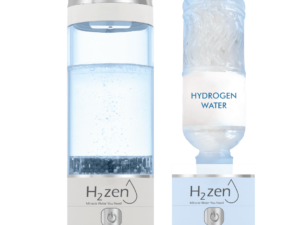 Hydrogen Water FIlter/Generator
H2zen Portable (White/ Blue)
RM2,600.00 Add to cart Buy NowRated 0 out of 5 -

-