Hydrogen Water with Clinical Studies – Wellness Group
This Ultimate Guideintroduces hydrogen-rich water grounded in peer-reviewed clinical findings so readers can see what’s known today and where research is heading.
The review covered exercise, liver and heart markers, mood, COVID-19, aging, and effects on oxidative stress. Early human work in type 2 diabetes hinted at benefits, and trials used tablets, generators, ionizers, or infusion machines.
Wellness Group offers friendly guidance for Malaysians exploring these science-backed options. They are available on WhatsApp at +60123822655 during local hours.
What readers get: a clear map of outcomes in human trials, practical notes on typical protocols, and an evidence-first view that treats HRW as an adjunct, not a cure.
Key Takeaways
- Systematic review findings guide the article’s scope and focus.
- Trials show consistent themes across delivery methods and outcomes.
- Mechanisms include antioxidant, anti-inflammatory, and anti-apoptotic actions.
- Practical tips for Malaysians on devices and routine use are included.
- Contact Wellness Group on WhatsApp for personalized, evidence-aligned advice.
What Is Hydrogen-Rich Water and Why It Matters Today
Many people now explore simple, drinkable solutions that aim to lower oxidative strain from daily life.
Hydrogen-rich water is plain water infused with molecular hydrogen, a neutral, tiny gas that easily diffuses through materials and tissues.
How the gas dissolves and stays in solution
The gas is dissolved under pressure to create a supersaturated drink. Its small size helps it linger long enough for oral intake, so immediate consumption often gives the best dose.
Researchers note antioxidant, anti-inflammatory, and anti-apoptotic actions in animal and human work. Early trials in type diabetes showed improved redox markers, which explains current interest without overclaiming benefits.
“A portable, drinkable approach can make antioxidant strategies easier to adopt in daily life.”
- Formats: tablets, ionizers, generators, infusion devices.
- Practical: portability and immediate use suit busy routines in Malaysia.
- Why it matters: targets reactive species tied to oxidative stress while sparing useful signaling oxidants.
| Format | Typical H2 delivery | Main benefit | Portability |
|---|---|---|---|
| Tablets | Moderate | Convenient dosing | High |
| Ionizers | Low–moderate | Ease of use at home | Low |
| Generators | High | Higher saturation | Medium |
User Intent: A Friendly, Science-Backed Ultimate Guide for Malaysia
Readers will find an evidence-minded path from pilot findings to practical habits in everyday life.
Who benefits from this guide
This guide suits health-conscious Malaysians curious about modest, evidence-rooted options. It is helpful for people managing energy, recovery after exercise, or features of metabolic syndrome.
How the present evidence informs everyday choices
The systematic review of about 25–30 human trials covers exercise capacity, lipids, glucose, inflammation, oxidative stress, and quality of life. Early results are promising but not definitive.
Practical takeaways include timing intake around physical activity, choosing device types, and keeping realistic expectations.
- Benefits: may help recovery, mood, and some metabolic markers.
- Limits: sample sizes are small; larger randomized, placebo-controlled clinical trials are needed.
- Care: consult a physician, especially for metabolic syndrome or chronic conditions.
| Audience | What they learn | Actionable tip |
|---|---|---|
| Active adults | Effects on recovery and endurance | Try timed intake around workouts |
| Busy urbanites | Daily oxidative stress and energy | Use portable formats for consistency |
| People at risk | Markers related to metabolic syndrome | Discuss options with a healthcare provider |
How Molecular Hydrogen Works: Antioxidant, Anti-Inflammatory, Anti-Apoptotic Effects
Emerging data reveal how a simple dissolved gas nudges stress-response systems, from antioxidant enzymes to gene networks.
Selective scavenging and oxidative stress modulation
The gas appears to target the most reactive oxidants, helping to lower oxidative stress without blocking normal cell signals. Human reports show higher SOD and lower MDA after regular intake. These shifts help preserve useful redox signaling while reducing damage.
Signal transduction, gene expression, and Nrf2 activation
At the molecular level, it alters protein phosphorylation, autophagy, and miRNA patterns. It can induce Keap1/Nrf2 pathways and promote mitochondrial biogenesis. Transcriptomic work in adults found down‑regulated NF‑κB and TLR networks and reduced IL1B, IL8, IL6R, and TNFRSF10B expression.
Hormetic, redox-adaptogen, and “exercise mimetic” concepts
Small, repeated exposures act like a mild stressor that strengthens defenses—an adaptogen effect similar to exercise. Anti-apoptotic changes in PBMCs offer a cellular explanation for improved recovery and mood reports. These mechanisms may link to benefits in cardiovascular diseases and metabolic endpoints, but dose and timing matter.
For specific safety questions or use during pregnancy, Malaysians can read more about hydrogen-rich water during pregnancy.
Hydrogen water with clinical studies
Randomized human research offers practical evidence on antioxidant gains, inflammatory shifts, and metabolic endpoints in real people.
What trial design tells us
Randomized, controlled and placebo-controlled trial formats reduce bias and isolate true effects. Double-blind methods helped show consistent changes in antioxidant capacity and immune markers.
Key human outcomes
Across trials—ranging from small pilots to ~60-participant randomized work—participants showed higher BAP, lower PBMC apoptosis, reduced CD14+ frequency, and down‑regulated NF‑κB/TLR pathways.
- Oxidative stress markers tracked: MDA, TBARS, 8-OHdG.
- Antioxidant status: BAP and vitamins C/E often improved.
- Metabolic signals: fasting glucose, HbA1c, lipids shifted in people with potential metabolic syndrome and early type diabetes.
“Placebo-controlled study designs clarify where real biological changes occur versus expectation.”
| Design | Typical sample size | Main findings |
|---|---|---|
| Pilot, open-label | 10–20 | Signal generation: oxidative stress markers improved |
| Randomized, placebo-controlled | 30–60 | Increased antioxidant capacity; lowered inflammatory markers |
| High-concentration dose arms | 20–50 | Improved fasting glucose, HbA1c, lipids in potential metabolic syndrome |
Metabolic Syndrome Evidence: From Pilot Study to 24-Week Randomized Clinical Trial
A 24-week randomized trial tested a high-dose, drinkable protocol in adults who met criteria for metabolic syndrome.
Sixty men and women enrolled in a double-blind, placebo-controlled trial. The active arm took tablets that delivered >5.5 millimoles per day (one tablet three times per day in 250 mL of 12–18°C, taken on an empty stomach).
Key metabolic and biomarker changes
The intervention showed significant drops in fasting glucose (121.5 to 103.1 mg/dL) and a 12% fall in HbA1c compared to baseline and placebo.
Total cholesterol fell by ~18.5 mg/dL and triglycerides by ~47 mg/dL. BMI, waist‑to‑hip ratio, and resting heart rate also improved.
Inflammation and oxidative markers
TNF‑α, IL‑6, and CRP declined, while oxidative stress indicators such as MDA and diene conjugates decreased. Vitamins E and C rose, linking mechanism to outcome.
| Outcome | Change | Notes |
|---|---|---|
| Fasting glucose | -18.4 mg/dL | Compared baseline; clinically meaningful |
| Triglycerides | -47 mg/dL | Improved cardiometabolic profile |
| Inflammatory markers | ↓ TNF‑α, IL‑6, CRP | Lowered systemic risk |
The sample size and full completion rate boost confidence. Earlier open‑label pilots saw higher SOD and lower TBARS, but the longer, higher-dose protocol here produced stronger effects long-term.
Practical note: dosing cadence and chilled (12–18°C) intake can help per day delivery. As always, this approach should complement lifestyle care and medical advice; readers can review related findings on lower blood pressure.
Cardiovascular Health and HDL Function: What Studies Show
Clinical signals point to meaningful lipid and endothelial gains in selected groups after short-term adjunct use. Trials in unstable angina found faster symptom relief and lower total cholesterol, apoB, and LDL‑C when added to standard care.
Lipid shifts and HDL quality
In people with metabolic risk, one trial reported better hdl function and higher SOD alongside lower TBARS. Improved high-density lipoprotein performance helps reverse cholesterol transport and may lower atherogenic burden.
Endothelial measures and clinical impact
Endothelial function rose substantially; reactive hyperemia index improved by 25.4% after two weeks in one report. That change suggests real gains in vessel reactivity that matter for cardiovascular diseases outcomes.
Implications and practical notes
These signals show hydrogen-rich water decreases atherogenic lipids in select cohorts and that hydrogen-rich water reduces oxidative stress tied to vessel health. Effects vary by cohort and when compared baseline or versus controls. Men women may start from different baselines, so responses can differ.
| Finding | Reported change | Relevance |
|---|---|---|
| Total cholesterol & apoB | Decreased | Lower atherogenic risk |
| HDL function | Improved | Better reverse transport |
| Reactive hyperemia index | +25.4% | Enhanced endothelial responsiveness |
“Adjunct use showed faster symptom relief in unstable angina patients.”
Takeaway: These findings are promising for function patients and for heart health as part of broader care. They support cautious use as an adjunct, not a replacement, and call for larger trials to confirm durability.
Exercise, Fatigue, and Physical Performance
Short bouts of pre-session supplementation can shift lactic acid and breathing efficiency during hard intervals.
Pre-exercise lactic acid dynamics
Pre-exercise intake decreased blood lactic acid at higher workloads in several reports.
That change often came with improved ventilatory efficiency and lower perceived exertion during sprints.
Anaerobic gains: trained vs untrained
Seven days of nano-bubble dosing boosted anaerobic output in trained cyclists more than in untrained riders.
Training status thus appears to shape responsiveness; fitter athletes showed clearer power gains.
Controlled trial findings on endurance and HRV
A randomized, double-blind, placebo-controlled crossover in runners found mixed effects.
Slower runners averaged ~1.3% performance improvement with pre-race hydration, while faster runners saw unclear benefit.
Small heart rate improvements appeared in the slower group, suggesting subtle autonomic shifts.
Inflammation and antioxidant capacity in active populations
In juvenile female soccer players, two months of regular intake lowered MDA, IL‑1, IL‑6, and TNF‑α.
At the same time, SOD and total antioxidant capacity rose significantly, supporting faster recovery.
“Consistent timing and dose seem key; individual tracking helps athletes judge personal benefit.”
- Why results vary: baseline fitness, dosing windows, and environment.
- Practical tip: try pre-session intake and log sessions over a few weeks.
- Combine smartly: pair supplementation with sleep, nutrition, and training plans for best gains.
| Population | Protocol | Primary outcome |
|---|---|---|
| Trained cyclists | 7-day nano-bubble | Improved anaerobic performance |
| Recreational runners | Pre-race, crossover placebo-controlled trial | ~1.3% gain in slower runners; mixed overall |
| Juvenile soccer players | 2 months regular intake | ↓ MDA, IL-1, IL-6, TNF-α; ↑ SOD, TAC |
Gene Expression and Immune Modulation in Healthy Adults
A four-week, placebo-controlled protocol revealed measurable shifts in immune cell profiles and transcriptomes.
Down-regulation of NF-κB and TLR signaling networks
Adults who consumed 1.5 L/day of hydrogen-rich water for 28 days showed broad changes in blood gene activity. RNA‑seq found 605 differentially expressed genes. Key inflammatory pathways — including TLR1/2/4/6/7/8/9, MYD88, and NFKB1 — were down‑regulated.
PBMC apoptosis, CD14+ frequency, and immune cell profiles
Flow cytometry recorded a drop in CD14+ monocyte frequency and less PBMC apoptosis versus placebo. These shifts suggest reduced cellular damage rather than blunt immune suppression.
- Antioxidant response: BAP rose, notably in participants aged 30 and above.
- Transcriptomic links: downstream cytokines such as IL1B, IL8, IL6R and TNFRSF10B were lower, tying gene expression to blood markers.
- Practical note: effects required consistent intake over weeks and showed that modest immune modulation may support recovery and balanced inflammation.
| Finding | Change | Likely effect |
|---|---|---|
| TLR / NF-κB networks | Down-regulated | Lower pro-inflammatory signaling |
| PBMC apoptosis | Decreased | Less cellular oxidative stress |
| CD14+ monocytes | Reduced frequency | Fewer inflammatory cues in circulation |
“Transcriptomic changes connected molecular mechanisms to clinical biomarkers, supporting measured immune modulation.”
Liver Health: Chronic Hepatitis B and NAFLD Data
Trials in liver disease hint that targeted supplementation can change enzyme profiles and liver fat measured by imaging.
Chronic hepatitis B reports show that 1200–1800 mL/day intake improved liver function tests, lowered HBV DNA, and reduced markers of oxidative stress.
HBV outcomes and markers
Daily intake supported better ALT and AST trends and fell alongside viral load in several cohorts.
Reduced oxidative stress correlated with improved liver enzymes, suggesting redox balance helps liver recovery.
NAFLD: animal model comparisons and a pilot study
High-concentration approaches outperformed low-concentration alkaline ionized options in an animal model, improving fat accumulation and metabolic signaling.
A randomized pilot study in humans used dual-echo MRI and found significant liver fat reduction after higher-concentration intake.
“Imaging-based evidence offers an objective measure of change in liver fat, not just symptom reports.”
- Why NAFLD responds: better redox status improves metabolic flexibility and lipid handling in hepatocytes.
- Real-world note: effects often cluster with metabolic syndrome features, so broader care matters.
- Practical advice: monitor liver panels with a clinician when trying a protocol and focus on dose and concentration for best effect.
Bottom line: results are promising, especially at higher concentrations, but larger trials are needed to define responders and optimal protocols. HRW should be adjunctive to standard care.
Dialysis and Renal Support: Oxidative Stress and Fatigue
Frequent hemodialysis exposes patients to oxidative load and autonomic strain that can reduce daily function.

Electrolyzed approaches in chronic dialysis have shown early promise. In trials, intake of electrolyzed hydrogen-rich water improved blood urea nitrogen during sessions and reduced markers of oxidative stress.
Effects during and between sessions
Dialysate prepared using hydrogen-rich water correlated with less fatigue on hemodialysis days and also on HD-free days. Patients reported better daily energy and clinicians measured improved autonomic function after short courses.
What this means for care
Function patients on dialysis face ongoing redox burden, so adjunct measures that lower oxidative stress can matter for quality of life. Evidence suggests hydrogen-rich water decreases oxidative strain and may aid recovery.
- Primary agent: hydrogen gas in solution appears to drive the benefit, not alkalinity alone.
- Practical: integration should occur under physician oversight and as an adjunct to standard renal care.
- Track: monitor subjective fatigue and objective markers over weeks to judge effect.
“Dialysate studies showed reduced fatigue and measurable autonomic gains, offering a supportive path for patients.”
Larger, controlled trials are still needed to define protocols and long-term impact. Patients in Malaysia should discuss options with their renal team before trying adjuncts.
Cancer-Related Research: Early Signals and Adjunctive Potential
Some models show that pairing an antioxidant-rich adjunct and 5-FU shrinks tumors and lessens fibrotic scarring.
In colorectal cancer experiments, hydrogen-rich water combined with 5‑fluorouracil reduced tumor size, fibrosis, and collagen content in an animal model.
A systematic review screened 677 papers and selected 27 that examined molecular hydrogen strategies. Review authors reported possible gains in quality of life and some tumor metrics, but emphasized that human evidence remains preliminary.
How it might help
Antioxidant and anti-inflammatory actions may improve the tumor microenvironment and help tolerate therapy by lowering oxidative stress and local inflammation.
Gas inhalation and other therapeutic medical gas approaches were kept separate from HRW analyses and have their own evidence base.
“Current signals are encouraging but not definitive; oncology care must remain led by the treating physician.”
- Evidence is stronger in preclinical models than in people.
- Patients should tell their oncology team before trying adjuncts.
- Future trials should measure tumor size, QoL, fatigue, and inflammatory markers and test timing around chemo cycles.
Cognitive and Mental Health: From Mild Cognitive Impairment to Mood
Clinical reports examine how regular intake affects memory, anxiety, and mood alongside measurable biology. Trials tie shifts in antioxidant status and immune markers to small but notable changes in mood and cognition.
Clinical observations show that healthy adults often gain antioxidant capacity and reduced PBMC apoptosis after consistent use. Targeted groups reported mood and anxiety improvements after about four weeks.
In one trial of women with panic disorder, 1500 mL/day hydrogen-rich water plus psychological therapy for three months cut IL‑6, IL‑1β, IL‑12, and TNF‑α more than therapy plus placebo. Symptom scores trended better but did not reach significance.
How biology may explain effects
Anti-inflammatory shifts in gene expression link peripheral immune changes to brain‑body communication. These transcriptomic patterns echo earlier findings of lowered NF‑κB and TLR signaling.
Practical takeaways: view HRW as a supportive adjunct to therapy, sleep hygiene, exercise, and cognitive engagement. People with metabolic syndrome face higher cognitive risk, so addressing systemic inflammation may help protect function.
“Placebo-controlled study designs and longer follow-up are needed to detect durable cognitive benefit.”
Tip: track mood and memory over weeks to months and consult a physician for persistent symptoms before starting adjunct protocols.
Hydrogen Gas Inhalation vs Hydrogen-Rich Water: Therapeutic Medical Gas Compared
Some delivery formats target acute, hospital-grade care while others fit daily self-care routines at home.
Key difference: one is a supervised, device-based therapy; the other is portable and easy to use.
Delivery, practicality, and why reviews separate them
Many reviews on hydrogen-rich water exclude inhalation because the interventions are not equivalent.
Oral intake delivers a low, steady dose useful for daily wellness. By contrast, gas inhalation usually requires equipment, monitoring, and medical oversight.
Where inhalation shows promise
Therapeutic medical gas via inhalation has shown benefit in acute neurological and respiratory settings. In some reports it improved airway resistance and helped temper cytokine cascades in COVID-19 and acute cerebral infarction models.
Those outcomes point to rapid tissue delivery as the main strength of inhalation.
- Shared mechanism: both approaches modulate oxidative stress and inflammatory cascades.
- Practical pick: choose daily drinking for routine support; pick inhalation for targeted, supervised therapy.
- Safety note: both have favorable profiles so far, but inhalation quality depends on devices and clinical oversight.
“These are complementary fields—one fits daily wellness, the other targets acute therapy under supervision.”
Readers in Malaysia who want home options will find hydrogen-rich water more accessible, while inhalation usually needs a clinic or specialized device. Before trying gas inhalation, they should consult a physician and can read related guidance on adjunct use during therapy.
Practical Guide for Malaysians: Dosing, Concentration, and Daily Use
Practical guidance turns trial protocols into usable habits for busy Malaysian routines. This short guide explains how to match trial doses to home practice and how to track outcomes.
Daily intake, timing, and temperature
In a 24-week trial participants took >5.5 mmol per day via tablets: one tablet three times daily dissolved in 250 mL of 12–18°C liquid and consumed quickly on an empty stomach.
For home use, aim for consistent per day intake and drink soon after dissolution to retain gas. Taking doses away from large meals may improve availability.
High‑concentration tablets vs lower‑concentration devices
Tablets typically deliver higher, repeatable dose per serving. Ionizers and generators offer convenience but often yield lower concentrations.
| Format | Typical dose | Best use | Portability |
|---|---|---|---|
| Tablets | High (e.g., >5.5 mmol/day protocol) | Consistent daily dosing | High |
| Ionizers | Low–moderate | Daily home use, simple prep | Low |
| Generators | Moderate | On-demand saturation | Medium |
Safety, long-term tips, and tracking
Controlled trials report no adverse events across men women. Long-term use showed improved redox and inflammatory markers and positive effects long-term.
Store and handle correctly: cap quickly, avoid shaking, and drink promptly. Track energy, recovery, and labs over 4–8 weeks to judge benefit for metabolic syndrome or performance goals.
Tip: For personalized dosing and product selection, Malaysians can contact Wellness Group on WhatsApp at +60123822655. Business hours: Monday–Friday 9:30 am–6:30 pm; Saturday–Sunday 10 am–5 pm.
Wellness Group in Malaysia: Get Personalized Guidance Backed by Clinical Studies
Local advisors at Wellness Group help translate trial protocols into practical routines for everyday life in Malaysia. They guide product choice, dosing cadence, and tracking so readers can match evidence to real goals.

Chat on WhatsApp: +60123822655
Business hours: Mon-Fri 9:30 am-6:30 pm; Sat-Sun 10 am-5 pm
What they do: Wellness Group reviews published results and compares tablets, ionizers, and generators against trial protocols. They help pick options that fit concentration needs, budgets, and daily routines.
Service highlights include schedule coaching inspired by trial timing, empty-stomach guidance, and per-intake volume suggestions. The team supports patients potential metabolic concerns and tailors plans for men women based on baseline health.
| Service | What it covers | Why it helps |
|---|---|---|
| Product comparison | Tablets, ionizers, generators | Match device to required concentration and budget |
| Dosing plans | Trial-inspired schedules and timing | Improves chance of measurable outcomes |
| Tracking checklist | Energy, recovery, body composition, lab markers | Shows real-world effect and refines dosing |
The team also explains how to evaluate marketing claims and focus on devices or tablets that align with reported trial concentrations. They advise integrating any protocol into diet, exercise, and medical care—especially for those at risk of potential metabolic syndrome.
“Start a WhatsApp chat at +60123822655 for friendly, evidence-informed guidance during local hours.”
Conclusion
Conclusion
This guide synthesizes clinical trials and pilot study signals showing consistent shifts in oxidative stress and inflammation when protocols match higher, consistent dosing.
Evidence links molecular hydrogen to better glucose and lipid outcomes in metabolic syndrome, improved hdl function and high-density lipoprotein quality relevant to cardiovascular diseases, and functional gains noted in type diabetes contexts.
Animal model and pilot study work complement human data but do not replace it. Mechanistic effects molecular (Nrf2 activation, NF-κB modulation) align with observed markers.
Practical next steps: choose credible concentrations, keep routines steady, track responses, and consult a provider. For tailored plans, contact Wellness Group on WhatsApp at +60123822655 (Mon–Fri 9:30 am–6:30 pm; Sat–Sun 10 am–5 pm).
FAQ
What does “hydrogen-rich water” mean and how does it differ from plain water?
The term refers to liquids enriched with dissolved molecular hydrogen gas. It differs from plain water by carrying small amounts of H2 that may act as a selective antioxidant and cellular signal modulator. Delivery methods include pre-filled bottles, tablets that release gas, and on-site generators; each yields different concentrations and practicality for daily use.
How does molecular hydrogen act in the body to affect oxidative stress?
Molecular hydrogen selectively neutralizes the most harmful reactive oxygen species while sparing beneficial signaling radicals. It also influences redox-sensitive pathways, including Nrf2 activation, which can boost endogenous antioxidant defenses and reduce markers of oxidative damage in blood and tissues.
What kinds of clinical trial designs have been used to study its effects?
Researchers have used randomized, placebo-controlled, double-blind trials, open-label pilot studies, and crossover designs. These approaches help evaluate outcomes such as systemic inflammation, oxidative markers, metabolic parameters, and subjective symptoms like fatigue or cognitive decline.
Is there evidence for benefits in people with metabolic syndrome or type 2 diabetes?
Several trials and pilot studies report improved fasting glucose, lower HbA1c, and favorable shifts in lipids in some participants after weeks to months of use—particularly at higher dissolved concentrations. Effects vary by dose, duration, and sample size, so results are promising but not universally conclusive.
How does it affect cardiovascular risk factors and HDL function?
Some controlled trials showed reductions in total cholesterol and apolipoprotein B, plus improved endothelial function measured by reactive hyperemia. Improvements in HDL function have been reported in select cohorts, suggesting possible benefit for heart disease risk when combined with lifestyle measures.
Can athletes or active people expect performance or recovery benefits?
Pre-exercise intake has been linked to faster lactate clearance and reduced perceived fatigue in certain studies. Effects on anaerobic power and endurance differ between trained and untrained individuals. Results depend on timing, concentration, and the type of exercise studied.
Are there measurable changes in gene expression or immune markers?
Human trials found modulation of inflammatory signaling networks, including down-regulation of NF-κB and Toll-like receptor pathways, altered PBMC apoptosis, and shifts in immune cell profiles. These molecular changes help explain observed reductions in circulating cytokines like TNF-α and IL-6.
What evidence exists for liver disease and renal support in dialysis patients?
Trials in chronic hepatitis B and nonalcoholic fatty liver disease report improvements in liver enzymes and oxidative stress markers. In hemodialysis settings, electrolyzed solutions have reduced oxidative burden and improved fatigue and autonomic function during dialysis days in some studies.
Is there any role as an adjunct in cancer care?
Preclinical models combining it with chemotherapy, such as 5-FU in colorectal cancer models, showed additive effects on tumor metrics. Early clinical reports and systematic reviews note possible quality-of-life benefits, but larger controlled trials are needed before routine use in oncology.
What about cognitive health and mood disorders?
Small clinical observations and randomized studies suggest improved cognition in mild cognitive impairment and reduced anxiety or depressive symptoms in select groups. Changes often accompany lower inflammatory cytokines and oxidative markers, yet evidence remains preliminary.
How does inhaled molecular hydrogen compare to dissolved gas in drinks?
Inhalation delivers higher systemic doses rapidly, useful in acute or hospital settings. Dissolved delivery offers convenient, outpatient use and better practicality for daily wellness. Both routes show distinct safety profiles and research uses; choice depends on the clinical goal.
What dosing guidance exists for daily use and safety?
Clinical trials used varying regimens—multiple daily servings, tablets, or continuous low-dose inhalation—over weeks to months. Higher concentrations and consistent daily intake tended to yield clearer signals. Reported adverse effects are rare, but long-term safety data remain limited, so users should follow evidence-informed protocols and consult clinicians if they have medical conditions.
Are there notable limitations in the research to be aware of?
Many studies have small sample sizes, short durations, or heterogeneous populations. Publication bias and variable product quality also complicate interpretation. Larger, well-controlled trials are needed to confirm benefits across diverse populations and long-term outcomes.
How can someone in Malaysia get personalized advice or products aligned with evidence?
Wellness clinics and evidence-focused providers can review trial data, assess individual health status, and recommend appropriate delivery options and dosing. Local support via clinics or authorized distributors helps ensure product quality and alignment with controlled-trial findings.

Khloe Tan
Khloe Tan is a Certified Nutritionist, Corporate Wellness Trainer, and Holistic Health Specialist with over 15 years of experience in the health and wellness industry. She has delivered more than 100 talks nationwide, inspiring and educating diverse audiences on nutrition, lifestyle, and sustainable wellness. Her work has positively impacted over 3,000 lives, and she continues to champion holistic approaches to well-being in both corporate and personal settings.
Feature Product
-
-
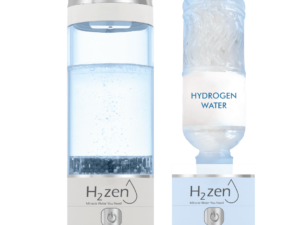 Hydrogen Water FIlter/Generator
H2zen Portable (White/ Blue)
RM2,600.00 Add to cart Buy NowRated 0 out of 5 -
-