Hydrogen Water vs Spring Water Minerals: A Mineral Comparison
Surprising fact: Nearly 60% of home hydrogen devices show reduced output when fed high-mineral supplies, cutting expected performance in half.
This guide helps readers in Malaysia decide whether to prioritise higher dissolved H2 or natural mineral taste. It explains how low-mineral sources boost infusion efficiency and protect PEM membranes, while natural sources add calcium, magnesium and a fuller mouthfeel.
They will learn practical trade-offs: device longevity and consistent antioxidant potential against electrolyte balance and flavour. The overview previews how common household choices — filtered tap, RO, or distilled — affect both output and nutrient profiles.
Wellness Group — WhatsApp +60123822655. Business hours: Mon–Fri 9:30 am–6:30 pm; Sat–Sun 10 am–5 pm.
Key Takeaways
- Low-mineral inputs support stronger dissolved H2 levels and protect electrolysis parts.
- Natural sources deliver taste and electrolytes like calcium and magnesium.
- High-mineral or carbonated supplies can reduce device output and cause scaling.
- Choose based on goals: antioxidant potential, mineral intake, or appliance care.
- In Malaysia, common RO or filtered choices often work best for hydrogen devices.
Why compare hydrogen water and spring water for minerals right now
More Malaysians are asking whether a low-mineral input boosts device performance or if natural bottled sources give better daily taste. The choice matters because device output and longevity depend heavily on source quality.
Interest in hydrogen water has grown as people look for simple health and hydration upgrades without big diet changes. At the same time, spring water is popular for its balanced taste and natural electrolytes.
The rise in PEM/SPE devices makes this comparison timely. These units perform best with cleaner, lower-mineral inputs; high dissolved solids can reduce gas generation and speed membrane wear.
- Device performance links directly to source purity and minerals.
- Spring water offers flavour and electrolytes but shows variable mineral loads.
- For many homes in Malaysia, RO, filtered, or distilled options provide consistency for long-term use.
Practical takeaway: there’s no one-size-fits-all answer. Readers should weigh short-term taste and mineral intake against long-term device care and steady hydrogen output. For local guidance, contact Wellness Group on WhatsApp at +60123822655 (Mon–Fri 9:30 am–6:30 pm; Sat–Sun 10 am–5 pm).
What each type really is
Knowing what each supply actually is helps readers pick the best match for daily infusion devices. This short primer defines common types and explains how they affect device performance and taste.
Hydrogen-enriched regular water
Hydrogen water is regular water that has been enriched with dissolved hydrogen gas. It is made by methods like PEM electrolysis, a magnesium reaction, or pressurized infusion.
Low-mineral inputs boost infusion efficiency and reduce scaling, so many devices perform best with filtered or RO sources.
Naturally sourced bottled options
Spring water and mineral water come from natural sources and usually contain calcium, magnesium, and potassium. Those minerals improve taste and provide electrolytes, but higher mineral loads can alter device output and increase maintenance.
Purified, RO and distilled in the spectrum
Purified water is treated with carbon or deionization. Reverse osmosis and distilled water remove most dissolved solids and are preferred when the goal is steady hydrogen levels and long device life.
Alkaline water or carbonated options can disrupt electrolysis and may stress components, so they are generally not recommended for daily infusion devices.
- Tap water quality varies; many Malaysian homes use filtration or RO before filling a device.
- Choosing a type depends on priorities: taste and minerals versus maximizing dissolved gas and protecting components.
For brand-agnostic advice on pairing supply types with devices in Malaysia, contact Wellness Group on WhatsApp at +60123822655 (Mon–Fri 9:30 am–6:30 pm; Sat–Sun 10 am–5 pm). See the hydrogen cleansing guide for practical tips.
Hydrogen water vs spring water minerals
Some bottled options deliver a fuller mouthfeel, while others help devices reach peak gas levels.
Essential minerals commonly found in natural bottled sources include calcium, magnesium, potassium and often bicarbonate. These elements improve taste and give a pleasant mouthfeel that many consumers in Malaysia prefer.
Calcium and magnesium support bones and muscles. Potassium helps with fluid balance. Bicarbonate can soften acidity and brighten flavour.
How infusion interacts with low-mineral versus mineral-rich sources
Low-mineral inputs like RO or distilled options usually allow higher dissolved gas generation and reduce scaling on PEM/SPE parts. That means steadier device output and less frequent maintenance.
By contrast, richer bottled sources enhance taste but can form scale on electrodes. High mineral levels often lower gas yield and raise cleaning needs.
- Low-mineral options: better device protection and more consistent gas levels.
- Mineral-rich options: improved flavour and electrolyte intake, with trade-offs for performance.
| Feature | Low-mineral supply | Mineral-rich supply |
|---|---|---|
| Typical contents | Few dissolved solids; minimal Ca/Mg/K | Calcium, magnesium, potassium, bicarbonate |
| Effect on device | Higher gas output; lower scaling | Lower gas output; higher maintenance |
| Taste and mouthfeel | Neutral, sometimes flat | Rounded, mineral-rich profile |
| Best for | Maximising gas and protecting components | Enjoying natural electrolytes and flavour |
Practical takeaway: match the choice to the goal. For help evaluating local spring or mineral options in Malaysia, WhatsApp Wellness Group at +60123822655 (Mon–Fri 9:30 am–6:30 pm; Sat–Sun 10 am–5 pm).
Mineral profile deep-dive: calcium, magnesium, potassium, and trace elements
Understanding which ions a bottle carries helps Malaysians balance taste preferences with device care.
Calcium and magnesium levels and their roles
Calcium in many bottled choices supports bone and tooth health and complements diet without adding calories. It also adds a crisp mouthfeel that many find pleasing.
Magnesium helps muscle contraction, nerve signaling, and energy metabolism. Its presence can subtly change texture and perceived freshness.
Potassium, bicarbonate, and taste relationships
Potassium aids fluid balance and can help maintain healthy blood pressure. Bicarbonate-rich options often smooth acidity and improve overall taste for everyday sipping.
Why purified, RO, and distilled options have low mineral levels
Reverse osmosis and distillation remove most dissolved salts. The result is a near-zero mineral profile that protects device components and supports steady hydrogen output during infusion.
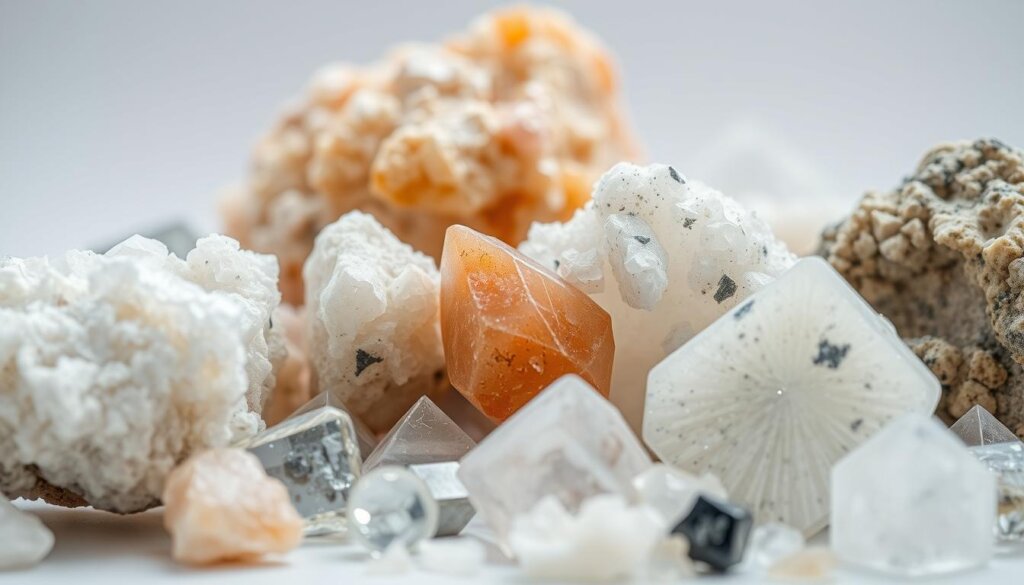
| Element | Typical role | Impact on devices |
|---|---|---|
| Calcium | Bone support; improves mouthfeel | Can cause scale if high |
| Magnesium | Muscle, nerve, energy | Minor scaling; boosts taste |
| Potassium / Bicarbonate | Fluid balance; taste smoothing | Low scaling risk; aids flavour |
- For hydrogen device use, many choose RO or distilled to protect parts.
- For taste or added electrolytes, select a tested mineral water or spring water brand with published analysis.
- For help selecting Malaysian low-mineral or spring options, contact Wellness Group on WhatsApp at +60123822655 during business hours.
Device and process factors that influence mineral content and hydrogen levels
Small changes in source composition can cause meaningful shifts in generator output and maintenance needs.
PEM/SPE basics: the electrolysis process splits water to dissolve hydrogen into the bottle. Membranes and electrodes work best when feed has minimal dissolved solids. Low TDS reduces scale and preserves membrane health.
Why low-mineral inputs protect membranes
Minerals and contaminants form deposits on the PEM and on electrodes. That scaling lowers hydrogen levels over time and forces more frequent cleaning.
Using reverse osmosis or distilled water minimises scale and extends component life. Simple pre-filtration further reduces particulates that clog internals.
How high TDS, alkaline, and carbonated types affect output
High TDS decreases generation efficiency and raises maintenance. Alkaline water with elevated pH can disrupt electrolysis and is generally discouraged for bottles and small generators.
Carbonated sources add CO2 and pressure that interfere with ionisation and can strain seals. Device makers usually recommend low-mineral, filtered inputs for consistent hydrogen output.
- Test tap sources for TDS and contaminants to choose the right type water.
- Follow manufacturer maintenance and pair filtration with RO when practical.
For device-specific guidance in Malaysia, WhatsApp Wellness Group at +60123822655 (Mon–Fri 9:30 am–6:30 pm; Sat–Sun 10 am–5 pm).
Health, hydration, and antioxidant context
A clear choice emerges when people balance antioxidant aims with mineral support for daily life. Deciding which type to use depends on activity, climate, and personal goals.
Research explores how dissolved hydrogen may help reduce oxidative stress, which is relevant to everyday wellness and recovery. Early studies suggest potential antioxidant effects that could support post-exertion repair and general cellular balance.
Minerals such as calcium, magnesium, and potassium do crucial work for the body. They support nerve signaling, muscle contraction, and fluid balance. Those functions matter for sustained energy and basic wellbeing.
For consistent infusion performance, clean, low-mineral inputs tend to produce higher dissolved gas and less scaling. Meanwhile, mineral intake can be maintained through whole foods or a separate mineral beverage.
- Research on antioxidant effects is ongoing; expectations should stay realistic.
- Hydration quality is about context—choose mineral-rich drinks around intense activity, and low-mineral infusion for device consistency.
- Pair smart choices with food to support overall health.
For questions about pairing mineral intake with hydrogen routines, contact Wellness Group on WhatsApp +60123822655 during listed hours.
Taste, mouthfeel, and daily use considerations
Daily habits often come down to which cup tastes best and fits a routine. For many people in Malaysia, a fuller taste from a moderate mineral profile makes sipping more enjoyable at meals.
Moderate minerals add roundness and a pleasant mouthfeel. That is why some choose lightly mineralised choices at lunch or dinner.
Low-mineral options usually taste clean and crisp. They also support higher gas levels in infusion devices and reduce scaling, so they suit steady daily use.
- Taste and mouthfeel often improve with moderate mineral content, making beverages more satisfying.
- Low-mineral types taste neutral and encourage regular sipping for hydration.
- Heavier profiles can need more device care due to scale build-up.
- Small trials help sensitive palates identify a favourite that fits routines like workouts or meals.
Practical tip: pick one reliable source to avoid switching costs and maintain consistent results. For taste-forward spring choices compatible with hydrogen routines in Malaysia, WhatsApp Wellness Group at +60123822655.
What matters for Malaysia: tap, filtration, and quality realities
Local supply differences push families to choose between point-of-use filters, compact reverse osmosis units, or bottled deliveries. This choice affects device upkeep, taste and long-term costs.
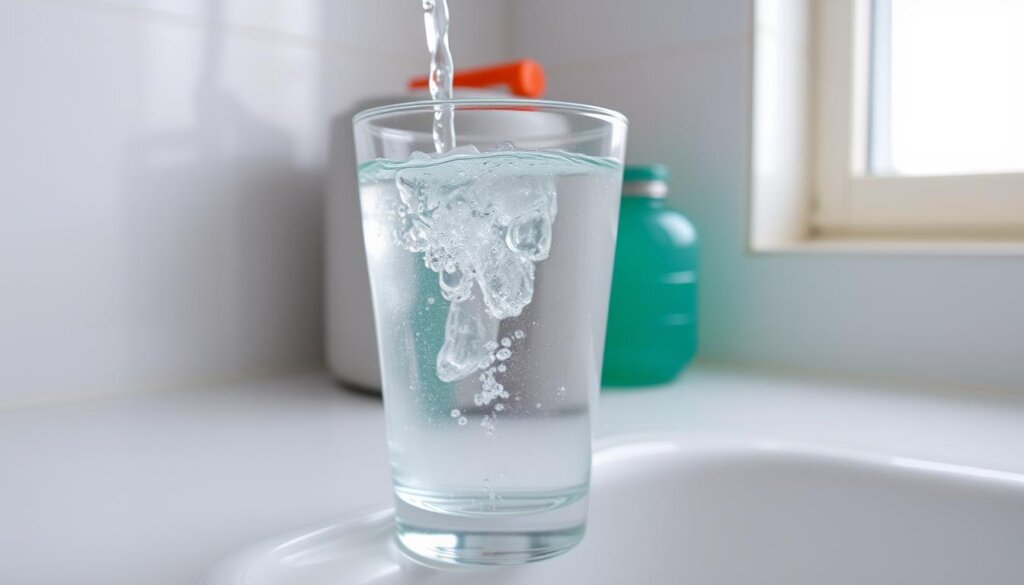
Practical note: many Malaysian households use filtered tap, RO, or distilled water because tap quality varies by neighbourhood. Testing helps decide which option fits a home.
Filtered tap, reverse osmosis, and distilled options commonly used locally
Filtered tap can be fine for daily drinking if the cartridge removes chlorine and particulates. Performance depends on filter age and local TDS.
Reverse osmosis provides low-mineral, near-purified water that limits scaling in PEM devices and keeps output steady.
Distilled water is the cleanest option for protecting parts, though it lacks minerals and may taste flat to some.
Choosing clean, low-mineral water for hydrogen bottles in Malaysian homes
For device longevity, pick RO or distilled water to reduce scale and lower the risk from contaminants. Filtered tap can work, but periodic testing is wise.
- Tap quality varies; many adopt filtration or RO to improve consistency.
- RO and distilled inputs safeguard membranes and maintain output.
- Check filters regularly; replace cartridges on schedule.
- Label jugs at home so family members use the right type for devices.
| Type | Typical benefit | When to choose |
|---|---|---|
| Filtered tap | Improves taste; affordable | Good if local TDS is low and filter is maintained |
| Reverse osmosis | Low-mineral, consistent purity | Best for device protection and steady output |
| Distilled water | Minimal contaminants; prevents scaling | Ideal when maximum component life is the goal |
Local help: For water pairing guidance and device care tips, reach out to Wellness Group via WhatsApp +60123822655 during business hours.
Choose by goal: performance, wellness, or everyday hydration
Start with a clear aim. Deciding whether to boost dissolved gas, enjoy a fuller taste, or protect a device makes the choice straightforward.
If the priority is antioxidant potential
Use low-mineral inputs like reverse osmosis or distilled water. These supplies support higher dissolved hydrogen levels and steadier device output. They help reduce scaling and lower maintenance.
If the priority is natural minerals and taste
Choose a reputable spring or mineral water for meals. Moderate calcium and magnesium add pleasant mouthfeel and flavour while supporting general nutrition.
If the priority is appliance longevity and consistency
Pick purified water, especially reverse osmosis, as a default for daily filling. It protects membranes, extends component life, and keeps performance steady.
- Many households mix approaches—RO or distilled in the morning, mineral choices with food.
- Athletes can time intake for training and manage electrolytes through diet or a separate drink.
- For tailored advice in Malaysia, WhatsApp Wellness Group at +60123822655 (Mon–Fri 9:30 am–6:30 pm; Sat–Sun 10 am–5 pm).
Learn more about special situations like pregnancy by visiting hydrogen use while pregnant.
Brands, devices, and water types: practical pairings
Practical pairings make it easy to match common brands and device types with the right supply for steady output and lower upkeep.
Low-mineral spring or RO/distilled for best output and reduced scaling
Pair devices with reverse osmosis or distilled water for reliable generation and minimal scale. Low-mineral spring options that publish lab analyses can work when RO is unavailable.
Good filtration prevents contaminants from shortening membrane life. Regular cartridge changes keep levels steady and performance predictable.
Avoid alkaline and carbonated types for device health
Avoid alkaline water in daily fills; elevated pH can reduce efficiency and change output. Do not use sparkling or carbonated water—CO2 and pressure stress seals and internal parts.
“Clean inputs protect PEM components and deliver consistent results.”
- Check device manuals for approved inputs and maintenance cycles.
- Choose brands with transparent mineral analyses to estimate scaling risk.
- In Malaysia, RO systems or delivery services make sourcing low-mineral supplies easy.
- If using tap water, confirm filtration performance and inspect for early scale.
| Pairing | Benefit | Notes |
|---|---|---|
| Reverse osmosis | High output; low scaling | Best for daily device use |
| Distilled | Minimal contaminants | Taste may be flat |
| Low-mineral labeled spring | Better mouthfeel; moderate impact | Use if lab data is published |
Practical tip: follow a simple strategy—use low-mineral input for devices and save richer choices for meals. For Malaysian brand and device matches, WhatsApp Wellness Group at +60123822655 during business hours.
Get guidance in Malaysia from Wellness Group
Wellness Group helps people choose the best household inputs for devices and daily hydration. They give clear, local advice so families can balance taste, device performance, and long-term upkeep.
WhatsApp Wellness Group at +60123822655 for quick, practical answers. Business hours: Monday–Friday 9:30 am–6:30 pm; Saturday–Sunday 10:00 am–5:00 pm.
They work with common Malaysian choices like filtered tap, reverse osmosis, and distilled water. Their team explains how clean water quality affects device life and hydrogen output. They also compare purified water and labelled spring or mineral water for taste and health benefits.
“Local advice cuts guesswork—pick the right input once, and your device will run longer with fewer service visits.”
- Practical pairing: guidance on purified water, RO, distilled, or certain spring options.
- Maintenance tips: prevent scaling and set a simple cleaning routine.
- Label reading: learn to spot low-mineral choices and compare analyses.
- Home setup: decide between in-home RO or delivery based on tap conditions and budget.
| Service | How it helps | When to contact |
|---|---|---|
| Compatibility check | Match your tap and device to reduce wear | Before first use or if output drops |
| Maintenance plan | Custom cleaning and filter schedule | Every 3–12 months depending on use |
| Supply advice | Choose purified, RO, or distilled water for steady output | When taste or device life is the priority |
Quick link: see their guide on cholesterol and hydrogen at hydrogen and cholesterol for related insights.
Conclusion
In short, a balanced routine works best for most people in Malaysia. Use low-mineral choices like reverse osmosis or distilled for device fills to protect components and keep output steady. Reserve a reputable mineral option for meals when taste and electrolytes matter.
Avoid alkaline and carbonated types in generators—those can disrupt the process and stress parts. Keep labels, test tap sources, and maintain filters to reduce scale and contaminants.
For a personalised plan and local product pairings, message Wellness Group on WhatsApp at +60123822655 (Mon–Fri 9:30 am–6:30 pm; Sat–Sun 10:00 am–5:00 pm). They can help set a simple, sustainable routine that balances device care, taste, and daily hydration for better overall health.
FAQ
What is the main difference between hydrogen-infused drinks and naturally sourced spring bottles when it comes to minerals?
The key distinction lies in mineral content. Naturally sourced spring bottles contain balanced amounts of calcium, magnesium, potassium and trace elements from geology. Infused drinks start with purified or low-mineral bases and gain dissolved gas without adding substantial electrolytes. That means one type supports electrolyte balance and taste, while the other emphasizes dissolved diatomic gas for potential antioxidant benefits.
Can a generator or tablet add minerals while creating infused water?
Most generators and tablets focus on producing dissolved gas and do not significantly boost mineral levels. Some tablets use magnesium or mineral salts as a reaction agent, which can add small amounts of magnesium or other ions, but they rarely match the broader mineral profile and concentrations found in quality natural sources.
Which base is best for producing a high concentration of dissolved gas without damaging device membranes?
A low-mineral, low-TDS base such as reverse osmosis or distilled water is safest for electrolysis devices. Low conductivity reduces scale and protects membranes like PEM/SPE, ensuring consistent production and longer device life. Alkaline or hard sources can cause scaling and lower efficiency.
Do naturally sourced bottles provide health advantages that infused types do not?
Naturally sourced bottles deliver bioavailable minerals that support nerve, muscle and bone function and contribute to taste. Infused types may offer antioxidant potential from dissolved gas but lack significant electrolytes. Choosing depends on whether someone prioritizes trace minerals or the potential cellular benefits of dissolved diatomic gas.
Is there a taste difference between mineral-rich and low-mineral infused liquids?
Yes. Mineral-rich liquids often taste fuller, slightly salty or alkaline, and have distinct mouthfeel due to calcium and magnesium. Low-mineral bases taste cleaner and flatter; when infused with gas they may feel smoother or slightly effervescent, but they won’t have the same mineral-driven flavor.
Are alkalized or carbonated beverages suitable for use with electrolysis-based generators?
No. Alkalized and carbonated beverages can interfere with device operation. High alkalinity and dissolved CO2 increase conductivity and scaling risk, which can damage membranes and lower gas output. Manufacturers typically recommend purified, low-TDS sources.
For daily hydration and electrolyte needs, which option should someone pick?
For everyday electrolyte balance, a mineral-rich bottle is preferable because it naturally supplies calcium and magnesium. For someone focused on potential antioxidant effects or device compatibility, a purified base used in an infusion device is more suitable. Many people combine both approaches: drink mineral-rich liquids for meals and use infused drinks when seeking specific functional benefits.
How do calcium and magnesium levels in natural sources affect health?
Calcium supports bone strength and cellular signaling, while magnesium aids muscle function, energy metabolism and nervous system regulation. Natural sources deliver these minerals in small but useful amounts that contribute to daily intake, unlike most purified bases which are low in these elements.
What should consumers in Malaysia consider regarding tap and filtered supplies?
Malaysian households often rely on filtered, RO or distilled supplies to remove contaminants and reduce hardness. For devices that produce dissolved gas, RO or distilled is ideal to avoid scaling. For drinking with meals, choosing bottled mineral or verified spring sources helps maintain electrolyte intake, especially if local tap supplies are heavily treated.
Will using RO or distilled bases reduce appliance maintenance?
Yes. Low-mineral bases minimize scaling, extend membrane life, and improve consistency in gas generation. This lowers the need for descaling and reduces maintenance frequency compared with using hard or mineral-rich sources.
Can tablets or magnesium sticks fully replace mineral-rich bottled options for daily electrolyte needs?
No. Reaction tablets and magnesium sticks can add some ions but usually do not replicate the full spectrum or concentrations of natural mineral sources. They are useful for device function or small supplementation, but they’re not a substitute for a balanced mineral intake from diet and mineral-rich beverages.
Are there safety concerns with drinking infusion-produced liquids made from low-mineral bases?
Using certified RO or distilled bases is generally safe when devices are used as instructed. The main safety considerations are device cleanliness and using food-grade reagents. People with specific health conditions should consult a healthcare professional before making major changes to hydration routines.
How should someone choose between aiming for antioxidant potential or mineral intake?
Choose based on goals. If antioxidant potential and consistent device performance matter most, opt for purified, low-mineral sources with reliable generators. If taste, mouthfeel and natural electrolyte support are priorities, select a reputable mineral or spring product. Many users alternate depending on activity, recovery needs, and appliance use.
Where can Malaysian consumers get local guidance or support for pairing devices and supplies?
Wellness Group in Malaysia offers advice and customer support. They can be reached by WhatsApp at +60123822655 during business hours: Monday–Friday 9:30 am–6:30 pm and Saturday–Sunday 10 am–5 pm.

Khloe Tan
Khloe Tan is a Certified Nutritionist, Corporate Wellness Trainer, and Holistic Health Specialist with over 15 years of experience in the health and wellness industry. She has delivered more than 100 talks nationwide, inspiring and educating diverse audiences on nutrition, lifestyle, and sustainable wellness. Her work has positively impacted over 3,000 lives, and she continues to champion holistic approaches to well-being in both corporate and personal settings.
Feature Product
-
-
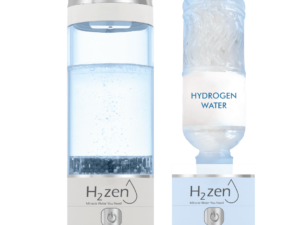 Hydrogen Water FIlter/Generator
H2zen Portable (White/ Blue)
RM2,600.00 Add to cart Buy NowRated 0 out of 5 -

-