Comparing Hydrogen Water and Ionized Water Machines
Surprising fact: a single study found that adding molecular hydrogen at about 1.3 ppm can reduce markers of oxidative stress in people with metabolic syndrome.
This guide defines hydrogen water as water infused with molecular hydrogen and contrasts it with electrolysis-based ionized water that shifts pH. Readers will learn why antioxidants matter and how each approach aims to support the body.
The piece previews key performance markers shoppers track—H2 ppm, negative ORP, and the taste differences between neutral hydrogen water and alkaline water. It also notes device types: some devices focus on high H2 output, while water ionizers split streams into alkaline and acidic flows.
Friendly local help: Wellness Group offers tailored advice in Malaysia. Reach them on WhatsApp at +60123822655 during business hours: Mon–Fri 9:30 am–6:30 pm; Sat–Sun 10 am–5 pm. For a practical primer on cleansing uses, see this short guide at hydrogen water for cleansing.
Key Takeaways
- Two aims: one adds molecular hydrogen for antioxidants; the other raises pH via electrolysis.
- Look for H2 ppm, negative ORP, and clear research when weighing health benefits.
- Device style matters—portable units differ from continuous-flow water ionizers.
- Evidence exists for selective antioxidant effects, but broad claims need more studies.
- Wellness Group can help match a solution to daily routines in Malaysia via WhatsApp.
At a Glance: What sets hydrogen water apart from ionized alkaline water
A simple snapshot shows how each method targets distinct markers of wellbeing.
Key difference: one approach delivers dissolved molecular hydrogen near neutral pH to act as a selective antioxidant, while the other raises pH (often 8–10) by splitting feed supply into two streams with electric ionizers.
- Levels that matter: many studies target about 0.5–1.5 ppm for practical antioxidant effects and user-reported benefits.
- Two streams explained: alkaline output is for drinking; the acidic stream is used for cleaning or cosmetic tasks—something standalone hydrogen devices do not produce.
- Taste and feel: infused hydrogen tastes neutral, while alkaline can feel slightly “slippery.”
- Evidence snapshot: clinical and mechanistic research supports antioxidant action and free radical reduction; alkaline claims have narrower support, with some reflux-related findings.
Quick tip for Malaysia: for tailored guidance, WhatsApp Wellness Group at +60123822655 during working hours.
Hydrogen water vs ionized water machines: core differences backed by research
Choosing a device starts with what each adds to the glass. One method adds dissolved molecular hydrogen gas at near-neutral pH to act as a selective antioxidant. The other uses electrolysis to change pH and split output into alkaline and acidic streams for different uses.
How each device works
Hydrogen infusion: portable generators or dedicated units dissolve H2 into the drink, often reaching about 0.5–1.5 ppm. That dissolved gas is the active agent linked to antioxidant signals in key studies.
Ionization: a water ionizer runs an electrical current through feed supply and separates two streams. The alkaline stream is for drinking; acid is for cleaning or cosmetic use. Some ionizers can also yield meaningful dissolved H2 when conditions are right.
Markers that matter
Practical markers are ppm of dissolved gas, negative ORP, and pH. Consistent ppm and negative ORP correlate with antioxidant outcomes against free radicals more than pH alone.
Strength of evidence
Research shows selective antioxidant effects and reduced oxidative stress in human and animal studies. Claims for broad health benefits from alkaline drinking remain limited, with a few niche findings like pepsin deactivation at high pH.
“Measure levels, not marketing claims, and match the device to your goals.”
- Tip for Malaysia: Wellness Group can advise on devices and measured levels—WhatsApp +60123822655 during business hours.
Technology and performance: from hydrogen gas levels to two-stream ionization
Practical performance hinges on three things: concentration, filtration, and flow style. Buyers should read specs and look for independent test data to match a unit to daily needs.
Typical concentrations and why .5–1.5 ppm matters
Electric water ionizers can hit about 1.3–1.5 ppm under ideal flow and pH settings. Quality portable units often reach 1.0–1.3 ppm. Pitcher-type ionizers commonly sit much lower, around 0.1–0.3 ppm.
Most clinical work targets roughly 0.5–1.5 ppm since that range yields repeatable antioxidant signals in tests.
Two streams and practical uses
Two streams means an alkaline drinking output and an acidic stream for cleaning or cosmetic tasks. That split reduces perceived waste and adds household utility.
Filtration, taste, ORP and convenience
Ionizers usually include multi-stage filters to cut chlorine, fluoride, and metals. Many hydrogen units rely on source quality or separate filters.
Taste differs: neutral drinking feels plain, while alkaline can feel slightly “slippery.” Both device types have shown negative ORP around -700 to -800 in tests, a marker linked to antioxidant potential.
Finally, ionizers run continuous flow for families; portable units make batches for on-the-go use. If help matching performance to lifestyle in Malaysia is needed, WhatsApp Wellness Group at +60123822655 during business hours.
Cost, maintenance, and lifespan: choosing the right water machine for your budget
Smart shoppers weigh initial outlay, recurring expenses, and expected lifespan side by side.
Initial investment ranges
What to expect up front
Portable hydrogen water bottles typically cost about $80–$300. Premium generators may top $1,000. By contrast, electric water ionizers usually sit in a $1,000–$4,000 range.
Ongoing costs
Filters, tablets, and electricity add to true ownership cost. Estimates per quart: ionizers about $0.15–$0.30; hydrogen water machines around $0.05; pitchers near $0.07.
Ionizers often include robust built‑in filtration. Some portable units need an external filter, which raises long‑term spend.
Warranty and longevity
Many ionizers carry multi‑year warranties and long service lives. Smaller units may need more frequent replacement or service.
- Right fit: choose continuous‑flow ionizers for families; select portable units for solo use.
- Value tip: weigh cost against targeted antioxidant goals and daily convenience.
“Match total ownership cost to routine and goals before deciding.”
For Malaysia pricing and side‑by‑side brand help, message Wellness Group on WhatsApp at +60123822655 during business hours.
Real-world fit: who benefits most from hydrogen water or ionized alkaline water
Who should pick which option depends on personal goals, daily routine, and how the body responds.
Athletes, recovery, and oxidative stress: when molecular hydrogen shines
Athletes and active people often choose hydrogen water for targeted antioxidant support. Studies suggest modest reductions in oxidative stress and faster recovery markers after intense exercise.
Simple idea: dissolved gas can help the body handle free radicals so muscles recover better between sessions.
Digestive comfort and pH-focused routines: where ionized alkaline water may help
Some people find alkaline water soothing, especially if reflux is a concern. At high pH levels, pepsin activity drops, which may ease symptoms for a subset of users.
- Practical habits: drink fresh, time intake around workouts or meals, and keep routines consistent.
- Device note: a water ionizer can supply alkaline output and, in some setups, meaningful hydrogen levels; dedicated units focus on hydrogen delivery.
- Try before buying: tastings or short trials help judge comfort and routine fit.
“Match the choice to daily goals—recovery, digestion, or general wellness.”
For Malaysians seeking tailored advice, WhatsApp Wellness Group at +60123822655 during business hours.
Talk to Wellness Group in Malaysia for tailored advice
Choosing the right option is easier with a short chat. Wellness Group helps readers weigh filtration, expected hydrogen levels, and daily habits against budget and household size.
Contact and hours
Fast help: message Wellness Group on WhatsApp at +60123822655.
Bring your goals
Before messaging, note key goals: hydration targets, antioxidant priorities, filtration needs, and budget. This helps the team suggest suitable devices and service plans for the body’s needs.
- Prepare details: list current filters or devices, typical drinking patterns, and whether you prefer portability or continuous flow.
- Device comparison: the team explains types side-by-side—expected hydrogen levels, filtration strength, and maintenance in Malaysian conditions.
- No-pressure help: if undecided between hydrogen water and ionized water, a short chat clarifies trade-offs quickly.
| Question to Ask | What Wellness Group Will Cover | Why It Matters |
|---|---|---|
| How many people use the tap? | Recommends single-user portable units or family-scale water ionizers. | Matches capacity and flow to routine and cost. |
| Do you need filtration for local supply? | Suggests filter stages and service schedules for Malaysian sources. | Ensures taste, safety, and device longevity. |
| Are antioxidants a priority? | Compares expected hydrogen levels and real-world benefits. | Aligns device choice to recovery or general wellness goals. |
“A quick WhatsApp chat can save time and money—get recommendations that fit daily life.”
Learn more about cleansing uses or message Wellness Group at +60123822655 for Malaysia-based guidance during listed hours.
Conclusion
To close, readers should focus on what each option actually adds to the glass and to daily life.
Hydrogen water centers on delivering molecular hydrogen at study‑aligned levels (about 0.5–1.5 ppm) to target free radicals and antioxidant pathways. Making hydrogen water fresh helps keep those levels consistent.
Ionized water emphasizes pH change and two separate streams, with many electric ionizers offering built‑in filtration for taste and safety. Some units can also deliver modest dissolved gas when set up correctly.
Choose by priority—antioxidant focus, pH routine, convenience, or family flow—and for Malaysia pricing or tailored device advice, WhatsApp Wellness Group +60123822655 during business hours.
FAQ
What is the main difference between molecular hydrogen infusion and pH-based ionization?
The first method focuses on dissolving molecular gas to deliver antioxidant effects. The second shifts pH and splits water into two streams for drinking and cleaning. They target different mechanisms: one aims to supply dissolved gas at measurable parts per million, the other alters alkalinity and oxidation-reduction potential.
How do each of these devices actually work?
Devices that add dissolved gas typically use electrolysis or magnesium reactions in a closed chamber to saturate liquid with gas. Ionizers run water over plates and separate it into alkaline and acidic outputs while often routing waste. Both may include filters, but their core processes differ: infusion versus split-stream ionization.
What levels of dissolved gas are meaningful for effect?
Research and manufacturer guidance commonly point to about 0.5–1.5 ppm as a useful range for antioxidant activity. Below that, benefits become less reliable. Buyers should seek lab-tested ppm numbers rather than marketing claims.
Does pH or ORP matter more for health outcomes?
For antioxidant action, dissolved gas concentration and negative ORP correlate more closely with short-term oxidative effects. pH affects taste and certain digestive feelings but has less direct evidence for systemic antioxidant benefits than measured dissolved gas or ORP shifts.
Are there strong studies supporting antioxidant effects from dissolved gas products?
There is growing, peer-reviewed research showing reduced markers of oxidative stress and improved recovery in some populations. Evidence quality varies by study size and design, so people should review clinical results and not rely on broad claims.
How do typical concentrations compare across product types?
Portable batch makers often reach higher ppm for a short time, while continuous-flow devices may produce lower but steady levels. Ionizers that do not specifically infuse gas generally register much lower dissolved gas and focus on pH changes instead.
What is the purpose of the two streams in ionizers?
The alkaline stream is intended for drinking and perceived digestive benefits. The acidic stream serves household uses like cleaning or skin care. This separation comes from electrolysis and is a hallmark of split-stream devices.
How do filtration approaches differ between these systems?
Split-stream units often include multi-stage filtration for contaminants such as chlorine, heavy metals, and particulates before electrolysis. Gas-infusion units may use simpler filters and rely on treated input water or replaceable cartridges focused on taste and odor.
How do taste and mouthfeel compare?
Infused liquid tends to taste neutral and crisp, sometimes described as fresher. Alkaline output can feel smoother or “slippery” to some people due to mineral content and higher pH. Personal preference plays a big role.
Which option wastes more input during operation?
Continuous-flow split systems can produce some wastewater as they divert acidic output or flush scale. Batch infusion devices or portable bottles typically use the full fill with minimal waste, making them more water-efficient.
What are typical price ranges and ongoing costs?
Portable infusion bottles and tabletop units start lower, while built-in electric split systems cost more up front. Ongoing expenses include replacement filters, tablets or magnesium sticks, and electricity. Cost per quart varies widely depending on consumables and frequency of use.
How should buyers plan for maintenance and lifespan?
Look for clear filter replacement intervals, warranty length, and availability of parts. Electrolytic plates need descaling in hard water, while batch units may require occasional cartridge swaps. A longer warranty and accessible service network indicate better long-term value.
Who may benefit most from dissolved gas devices?
Athletes and people focused on recovery or reducing exercise-related oxidative stress often report measurable benefits. Those seeking targeted antioxidant effects should prioritize verified ppm output and third-party testing.
Who might prefer split-stream alkaline systems?
Individuals focused on pH-related routines, wanting separate acidic water for cleaning, or desiring integrated multi-stage filtration may choose split-stream units. They suit households that value both drinking and utility outputs.
Can either option replace a good filtration system for contaminant removal?
Not always. Some units include robust contaminant filters, while others do minimal treatment. Users concerned about heavy metals, chlorine, or microbes should confirm certified filtration performance before assuming protection.
How can someone in Malaysia get tailored guidance from Talk to Wellness Group?
They can contact support via WhatsApp at +60123822655 during business hours: Monday–Friday 9:30 am–6:30 pm and Saturday–Sunday 10 am–5 pm. Bringing goals like hydration, antioxidant needs, filtration priorities, and budget helps advisors recommend a suitable device.

Khloe Tan
Khloe Tan is a Certified Nutritionist, Corporate Wellness Trainer, and Holistic Health Specialist with over 15 years of experience in the health and wellness industry. She has delivered more than 100 talks nationwide, inspiring and educating diverse audiences on nutrition, lifestyle, and sustainable wellness. Her work has positively impacted over 3,000 lives, and she continues to champion holistic approaches to well-being in both corporate and personal settings.
Feature Product
-
-
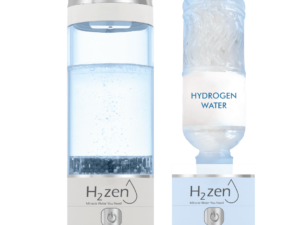 Hydrogen Water FIlter/Generator
H2zen Portable (White/ Blue)
RM2,600.00 Add to cart Buy NowRated 0 out of 5 -
-