
Hydrogen Water for Scalp Health: Expert Advice from Wellness Group
Surprising fact: recent lab summaries note that tiny H₂ molecules can reach cells faster than many common antioxidants, changing how people think about topical and oral care in daily routines.
Wellness Group presents a concise guide that explains how enriched water may support both the skin on the head and nearby follicles. The piece stays realistic about current research and user experiences in Malaysia.
Readers will find clear explanations of how these molecules act at the cellular level, practical delivery options such as drinks, mists, and inhalers, and safe device choices. Local demos and tailored advice are available; readers can WhatsApp +60123822655 or visit during business hours: Mon–Fri 9:30 am–6:30 pm, Sat–Sun 10 am–5 pm.
To explore related cleansing tips and product notes, see this guide at Wellness Group.
Key Takeaways
- Enriched water delivers small molecules that can support cellular resilience and may ease oxidative stress.
- Evidence-informed benefits include better hydration, pH balance, and scalp circulation when used appropriately.
- Options include drinking, topical mists, and inhalers; device demos help pick what fits daily life in Malaysia.
- Wellness Group offers local support, demos, and WhatsApp help at +60123822655 for guidance.
- Readers should expect realistic timelines and compare concentration and ORP when evaluating products.
Why Hydrogen Water Matters for Scalp Health Today
In Malaysia’s warm, humid cities, the head often faces a mix of environmental stressors that affect comfort and balance.
Daily challenges — heat, UV exposure, humidity, and pollution — can raise oxidative stress and make sensitive skin react. Gentle, non-drug approaches are popular, and some people turn to enriched liquids as a simple, routine-friendly option that supports comfort and hair environment.
Rapid diffusion is one reason this approach draws attention. Small molecules move into tissues quickly and are exhaled, which adds to a reassuring safety profile reported in early research. That fast reach may help modulate mild inflammation without suppressing normal signals.
Used alongside gentle cleansing, sun protection, and less-aggressive styling, this option can fit commuter and active lifestyles. Portable solutions make on-the-go use easy, and local advice from Wellness Group helps tailor choices to Malaysia’s climate — WhatsApp +60123822655 for guidance.
- Practical: complements daily routines.
- Safe: cleared by exhalation, no buildup.
- Realistic: early research supports modest, supportive effects.
The Science: How Molecular Hydrogen Works Against Oxidative Stress
Because of their size, certain gas molecules diffuse quickly into tissues and reach organelles like mitochondria. This rapid penetration helps explain why they are considered when addressing oxidative stress.
Selective antioxidant action on hydroxyl radicals
Molecular selectivity matters. These tiny agents preferentially neutralize the most damaging hydroxyl radicals while leaving signaling species, such as nitric oxide and hydrogen peroxide, intact.
Cellular penetration: reaching mitochondria and tissues
Their small size lets them cross membranes and enter subcellular spaces. There they may protect mitochondria, the parts of the cell most vulnerable to oxidative insults.
Redox balance, Nrf2 signaling, and inflammation control
Research shows modulation of Nrf2 can boost enzymes like glutathione and catalase. Studies also report lower TNF‑α and IL‑6, suggesting reduced inflammation and preserved mitochondrial integrity.
“Negative ORP values and dissolved gas near 0.5 ppm are often cited as markers of reducing potential and possible physiological effect.”
- Helps maintain redox balance without blocking normal oxygen signaling.
- Acts as a gentle antioxidant that targets harmful free radicals.
- Supports resilience in cells and may complement other antioxidants.
Scalp Biology 101: Follicles, Sebum, and the Role of Blood Flow
Follicles thrive when oxygen and nutrients arrive on time and damaging radicals stay in check. This balance depends on steady microcirculation and a stable surface environment.
Healthy blood circulation delivers oxygen and micronutrients to each follicle and clears metabolic waste. Good flow supports cell repair and keeps hair roots supplied during daily stress.
The skin surface also matters. Sebum composition and oxidative stability shape the microenvironment around follicles. Pollution and UV raise free radicals and can trigger lipid peroxidation near openings.
Free radicals, lipid peroxidation, and the follicle microenvironment
Free radicals can damage lipids and proteins, making the local area more reactive. Balanced antioxidants help protect cells and maintain calm.
- Steady blood flow brings oxygen and nutrients to follicles.
- Managing surface oil without over-stripping preserves barrier function.
- Gentle massage and lifestyle steps can boost microcirculation and comfort.
Research links hydrogen and water immersion with improved microcirculation and reduced oxidative insults in tissues. Such subtle support tends to be more sustainable than aggressive treatments, especially in Malaysia’s hot, humid climate.
| Factor | Why it matters | Practical tip |
|---|---|---|
| Microcirculation (blood) | Delivers oxygen and nutrients to follicles | Gentle massage, avoid tight styles |
| Sebum stability (skin) | Protects follicle openings from oxidation | Cleanse gently; use mild products |
| Antioxidant support (cells) | Limits lipid peroxidation and damage | Include antioxidant-rich routines and modest topical support |
Hydrogen water for scalp health
Using light, daily sprays or sips may calm reactive skin and support a steady barrier against heat and pollution. This approach aims to limit irritation while keeping the surface balanced and hydrated.
Reducing inflammation and supporting moisture balance
Regular use can help moderate low-grade inflammation triggered by daily heat and styling. Users often note less redness and improved comfort within weeks.
Moisture balance is also a key benefit. A steady hydration level supports the barrier, so the skin feels less tight in air‑conditioned or humid conditions.
Protecting follicles from environmental stressors
As an adjunct to sun-smart habits, enriched liquid may add antioxidant properties that counter UV and pollution-related oxidative stress. The effects hydrogen water provides are supportive rather than curative.
- May calm inflammatory signals after exposure.
- Supports barrier moisture to reduce dryness.
- Works best with gentle cleansing and light, non-greasy routines common in Malaysia.
Wellness Group offers local demos and routine help to match device options and daily life. WhatsApp +60123822655 for tailored advice.
From Lab to Lifestyle: Evidence-Based Benefits You Can Expect
Clinical observations show short warm immersions can yield measurable boosts in superficial circulation and surface hydration.
What the studies found:
Improved microcirculation and potential nourishment to follicles
In trials using electrolytically generated hydrogen water, a 10‑minute hand immersion raised fingertip capillary flow by about 30% after 30 minutes. These increases outperformed plain warm water in imaging tests.
Skin and scalp hydration support observed in warm-water settings
Warm bath studies reported immediate skin moisture gains of 5–10% over several days. Results varied day-to-day, which suggests regular use matters.

- Short sessions can aid microcirculation and nutrient delivery to superficial tissues.
- Oral intake showed milder effects, so pairing topical and systemic approaches may boost recovery.
- Maintaining higher dissolved hydrogen levels at 40°C is challenging (measured 0.014–0.23 ppm), so device choice and timing matter.
- Cleansing tests found improved removal of keratin plugs with enriched warm immersion versus normal warm immersion.
| Outcome | Observed change | Practical tip (Malaysia) |
|---|---|---|
| Capillary blood flow | ~30% increase after 10‑min immersion | Try short warm sessions and gentle massage |
| Skin moisture | 5–10% immediate gains | Use consistently after heat exposure or workouts |
| Dissolved levels | 0.014–0.23 ppm at 40°C | Use high-quality devices and fresh timing at point of use |
Wellness Group can advise on routines and devices that help keep levels reliable and track results over weeks in Malaysia’s climate.
Delivery Methods: Drinking, Topical Use, and Inhalation
Cycling intake around daily stress points helps keep antioxidant support steady. Morning routines, commutes, and post‑exercise moments are useful anchors. Users can choose simple habits that fit their day.
Daily consumption for systemic antioxidant support
Drinking a small amount provides broad, systemic effects and pairs easily with hydration habits. It is convenient and tends to suit commuters and gym-goers in Malaysia.
Topical mists and rinses to target the scalp surface
Sprays and pre/post‑wash rinses let users aim support at the surface during grooming. These methods deliver immediate local contact without changing overall routines.
Inhalation therapy as an adjunct for systemic effects
Inhalation devices can complement drinking by giving direct gas intake. Portable units make use at home, in cars, or during breaks practical and discreet.
Practical tips
- Start with one method and track comfort and oiliness weekly.
- Combine approaches when extra support is needed, such as after sun exposure.
- Choose products that keep dissolved levels stable and separate gas for safe inhalation.
- Wellness Group offers demos to match devices and routines in Malaysia.
| Method | Main benefit | When to use |
|---|---|---|
| Oral intake | Systemic antioxidant support | Morning, post-workout, or with meals |
| Topical mist/rinse | Targeted surface contact | Pre/post-wash and during hot, humid days |
| Inhalation | Rapid systemic delivery | At home, in car, or short rest breaks |
Hydrogen Concentration, ORP, and Stability: What Really Matters
Keeping measurable gas levels from generation to use is a practical challenge that shapes real-world benefits. Users should look past peak lab claims and focus on what is present at the moment of intake or topical use.
Therapeutic dissolved hydrogen levels and why they fluctuate
Therapeutic dissolved hydrogen is often discussed around ≥0.5 ppm. That target helps set expectations, but actual readings fall quickly once gas can escape.
Research shows ORP in hydrogen-rich liquid commonly ranges −200 to −600 mV, which signals reducing potential. However, the clearest check is a measured dissolved hydrogen value at point-of-use.
Packaging, temperature, and gas escape: keeping H₂ bioavailable
Temperature and storage drive loss. Warm baths near 40°C recorded very low dissolved hydrogen (≈0.014–0.015 ppm) because heat forces out gas.
Packaging and generation matter. Aluminum pouches and pressurized cans slow escape. High-pressure infusion and quality PEM electrolysis create higher initial concentration and better short‑term stability.
- Prepare product close to when it will be used and seal containers promptly.
- Ask vendors for real DH test data and stability curves, not only peak numbers.
- For rinses, generate immediately before application to maximize exposure.
| Factor | Typical range/impact | Practical tip (Malaysia) |
|---|---|---|
| Dissolved hydrogen | Target ≥0.5 ppm; drops fast with time | Use immediately after generation |
| ORP | ≈−200 to −600 mV indicates reducing potential | Check alongside DH, not instead of it |
| Temperature & packaging | Warm temps lower DH; metal/pressurized packaging helps | Prefer cans or pouches and avoid hot storage |
| Generation method | PEM electrolysis and high-pressure infusion give higher starting levels | Choose quality devices and demo stability |
Wellness Group can demonstrate measurement and advise on how to reach consistent concentration with daily routines in Malaysia.
How Hydrogen Water Is Made: Devices and Techniques Explained
Different device types aim to lock gas into liquid so users get a measurable dose at point‑of‑use.
Electrolysis and PEM technology
Electrolysis splits water into H₂ and O₂. PEM systems then separate gases to give cleaner output and fewer byproducts. Many modern generators use PEM to improve purity and extend device life.
Magnesium reaction and high-pressure infusion
Magnesium tablets or sticks react with liquid to release gas and form magnesium hydroxide. This is handy on the go but changes liquid chemistry slightly.
High‑pressure infusion forces gas into liquid at filling. That raised pressure helps keep higher dissolved levels during storage in sealed cans or pouches.
Pouches, cans, cartridges, and generators
Ready‑to‑drink products often use aluminum pouches or pressurized cans because they slow gas escape better than many plastics. Portable cartridges and countertop generators make gas on demand and cut the time between generation and use.
- PEM electrolysis gives separated streams and cleaner finished liquid.
- Magnesium methods are simple but alter chemistry.
- High pressure boosts dissolved levels and shelf stability.
- Aluminum pouches and cans retain gas better than plastic.
- Check real DH readings and independent data before buying products.
Practical tip: mix on‑demand generation with smart storage to match daily routines in Malaysia. Wellness Group demonstrates these techniques to help pick the best device and budget.
Choosing Devices for Home and On-the-Go Use
Choosing the right device shapes how reliably users get a measured dose during daily routines. Devices vary by flow rate, power options, build quality, and long‑term value. Wellness Group helps match options to Malaysia lifestyles.
Portable bottles and 3‑in‑1 cup/inhaler options
Portable bottles suit daily hydration and quick topical sprays. The H2MEDICAL PRO 3‑in‑1 cup offers up to 8000 ppb with nano tech, a PEM membrane for ozone separation, inhalation and ultrasonic spray, Tritan container, 1900mAh battery, LCD, and 6000–8000 hours operational life.
Portable versus high‑flow inhalers
Portable inhalers deliver up to 180 ml/min and run on 220V, car 15V, or a 12V power bank—ideal for travel or office breaks. Smart high‑flow inhalers push 1800–3600 ml/min, use PEM with full gas separation, pulse modes, >10,000 hours life, and suit home treatment routines.
Build quality, safety, and operational life
“PEM gas separation reduces ozone and unwanted mixing, improving safety and purity.”
PEM separation is a key safety feature. Operational life varies: 6000–8000 hours for advanced cups, and >10,000 hours for smart inhalers. Longer life often lowers total cost of ownership.
Maintenance, consumables, and total cost
- Battery capacity and LCD controls add convenience for commutes and gyms.
- No‑consumable inhalers cut annual expenses; some units need distilled water (TDS <5).
- Warranty, service access, and replacement parts matter for long‑term satisfaction.
Tip: pick devices that match effect goals—systemic support, topical hydration, or inhalation—then check real performance data. Wellness Group can compare models side‑by‑side and help calculate total cost and expected recovery timelines.
Featured Technologies Referenced in Research and Market
Device design—materials, membrane type, and flow rate—shapes what users actually receive at point-of-use.
High-concentration portable cups use nano-enhanced cells to reach strong dissolved levels in short cycles. The H2MEDICAL PRO offers up to 8000 ppb, PEM ozone isolation, an inhalation outlet, ultrasonic spray, a Tritan BPA-free vessel, and a 1900mAh battery with LCD and 6000–8000 working hours.
Portable inhalers
Compact units run on 220V, car power, or a power bank. Typical flow is 180 ml/min and they need distilled liquid (TDS <5). They fit busy schedules and quick sessions between meetings or after workouts.
Smart high-flow inhalers
High-flow models deliver 1800–3600 ml/min with PEM 100% gas separation, pulse mode, sensors, voice prompts, and >10,000 hours life. They require no consumables and give faster systemic dose delivery.
“PEM membranes isolate byproducts and raise purity, which matters in frequent daily use.”
- Flow rates determine session time and intensity.
- Ultrasonic spray adds topical delivery for sensitive areas.
- Level indicators and program modes help standardize routines.
- Wellness Group offers demos so users can compare products and properties before buying: learn more.
| Device type | Key spec | Practical tip |
|---|---|---|
| Portable cup | Up to 8000 ppb; 20×5‑min cycles | Use short cycles, check LCD status |
| Portable inhaler | 180 ml/min; car/power bank | Use on commute or after exercise |
| Smart inhaler | 1800–3600 ml/min; PEM separation | Best for home routines and fast sessions |
Your Daily Routine: Practical Ways to Use Hydrogen Water for the Scalp
Simple, repeatable steps fit commuter life and can add targeted antioxidant support at high-stress moments. They are easy to slot into morning and evening habits without extra fuss.
Morning and post-workout intake to offset oxidative load
Drink a serving during the morning commute to prepare the skin and hair for UV and pollution. A second serving after exercise helps recovery and hydration.
Pre-wash misting and post-wash leave-in spritz
Lightly mist the scalp before shampooing to loosen residue and soothe. After washing, a fine spritz supports moisture without heaviness in Malaysia’s humid weather.
Pairing with gentle scalp massage
A 2–3 minute gentle massage boosts local blood flow and complements the observed effects hydrogen exposure can have on microcirculation.
- Schedule short inhalation sessions during quiet breaks to build consistency.
- Generate product close to use and seal containers if delayed to preserve dissolved gas.
- Track tightness, oiliness, and comfort; adjust frequency based on responses.
- Combine with sun-smart habits—hats and shade—and gentle, fragrance-light products.
- Portable cups and car-compatible inhalers make routines repeatable on travel days.
Practical tip: maintain overall hydration; this approach adds a supportive layer but does not replace daily fluid needs.
Safe, Realistic, and Sustainable: Sorting Facts from Myths
Every supportive tool works best when it fits into a consistent daily habit. This section separates helpful facts from exaggerated claims so readers can use devices and products sensibly in Malaysia’s climate.
Not a cure-all: enriched liquids are a supportive wellness tool, not a treatment for disease. They can add antioxidant support and comfort, but regular medical care and sun-smart habits remain essential.
Right dose over hype: therapeutic dissolved levels often start near ~0.5 ppm. Higher numbers look impressive, but consistency and verified performance at point‑of‑use matter more than peak claims.
Practical truths and quick tips
- Supports wellbeing but does not replace doctors or prescriptions.
- More isn’t always better; aim for steady, verifiable exposure.
- It is distinct from alkaline products; benefits link to dissolved gas and redox action, not pH.
- Many notice small gains first—less tightness, better comfort—steady use adds up.
- Safety is strong: the gas is produced naturally in the gut and is exhaled without known toxicity.
- Prepare close to use, store correctly, and pick devices with real test data.
Tip: those with sensitivity or medications should start modestly and track results. Wellness Group offers local guidance to build a sustainable plan that fits daily life and prevention goals.
Timelines and Results: What Users in Malaysia Can Expect
Initial sessions often bring quick comfort gains and easier styling as surface hydration improves.
Short-term effects: many users report noticeable moisture and less tightness within days. Warm, enriched sessions may also boost microcirculation within an hour, so comfort can change quickly after use.
Two-week window: routines usually become easier to keep. Users fine-tune how often they drink, mist, or inhale and notice more stable oil balance and less irritation.
Longer-term balance: consistent use over several weeks can support a calmer skin and stronger hair environment. Outcomes vary with dissolved gas at point of use, local temperature, and how steady the routine is.
- Days: comfort, easier detangling, immediate hydration shifts.
- 1–2 weeks: routine tuning and clearer patterns in oil and moisture.
- Several weeks: more balanced surface environment in warm, humid conditions.
- Months/years: users aim for sustainable habits rather than chasing peak numbers.
Practical tips: log simple metrics—comfort, oiliness, hydration—so small changes guide better choices. Wellness Group can review notes and recommend data-driven refinements to improve long-term results and effects.
Who Might Benefit Most, and Who Should Be Cautious
Busy routines and urban exposure make modest, repeatable support appealing. This section helps readers spot who may gain the most and who should take extra care.
Active individuals, urban commuters, and sensitive scalps
Active people and commuters face regular oxidative exposure from sun, heat, and pollution. Short sessions of enriched hydrogen water can fit into a commute or after exercise as a practical supportive step.
Sensitive skin may respond well to gentle antioxidant contact and added moisture. Users often report improved comfort and less tightness with modest, steady use.
Considerations for medical conditions and medications
This is not a treatment for disease and should not replace medical care. Anyone with chronic conditions should talk to their clinician before changing routines.
- Medications and existing plans take priority; avoid conflicts.
- Those managing inflammation-prone skin may find adjunct benefits, not cures.
- Start moderate use and log perceived effects over several weeks.
- Prevention-minded users can combine this with sun protection and gentle care.
| Who | Why it may help | Practical tip (Malaysia) |
|---|---|---|
| Athletes & commuters | Frequent oxidative bursts; needs quick recovery | Use short sessions post-workout or during commute |
| Sensitive skin | Gentle antioxidant, moisture support | Try small sprays and assess tolerance weekly |
| Chronic disease patients | Needs medical oversight | Consult a healthcare provider before use |
Wellness Group can coordinate device demos and tailor advice while considering medical context. WhatsApp +60123822655 for local guidance.
Talk to Wellness Group: Local Guidance, Devices, and Support
A short, hands-on demo often clarifies device trade-offs better than pages of specs. Wellness Group offers in-store trials and honest comparisons to help people pick a solution that fits Malaysian routines.
WhatsApp us at +60123822655
Message the team to arrange a demo, ask product questions, or book a quick measurement session.
Business hours
Monday 9:30 am–6:30 pm; Tuesday 9:30 am–6:30 pm; Wednesday 9:30 am–6:30 pm; Thursday 9:30 am–6:30 pm; Friday 9:30 am–6:30 pm; Saturday 10 am–5 pm; Sunday 10 am–5 pm.

In-store demos, selection help, and routine personalization
Visitors can compare the H2MEDICAL PRO 3‑in‑1 cup, a portable inhaler (180 ml/min), and smart PEM inhalers (1800–3600 ml/min). Staff measure dissolved levels and show how stability changes with temperature and timing.
- Try before you buy to check ergonomics, noise, and interface.
- Learn timing strategies that fit commutes, workouts, and family life across Malaysia.
- Review maintenance, warranties, and total cost so purchases feel confident.
- Get a tailored daily plan that blends drinking, topical mist, and inhalation methods sensibly.
- Discuss key research and practical expectations for comfort and hydration.
“Message Wellness Group on WhatsApp at +60123822655 for device comparisons, demos, and honest answers to your questions.”
| Service | What they do | Why it helps |
|---|---|---|
| Device demos | Hands-on trials and measured output | Clarifies real performance and fit |
| Routine planning | Custom daily schedules and timing tips | Helps users see steady, practical gains |
| Aftercare | Setup support and periodic check-ins | Ensures long-term satisfaction and value |
Note: the team can also explain how dissolved hydrogen and water levels vary across devices and show realistic timelines discussed earlier in this article.
Conclusion
Strong, Wellness Group sums up how measured, realistic use can add a supportive antioxidant layer while leaving core care in place.
Selective scavenging of hydroxyl radicals, Nrf2 modulation, and improved microcirculation form the scientific pillars behind modest benefits. Short routines that target dissolved hydrogen at point of use tend to give the clearest effects on moisture and surface comfort.
Device choice matters: PEM separation and high‑flow inhalers offer cleaner output and longer life. Users should aim for verified concentration and steady timing rather than chasing peak claims.
Next step: to personalize a plan and try devices, message Wellness Group on WhatsApp at +60123822655 during business hours in Malaysia. This article is a roadmap; practical demos turn insight into lasting results.
FAQ
What does the Wellness Group recommend as the simplest way to start using hydrogen-infused drinks for scalp support?
They suggest beginning with daily oral intake using a certified portable generator or prefilled cans at therapeutic dissolved levels (ppm). Start with one serving in the morning and one after exercise to help offset oxidative load and support microcirculation that nourishes follicles.
How does molecular hydrogen work against oxidative stress in scalp tissue?
Molecular H₂ selectively neutralizes the most damaging free radicals, especially hydroxyl radicals, while preserving beneficial reactive species. It penetrates cells and mitochondria, helps restore redox balance through pathways like Nrf2, and reduces inflammation that can impair follicle function.
Can topical mists or rinses provide benefits different from drinking infused fluids?
Yes. Topical applications target the surface: they may reduce local inflammation, support moisture balance, and protect against environmental damage like UV and pollution. Combining topical use with oral intake offers localized and systemic antioxidant support.
What concentration or dissolved level should consumers look for in products?
Look for products that state stable dissolved H₂ in the therapeutic range (commonly reported in ppm). Expect fluctuations from packaging, temperature, and storage. Reputable brands and devices will publish measured levels and ORP changes to verify bioavailability.
Are there safety concerns or side effects from daily use?
Daily use is generally considered safe for healthy adults. It’s positioned as a supportive wellness tool, not a cure. People with medical conditions or those taking medications should consult a clinician before starting regular use, especially if they plan inhalation therapy.
How long before users might notice results on scalp comfort or appearance?
Short-term effects often include improved hydration and reduced tightness after a few uses. Meaningful changes to follicle health or scalp balance typically require weeks to months of consistent use alongside good scalp care and nutrition.
Do inhalers offer advantages over drinking or topical application?
Inhalation delivers systemic exposure and may augment antioxidant effects throughout the body, which can indirectly benefit scalp circulation and cell health. Portable inhalers and high-flow devices differ in delivery; choice depends on goals and convenience.
What should consumers know about device maintenance and long-term costs?
Users should consider build quality, gas separation safety, cartridge life, and warranty. Regular cleaning and timely replacement of consumables keep performance steady. Factor total cost of ownership—filters, cartridges, or repurchase of cans—into the decision.
Can people with sensitive scalps or skin disorders use these products?
Many with sensitive scalps report reduced irritation from topical application, but anyone with active dermatologic conditions should check with a dermatologist first. Patch testing a mist or rinse before full use is a prudent step.
How do packaging and storage affect effectiveness?
Temperature, bottle or pouch design, and seal integrity influence gas escape and bioavailability. Cans and specially designed pouches retain dissolved molecules better than ordinary bottles. Store products according to manufacturer guidance to preserve concentrations.
Are there evidence-based benefits specific to improving scalp microcirculation?
Laboratory and small clinical studies indicate improved microcirculation and reduced oxidative markers after regular intake or topical use, which may promote nutrient delivery to follicles. More large-scale trials are needed for definitive claims.
Should users increase dose to accelerate results?
No. The principle is “right dose over hype.” More is not always better. Follow product guidelines and clinical recommendations; excessive or unnecessary use doesn’t guarantee faster or safer outcomes.
What delivery method is best for busy urban commuters in Malaysia?
Portable cans, sealed pouches, or compact generators suit on-the-go lifestyles. For added convenience, travel-friendly topical mists provide immediate surface benefits between commutes or workouts.
Where can someone get help choosing the right device or routine?
Wellness Group offers local guidance, in-store demos, and personalized routine help. They can be reached via WhatsApp at +60123822655 during listed business hours for device selection and support.

Khloe Tan
Khloe Tan is a Certified Nutritionist, Corporate Wellness Trainer, and Holistic Health Specialist with over 15 years of experience in the health and wellness industry. She has delivered more than 100 talks nationwide, inspiring and educating diverse audiences on nutrition, lifestyle, and sustainable wellness. Her work has positively impacted over 3,000 lives, and she continues to champion holistic approaches to well-being in both corporate and personal settings.
Feature Product
-
-
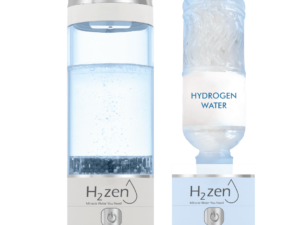 Hydrogen Water FIlter/Generator
H2zen Portable (White/ Blue)
RM2,600.00 Add to cart Buy NowRated 0 out of 5 -

-