Discover Hydrogen water for Parkinson’s at Wellness Group
One landmark trial enrolled 178 participants across 14 hospitals after a pilot showed improved UPDRS with 1,000 mL/day over 48 weeks.
The result sparked a larger, multicenter randomized design (UMIN000010014) that tested weekly home delivery and a strict three-hour drinking window to limit gas loss.
Wellness Group frames this article to set clear expectations. It summarizes animal work, human trials, and proposed mechanisms like antioxidant action and reduced inflammatory markers.
This is presented as supportive therapy alongside standard care, not a replacement. Timing, dose, and handling matter. Patients should coordinate with their neurologist.
Practical note: Wellness Group answers questions on WhatsApp at +60123822655. Business hours are Monday–Friday 9:30 am–6:30 pm and Saturday–Sunday 10 am–5 pm.
Key Takeaways
- The article reviews evidence from animal models to randomized trials and clarifies what is known and uncertain.
- Prior pilot data showed clinical score improvements, prompting a larger multicenter study with strict supply and use rules.
- Possible mechanisms include antioxidant and anti-inflammatory effects that may protect neurons.
- Use is considered supportive; timing, dose, and bottle handling affect effectiveness.
- Readers in Malaysia can contact Wellness Group via WhatsApp during listed hours for guidance aligned with current evidence.
Why interest in molecular hydrogen is rising in Parkinson’s care
Researchers and clinicians are paying closer attention to a simple molecule because of links between oxidative stress and neuron loss. Evidence shows iron buildup and lipid peroxidation with reduced glutathione in the substantia nigra in parkinson disease. These findings motivated antioxidant strategies and sparked diverse preclinical work.
The field now spans animal models, mouse model work, and early human studies. Some studies report improvements in stress markers and inflammation. Other reports show mixed results, so a larger trial approach is underway to test clinical benefit and safety.
Patients and caregivers often seek options that support quality of life while keeping established therapy as primary care. Wellness Group offers friendly, balanced guidance by WhatsApp at +60123822655 during business hours to discuss timing, dose, and feasibility.
| Evidence type | Key finding | What it means |
|---|---|---|
| Animal models | Reduced markers of oxidative stress | Supports mechanism but needs human confirmation |
| Pilot trials | Clinical score signals in small groups | Prompts larger randomized trial designs |
| Systematic searches | Mixed outcomes on google scholar | Compare authors, endpoints, and data quality |
Parkinson’s disease, oxidative stress, and the therapeutic rationale
A clear biochemical signal—iron overload, lipid oxidation, and depleted antioxidants—emerges from neuropathology reports. These changes point to a role for oxidative stress in neuron vulnerability and progressive motor decline.
Oxidative stress, iron, and glutathione changes in the substantia nigra
Studies show higher iron levels, more 4-HNE lipid damage, and lower reduced glutathione in the substantia nigra of people with parkinson disease. Such damage affects proteins and cell membranes and may speed degeneration.
Antioxidant strategies as a trend in disease-modifying research
Antioxidant approaches aim to reduce loss of vulnerable neurons while preserving normal signaling. Targeted strategies avoid broad suppression of molecules like H2O2 or NO that cells need.
“Selective reduction of the most damaging radicals may protect tissue without blocking essential signals.”
- Evidence comes from models and articles linking iron-driven reactions to lipid and protein damage.
- Selective agents such as low-dose hydrogen target hydroxyl radicals rather than all reactive species.
- Any supportive option should be discussed with a neurologist and tailored to disease stage and medications.
Readers in Malaysia can message Wellness Group on WhatsApp at +60123822655 during posted hours for clarification about how this rationale fits with current care.
What is hydrogen water and how might it work
Many people use hydrogen water as a simple, drinkable delivery of dissolved gas that may affect cell chemistry. It is plain bottled water with measured dissolved molecular hydrogen, designed for daily use.
Selective scavenging of hydroxyl radicals and signaling modulation
Molecular hydrogen selectively reduces hydroxyl radicals while leaving superoxide, hydrogen peroxide, and nitric oxide largely intact. This targeted action protects proteins and membranes without blocking essential signals.
Anti-inflammatory pathways and Nrf2/HO-1 considerations
Beyond radical scavenging, proposed effects include modulation of NF-κB and activation of Nrf2/HO-1 pathways. These changes may lower inflammatory markers and shift cellular stress responses.
- Key point: The approach aims for selective antioxidant action rather than broad suppression.
- Preclinical models map biomarkers and downstream changes that inform trials.
- Wellness Group can guide sourcing and safe integration alongside medical care via WhatsApp +60123822655.
| Mechanism | Target | Expected biomarker change |
|---|---|---|
| Selective radical reduction | Hydroxyl radical | Lower 4-HNE, less protein oxidation |
| Signaling modulation | NF-κB, Nrf2/HO-1 | Reduced cytokines, higher antioxidant enzymes |
| Clinical aim | Cell protection | Improved stress markers in models |
Hydrogen water for Parkinson’s: evidence from animal models
Preclinical experiments examined whether dissolved hydrogen could protect key neurons in toxin-driven rodent models. These studies focused on survival of dopaminergic neurons and measures of oxidative damage in the nigrostriatal system.
MPTP mouse model: dopaminergic neuron preservation
In the MPTP mouse model, drinking hydrogen water reduced dopaminergic neuronal loss in the substantia nigra pars compacta. Protection appeared at low concentrations (around 0.08 ppm) and matched effects seen near saturated levels (1.5 ppm).
6-OHDA rat model and nigrostriatal protection
Similar benefits emerged in the 6-OHDA rat model, where nigrostriatal tracts showed less degeneration after treatment. Cross-model consistency strengthens confidence in an effect that merits clinical testing.
Biomarkers: 4-HNE and 8-oxoG reductions
Biomarker data supported the neuroprotection signal. Levels of 4-HNE (lipid peroxidation) and 8-oxoG (DNA oxidation) fell in relevant pathways, while superoxide markers did not drop significantly.
- Key points: Low-dose effects, selective antioxidant action, and timed consumption are important practical notes.
- Hydrogen content declines with a half-time of ~2 hours and is nearly gone by 8 hours, so timing affected experimental design and home-use guidance.
- These animal studies are hypothesis-generating and can be located on google scholar for deeper reading.
Readers exploring preclinical evidence before speaking with their neurologist can message Wellness Group on WhatsApp at +60123822655.
For related practical guidance and product notes, see this short resource: Hydrogen water and chemotherapy.
Dose, concentration, and exposure: what preclinical data suggest
Preclinical evidence highlights that both how much dissolved gas is present and when it is taken shape outcomes in animal models.

Effective ranges in mouse model tests ran from about 0.08 ppm up to saturated 1.5 ppm, with similar protective effects noted at low and high levels.
Timing and exposure period
Content declines quickly once a bottle is opened. Measured half-life is about two hours and levels fall near zero by eight hours. That data supports a practical three-hour consumption window.
Models showed benefit when treatment began before toxin exposure and when started afterward. This suggests some flexibility in scheduling intake.
| Feature | Key point | Practical note |
|---|---|---|
| Effective range | 0.08–1.5 ppm | Low levels may be sufficient |
| Content loss | Half in ~2 hours | Drink within 3 hours of opening |
| Exposure period | Multiple weeks in tests | Consistent routine recommended |
Takeaway: Animal model data guide habits but do not guarantee human benefit. Patients in Malaysia can ask Wellness Group to help plan intake routines via practical guidance or WhatsApp +60123822655 during business hours.
Clinical evidence landscape: from pilot signals to multicenter trials
Early clinical signals prompted larger confirmatory work. Readers should view the data as exploratory until multiple, well-powered trials align.
Pilot double-blind results showing UPDRS improvement over 48 weeks
A randomized double-blind placebo-controlled pilot reported a significant improvement in total UPDRS after 48 weeks with 1,000 mL/day of the intervention. The result was encouraging but limited by sample size and follow-up scope.
Mixed outcomes in broader literature and need for confirmation
Subsequent planning led to a multicenter randomized double-blind placebo-controlled trial across 14 hospitals to test replication. Broader searches on google scholar show mixed outcomes across studies, varying by design and endpoints.
Practical points:
- The pilot provides a signal, not proof; replication matters.
- Reporting emphasizes safety, lab monitoring, and clinically meaningful measures like UPDRS over weeks of follow-up.
- Readers in Malaysia can contact Wellness Group on WhatsApp +60123822655 for friendly, evidence-aware guidance while coordinating with their neurologist.
| Study phase | Key feature | Takeaway |
|---|---|---|
| Pilot | Randomized double-blind placebo-controlled | Signal of UPDRS improvement; needs larger test |
| Multicenter trial | Standardized endpoints, 14 hospitals | Aimed at confirming initial results |
| Literature review | Varied designs on google scholar | Mixed data; authors and analysis quality differ |
Inside a randomized double-blind placebo-controlled trial design
This multicenter protocol clarifies how study operations, delivery schedules, and analysis choices aim to reduce bias and measure meaningful change.
Participants, centers, and randomization
One hundred seventy-eight patients enrolled across 14 hospitals. Sites used stratified randomization by age and levodopa use to balance key factors. Eligibility criteria and training across centers kept procedures consistent.
Intervention and practical logistics
The intervention compared 1,000 mL/day of saturated hydrogen water with a nitrogen-saturated placebo. Packaging and weekly home delivery were identical to preserve blinding. Participants were asked to consume each bottle within three hours of opening.
Endpoints, follow-up, and statistical plan
The primary endpoint was change in total UPDRS to week 72. Secondary outcomes included UPDRS II/III, PDQ-39, Hoehn & Yahr, and time to added levodopa or progression.
| Feature | Detail | Why it matters |
|---|---|---|
| Enrollment | 178 patients, 14 centers | Gives the trial power and diversity |
| Dropout assumption | 35% | Influences sample size and interpretation |
| Statistics | Two-sided α=0.05; Kaplan–Meier for protocol completion | Preplanned tests reduce bias in analysis |
Wellness Group can explain design elements in plain language via WhatsApp at +60123822655 during business hours. This helps readers interpret results in this article and plan questions for their neurologist.
Understanding endpoints that matter to patients
Clinically relevant measures help patients and clinicians see whether a treatment changes daily life, not just lab numbers. Trials pair clinician-rated scales with patient-centered questionnaires to capture both motor signs and daily function.
UPDRS parts II and III: daily function and motor signs
Part II rates activities of daily living, like dressing and eating. It shows whether a therapy alters routine tasks.
Part III is a hands-on exam of motor signs. Together, they give a fuller clinical picture than a single score.
PDQ-39 quality-of-life dimensions and clinical relevance
PDQ-39 records patient voice across mobility, emotional well-being, stigma, and social support. This helps interpret whether measured effects matter in real life.
- Assessments occur at weeks 8, 24, 48, and 72 to track trajectory, not a single time point.
- Analysis plans set thresholds that separate statistical change from meaningful improvement for daily routines.
- Safety labs and monitoring run alongside efficacy checks to support long-term decisions in chronic disease care.
Practical note: Wellness Group helps patients interpret scores and study results in plain language. Message via WhatsApp at +60123822655 for friendly, evidence-aware guidance.
Safety and tolerability considerations
Safety data in human trials to date show a generally mild side-effect profile with careful monitoring.
Selective action and expectations
The selective action of dissolved molecular gas targets the most damaging radicals while leaving normal signaling intact. This selectivity suggests fewer off-target effects than broad antioxidant strategies.
Laboratory monitoring and reported tolerability
Published study results reported no adverse effects at 1,000 mL/day over 48 weeks. The multicenter trial captured adverse events and ran routine lab panels—liver enzymes, renal markers, and lipids—to track tolerability over time.
- Individual responses vary: ongoing dialogue with a clinician is essential.
- Monitoring helps guide dose decisions and whether the trial continues for a participant.
- Long-term follow-up builds confidence about safety in chronic disease care.
| Aspect | What was checked | Findings |
|---|---|---|
| Adverse events | Weekly reporting and clinician review | Few treatment-related events; mostly mild |
| Laboratory tests | ALT/AST, creatinine, lipids | No consistent clinically significant changes |
| Practical note | Consumption timing and supply logistics | 3‑hour window and weekly delivery used in trial |
Wellness Group encourages patients to discuss any new supportive approach with their neurologist and to message via WhatsApp at +60123822655 during business hours for friendly, evidence-aware guidance.
From lab to life: stability, delivery, and practical use notes
Practical handling and delivery determine whether lab findings translate into steady daily use at home. This short guide turns trial logistics into clear steps people can follow.
Loss over time and the three-hour consumption window
The dissolved gas drops quickly after a bottle is opened. Measured half-time is about two hours and levels are near zero by eight hours.
Practical rule: drink within three hours of opening to preserve content and potential effects.
Packaging, weekly supply, and home-use logistics
Multicenter protocols used 500 mL bottles, two per day, shipped weekly to homes to support adherence. Sealed packaging and regular delivery reduced guesswork and helped keep intake steady over weeks.
Simple tips: store bottles cool, open only when ready, and plan number and timing around daily routines.
| Feature | What trials used | At-home tip |
|---|---|---|
| Bottle size | 500 mL | Two daily, morning and afternoon |
| Supply period | Weekly delivery | Keep one-week stock |
| Stability | Half-time ~2 hours; near zero by 8 hours | Consume within 3-hour window |
Wellness Group can coordinate weekly supply discussions and answer practical questions via WhatsApp at +60123822655 during listed hours. This helps turn study protocols into workable daily routines.
Where the science is heading now
Recent reviews map how protein aggregation and energy failure converge to drive neuron loss. This view links misfolded α-syn with mitochondrial stress and chronic immune activation.
Linking mechanisms: α-syn aggregation, mitochondria, and neuroinflammation
Evidence ties α-syn accumulation to impaired mitochondria, higher iron and ROS, and depleted glutathione. Those changes feed microglial activation and ongoing inflammation.
Key mechanistic targets:
- Lipid peroxidation and protein damage as measurable outcomes.
- Impaired Nrf2/HO-1 signaling and altered redox levels.
- Paths where molecular hydrogen may act as an antioxidant and signaling modulator.
Future trials: patient selection, endpoints, and combination strategies
Ongoing work will refine which patients and which stages of disease are most likely to benefit. Animal models — mouse model and rat model work — guide dose and timing but need translation.
- Clear endpoints: dopaminergic neuronal markers, lipid and protein oxidation, and daily function.
- Combination approaches testing metabolic support plus targeted therapy will expand tests.
- Searches on google scholar show mixed findings; rigorous, well‑powered studies remain essential.
Practical note: For those tracking new studies, Wellness Group can help interpret emerging findings within personal care plans via WhatsApp +60123822655.
How to evaluate studies on Google Scholar without hype
Start searches on google scholar with filters that favor human trials. This helps readers avoid lab-only articles and focus on clinical evidence.
Prioritizing randomized controlled trials over preclinical-only data
Give weight to randomized double-blind placebo-controlled reports and trials with clear blinding. Check whether authors used stratified randomization and prespecified endpoints such as UPDRS, PDQ-39, or Hoehn & Yahr.
Assessing dose, duration, and clinically meaningful outcomes
Look for papers that state dose, timing, and exposure period. Review the analysis for effect sizes and confidence intervals, not just p-values.
“Focus on design, sample size, and whether outcomes map to daily function.”
| Feature | What to check | Why it matters |
|---|---|---|
| Design | Randomized, blinded, control arm | Reduces bias and inflates confidence in results |
| Dose & timing | Specified and consistent with the test protocol | Allows replication and links preclinical data to patient use |
| Outcomes | Validated scales and effect size reporting | Shows whether changes are meaningful to patients |
Wellness Group helps readers vet sources and interpret findings. Message +60123822655 during listed hours for friendly support when reading google scholar entries or reviewing study data.
Hydrogen water for Parkinson’s in Malaysia: trends and access
Interest is rising across Malaysian clinics as families ask about supportive options that fit daily life. Local group networks and caregivers seek clear, practical steps that match culture and routines.
Patient interest, lifestyle integration, and caregiver perspectives
Practical access often mirrors trial logistics: two 500 mL bottles per day, weekly supply, and a three-hour consumption window after opening to keep content stable.
Patients and caregivers value simple rules that slot into medication and rehab schedules. Conversations with clinicians help place this therapy alongside usual care and avoid interactions.
- Interest in Malaysia grows as group support and clinic queries increase.
- Storage and timing preserve the active content; weekly delivery eases adherence.
- Reading google scholar helps, but mixed results mean caution and clinician input matter.
- Preclinical models, from mouse model to rat model tests, set realistic expectations.
- Wellness Group offers local guidance via WhatsApp +60123822655 during listed hours.
| Topic | Practical note | Why it matters |
|---|---|---|
| Supply | Weekly delivery, two 500 mL bottles/day | Keeps routine and blinding in trials; eases home planning |
| Timing | Consume within 3-hour window after opening | Preserves dissolved content and aligns with study rules |
| Evidence | Mixed clinical data; supportive animal work | Encourages measured use with clinician oversight |
Contact: Wellness Group via WhatsApp +60123822655. Business hours: Mon–Fri 9:30 am–6:30 pm; Sat–Sun 10 am–5 pm.
How Wellness Group supports informed decisions
Wellness Group helps families turn dense research reports into clear, practical steps they can try at home. They focus on calm, evidence-based guidance that respects ongoing care plans.
Friendly guidance grounded in current evidence and safety
The team reviews key articles and summarizes main results. They explain the 48-week pilot signal and the larger multicenter study in plain language.
Conversations reference google scholar entries so patients get context and avoid hype.
“They help patients weigh potential benefits against uncertainties in a calm, friendly manner.”
Coordinating with neurologists and ongoing therapies
Wellness Group helps coordinate with a patient’s neurologist. This ensures any supportive therapy complements, not conflicts with, current care.
Practical advice includes handling water, timing intake within trial-style windows, and arranging weekly delivery where useful.
| Service | What they do | Why it helps |
|---|---|---|
| Study review | Summarize articles and study results | Makes complex data usable for patients |
| Care coordination | Contact clinicians and align plans | Reduces risk and keeps therapy consistent |
| Practical support | Handling, timing, and delivery tips | Matches trial protocols and aids adherence |
Contact: Message Wellness Group on WhatsApp +60123822655. Business hours: Monday–Friday 9:30 am–6:30 pm; Saturday–Sunday 10 am–5 pm.
Contact Wellness Group today
The Wellness Group team is ready to help Malaysian patients and caregivers with friendly, evidence-aware support. They answer practical questions, review clinic notes, and explain trial details in plain language.
WhatsApp: +60123822655
Quick contact: Message the number to reach a team member who can guide next steps and clarify study points in this article. They respond to documents and links and help translate trial jargon.
Business hours
Monday: 9:30 am–6:30 pm
Tuesday: 9:30 am–6:30 pm
Wednesday: 9:30 am–6:30 pm
Thursday: 9:30 am–6:30 pm
Friday: 9:30 am–6:30 pm
Saturday: 10:00 am–5:00 pm
Sunday: 10:00 am–5:00 pm
- Friendly reviews: They can read clinic notes or study links and explain key points.
- Practical planning: Discuss weekly routines, ideal intake windows, and home supply logistics.
- Fast replies: Quick messages help families act with confidence while they consult clinicians.
| Item | Detail | Notes |
|---|---|---|
| Contact | WhatsApp: +60123822655 | Save the number and message for a prompt reply |
| Services | Document review, routine planning | Can discuss hydrogen and water handling within trial-style periods |
| Response time | Typically within business hours | Weekend replies available during listed hours |
| Follow-up | Short phone call or message threads | Helps align support with clinician advice |
| Supply planning | Weekly delivery advice | Discuss timing windows and adherence over weeks |
If readers want practical help that fits daily routines, the Wellness Group is a local, friendly resource that can walk through details step by step.
Conclusion
,In sum, current evidence combines an encouraging 48‑week pilot with a well‑designed multicenter trial and preclinical biomarker shifts that justify careful follow up.
Key takeaways: a pilot showed UPDRS improvement at 1,000 mL/day, animal data found lower 4‑HNE and 8‑oxoG in nigrostriatal pathways at low dissolved levels, and larger trials will test whether those effects translate to clear clinical benefit.
Readers should treat this option as a potential adjunct therapy, discussed with a neurologist and monitored over weeks. To plan next steps or get practical, local guidance in Malaysia, message Wellness Group at +60123822655 during listed hours.
FAQ
What evidence supports using molecular hydrogen in Parkinson’s care?
Preclinical studies in MPTP and 6‑OHDA models show protection of dopaminergic neurons in the substantia nigra and reduced markers of oxidative damage such as 4‑HNE and 8‑oxoG. Small clinical pilots reported modest improvements on UPDRS over months, but larger randomized trials are needed to confirm benefit and dose-response.
How does the proposed therapeutic mechanism relate to oxidative stress in Parkinson’s?
Researchers propose selective scavenging of hydroxyl radicals and modulation of redox signaling, with downstream effects on Nrf2/HO‑1 pathways and inflammation. These actions may reduce lipid peroxidation, protect mitochondrial function, and limit α‑synuclein aggregation in nigrostriatal neurons.
What do animal models tell clinicians about dosing and timing?
Preclinical data suggest biologic effects at a wide range of concentrations, from low parts‑per‑million up to near‑saturation. Benefits appear when exposure begins before toxin challenge and when continued after injury, indicating timing and consistent daily intake may affect outcomes.
Are there randomized double‑blind placebo‑controlled trials available?
A few trials using rigorous designs have been completed as pilots, reporting signal improvements in UPDRS over 48 weeks with 1,000 mL/day regimens. However, results across studies are mixed and larger multicenter confirmation is pending.
What endpoints do trials typically use to measure clinical benefit?
Most trials use UPDRS parts II and III to capture daily function and motor signs, plus PDQ‑39 for quality of life and Hoehn & Yahr staging for disease severity. Biomarkers and imaging are sometimes included as secondary outcomes.
Is this intervention safe and well tolerated?
Reported tolerability in clinical studies is good with few adverse events at common daily volumes. Laboratory monitoring in trials showed no consistent safety signals, but patients should consult neurologists before adding new regimens to existing therapies.
How should stability and delivery be handled at home?
Dissolved gas levels decline with time, so consumption within a few hours of opening preserves concentration. Weekly provisioning, appropriate packaging, and following manufacturer storage recommendations help maintain effectiveness.
How can clinicians and patients appraise literature on Google Scholar without hype?
Prioritize randomized controlled trials and meta‑analyses, check sample sizes, intervention details (dose, volume, duration), and clinically meaningful endpoints. Assess conflicts of interest and replicate findings across independent centers.
What biomarkers have shown change in preclinical studies?
Animal work reports reductions in oxidative markers such as 4‑HNE and 8‑oxoG, preservation of striatal dopamine and tyrosine hydroxylase‑positive neurons, and lower indicators of lipid peroxidation and DNA oxidation in nigrostriatal pathways.
Can this approach be combined with standard Parkinson’s treatments?
Trials typically allowed concurrent antiparkinsonian medications and stratified randomization accordingly. Coordination with treating neurologists is essential to monitor interactions, symptomatic response, and medication adjustments.
What practical considerations exist for patients in Malaysia seeking access?
Interest and caregiver uptake are growing. Patients should source products from reputable suppliers, verify product stability claims, and consult local neurologists. Wellness Group offers guidance and coordination with clinicians for Malaysian patients.
Where is research headed next?
Future work aims to link mechanisms—mitochondrial protection, reduced α‑synuclein aggregation, and anti‑inflammatory effects—and to run larger trials with refined patient selection, robust endpoints, and combination therapy strategies.
How does Wellness Group support decision making?
Wellness Group provides evidence‑based guidance, helps interpret trial data, assists with logistics for weekly supply, and coordinates conversations between patients, caregivers, and neurologists to ensure safe integration with ongoing care.

Khloe Tan
Khloe Tan is a Certified Nutritionist, Corporate Wellness Trainer, and Holistic Health Specialist with over 15 years of experience in the health and wellness industry. She has delivered more than 100 talks nationwide, inspiring and educating diverse audiences on nutrition, lifestyle, and sustainable wellness. Her work has positively impacted over 3,000 lives, and she continues to champion holistic approaches to well-being in both corporate and personal settings.
Feature Product
-
-
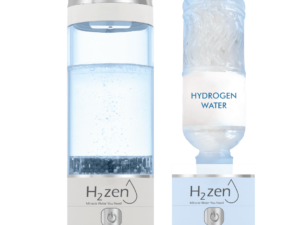 Hydrogen Water FIlter/Generator
H2zen Portable (White/ Blue)
RM2,600.00 Add to cart Buy NowRated 0 out of 5 -
-