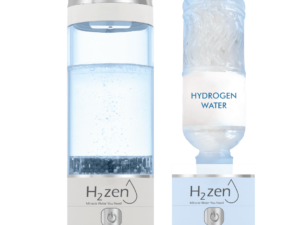
One surprising finding: small trials and animal models suggest that targeted use of molecular gas and enriched liquid can reduce treatment side effects and improve quality of life during oncology care.

Wellness Group offers daily support to people considering adjunct approaches during cancer treatment. The team explains evidence, safety steps, and how to coordinate use with oncologists. They emphasize realistic expectations and the difference between promising preclinical signals and confirmed clinical results.
Services are available Monday–Friday 9:30 am–6:30 pm and weekends 10 am–5 pm. Contact is discreet via WhatsApp at +60123822655 to discuss product education and safe-use protocols.
Key Takeaways
- Early studies show symptom relief signals, but larger trials are needed to confirm benefits.
- Delivery can be as enriched liquid or inhaled gas; mechanisms include anti-inflammatory and antioxidant effects.
- Wellness Group helps patients navigate access, cultural preferences, and coordination with care teams in Malaysia.
- Safety and compatibility with standard care are prioritized; always consult an oncologist first.
- Contact via WhatsApp +60123822655 during listed hours for guidance and support.
User intent and why hydrogen water is trending for chemotherapy support
Many people undergoing oncology care now search online for adjunct aids that may ease side effects without harming treatment outcomes.
Since about 2007, publications have described selective antioxidant action and signaling roles that sparked more clinical studies in recent years. Small trials and early reports note improvements in quality of life and liver function preservation without reducing anti-tumor activity.
- Users seek easy, palatable approaches that fit clinic schedules and daily life.
- Clinicians want concise summaries of studies and safety points to discuss with patients.
- Local concerns often focus on device reliability, cost, and product specs.
- Common goals in searches include fatigue relief, appetite improvement, and neuropathy comfort.
| Research signal | Reported effect | Common patient question |
|---|---|---|
| Selective antioxidant action | Symptom relief in small trials | Will it reduce side effects without harming therapy? |
| Inhalation and enriched liquid studies | QoL and liver markers preserved | How is concentration and timing handled? |
| Early clinical signals | Improved energy and appetite reports | Is local access and cost reasonable in Malaysia? |
Wellness Group answers questions during business hours via WhatsApp at +60123822655. Always consult your oncologist before starting any adjunct approach and align use with your specific regimen.
Defining hydrogen-rich water and molecular hydrogen in oncology
Two delivery approaches dominate clinical reports: drinkable enriched liquids and monitored inhalation protocols.
Hydrogen-rich water vs hydrogen gas inhalation
Hydrogen-rich water is plain drinking water infused with dissolved molecular gas at measurable concentrations. Clinical reports show ingestible levels around 0.27–0.65 mM (approx. 0.27–0.65 ppm). In animal setups, on-site generation kept concentrations near 900–1,000 ppb over 24 hours.
Hydrogen gas inhalation delivers H2 through a nasal cannula or mask. Several patient-based studies used a protocol with 66.7% H2 mixed with oxygen under supervision. Inhalation is usually clinic-based and monitored.
Selective antioxidant action versus general antioxidants
Molecular H2 shows selective scavenging of highly reactive radicals such as hydroxyl. That is different from broad antioxidants that can blunt useful signaling ROS.
“Selective action may preserve therapeutic redox pathways while reducing damaging radicals.”
- Small molecule size allows rapid diffusion across membranes to reach sensitive cells.
- Convenience favors drinkable formats at home; inhalation suits supervised protocols.
- Solubility, container type, and time-to-consumption matter to preserve dissolved content.
Research is ongoing across cancer types to clarify feasibility, symptom effects, and safety alongside standard therapy.
Main mechanisms under review: oxidative stress, inflammation, and immune modulation
Recent studies focus on the molecular pathways that link oxidative burden, inflammation, and immune balance during cancer care. This short overview highlights key targets and clinical hints that guide ongoing research.
Targeting hydroxyl radicals and peroxynitrite
Researchers evaluate whether molecular hydrogen can lessen oxidative stress by scavenging hydroxyl radicals and altering peroxynitrite chemistry. In an oxaliplatin model, hydrogen-rich water lowered measured OH− and ONOO− in mouse DRG and spinal cord. These changes matched reduced hypersensitivity behaviors in the animals.
Inflammation pathways and cytokines
Inflammation drives many therapy toxicities. Animal data show reduced TNF-α and IL-6 levels in neural tissues and serum after exposure to the intervention. The gut microbiota–LPS–TLR4 axis also fell in expression, suggesting a link between microbes and systemic inflammation.
Immune system balance and PD1 dynamics
Clinical inhalation reports noted normalization of lymphocyte subset profiles and shifts in PD1+ CD8+ cells when combined with checkpoint inhibitors like nivolumab. Small cohorts recorded survival and immune-marker trends that support an immunomodulatory role without harming radiotherapy efficacy.
“Mechanisms likely extend beyond pure antioxidant action to include signaling, mitochondrial support, and gene-level effects.”
- Key point: mechanistic data explain why some people report better appetite, energy, and neuropathy comfort during active therapy.
- Future studies will refine biomarker panels to link molecular changes with real-world benefits.
Evidence snapshot: hydrogen water and chemotherapy-induced neuropathic pain (CINP)
Preclinical trials reveal behavioral improvements by day ten when mice access an enriched drinking regimen during oxaliplatin exposure. These models link measurable symptom relief with shifts in microbial and immune markers.
Oxaliplatin model findings: pain thresholds and symptom alleviation
Key behavioral data showed higher pain thresholds on PWMT in C57BL/6J mice given hydrogen-rich water. By day 10, mechanical hypersensitivity improved significantly versus controls.
Gut microbiota shifts and the LPS-TLR4 pathway
The enriched drinking regimen reduced microbial diversity and altered composition. Concomitantly, circulating LPS and TLR4 expression fell in dorsal root ganglia and spinal cord.
Markers tracked: OH−, ONOO−, TLR4 expression, and microbial diversity
Oxidative stress indicators OH− and ONOO− dropped alongside lower TNF-α and IL-6 in tissue and serum. Researchers used PWMT, ELISA, and Western blot assays to quantify these changes.
| Endpoint | Direction of change | Method |
|---|---|---|
| Pain threshold (PWMT) | Increased (relief) | Behavioral testing |
| Microbial diversity | Reduced/altered | 16S sequencing |
| TLR4 & LPS | Decreased | Western blot / biochemical assay |
| OH−, ONOO−, TNF-α, IL-6 | Lowered | ELISA / oxidative assays |
Results show that sustained dissolved gas levels (~900–1,000 ppb over 24 h) matched biological effects. These data position hydrogen-rich water as a candidate adjunct to study clinically, with translation needed to map lab markers to numbness, tingling, and functional impairment in human cancer care.
Clinical signals in cancer care: what studies have shown so far
Clinical reports highlight several modest but consistent signals across small trials and observational series. These cover appetite and taste, liver protection, immune shifts, and symptom relief without obvious loss of tumor control.

QoL improvements during radiotherapy
One trial using HRW (0.55–0.65 mM) found better appetite and fewer taste problems over six weeks. Quality-of-life scores improved and radiotherapy responses remained stable.
Combination therapy outcomes
In small cohorts, inhaled gas at 66.7% and combined regimens with XELOX or nivolumab linked to longer PFS and OS trends. Immune markers and lymphocyte subsets also showed favorable shifts.
Liver protection and observational trends
Short-course HRW (0.27–0.4 ppm) reduced incidence and severity of liver injury during mFOLFOX6 without changing the chemo backbone. Other series report lower tumor markers and improved symptom burden.
| Endpoint | Reported result | Intervention |
|---|---|---|
| Appetite & taste | Improved QoL | HRW 0.55–0.65 mM |
| Liver injury | Reduced incidence/severity | HRW 0.27–0.4 ppm |
| Immune markers / PFS | Normalized subsets; longer PFS/OS (small cohorts) | Inhalation 66.7% + chemotherapy / immunotherapy |
“Signals are encouraging but need larger, controlled trials and standardized dosing.”
Takeaway: Safety and tolerability were favorable. Malaysian oncology teams may run structured pilots focused on QoL, liver function, and neuropathy endpoints.
Hydrogen water for chemo patients
Some patients and caregivers explore drinkable adjuncts that fit home routines during infusion cycles.
Hydrogen-rich water has appeared in small clinical reports alongside radiotherapy and chemotherapy to support appetite, taste, and organ protection. Animal studies also show signals that this approach can reduce neuropathic pain-like behaviors.
Use should be coordinated with the oncology team. Timing, intake amount, and concentration matter. Monitoring symptoms and liver markers helps clinicians see any signal and guard safety.
Practical tips: prepare fresh HRW, consume promptly to retain dissolved gas, and keep it as a complement to prescribed antiemetics and nutrition plans. Families often value that this approach fits infusion weeks and recovery days.
“A coordinated, patient-centered plan ensures adjuncts stay supportive without replacing standard care.”
- Who may benefit: people with taste change, poor intake, or neuropathy who want to maintain treatment intensity.
- Clinical note: track symptom diaries and relevant labs while using HRW.
| Use case | Practical step | Clinical action |
|---|---|---|
| Appetite & taste | Drink fresh HRW during meals | Record intake and weight |
| Neuropathy support | Daily sip routine during cycle | Assess pain scales weekly |
| Liver protection signals | Short-course HRW around dosing | Check LFTs per protocol |
| Home integration | Family helps prep and schedule | Share plans with care team |
Potential benefits relevant to Malaysian patients during active treatment
Practical adjuncts that slot into daily life can make a real difference to treatment tolerance and recovery.
Quality of life, appetite, taste changes, and fatigue
Radiotherapy cohorts using modest doses of enriched drinking approaches reported less appetite loss and fewer taste issues. These signals aligned with better daily intake and small gains in weight stability.
Observational series also noted improved global quality scores when inhalation-based support was added in advanced cancer care. Mental health and energy measures moved in a positive direction in some reports.
Managing side effects while maintaining treatment intensity
Maintaining dose intensity helps outcomes. Any adjunct that eases side effects may help people stay on schedule and avoid dose reductions.
Preclinical neuropathy signals give a rationale to track numbness and function closely during treatment. Dietitians can pair sipping routines with tailored meal plans to boost resilience.
“Low-burden strategies that fit family routines often win higher adherence and caregiver buy-in.”
| Benefit | Practical step | Clinical note |
|---|---|---|
| Appetite & taste | Sip fresh hydrogen-rich water around meals | Record intake and weight weekly |
| Fatigue and energy | Small, frequent fluid and nutrient boosts | Monitor activity and rest cycles |
| Neuropathy support | Daily routine during cycles; track pain scales | Report changes to oncology team |
| Caregiver ease | Prep bottles and schedule sips | Share plans with dietitian and nurse |
Outcome tracking—simple symptom scales, weight logs, and activity notes—helps patients and clinicians judge real benefit. Families in Malaysia often value low-burden options that do not add clinic visits.
Learn more about local guidance and metabolic support in related reading on hydrogen water and cholesterol.
Administration formats and practical use during chemo cycles
Simple logistics — timing, storage, and device checks — determine real-world usefulness during treatment cycles.
Ingestible enriched liquid: dosing and daily cadence
Clinical reports used enriched liquid at roughly 0.27–0.65 mM. Some real‑world devices quote ppb or ppm and target fresh, high levels close to use.
Many people split servings across the day to keep intake steady and avoid mild gastric upset. Prepare bottles shortly before sipping to preserve dissolved gas and use containers that limit loss.
Inhaled gas: clinic versus home use
Inhalation studies often used about 66.7% concentration mixed with oxygen under supervision. Clinic sessions suit those who want monitoring and immediate support.
At‑home devices exist but need verified measurement, good ventilation, and routine maintenance. Those with respiratory issues must consult both oncologist and pulmonologist before starting.
| Format | Practical tip | Clinical note |
|---|---|---|
| Enriched drink | Fresh prep; sip through the day | Log timing vs infusion |
| Inhalation | Use vetted device; ensure ventilation | Prefer supervised sessions initially |
| Device care | Check levels and filters monthly | Document maintenance |
Keep supportive care plans, antiemetics, and fluids as primary measures.
Safety profile, side effects, and compatibility with standard care
Clinical reports and small trials mostly describe a favorable safety profile when enriched liquids and supervised inhalation are added to standard oncology care. Well-tolerated use appears common, yet safe integration requires clear communication with the treating team.
Reported tolerability in clinical and observational studies
Across trials and observational series, enriched drink formats and gas inhalation were generally well tolerated. One randomized trial found that enriched liquid did not reduce radiotherapy anti-tumor efficacy.
Most adverse events were mild and transient. Some inhalation recipients reported brief drowsiness or agitation. A chemo study noted preserved liver function when enriched liquid was used alongside mFOLFOX6.
When to consult your oncologist and integrate safely
Patients on complex regimens should always consult their oncologist and disclose supplements and devices. Those using oxygen therapy, implanted devices, or with lung disease need extra review before inhalation.
Special groups—pregnant people, children, and trial enrollees—must obtain explicit approval to avoid protocol conflicts.
“Start low, observe, and document symptom trends so clinicians can evaluate any real-world effects.”
- Integration tip: begin at low exposure, track symptoms, and share data with the care team.
- Avoid unverified claims; adjunct modalities are supportive and do not replace evidence-based therapy.
- Follow device instructions, maintain equipment, and keep ignition sources away from gas systems.
Quality, concentration, and consistency: what matters in hydrogen delivery
Reproducible delivery is the practical bridge between lab findings and everyday use. Consistent concentrations and reliable devices help caregivers and clinicians judge any benefit.
Solubility, targets, and timing
Dissolved gas is volatile. Animal setups began above 1,000 ppb and held ~900–1,000 ppb under continuous bubbling.
Clinical trials used roughly 0.27–0.65 mM. Concentration falls with time and exposure, so prepare and consume soon after sealing.
Device reliability and maintenance
Select devices with clear purity specs, service history, and safety marks. Replace filters and membranes per the manufacturer to preserve function.
- Minimize agitation and wide-mouth exposure to reduce loss.
- Use bottles designed to retain dissolved content and log measured levels when possible.
- Keep devices cool, secure tubing, and follow a simple SOP so caregivers prepare consistent servings on treatment days.
| Metric | Practical target | Action |
|---|---|---|
| Initial levels | >900 ppb | Prep just before use |
| Clinical range | 0.27–0.65 mM | Verify device output |
| Device care | Service per schedule | Log maintenance |
Tip: document measured levels and share records during clinic visits. For related guidance, see guidance on use while pregnant.
Data trends: from bench to bedside in 2023-present
Momentum in translational work has increased in recent years, with more studies moving from lab models into early clinical testing. Trial registries and conference abstracts now show a steady rise in registrations since 2007 and an uptick after 2018.
Growth in registered trials and research focus areas
Publications have shifted toward human work that prioritizes quality of life, immune modulation, and organ protection over tumor shrinkage alone. Registered trials increasingly compare inhalation protocols and varied enriched-liquid concentrations.
Key gaps: dosing standards, cancer-type specificity, and long-term outcomes
Major limits include inconsistent dosing metrics and heterogeneous methods that block pooled analysis. Cancer-type specificity and durability of benefits beyond months remain open questions.
- Biomarker panels (cytokines, oxidative markers) are helping link mechanisms to patient-centered endpoints.
- Device performance reporting and cross-center collaboration would improve reproducibility.
| Focus area | Recent trend | Key gap |
|---|---|---|
| Quality of life | More pilot trials and observational results | Lack of large RCTs |
| Immune modulation | Biomarker-driven endpoints | Variable assays and timing |
| Organ protection | Short-course signals in liver and nerves | Unclear long-term safety |
| Delivery types | Inhalation and enriched drink formats | Standardized dosing frameworks |
Takeaway: current data are promising but preliminary. Clinicians and families in Malaysia should view results as signals that warrant structured trials and careful monitoring.
How mechanisms map to patient outcomes in chemo contexts
Translating lab pathways into real-world benefits requires mapping cellular effects to symptoms patients notice. Small animal and early clinical data now link reduced oxidative stress in neural tissues to measurable symptom relief during cancer therapy.
From oxidative stress reduction to symptom mitigation
In oxaliplatin models, HRW lowered markers of oxidative stress and cut TNF-α and IL-6 levels. These shifts correlated with less nerve hypersensitivity and improved mobility in test animals.
Clinical signals—including better appetite and taste—track with lower inflammation in radiotherapy cohorts. Immune subset normalization seen with inhalation also hints at supportive effects during immunotherapy.
Microbiome-immunity interactions during cytotoxic therapy
Studies show altered microbial diversity and reduced LPS‑TLR4 signaling after HRW exposure. This change may dampen neuroinflammation that drives chemotherapy-induced neuropathic pain.
- Lowering oxidative stress in nerves may reduce neuropathic discomfort during platinum therapy.
- Reduced TNF‑α and IL‑6 can ease fatigue and malaise common in cancer care.
- Microbiome shifts may modulate systemic immune signals and mucosal comfort.
“Tracking symptom clusters with simple labs can clarify who benefits most.”
| Mechanism | Potential outcome | Measure |
|---|---|---|
| Oxidative stress ↓ | Less neuropathy | Pain scales, OH−/ONOO− levels |
| Inflammation ↓ | Better appetite, less fatigue | TNF‑α, IL‑6 |
| Microbiome shift | Reduced neuroinflammation | 16S sequencing, LPS/TLR4 |
Comparing hydrogen adjunct therapy with other supportive approaches
Practical comparisons help families and clinicians choose safe, realistic supportive options during active cancer treatment. This short guide contrasts key approaches and when each may fit into a care plan.
Antioxidants and inflammation-focused strategies
Selective antioxidants appear to target damaging radicals while leaving therapeutic ROS intact. That selectivity differs from broad agents that may blunt useful treatment signals.
Anti-inflammatory diets and meds aim at similar goals: reduce cytokines and ease symptoms. The adjunct may complement these approaches by modulating redox balance without obvious interference in small studies.
Microbiome support and lifestyle measures
Dietary fiber, probiotics, and enriched drink formats both shift gut ecology, though by different mechanisms. Physical activity, sleep, and stress reduction also improve quality and may work together with adjunct options.
“Compare safety, evidence strength, and ease of use before adding multiple supplements during therapy.”
- Inhalation suits supervised settings; drinkable options are more home‑friendly.
- Avoid stacking many unproven antioxidants without oncology approval.
- Symptom journaling helps identify which combination gives the best relief with least burden.
| Supportive type | Main aim | Practical note |
|---|---|---|
| Selective antioxidant | Reduce harmful radicals | May complement anti-inflammatory care |
| Microbiome support | Modulate gut–immune signaling | Use diet and vetted probiotics |
| Lifestyle measures | Boost QoL and resilience | Easy to combine; low risk |
| Supervised inhalation | Rapid supervised delivery | Prefer clinic settings; monitor closely |
Who may benefit most: treatment stages, regimens, and symptom profiles
Certain treatment stages and symptom patterns may point to stronger signals of benefit from an adjunct enriched drink or supervised inhalation approach.
- People on radiotherapy with appetite and taste changes who seek modest quality gains.
- Those receiving mFOLFOX6 or other hepatically taxing regimens who want potential liver protection.
- Individuals due to start oxaliplatin who worry about neuropathy; preclinical results support discussion.
- Advanced NSCLC groups exploring symptom relief and immune subset support via supervised inhalation.
- Early-stage people who need low-burden options to keep work and activity routines.
Practical safeguards: review heavy antioxidant use with the care team, try small, frequent sips if GI sensitivity exists, and document baseline labs and symptom scores before a time‑limited trial.
“Not everyone will benefit equally; goal‑concordant, time‑limited trials with clear stop criteria are prudent.”
| Treatment stage | Suggested approach | Expected signal |
|---|---|---|
| Radiotherapy | Fresh enriched drink around meals | Appetite/taste improvement |
| mFOLFOX6 | Short course near dosing; monitor LFTs | Lower liver injury signals |
| Oxaliplatin | Daily sip routine; track neuropathy scales | Preclinical neuropathy relief; human data pending |
| Advanced NSCLC | Supervised inhalation sessions | Symptom and immune subset trends |
Next step: agree on measurable goals with clinicians, keep a symptom diary, and stop if no benefit or if labs change.
Malaysia-focused guidance: access, cultural preferences, and care pathways
Local clinics and family routines shape how adjunct supports are accessed across Malaysia.
The Wellness Group helps people navigate public and private oncology systems. They explain practical steps to align any adjunct approach with a treating team.

Navigating public/private oncology settings and adjunct options
In Malaysia, many move between government hospitals and private centres. That shift affects approval, pharmacy policy, and what is allowed during therapy.
Fresh enriched drink formats are usually the simplest home option, while inhalation often needs supervised clinic sessions. Cultural taste and daily rituals guide when and how an at-home routine is used.
- Ask your care team about institutional rules on adjuncts during chemotherapy and radiotherapy.
- Wellness Group decodes device specs, concentration targets, and safe-use checklists in plain language.
- They can share documentation templates to track symptoms and lab results for clinician review.
| Need | Practical step | Wellness Group help |
|---|---|---|
| Clinic alignment | Bring printed plan to appointments | Template for summaries |
| Home use | Start with fresh, small servings | Device and taste tips |
| Specialist referral | Ask for dietitian or supportive care | Coordination with local teams |
Contact Wellness Group via WhatsApp at +60123822655 for practical guidance that fits local workflows. Business hours are Monday–Friday 9:30 am–6:30 pm and weekends 10 am–5 pm.
Connect with Wellness Group for guidance and support
Wellness Group connects families with clear, clinic-aligned advice on adjunct supportive options during active cancer care.
WhatsApp: +60123822655
How they help
They offer one-to-one support to help patients and caregivers evaluate enriched drink and supervised inhalation approaches safely.
- Discuss concentration targets, timing, and practical routines during treatment cycles.
- Provide product education, safe-use protocols, and device maintenance basics.
- Share templates to track symptoms, labs, and perceived results for clinic follow‑up.
- Coordinate plans with oncology teams to reduce conflict with standard therapy and improve transparency.
“The approach is evidence-aware, friendly, and tailored to Malaysian care pathways.”
Practical note: message +60123822655 to start a personalized review. Wellness Group helps families explore this adjunct while keeping standard cancer treatment as the foundation.
Conclusion
Conclusion
In closing, the evidence and real‑world use point to cautious optimism when adjunct options are matched to clear goals and clinician oversight.
Small clinical reports showed improved appetite and taste during radiotherapy, reduced liver injury with mFOLFOX6, and inhalation-linked immune and symptom gains in advanced lung cancer. Animal work supports relief of neuropathic pain through oxidative and inflammatory pathways.
Practical advice: discuss any adjunct with the oncology team, set measurable goals, and track labs and symptoms. Success depends on reliable concentration, timing of consumption, and realistic expectations.
Wellness Group offers local guidance and coordination to help patients adopt supportive routines safely while keeping effective cancer control as the priority.
FAQ
What is the Wellness Group: Hydrogen Water for Chemo Patients – Open Daily?
The Wellness Group offers guidance and access to hydrogen-rich water products and education tailored to people undergoing chemotherapy. They provide product information, safe-use protocols, and coordination tips to help patients discuss adjunct options with their oncology team. Their service operates daily with set business hours for inquiries.
Why is hydrogen-rich water trending as a supportive option during chemotherapy?
Interest grew because molecular hydrogen shows selective antioxidant effects in lab and some clinical studies. It may reduce harmful reactive species linked to treatment side effects, modulate inflammation, and support immune balance, which can translate into improved quality of life during therapy.
What is the difference between hydrogen-rich water and inhaling molecular hydrogen gas?
Drinking hydrogen-rich water delivers dissolved gas systemically via the gastrointestinal tract, while inhalation provides a direct pulmonary route and faster blood levels. Both aim to raise systemic hydrogen, but dosing, convenience, and clinical contexts differ—ingestion is portable and home-friendly; inhalation often requires clinic equipment or a home concentrator.
How does selective antioxidant action differ from general antioxidants?
Selective antioxidants target highly reactive species like hydroxyl radicals and peroxynitrite without broadly suppressing physiological reactive oxygen species used for signaling. This selectivity may avoid interference with normal cell functions while reducing damaging oxidative stress linked to chemotherapy side effects.
What are the main biological mechanisms under study related to oxidative stress and inflammation?
Researchers focus on neutralizing hydroxyl radicals and peroxynitrite, modulating cytokine pathways such as TNF-α and IL-6, and rebalancing immune cell activity. These mechanisms aim to reduce tissue damage, lower inflammatory signaling, and support recovery during cytotoxic treatment.
Can this approach target specific radicals like OH− and ONOO−?
Preclinical and some translational studies indicate that molecular hydrogen can scavenge hydroxyl radicals (OH−) and reduce peroxynitrite (ONOO−) markers, which correlates with less oxidative injury in cell and animal models. Clinical confirmation is still emerging.
How might inflammation pathways such as TNF-α and IL-6 respond?
Studies report reductions in pro-inflammatory cytokines, including TNF-α and IL-6, after hydrogen interventions in certain settings. Lower cytokine activity may help alleviate systemic symptoms like fatigue and mucositis, but effects vary by study and patient group.
Does this approach affect the immune system and anti-tumor responses?
Early data suggest potential immune modulation—shifts in T cell subsets and markers like PD-1 have been observed in some cohorts. However, evidence is insufficient to conclude consistent anti-tumor immune enhancement or to replace established immunotherapies.
What evidence exists regarding chemotherapy-induced neuropathic pain (CINP)?
Animal models, especially oxaliplatin studies, show improved pain thresholds and reduced neuropathic signs after hydrogen interventions. Human data are limited but include small trials and observational reports indicating symptom alleviation in some patients.
Are there links to gut microbiota changes and the LPS-TLR4 pathway?
Research shows shifts in microbial diversity and decreased LPS-TLR4 signaling in animal studies following hydrogen exposure. These changes may reduce systemic inflammation and contribute to symptom improvement, but human microbiome data are preliminary.
Which clinical outcomes have studies reported so far?
Trials and observational reports note improvements in quality of life during radiotherapy, protection of liver function markers during chemo, reduced fatigue, and symptom relief. Some cohorts report stable progression-free survival, but larger randomized trials are needed to confirm efficacy.
Has combining hydrogen interventions with standard cancer therapies shown safety or benefit?
Available studies suggest good tolerability and no obvious interference with anti-tumor effects in small cohorts. Combination therapy outcomes in lung and colorectal cancer groups reported symptomatic benefits, but robust evidence for survival advantage is limited.
What potential benefits might Malaysian patients expect during active treatment?
Practical benefits include improved appetite, reduced taste changes, less fatigue, and overall quality-of-life gains reported in some studies. Cultural preferences and access to products or devices will shape uptake and adherence in Malaysia.
How is administration typically handled during chemo cycles?
Ingestion protocols in studies vary by ppm ranges and dosing cadence—common regimens use multiple daily intakes around treatment days. Inhalation is delivered via controlled concentrations in clinic or with home devices. Patients should follow product-specific instructions and discuss timing with their oncology team.
What safety and side effect data exist?
Clinical and observational studies report high tolerability with few adverse events. Because evidence is not exhaustive, patients must consult their oncologist before starting any adjunct to ensure compatibility with chemotherapy, immunotherapy, or other supportive measures.
How should quality and concentration be assessed in products or devices?
Key considerations include solubility, reliable ppb/ppm targets, and stability from preparation to consumption. Device reliability, filter and material purity, and manufacturer maintenance protocols affect consistency. Choose products with transparent testing and reputable suppliers.
What are the major research trends from 2023 to present?
The field shows growth in registered trials, expanded focus on dosing standards, microbiome-immune interactions, and symptom-centered endpoints. Major gaps remain in standardized dosing, cancer-type specificity, and definitive long-term outcome data.
How do proposed mechanisms map to real patient outcomes during chemotherapy?
Mechanisms such as reduced oxidative stress and lower inflammatory cytokines align with observed symptom mitigation—less fatigue, lower liver enzyme spikes, and improved mucosal recovery. Translational links need further clinical validation across larger, diverse populations.
How does this adjunct compare with other supportive strategies like antioxidants or probiotics?
Molecular interventions offer selective antioxidant action compared with broad antioxidants, and they may complement anti-inflammatory or microbiome-support strategies. Each approach has distinct mechanisms and evidence bases; multi-modal supportive care often yields the best results when coordinated with the oncology team.
Who may benefit most from adding this support during treatment?
Patients experiencing treatment-related fatigue, appetite and taste disturbances, mild liver enzyme elevations, or neuropathic symptoms may see benefit. Suitability depends on treatment stage, regimen intensity, and individual risk profiles; clinical advice is essential.
How can Malaysian patients access resources and support from Wellness Group?
Patients can contact Wellness Group via WhatsApp at +60123822655 for product education, safe-use guidance, and coordination with care teams. Business hours are Monday–Friday 9:30 am–6:30 pm and Saturday–Sunday 10 am–5 pm.
When should a patient consult their oncologist before starting this adjunct?
Consult an oncologist before initiating any new supplement or device—especially during active chemotherapy or immunotherapy—to review interactions, timing relative to infusion, and monitoring plans. The oncology team can advise on individualized integration with standard care.