Hydrogen Water and Alcohol Detoxification: Wellness Group Malaysia
Surprising fact: a small dissolved-gas half-life of about two hours can erase much of a drink’s lab-tested benefit within a working day.
Wellness Group Malaysia presents an evidence-focused guide that explains what this approach is, what the science shows, and how to use it safely.
The article summarizes cell, animal, and human data from sources such as google scholar. It covers mechanisms that lower harmful acetaldehyde in liver cells, markers of oxidative stress like 8-oxo-dG and 4-HNE, and clinical changes in antioxidant potential.
Readers will get practical tips on timing, storage, degassing risks, and realistic expectations. Wellness Group offers local support via WhatsApp at +60123822655, with business hours Monday–Friday 9:30 am–6:30 pm and Saturday–Sunday 10 am–5 pm.
Key Takeaways
- Evidence links dissolved gas levels to measurable antioxidant benefits in adults.
- Cell and animal studies show reduced acetaldehyde and oxidative markers.
- Keep intake within short serving windows to preserve dissolved gas.
- Not a cure—best used as an adjunct within broader safety habits.
- Contact Wellness Group Malaysia for personalized, practical guidance.
What hydrogen water is and why it matters for alcohol detox in Malaysia
Clear definitions make it easier for Malaysians to match lab findings to daily choices. In this article, the active agent is molecular hydrogen dissolved in the bottle, not minerals or pH. Hydrogen water refers to this specific form: a water containing measurable levels of dissolved gas.
From electrolytic production to molecular form: definitions that count
Electrolytic systems produce enriched solutions at the cathode. Reported dissolved levels range from LV1: 780–830 ppb up to LV4: 1260–1350 ppb. Cell studies show effects scale with concentration and vanish after degassing.
“Measured concentration and serving timing determine whether lab results translate to real use.”
How Wellness Group approaches use and safety
Wellness Group helps Malaysians pick certified devices and verify levels with testing. Counsel covers storage, serving windows (often within a couple of hours), and simple routines that fit busy lives.
- Focus on tested concentration rather than marketing claims.
- Match device choice to goal, using verified analysis and published study ranges.
- Ask questions via WhatsApp at +60123822655 during business hours.
For further reading and related practical guidance, see this wellness post. Professionals may also consult google scholar for primary study details cited in the article.
Hydrogen water and alcohol detoxification
Safer, science-backed, practical guidance—this short guide translates lab findings into steps Malaysians can try around social drinking.
User intent at a glance: actionable, cautious, local
People search for simple steps that fit busy lives. The evidence shows supportive effects without promising cures.
In hepatocyte tests, electrolytic preparations lowered markers linked to cell death during ethanol exposure. In mice, prior intake reduced fatty liver signs and pro‑inflammatory cytokines.
Those findings suggest real but limited benefits: buffered pathways tied to acetaldehyde handling and oxidative balance. These are lab and preclinical signals, not guarantees for humans.
- Keep servings fresh and avoid degassing to preserve dissolved gas.
- Use short timing windows: before and after events rather than long storage.
- Compare with saline controls in studies to set realistic expectations.
Wellness Group offers friendly, tailored advice in Malaysia. Message via WhatsApp at +60123822655 during listed hours for practical tips and device choices. For primary studies consult google scholar.
How alcohol burdens the body: acetaldehyde, oxidative stress, and liver health
Liver processing strains defenses. After a drinking episode, the organ converts ethanol in steps that create reactive intermediates. These steps can shift balance toward cellular stress and measurable harm.
Reactive oxygen species, lipid peroxidation, and oxidative damage explained
Metabolism increases reactive oxygen species that attack membranes. Lipid peroxidation follows, which weakens organelles and alters function.
That cascade raises markers of oxidative damage and changes redox levels. Over time, this promotes tissue injury and greater disease risk across the liver spectrum.
ADH and ALDH: the enzymes that turn ethanol into acetaldehyde and acetic acid
Alcohol dehydrogenase converts ethanol to acetaldehyde, a highly reactive molecule that forms adducts with proteins and DNA. Aldehyde dehydrogenase normally shifts acetaldehyde into acetic acid, but when overwhelmed, buildup depletes glutathione and accelerates reactive oxygen production.
- Practical point: excess exposure increases lipid peroxidation and can lead to cell death in hepatocytes.
- Monitoring oxidative stress levels helps researchers test interventions in this article and on google scholar.
The science behind molecular hydrogen and reactive oxygen species
Selective scavenging: targeting hydroxyl radicals without disrupting physiology
Selective action means the agent removes the most damaging radicals while leaving signaling species intact.
This selective scavenging helps preserve normal cell activity and reduces acute oxidative damage in ischemia/reperfusion and neurodegeneration models.
Oxidative stress, cell death, and antioxidant potential
In multiple models, lowered oxidative stress linked to fewer signs of cell death and better tissue function.
Some analyses report unchanged superoxide signals, which supports a targeted antioxidant effect rather than global suppression.
What “measured using” biomarkers like 8-oxo-dG and 4-HNE tells us
- 8-oxo-dG / 8-oxoG: reflect oxidation of nucleic acids and track DNA damage.
- 4-HNE: indicates lipid peroxidation and membrane injury.
- Human trials report higher biological antioxidant potential (BAP) and reduced PBMC apoptosis after weeks of intake.
- Timing and concentration matter: dissolved levels fall in minutes to hours, so serving windows align with observed benefits.
Cell-level evidence: electrolytic hydrogen water protects hepatocytes from ethanol stress
In vitro experiments using HepG2 cells tested whether enriched solutions reduce toxic intermediates after an ethanol challenge.
HepG2 study overview: reduced cytotoxicity and intracellular acetaldehyde
The model exposed cells to 4% ethanol, which cut survival by about half. Electrolytic hydrogen water improved viability versus filtered controls.
Measured using standard cell viability assays and acetaldehyde quantification, treated cells showed lower intracellular acetaldehyde and fewer signs of oxidative damage.
Mechanisms: suppressing ADH, activating ALDH
Activity assays indicated suppressed alcohol dehydrogenase and boosted aldehyde dehydrogenase after administration of enriched solution. This dual action reduced formation and sped clearance of toxic intermediates.
Concentration link and loss of effect after degassing
Benefits scaled with concentration, strongest near 780–1350 ppb H2. When samples were autoclaved or degassed, protection vanished.
| Sample | Dissolved H2 (ppb) | Cell viability vs control |
|---|---|---|
| Filtered water | ~0 | Baseline (reduced by 50% with 4% ethanol) |
| EHW LV1 | 780–830 | Partial protection (↑ viability) |
| EHW LV4 / matched hydrogen-rich | 1260–1350 | Strongest protection (near-normal viability) |
| Degassed / autoclaved | ~0 | No protection |
- Analysis shows pH-neutralized samples kept benefits, so pH was not the driver.
- Timing over minutes to hours after preparation is crucial to match lab concentrations.
Practical takeaway: in this cell model, maintaining sufficient dissolved hydrogen at administration time produced a clear protective effect against ethanol-induced cell death. These findings support targeted, evidence-aligned use but are not clinical proof.
Animal and preclinical insights on oxidative damage and neuroprotection
Preclinical models give a clear window into how dissolved gas intake affects tissue under acute redox stress.
Mouse models: reduced 8-oxoguanine and 4-HNE in toxin challenges
In a Parkinson’s disease model using MPTP, mice that drank enriched solution showed less dopaminergic neuron loss.
Treated animals had lower 8-oxoG and 4-HNE in the nigrostriatal pathway, indicating reduced DNA and lipid injury.
“Behavioral scores improved alongside tissue markers, pointing to functional protection in these models.”
Implications for lipid peroxidation and mitochondrial health
Benefits appeared at low dissolved levels (~0.08 ppm), suggesting timing and availability matter more than large peaks.
Degassed or alkalinity-only controls did not help, while saline controls confirmed the effect was not from minerals or pH.
- Mechanism insight: MPP+ exposure was unchanged, so downstream redox modulation likely explains protection.
- Practical point: the roughly two‑hour half-life guided administration to match peak availability.
- Relevance: preserved mitochondrial markers and lower lipid peroxidation support possible resilience against neurodegenerative processes.
| Model | Key marker change | Concentration tested | Control outcome |
|---|---|---|---|
| MPTP mice | ↓ 8-oxoG, ↓ 4-HNE, preserved neurons | ~0.08 ppm | Degassed/alkaline: no benefit |
| Behavioral tests (open-field) | Improved locomotion and scores | Timed administration within ~2 hrs | Saline: no change |
| Rat model (toxin stress) | Lower lipid peroxidation, better mitochondrial markers | Low–moderate concentrations | Alkalinity-only: no change |
While rodents are not humans, these consistent signals strengthen the case that timely, repeated administration can reduce oxidative damage and support mitochondrial health. For related practical guidance see the cleansing post at hydrogen water for cleansing.
Human data on hydrogen water: antioxidant capacity and inflammatory signaling
Human trials provide a practical bridge between cell models and daily use. A double-blind randomized trial (n=38) tested 1.5 L/day for four weeks and measured blood markers, gene activity, and cell survival.
Randomized trial: 1.5 L/day and biological antioxidant potential
The study reported higher biological antioxidant potential (BAP) in people aged 30 and above versus placebo. Overall BAP rose in both arms, but the older subgroup saw a larger gain with the tested intake.
PBMC apoptosis reduction and down-regulated NF-κB pathways
Apoptosis in peripheral blood mononuclear cells fell significantly with the intervention, indicating preserved cellular resilience.
Transcriptomic analysis showed lower expression of TLRs, MYD88, and NFKB1, pointing to reduced inflammatory signaling in blood.
“Blood-level changes complement preclinical signals of a protective effect on cells and oxidative stress.”
- CD14+ frequency decreased, supporting an immune shift.
- 8-OHdG, a marker of nucleic acids oxidation, fell in both groups, showing assay sensitivity to study conditions.
- FDA lists the agent as GRAS in beverages, adding regulatory context for consumers.
Practical note: the trial dose (1.5 L/day) is feasible in Malaysia and aligns with scheduling that preserves active concentration during daily activities.
From theory to practice: potential protective effect against alcohol-related oxidative stress
Translating controlled experiments into everyday routines reveals steps that could lower cellular stress during and after social drinking.
Preclinical data in mice found reduced fatty liver and lower pro‑inflammatory cytokines when intake occurred before exposure. In cell work, treated HepG2 cultures showed less cytotoxicity tied to improved acetaldehyde handling.
A randomized human trial added real-world context: daily intake raised systemic antioxidant potential and reduced inflammatory signaling in blood. These signals together support a modest protective effect against short‑term oxidative stress.
“The goal is not to negate risk but to support cells so recovery is smoother and less damaging over time.”
Because benefits appear sensitive to concentration and timing, practical use favors fresh servings before events and brief follow-up doses in the first hours after exposure. Simple habits—minimal shaking, closed containers, and quick consumption—help keep active levels available.
People with higher baseline oxidative load or older adults may see clearer gains, echoing age‑stratified trial results. Anyone with liver disease should consult a clinician; this approach is supportive, not a treatment for disease.
| Evidence source | Key finding | Practical takeaway |
|---|---|---|
| Mice (pre‑drinking) | ↓ fatty liver, ↓ cytokines | Intake before exposure may reduce early inflammation |
| HepG2 cell model | ↓ cytotoxicity via acetaldehyde handling | Timing and concentration drive cell‑level protection |
| Human RCT (1.5 L/day) | ↑ antioxidant potential, ↓ inflammatory markers | Daily, timed intake can yield systemic signals |
Practical plan: prepare fresh servings to cover the first few hours, spread the number of servings across the event, and ask Wellness Group for Malaysia-specific routines that fit social schedules.
Timing and intake: how to drink hydrogen water around alcohol exposure
Small, timed doses across an event can preserve active concentrations when they matter most.
Pre-drinking and post-exposure administration: what studies suggest
Models show that taking a fresh serving before drinking reduces the initial oxidative surge in liver cells. Mice and cell tests favored pre-administration for better handling of toxic intermediates.
Resume intake soon after the last drink to cover the minutes-to-hours window when acetaldehyde and reactive oxygen species remain elevated. Degassed samples lose effect, so fresh servings matter.
Daily consumption, min-to-hour windows, and maintaining concentration
Human trials used 1.5 L per day split across sessions. A practical plan is 2–4 servings spaced to match a roughly two‑hour decline in dissolved levels.
Tip: capped bottles, minimal shaking, and small, frequent pours keep levels higher during events.
| Timing | Why it helps | Practical serving |
|---|---|---|
| Pre-drinking | Targets initial oxidative surge | One fresh serving 10–30 min before |
| During event | Covers ongoing exposure | Small non-alcoholic serving mid-event |
| Post-drinking | Supports clearance in first 1–2 hrs | One serving within 60–120 min after last drink |
| Daily routine | Maintains systemic activity | 1.5 L divided into 2–4 servings across day |
- Note: higher concentrations gave clearer cell protection in tests; modest levels helped in some mice models.
- Adjust timing by personal response and consult Wellness Group via WhatsApp for Malaysia‑specific routines.
EHW vs hydrogen-rich water vs alkaline-only water: what actually works
Clear lab comparisons separate marketing from measurable activity. What the experiments show is simple: benefits track with dissolved gas concentration at the time of administration, not with pH or incidental minerals.
Why alkalinity or metal ions are not the active factors
Neutralized samples kept protection in cell and animal tests, which means alkalinity alone did not drive the effect. Matched saline or Mg(OH)2 controls failed to protect in the same models.
In mice, alkaline-only solutions and degassed samples showed no benefit, ruling out metal ions or salts as the mechanism.
Dissolved hydrogen levels, stability, and degassing considerations

Autoclaving or leaving bottles open removed the protective effect in tests. The roughly two-hour half-life means lost gas equals lost activity.
- Both EHW and properly prepared hydrogen-rich water matched for concentration reproduced top outcomes in hepatocyte and mice models.
- Degassed controls and alkaline-only solutions did not protect; the key agent is hydrogen gas in solution.
- Practical steps: use validated production methods, test levels when possible, store sealed, and plan administration within the stability window.
Bottom line: choose systems that deliver verified dissolved levels, consume fresh servings, and base routines on measured concentration to align real-life use with the study results cited on google scholar.
Safety, contraindications, and sensible use alongside responsible drinking
A sensible plan blends tested intake timing with standard harm‑reduction practices for safer consumption.
Regulatory context matters: the ingredient is listed as GRAS by the FDA when used in beverages, and a randomized trial found good tolerability at 1.5 L/day over four weeks with reduced PBMC apoptosis and lowered inflammatory signaling.
Not a medical treatment: this approach should not replace clinical care. People with liver disease, chronic conditions, those on medications, and pregnant individuals should consult a clinician before changing routines. See specific pregnancy guidance at hydrogen water while pregnant.
“If any adverse symptoms occur, stop use and seek medical advice; wellness tools must not mask signs that need evaluation.”
- Pair intake with moderation, proper hydration, and food to lower overall risk.
- Athletes or highly stressed people may time doses around peak oxidative stress to support recovery without encouraging more drinking.
- Dependency, misuse, or withdrawal require professional support; this is not a behavioral treatment.
- Consider interactions with supplements or therapies that target redox pathways and coordinate care to avoid overlap.
Wellness Group offers non‑judgmental, Malaysia‑focused guidance. Message via WhatsApp at +60123822655 during business hours: Mon–Fri 9:30 am–6:30 pm; Sat–Sun 10 am–5 pm.
Keep expectations realistic: benefits are adjunctive, vary by baseline oxidative stress and lifestyle, and recording simple notes on intake and response can help tailor a safer plan.
Who might benefit: from occasional drinkers to at-risk groups
Not everyone sees the same benefit; patterns of lifestyle and age shape outcomes. Human trials show larger antioxidant gains in adults aged 30 and above. Preclinical data point to clearer effects when baseline oxidative load is high.
Lifestyle, stress, and oxidative load considerations
Simple routines can fit busy Malaysian schedules. Those who drink occasionally and want to lower next‑day oxidative load may find a fresh serving before and after events helpful.
Who to consider: people with high lifestyle stress, poor sleep, heavy training, or sensitivity to after‑effects. PBMC apoptosis fell in trials with regular intake, suggesting cellular resilience may improve.
“This approach is supportive, not a treatment for disease; at-risk individuals should seek clinical advice.”
| Group | Why it may help | Practical tip |
|---|---|---|
| Adults ≥30 | Greater BAP gains in trials | Schedule 1–2 servings around events |
| High-stress workers | Higher oxidative burden, repeat effects | Use small, frequent servings during busy days |
| Fitness-focused users | Support for recovery and cell health | Time intake around training and social events |
| At‑risk families | Family history of liver disease or other diseases | Consult a clinician before use |
Wellness Group can tailor a plan that matches device access, cultural habits, and daily routines. For study details, search google scholar for primary sources cited in this article.
How Wellness Group supports alcohol detoxification with hydrogen water
Wellness Group builds brief, practical plans that link lab findings to everyday routines in Malaysia. The team translates study data into usable steps that respect cultural norms and busy schedules.
Program design, monitoring, and evidence-aligned recommendations
Simple, research-aligned volumes: programs use daily targets near 1.5 L split into 2–4 servings to match trial designs and preserve antioxidant activity.
Device choice, concentration checks, and storage rules are standard parts of enrollment. Staff advise sealed bottles, minimal shaking, and quick consumption to avoid degassing.
Monitoring focuses on easy wellness markers: sleep, perceived recovery, and routine consistency. They set realistic milestones and compare outcomes to expected study effects such as raised BAP and lower PBMC apoptosis.
Malaysia-focused guidance and culturally relevant best practices
Advice integrates meal timing, hydration customs, and local event habits so programs fit social life without disruption. Workplaces get tailored playbooks for corporate events.
“Education links key mechanisms—ADH/ALDH modulation and NF-κB signaling—to each practical step so clients understand the why behind the plan.”
- Device support: selection help and troubleshooting.
- Real-time help: check-ins and adjustments via WhatsApp at +60123822655.
- Flexible goals: pre-event servings, post-event routines, and weekly consistency targets.
| Service element | What it covers | Why it matters |
|---|---|---|
| Program volume | ~1.5 L/day divided | Matches trial that raised antioxidant potential |
| Device & testing | Selection, concentration checks | Ensures activity is present at intake |
| Storage protocol | Sealed, minimal shaking, timed servings | Prevents degassing and loss of benefit |
| Monitoring | Sleep, recovery, adherence | Simple markers linked to outcomes |
For quick guidance or bookings, message Wellness Group on WhatsApp at +60123822655. Business hours: Mon–Fri 9:30 am–6:30 pm; Sat–Sun 10 am–5 pm.
Contact Wellness Group in Malaysia
Reach out to the Wellness Group team in Malaysia for fast, practical help tailored to your routine. Message the team on WhatsApp at +60123822655 for friendly answers and quick bookings.
Business hours are listed to make planning easy:
- Monday: 9:30 am–6:30 pm
- Tuesday: 9:30 am–6:30 pm
- Wednesday: 9:30 am–6:30 pm
- Thursday: 9:30 am–6:30 pm
- Friday: 9:30 am–6:30 pm
- Saturday: 10:00 am–5:00 pm
- Sunday: 10:00 am–5:00 pm
They can help choose equipment, set timing around social events, and keep dissolved H2 levels stable with simple daily habits. Ask for evidence summaries, quick-start checklists, or a personalised plan that fits Malaysian schedules.
“Save the WhatsApp number now so guidance is a tap away whenever questions arise.”
Book a consultation to review goals, current routines, and any health considerations. The group also offers reminders, troubleshooting, and event best-practice guides for corporate or family gatherings.
SEO notes: integrating related keywords naturally for better discoverability
Focus on clarity. Use terms that match reader intent so searches for reactive oxygen species or oxidative stress return useful, evidence-aligned guidance.
Include measured using phrases when describing biomarkers like 8-oxo-dG and 4-HNE. That helps users find the article when they search tests, analysis, or study methods on google scholar.

Keywords that map to practical points
Balance search terms with plain language. Mention administration timing, model types (cell, mice, human), concentration and levels, and production stability. Note the roughly two-hour decline in dissolved levels and that degassing abolishes effects.
“Alkalinity or metal ions alone did not reproduce benefits in saline controls.”
- Use measured using when citing biomarker analysis.
- State model and test type to match academic searches.
- Be clear about administration timing and daily consumption amounts like the 1.5 L/day trial.
| Search term goal | Where to use | Why it helps |
|---|---|---|
| reactive oxygen species | Intro + biomarker paragraph | Matches mechanistic searches |
| oxidative stress | Outcomes and disease relevance | High‑intent health queries |
| measured using (8-oxo-dG, 4-HNE) | Methods and analysis sentences | Supports academic lookups on google scholar |
Conclusion
Summing the evidence shows which steps can support recovery after social events without overclaiming.
The article’s cross‑model analysis finds consistent antioxidant signals: lowered markers of oxidative stress like 8‑oxoG and 4‑HNE, higher BAP in adults over 30, reduced PBMC death, and clearer enzyme activity for acetaldehyde handling.
Key practical points are simple—use fresh servings timed around exposure windows, avoid degassing, and aim for trial‑aligned routines such as ~1.5 L/day split across the day. Success depends on levels, concentration, and timing shown in cell, mice, and human analysis.
This approach complements moderation, good sleep, diet, and hydration but does not treat disease. For Malaysia‑specific plans, device help, or study summaries, message Wellness Group on WhatsApp at +60123822655 during business hours to get tailored support and move forward with confidence.
FAQ
What is electrolytic hydrogen water and how does it differ from molecular hydrogen gas?
Electrolytic hydrogen water is produced by electrolysis, which generates dissolved molecular hydrogen (H2) in drinking fluid. The key difference is form: molecular hydrogen refers to the gas-phase molecule that dissolves into the liquid and exerts biological effects by scavenging reactive oxygen species like hydroxyl radicals. In practice, devices that create electrolytic water aim to maintain a stable dissolved H2 concentration to achieve antioxidant activity without changing pH or introducing heavy metals.
How might dissolved H2 affect alcohol-related oxidative stress?
Dissolved H2 appears to reduce oxidative damage markers such as 8-oxo-dG and 4-HNE in cell and animal models by selectively neutralizing the most damaging reactive oxygen species. In hepatocyte studies, it lowered cytotoxicity and intracellular acetaldehyde, suggesting less lipid peroxidation and preserved mitochondrial function. These effects point to a potential protective role against ethanol-induced oxidative stress.
Are there human trials showing benefits from daily consumption of hydrogen-rich water?
Yes. Randomized trials reported that 1.5 L/day increased biological antioxidant potential and reduced peripheral blood mononuclear cell (PBMC) apoptosis, with associated down-regulation of NF-κB inflammatory signaling. Some analyses found larger benefits in adults aged 30 and above. Results support antioxidant and anti-inflammatory effects but warrant larger, longer studies for definitive clinical claims.
What biomarkers do researchers use to measure oxidative damage and protection?
Common biomarkers include 8-oxo-dG for nucleic acid oxidation, 4-HNE for lipid peroxidation, and assays of biological antioxidant potential. Studies also measure reactive oxygen species production, mitochondrial health, and apoptosis rates in cells, as well as serum markers in animal models. These provide objective insights into oxidative injury and protective effects.
How should someone time intake relative to alcohol exposure for the best results?
Pre-drinking administration and continued post-exposure consumption both appear useful in preclinical work. Maintaining dissolved H2 levels during the min-to-hour windows surrounding ethanol intake seems important. Practical guidance often suggests starting before alcohol intake and continuing for several hours afterward to sustain antioxidant activity.
Does alkalinity or added minerals drive the observed benefits?
Evidence indicates that alkalinity or metal ions are not the active factors. Studies that control for pH and mineral content show that dissolved molecular hydrogen concentration predicts effects. When samples are degassed to remove H2, protective benefits are abolished, underscoring the role of the gas molecule itself.
What mechanisms explain reduced intracellular acetaldehyde in hepatocyte studies?
Cell-level research suggests multiple mechanisms: suppression of alcohol dehydrogenase (ADH) activity, activation of aldehyde dehydrogenase (ALDH), and reduction of oxidative stress that otherwise impairs detox pathways. These combined effects can lower acetaldehyde accumulation and related cytotoxicity in liver cells.
Are there safety concerns or contraindications for routine consumption?
Routine intake at concentrations tested in clinical studies has shown good tolerability. Users should avoid relying on it as a substitute for medical care or safe drinking practices. People with serious medical conditions, those taking specific medications, or pregnant individuals should consult a healthcare provider before regular use.
Who might benefit most from incorporating hydrogen-rich beverages into a wellness plan?
Occasional drinkers seeking to reduce oxidative burden, adults with higher lifestyle-related oxidative stress, and individuals concerned about inflammation or mitochondrial health may see potential benefits. Programs targeting at-risk groups often pair intake with lifestyle modifications to lower total oxidative load.
What preclinical evidence supports neuroprotective effects?
Animal models report reduced markers of nucleic acid oxidation and lipid peroxidation, such as lower 8-oxoguanine and 4-HNE, along with improved mitochondrial indicators. These findings suggest potential neuroprotection in contexts of oxidative injury, although translation to humans requires more clinical research.
How does Wellness Group Malaysia incorporate this evidence into practice?
Wellness Group designs programs aligning with current evidence: recommending practical intake schedules, monitoring antioxidant markers when appropriate, and tailoring advice to Malaysian cultural and lifestyle contexts. Their approach emphasizes safe use alongside responsible drinking and broader detox strategies.
How stable is dissolved molecular hydrogen and how does degassing affect efficacy?
Dissolved H2 stability depends on concentration, container type, temperature, and time. Degassing removes the molecule and removes biological effects in studies, so maintaining concentration through proper storage and timely consumption is important to preserve antioxidant potency.
Where can someone in Malaysia get reliable guidance or book a consultation?
Wellness Group Malaysia offers support and bookings via WhatsApp at +60123822655 during business hours: Mon-Fri 9:30 am–6:30 pm and Sat-Sun 10:00 am–5:00 pm. They provide program design and monitoring grounded in published cell, animal, and human research.
What additional keywords relate to this topic for further reading in Google Scholar?
Useful search terms include reactive oxygen species, oxidative stress, antioxidant activity, lipid peroxidation, 8-oxo-dG, 4-HNE, PBMC apoptosis, NF-κB, mitochondrial health, HepG2, ADH, ALDH, dissolved hydrogen concentration, degassing, animal model, and biological antioxidant potential.

Khloe Tan
Khloe Tan is a Certified Nutritionist, Corporate Wellness Trainer, and Holistic Health Specialist with over 15 years of experience in the health and wellness industry. She has delivered more than 100 talks nationwide, inspiring and educating diverse audiences on nutrition, lifestyle, and sustainable wellness. Her work has positively impacted over 3,000 lives, and she continues to champion holistic approaches to well-being in both corporate and personal settings.
Feature Product
-
-
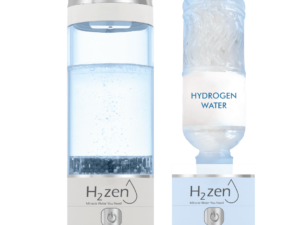 Hydrogen Water FIlter/Generator
H2zen Portable (White/ Blue)
RM2,600.00 Add to cart Buy NowRated 0 out of 5 -
-