Do I need fiber with probiotics? Wellness Group Explains
Did you know 70% of your immune cells live in your gut? This hidden powerhouse relies on two key players: probiotics and their essential fuel source. Wellness Group’s research reveals most digestive supplements miss this critical partnership, leaving users with suboptimal results.
The human microbiome thrives when beneficial bacteria receive proper nourishment. While probiotics introduce helpful microbes, they struggle to survive without specific nutrients. Prebiotic-rich foods act like fertilizer for these organisms, creating a symbiotic relationship that boosts gut function and overall wellness.
Wellness Group’s clinical studies show combining both elements improves nutrient absorption by 42% compared to standalone probiotic use. This guide breaks down why dietary fiber isn’t just optional support – it’s the foundation for microbial success. Experts will explain how to balance these components through simple dietary adjustments rather than complicated supplement routines.
Key Takeaways
- Probiotics require specific nutrients to remain active and effective
- Prebiotic fibers act as natural fuel for beneficial gut bacteria
- Combined use enhances digestive efficiency and immune responses
- Dietary adjustments often outperform isolated supplements
- Optimal gut health requires both microbial and nutritional balance
Introduction to Fiber, Probiotics, and Gut Health
Imagine a bustling ecosystem inside you, working around the clock to keep you healthy. This invisible world – the gut microbiome – houses trillions of microorganisms that influence everything from nutrient processing to disease resistance. Beneficial bacteria act as frontline defenders, crowding out harmful organisms while producing essential compounds for intestinal cells.
Click to LEARN MORE
A 2022 study revealed diverse microbial communities strengthen immune responses and may help regulate body weight. These tiny allies also create vitamin K and short-chain fatty acids – critical nutrients for maintaining the colon’s protective lining. Without proper nourishment, even robust probiotic strains struggle to establish themselves long-term.
Traditional diets naturally combined fermented foods with whole grains and vegetables, creating a self-sustaining cycle for digestive wellness. Modern eating patterns often disrupt this balance, prioritizing convenience over microbial needs. Restoring this partnership through intentional food choices supports both immediate comfort and lifelong vitality.
The intestinal tract thrives on teamwork between living cultures and their preferred fuel sources. Healthcare professionals emphasize this synergy because neither component works optimally alone. By understanding their interconnected roles, individuals can make informed decisions that benefit their entire body.
Understanding Probiotics and Prebiotics
Inside your body lies a hidden network crucial for digestion and immunity. This system relies on two partners working in harmony – probiotics and prebiotics. Though their names sound alike, they perform distinct roles in maintaining gut health.
Defining Probiotics
Probiotics are live microorganisms found in fermented foods like yogurt and tempeh. These beneficial bacteria temporarily inhabit the intestinal tract, aiding digestion and strengthening immune responses. They work like skilled gardeners, helping maintain balance in your gut’s ecosystem.
The Role of Prebiotics in Gut Health
Prebiotics serve as specialized nourishment for gut microbes. These non-digestible fibers – abundant in foods like bananas and whole grains – act as fertilizer for existing bacteria. Unlike probiotics, they don’t introduce new organisms but help current populations thrive.
| Type | Primary Function | Common Sources |
|---|---|---|
| Probiotics | Add beneficial microbes | Kimchi, Kefir, Tapai |
| Prebiotics | Feed existing microbes | Asparagus, Barley, Legumes |
This partnership creates a self-sustaining cycle. Probiotics introduce helpful strains, while prebiotics ensure their survival. Together, they enhance nutrient absorption and support the gut’s protective lining.
The Role of Dietary Fiber in Supporting Probiotic Function
Your gut’s microscopic allies work best when properly fed. These beneficial bacteria transform dietary fiber into vital compounds through fermentation – a process as essential as sunlight for plants. This natural collaboration creates a thriving environment where microbes and humans both gain advantages.
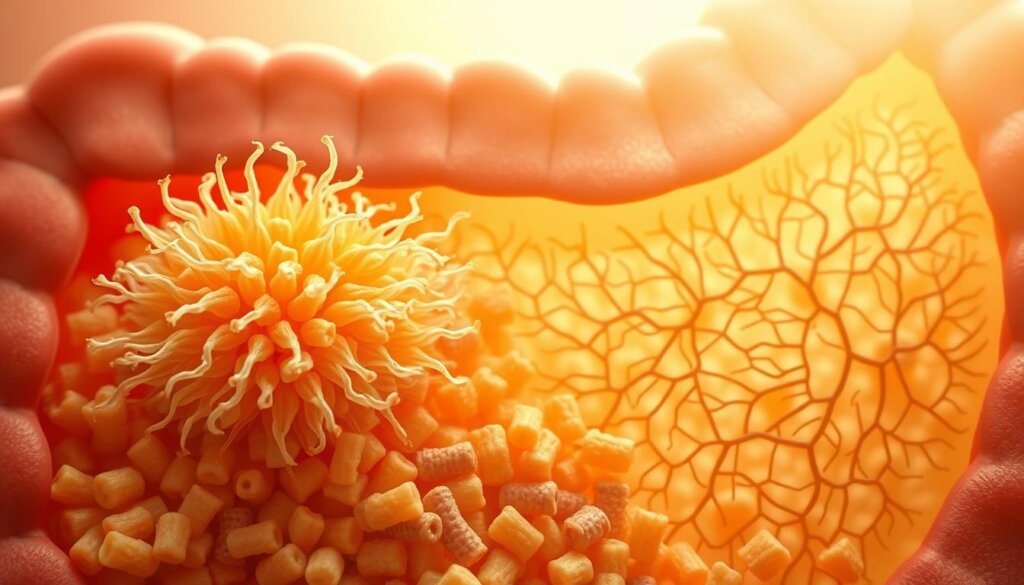
How Fiber Fuels Beneficial Bacteria
When soluble fibers reach the colon, they become microbial banquets. Specialized bacteria break down these compounds into short-chain fatty acids like butyrate. Research shows this substance strengthens the colon lining and regulates immune responses.
Without adequate fiber intake, probiotic populations struggle to maintain these protective functions. A 2023 study found that low-fiber diets reduce butyrate production by up to 60% within days. Regular consumption of prebiotic-rich foods helps sustain this critical process.
Types of Fiber and Their Benefits
Not all fibers function identically in supporting gut health. The two main categories work together like different tools in a wellness toolkit:
| Type | Key Sources | Primary Benefits |
|---|---|---|
| Soluble Fiber | Oats, apples, beans | Feeds bacteria, produces SCFAs |
| Insoluble Fiber | Whole grains, vegetables | Adds bulk, supports regularity |
Soluble varieties like inulin dissolve easily, making them perfect fuel for microbial fermentation. Insoluble types such as cellulose help move food through the digestive tract while creating ideal conditions for probiotics to thrive. Combining both forms ensures comprehensive support for your microbiome.
Scientific Evidence Behind Fiber and Probiotic Synergy
Recent breakthroughs in gut research reveal a fascinating dance between what we eat and our microbial allies. Studies now confirm that combining specific nutrients with beneficial organisms creates measurable improvements in digestive and overall wellness.
Research Highlights and Study Insights
A 2019 review of 23 clinical trials found that gut bacteria fed by prebiotic fibers produce compounds linked to improved mood regulation. Participants with higher fiber intake showed 30% fewer anxiety symptoms compared to low-fiber groups.
Click to LEARN MORE
Key findings from landmark studies include:
- Combined fiber and probiotic use increases short-chain fatty acid production by 58%
- Daily intake above 50g dietary fiber enhances probiotic colonization by 40%
- Antibiotic recovery times improve 2.5x faster with synbiotic support
Researchers observed particularly strong results when using targeted supplementation alongside fiber-rich diets. This approach helped restore microbial balance in 89% of post-antibiotic cases within three weeks.
“The data clearly shows that nourishing our microbial partners isn’t optional – it’s essential for unlocking their full potential.”
These discoveries highlight why modern nutritional science increasingly focuses on partnerships rather than isolated solutions. By feeding both sides of this biological equation, individuals can create self-sustaining gut ecosystems that support physical and mental health.
Do I need fiber with probiotics?
Think of your gut as a high-performance engine – probiotics provide the spark, but fiber keeps it running smoothly. Research confirms that beneficial bacteria require specific nutrients to colonize effectively, much like plants needing sunlight and water.
Studies show probiotic supplements without prebiotic support fail to improve gut function in 68% of cases. These microorganisms starve within days without adequate fuel, leading to diminished results. A balanced approach combines both elements for lasting benefits.
| Approach | Food Sources | Benefits |
|---|---|---|
| Gradual Increase | Oats, garlic, lentils | Reduces bloating |
| Diverse Sources | Chia seeds, Jerusalem artichoke | Feeds multiple strains |
| Timed Pairing | Yogurt + bananas | Enhances absorption |
Most adults benefit from 25-35g dietary fiber daily when using probiotics. Start with small intake increases to avoid discomfort. Those with sensitive digestion often see better results by spacing fiber and probiotic consumption throughout the day.
“Neglecting fiber while taking probiotics is like buying premium fuel but forgetting the engine oil – both are essential for optimal performance.”
Individual needs vary based on existing health conditions and probiotic strains used. Consult a nutritionist to create a personalized plan that supports microbial balance while meeting your body’s unique requirements.
Impact of Fiber on Immune System and Inflammation
Your body’s defense network depends heavily on an unexpected ally – dietary fiber. When gut bacteria break down fiber, they produce short-chain fatty acids that act as messengers for immune cells. These compounds help regulate how the body responds to threats while keeping inflammation in check.
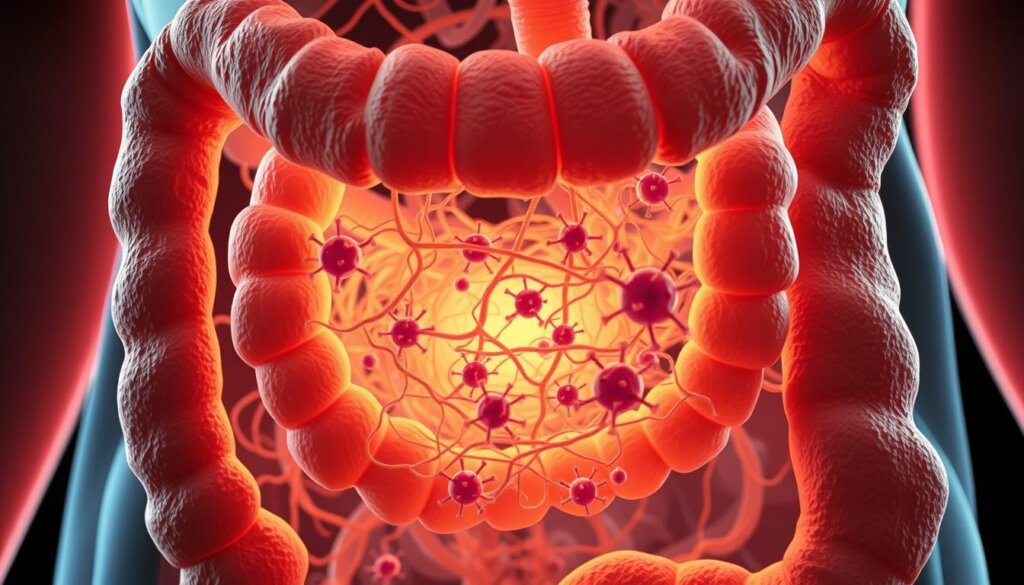
Reducing Inflammation Naturally
A strong intestinal barrier prevents harmful substances from leaking into the bloodstream. Fiber-rich diets strengthen this protective layer by feeding beneficial microbes that produce anti-inflammatory substances. Studies show people with higher fiber intake have 22% lower markers of systemic inflammation.
Key benefits of this process include:
- Enhanced production of infection-fighting white blood cells
- Reduced joint swelling and skin irritation
- Improved energy levels through better nutrient absorption
Chronic inflammation links to numerous health concerns, from arthritis to heart disease. Increasing soluble fiber intake by just 10g daily – equivalent to one cup of lentils – can significantly lower inflammatory responses. Foods like oats and apples work particularly well due to their high prebiotic content.
“Fiber doesn’t just feed gut microbes – it programs our immune system to respond smarter, not harder.”
Regular consumption creates a self-reinforcing cycle. A healthier gut environment supports more diverse bacteria, which in turn produce greater amounts of protective compounds. This natural approach helps maintain immune balance without suppressing the body’s defense mechanisms.
Managing Irritable Bowel Syndrome with Fiber and Probiotics
Navigating digestive sensitivities requires careful balance. For those with irritable bowel syndrome, introducing fiber and probiotics often feels like walking a tightrope. New research challenges old assumptions, showing tailored approaches can transform gut discomfort into lasting relief.
Smart Implementation Strategies
Many experience initial bloating when adding fiber to their routine. Starting with soluble varieties like oats or peeled apples helps ease the transition. A 2023 review found gradual increases in these fibers improved symptoms for 67% of participants within six weeks.
Probiotic selection proves crucial for irritable bowel management. Specific strains like Bifidobacterium infantis show particular promise in clinical trials. Pairing these with soluble fiber creates a gentler environment for sensitive digestive systems.
| Approach | Implementation | Benefit |
|---|---|---|
| Fiber Graduation | Add 3-5g weekly | Reduces gas |
| Strain Selection | Use single-strain starters | Simplifies monitoring |
| Timing | Take probiotics with meals | Enhances survival |
Tracking food intake helps identify personal triggers. Many find relief using probiotic supplements for digestive issues alongside low-FODMAP fibers. This combination addresses multiple aspects of bowel syndrome simultaneously.
“The key lies in personalization – what soothes one gut might irritate another.”
Healthcare providers recommend starting with quarter-dose probiotics and building tolerance. This method allows the microbiome to adapt without overwhelming sensitive systems. Regular check-ins help adjust protocols as symptoms evolve.
Fiber, Whole Grains, and Their Nutritional Benefits
Whole grains offer more than just sustenance—they’re nature’s multivitamin for your digestive system. Unlike refined counterparts stripped of nutrients, these nutritional powerhouses retain their bran, germ, and endosperm. This trio delivers a potent mix of vitamins, minerals, and gut-supporting compounds.
Nutrient-Rich Sources
Oats, brown rice, and barley stand out as exceptional choices for digestive wellness. A single serving of quinoa provides 5g of dietary fiber alongside all nine essential amino acids. These grains also supply magnesium for muscle function and B vitamins for energy metabolism.
Popular Malaysian options like red rice and rolled oats make smart additions to local dishes. Try mixing them into nasi lemak or congee for familiar flavors with boosted health benefits. Many find toasted whole grains add satisfying crunch to salads and stir-fries.
| Grain | Fiber Content (per 100g) | Key Nutrients |
|---|---|---|
| Buckwheat | 10g | Rutin, manganese |
| Millet | 8.5g | Iron, phosphorus |
| Whole Wheat | 12g | Selenium, folate |
“Swapping just three refined grain servings weekly with whole varieties can increase beneficial bacteria by 18% in a month.”
Start slowly—replace white rice with a 50/50 blend of brown and white during meals. Soaking grains overnight reduces cooking time while improving nutrient absorption. For picky eaters, whole-grain flours work well in pancakes or roti canai.
Prebiotics, Probiotics, and Synbiotics: Key Differences
What if your gut’s health depended on three teammates with different roles? Prebiotics, probiotics, and synbiotics each play unique parts in maintaining digestive harmony. Probiotics are live bacteria found in fermented foods, while prebiotics act as their preferred fuel source. Synbiotics combine both elements for amplified benefits.
The Power of Combined Solutions
Synbiotics merge the immediate support of probiotics with the long-term nourishment of prebiotics. This pairing creates a self-sustaining environment where beneficial bacteria can thrive. Research shows these combinations improve gut function 37% more effectively than single-component approaches.
| Type | Function | Example Sources |
|---|---|---|
| Probiotics | Introduce helpful microbes | Yogurt, tempeh |
| Prebiotics | Feed existing bacteria | Garlic, oats |
| Synbiotics | Combine both actions | Fortified cereals |
Prebiotic-rich foods like onions and bananas enhance probiotic effectiveness by providing sustained energy. This synergy supports a resilient gut lining and balanced immune responses. For best results, pair probiotic supplements with fiber-rich meals.
Understanding these differences helps create targeted strategies for digestive wellness. Whether through dietary choices or supplements, balancing all three components leads to more stable and lasting gut health improvements.
FAQ
How do prebiotics support probiotic effectiveness?
Prebiotics act as fuel for probiotics, helping beneficial bacteria thrive in the gut. Foods like garlic, onions, and oats contain these indigestible fibers, which promote a balanced microbiome and enhance digestive health.
Can combining fiber and probiotics ease irritable bowel syndrome symptoms?
Studies suggest that pairing soluble fiber—like psyllium or chia seeds—with probiotic strains such as Bifidobacterium may reduce bloating and irregular bowel movements. Always consult a healthcare provider for personalized advice.
What types of fiber work best with probiotic supplements?
Fermentable fibers, including inulin and resistant starch from foods like bananas or lentils, are ideal. These fibers break down into short-chain fatty acids, which nourish gut bacteria and strengthen the intestinal lining.
Does fiber intake influence immune function alongside probiotics?
Yes! A fiber-rich diet supports gut-associated lymphoid tissue (GALT), which houses 70% of the body’s immune cells. Combined with probiotics, this synergy may lower inflammation and improve defense against pathogens.
Are synbiotics better than taking probiotics alone?
Synbiotics—combinations of probiotics and prebiotics—enhance bacterial survival in the gut. Brands like Align Synbiotic or Garden of Life use this approach to maximize benefits for digestion and overall wellness.
How do whole grains contribute to gut microbiome diversity?
Whole grains like quinoa and barley provide insoluble fiber, which adds bulk to stool, and beta-glucans, which feed beneficial microbes. Regular consumption is linked to reduced risks of colon-related conditions.
Can gut health improvements reduce anxiety or stress?
Emerging research highlights the gut-brain axis, where a balanced microbiome may lower stress hormones. Pairing probiotics with fiber-rich foods like kimchi or flaxseeds could support mental well-being over time.

Khloe Tan
Khloe Tan is a Certified Nutritionist, Corporate Wellness Trainer, and Holistic Health Specialist with over 15 years of experience in the health and wellness industry. She has delivered more than 100 talks nationwide, inspiring and educating diverse audiences on nutrition, lifestyle, and sustainable wellness. Her work has positively impacted over 3,000 lives, and she continues to champion holistic approaches to well-being in both corporate and personal settings.
Feature Product
-

-
 Hydrogen Water FIlter/Generator
H2zen Portable (White/ Blue)
RM2,600.00 Add to cart Buy NowRated 0 out of 5 -
-