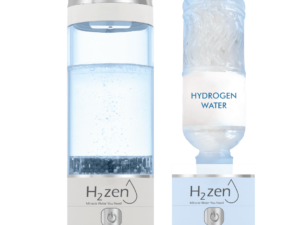
Hydrogen Water for Recovery at Wellness Group
One trial found lower muscle damage markers and less soreness in elite fin swimmers after a 3-day preload and a high-dose test day. This result hints at meaningful effects on short-term regeneration and jump performance.
Wellness Group in Malaysia outlines how measured dosing and timing can support athletes and active adults during training. Clinicians tie that evidence to real plans that combine nutrition and sport medicine.
Readers will see clear, practical steps — from pre-session dosing windows to simple tests like countermovement jump and session RPE to track progress. The guide reviews randomized, double-blind trials and hands-on protocols used by trained staff.
Key Takeaways
- Controlled studies report real performance and soreness benefits in athletes.
- Targeted dosing windows may matter around training and competition.
- Wellness Group integrates protocols with sports medicine and nutrition.
- Simple metrics—CMJ, soreness, RPE—help monitor effects.
- Contact Wellness Group via WhatsApp +60123822655 to book; hours Mon–Fri 9:30 am–6:30 pm, Sat–Sun 10 am–5 pm.
Why Hydrogen Water for Recovery Matters Today
Athletes and coaches are trying low-friction strategies to speed post-session readiness without hurting long-term gains. Simple, schedule-friendly options can fit into busy training blocks and competition windows across Malaysia.
Early studies show reduced soreness (VAS) and lower CK with improved CMJ at 12 hours after heavy double sessions. Other trials report higher total power and more repetitions across six resistance sets, suggesting effects that matter within 12–48 hours.
The appeal lies in selectively blunting harmful oxidative stress while keeping beneficial signaling intact. That balance makes it different from broad antioxidant megadoses.
“Measurable outcomes and individual response drive program refinement over the first four weeks.”
- It complements sleep, nutrition, mobility, and load management—nothing replaces those basics.
- Wellness Group guides clients on realistic expectations and tracking to see if hydrogen water moves the needle.
- Clients can message Wellness Group on WhatsApp +60123822655 to ask how this fits their current routines.
What Is Hydrogen Water and How It Works
A simple sip can carry a molecule small enough to reach mitochondria and alter oxidative signaling.
Hydrogen water is regular water infused with dissolved molecular hydrogen at study doses of about 0.9–1.6 ppm. These preparations often show an ORP near −650 mV and a neutral to slightly alkaline pH.
Molecular hydrogen, free radicals, and reactive oxygen species
The molecule diffuses rapidly across membranes and into mitochondria. It selectively neutralizes the most damaging free radicals—hydroxyl radicals and peroxynitrite—while sparing signaling species like hydrogen peroxide and nitric oxide.
From oxidative stress to muscle damage: the recovery connection
By lowering oxidative stress, this approach may limit oxidative damage to lipids, proteins, and DNA. That can reduce markers of muscle damage, such as elevated CK, and lower soreness after hard exercise.
| Property | Typical Value | Likely Effect |
|---|---|---|
| Dissolved gas | ~0.9–1.6 ppm | Rapid tissue diffusion |
| ORP | ≈ −650 mV | Favors reductive environment |
| Selectivity | Targets hydroxyl & peroxynitrite | Preserves signaling radicals |
| Performance link | Mitochondrial support | May improve ATP, reduce soreness |
- Delivery via drinking is portable and easy to fit into training routines.
- Device choice and concentration matter for consistent effects.
Evidence Snapshot: What Studies Say Right Now
Controlled experiments in athletes have highlighted brief but measurable shifts in neuromuscular output and perceived soreness.
Elite fin swimmers: In a randomized, double-blind, placebo-controlled crossover study (n=12), participants consumed hydrogen-rich water using a 3‑day preload and a high-dose test day. At 12 hours after two sessions, blood CK fell (156±63 vs 190±64 U/L; p=0.043), soreness VAS improved (34±12 vs 42±12 mm; p=0.045), and CMJ rose (30.7±5.5 vs 29.8±5.8 cm; p=0.014).
Resistance training: In trained males (n=18) a 7‑day preload increased total power (50,866.7±6,359.9 vs 46,431.0±9,376.5 W; p=0.032) and reps (78.2±9.5 vs 70.3±9.5; p=0.019). Fatigue markers were tracked up to 48 hours to map time-specific effects.
Reviews and limits: Systematic review and review meta-analysis trends point to gains in antioxidant status and perceived fatigue, yet emphasize small samples and heterogeneity in doses, packaging, and protocols. Larger RCTs would clarify the size and timing of any practical effect.
| Trial | Design & n | Main outcome |
|---|---|---|
| Fin swimmers | Randomized, crossover; n=12 | Lower CK, less soreness, +CMJ at 12 h vs placebo |
| Resistance training | Counterbalanced; n=18 males | Higher total power and reps across 6 sets vs placebo |
| Systematic reviews | Multiple small RCTs pooled | Trends to better antioxidant markers; mixed performance effects |
Hydrogen Water for Recovery: The Main Benefits
Many athletes now look for targeted, low-risk strategies that might shave hours off soreness and boost next-day output. This section summarizes the main benefits reported in trials and reviews, and how those effects may matter during dense training blocks.
Reduced oxidative damage and inflammation
Research shows that hydrogen-rich water can moderate oxidative stress and blunt inflammation signals after hard sessions. Trials report higher antioxidant markers such as SOD and lower lipid peroxidation (TBARS, MDA).
Longer protocols in team sports recorded favorable cytokine shifts, including reduced TNF-α over weeks, which may help limit downstream tissue damage.
Perceived soreness, neuromuscular function, and performance markers
Users and trials often note lower soreness VAS at 12–24 hours and reduced blood CK in small athlete studies. Neuromuscular proxies like CMJ rose in swimmers at 12 hours, aligning with less perceived fatigue.
- Performance: Some resistance studies show higher total power and more reps across sets.
- Biomarkers: Lower CK, reduced MDA/TBARS, and improved SOD appear in controlled trials.
- Practical note: Benefits stack best with good sleep, electrolytes, and nutrition.
| Measure | Reported change | Timing |
|---|---|---|
| Soreness (VAS) | Lower | 12–24 h |
| CK | Reduced | 12 h |
| Antioxidant (SOD) | Increased | Days–weeks |
To read the clinical details behind these findings, see the linked study summary on hydrogen water research at Wellness Group.
Mechanisms Explained: Antioxidant, Anti-inflammatory, and Mitochondrial Effects
Several molecular actions combine to protect cells and support performance after intense training. These mechanisms explain why small biochemical shifts can change soreness and markers of muscle damage.
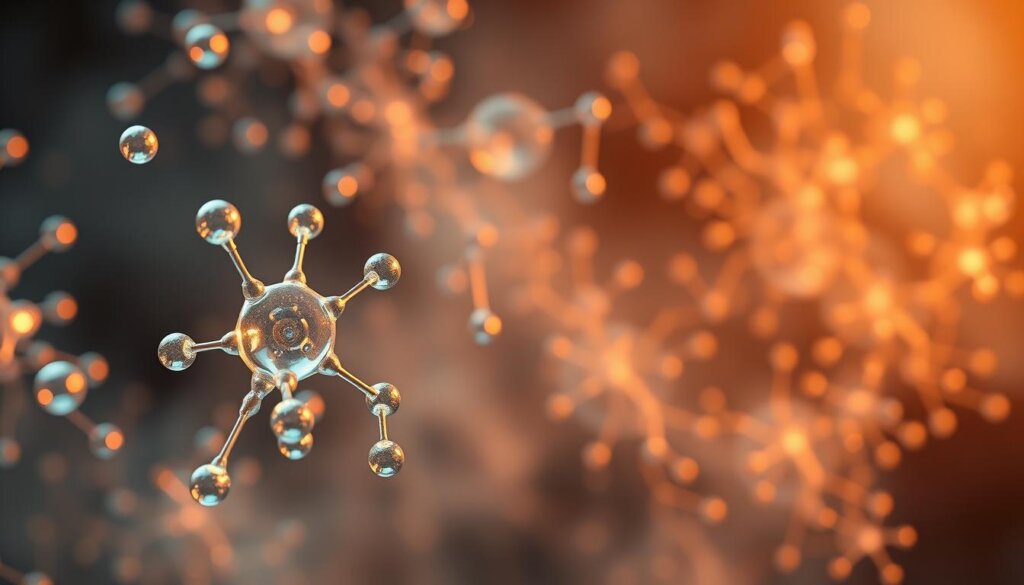
Selective scavenging of hydroxyl radicals and peroxynitrite
Molecular hydrogen selectively neutralizes the most reactive species—hydroxyl radicals and peroxynitrite—limiting collateral damage to proteins and lipids. This selectivity preserves key signalling molecules like superoxide, hydrogen peroxide, and nitric oxide.
Signal modulation, Nrf2, and mitochondrial bioenergetics
Activation of Nrf2 may upregulate endogenous antioxidant enzymes, creating a hormetic-like benefit instead of blunt suppression.
- By sparing NO and H2O2, the approach keeps vascular and cellular communication intact, aiding training adaptations.
- Improved mitochondrial respiration can lift ATP output and support repeated high-intensity efforts.
- Anti-inflammatory and anti-apoptotic effects reduce leukocyte-driven secondary muscle damage after hard bouts.
- Rapid diffusion and exhalation of the molecule contribute to good tolerability and practical use around sessions.
In short, these converging effects—antioxidant action, gene modulation, and better bioenergetics—help explain observed drops in soreness and CK, and the preservation of neuromuscular function seen in trials. Outcome size still depends on dose, timing, and product stability, so structured protocols remain important.
Who Can Benefit: Athletes, Healthy Adults, and Those in Rehab
Clinicians at Wellness Group tailor adjunct therapies to athletes, rehab patients, and everyday exercisers. They match short monitored trials to each sport and medical need.
Competitive athletes with dense schedules may use targeted dosing to manage soreness and maintain readiness between sessions. Team players and endurance competitors can trial pre- and post-session routines during key blocks.
Healthy adults who train regularly may see help keeping session quality without stimulants. Resistance trainers sometimes report preserved power and more reps during peaking phases.
In sports medicine and rehab, the approach can complement protocols that reduce inflammation and support tissue resilience. Youth athletes should follow supervised plans to match nutrition and load.
| Group | Evidence | Expected benefits |
|---|---|---|
| Elite swimmers & sprinters | Small RCTs | Lower soreness; better neuromuscular output |
| Resistance & team sports | Controlled trials | More power, sustained reps |
| Active adults & patients chronic | Clinical studies | Antioxidant and endothelial support |
Individual response varies. Wellness Group runs short monitored trials and links plans to sports medicine oversight. Contact WhatsApp +60123822655 during business hours to discuss next steps.
How Wellness Group Integrates Hydrogen-Rich Water into Recovery Plans
A practical plan pairs targeted intake around hard sessions with core sports medicine practices.
Wellness Group personalizes protocols to training load, session density, and sport demands. Plans often start with a 3–7 day preload to stabilise exposure before key blocks.
Pre-, intra-, and post-exercise protocols tailored to training loads
Pre-session boluses ensure dissolved gas is present at exercise onset. Typical pre doses match study patterns and are timed 30–60 minutes before high-intensity work.
Intra-session sips (for example, ~210 mL between sets) help sustain levels during repeated efforts or long sessions. Post-session intake targets early signalling and perceived soreness.
An evening or pre-sleep dose may extend exposure through key overnight windows, reflecting effective trial designs.
Stacking with hydration, nutrition, and sports medicine best practices
Protocols are layered onto core hydration, electrolytes, and carbohydrate strategies to support performance and adaptation.
- Coordinate protein and carbs timing to support repair without blunting training signals.
- Schedule manual therapy, mobility work, and load management alongside intake for synergy.
- Education covers quality, storage, and consumption timing to preserve concentration and effect.
| Element | Typical approach | Why it matters |
|---|---|---|
| Preload | 3–7 days before heavy blocks | Stabilises baseline exposure |
| Pre-session | Bolus 30–60 min pre | Ensures presence at exercise onset |
| Intra-session | Small sips (≈210 mL) during sets | Maintains levels during repeats |
| Post & evening | Immediate post + bedtime dose | Supports early signalling and overnight restoration |
Monitoring uses CMJ, session RPE, soreness scales, and simple biomarkers. The group adjusts dose and timing in real time based on objective and subjective feedback.
To get a personalised hydrogen water integration plan, consult Wellness Group via hydrogen water integration plan or message WhatsApp +60123822655 during business hours.
Practical Protocols: Drinking Hydrogen-Rich Water for Results
This section lays out simple, trial-backed intake patterns athletes can test around hard sessions. It gives clear short-term templates and daily targets that match published trial designs.
Short-term strategies around training days
Three-day preload: Aim for ~1,260 mL per day for three days before a peak session. On the key day, split 2,520 mL into targeted servings: 420 mL pre-session, 210 mL between sets, and 420 mL before sleep.
Daily consumption targets and timing windows
For weeklong blocks, trial ~1,920 mL daily with five split doses around resistance exercise. Take a pre-session serving 15–30 minutes before warm-up to ensure presence at exercise onset.
- Use small sips (~200 mL) during long or repeated-set sessions to maintain exposure.
- Take an immediate post-session dose and an evening serving to extend overnight availability.
- Coordinate these intakes within overall water consumption goals and add electrolytes in hot, humid conditions.
| Plan | Example split | Why it helps |
|---|---|---|
| 3-day preload | 1,260 mL/day | Stabilises baseline exposure |
| Key day | 420 mL pre, 210 mL intra, 420 mL night | Targets training windows |
| 7-day block | ~1,920 mL split doses | Maintains steady exposure |
Track response over 2–4 weeks and refine timing based on CMJ, soreness, and session RPE to see if this approach improves next-day performance.
Safety, Tolerability, and Who Should Consult First
Real-world monitoring suggests tolerability is high when dosing follows trial patterns and split servings. Most human studies report no serious adverse events and rapid exhalation after diffusion.
Device-made preparations usually show neutral-to-slightly alkaline pH and a negative ORP. That lab profile and studied volumes align with regular hydration practices and simple dosing splits to reduce GI discomfort.
Clients with complex medical histories should consult clinicians first. This includes patients chronic conditions, those on prescription regimens, pregnant people, and anyone with fluid restrictions or kidney concerns.
- Molecular hydrogen and water consumed at studied volumes have a favourable safety profile.
- Split dosing and aligning intake to normal fluids helps reduce mild stomach upset.
- Those under anti-doping rules can note this is not on prohibited lists.
- Quality and packaging matter to avoid contaminants and to ensure accurate dosing.
Wellness Group screens histories and monitors sleep, hydration, and training load to separate product effects from other factors. If any adverse symptom appears, users should stop and consult their provider immediately. Message WhatsApp +60123822655 during business hours for tailored guidance.
Quality Matters: Choosing Hydrogen-Rich Water and Devices
Not all products deliver study-grade concentrations or stable performance over time. Athletes and coaches should prioritise transparent specs and packaging that preserve dissolved gas until use.
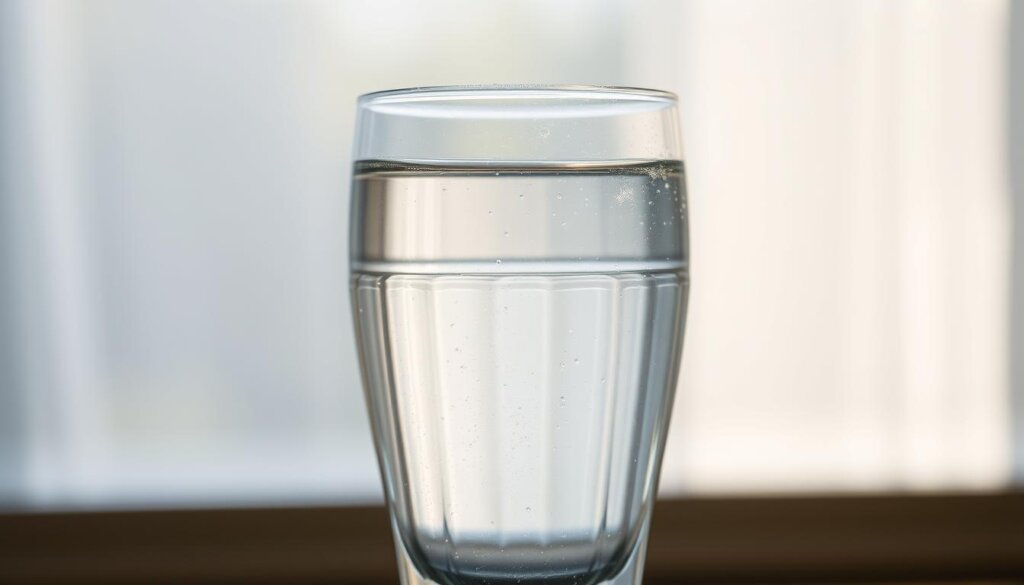
Key lab markers: study-grade preparations show dissolved hydrogen concentrations near 0.9–1.6 ppm, an ORP close to −650 mV, and a pH around 7.7–7.9. These numbers help match clinical research and expected effects on muscle function.
Dissolved concentration, ORP, and pH basics
Measure, don’t guess. Look for quantified ppm and reported ORP/pH on batch data. Independent verification—test reagents or third-party reports—adds confidence.
Packaging, stability, and dosing consistency
- Choose gas-tight, light-protective bottles (420 mL units match many trials).
- With electrolytic generators, consume immediately after preparation to avoid rapid loss.
- Keep dosing volumes consistent and track timing to reproduce study-like effects during training and competition.
- Assess supplier transparency, device maintenance needs, and travel-friendly options.
“Reliable specs and simple dosing make the difference between a lab result and real-world benefit.”
Wellness Group helps clients select validated options suited to Malaysian training schedules and field conditions.
Sports-Specific Notes: Endurance, Team Sports, and Resistance Training
Coaches can use brief intake windows to keep athletes sharp late in matches and long training days.
Endurance athletes may trial pre- and post-key workouts to aid aerobic capacity and maintain late-stage effort quality. Some studies report lower lactate and better anaerobic outputs after short monitored protocols.
Team sports benefit from split dosing on match days and during congested fixtures to manage soreness and readiness. Juvenile soccer players showed improved oxidative and inflammatory markers after eight weeks of structured use.
Resistance lifters can expect support in maintaining power and repetitions across multiple sets. Trials at ~70% 1RM reported higher total power and extra reps across six sets.
- Tailor total fluid to Malaysia heat and humidity to avoid electrolyte dilution.
- Adjust timing for early sessions, travel, and double-days to sustain exposure.
- Keep logs of CMJ, soreness, and session RPE to spot sport-specific trends.
- Coordinate with coaches to align intake with tactical and conditioning goals.
- Reassess by block to continue, modify, or pause based on observed benefits.
| Sport | Suggested timing | Reported benefit |
|---|---|---|
| Endurance | Pre + post key workouts | Lower lactate; preserve late sprint output |
| Team sports (soccer players) | Split dosing on match days | Improved oxidative and inflammatory markers |
| Resistance | Pre, intra, post sets | More power & reps across sets |
Understanding the Data: Placebo Controls, Effect Sizes, and Real-World Meaning
Careful appraisal of trial design helps separate true physiological benefit from expectation and routine hydration. Many cited studies use randomized, double-blind, crossover or counterbalanced designs with small samples (n≈12–18).
Placebo-controlled work is key. It isolates any true effect of the intervention from participant expectations and simple fluid intake.
Key takeaways:
- Reported effects are small-to-moderate yet may aid elite athletes or those on tight schedules.
- Time windows matter: several studies show clearest changes at ~12 hours post-session.
- Small sample sizes limit generalisability; individual participants can vary widely.
- Outcomes depend on protocol specifics: dosing volume, ppm, ORP, pH, packaging, and immediate consumption.
- Meta-analytic trends suggest antioxidant and perceived fatigue benefits but note heterogeneity across modalities and review calls for larger RCTs.
“Structured, short trials with objective and subjective tracking help identify real responders.”
Wellness Group communicates uncertainty openly and recommends 2–4 week monitored trials to track performance and recovery. Continued research will refine dosing standards and sport-specific efficacy.
Malaysia Context: Availability, Regulations, and Local Training Seasons
Access across Malaysia varies between countertop generators and sealed packaged options, and clubs pick what fits travel and training needs. Product portability and prompt consumption after activation improve adherence and consistent dosing.
Heat and humidity raise sweat rates. Teams should pair electrolyte plans and total fluid goals with any hydrogen-rich plan to limit salt loss and heat stress.
Rainy-season schedules and weekend fixtures often force session changes. Flexible dosing makes it practical to shift pre- and post-session servings when timetables move.
- Choose generators or bottled units that match travel time and facility access.
- Check device quality and truthful labeling of dissolved gas levels and safety data.
- Wellness Group helps source validated options and set club or home protocols.
- Adapt timing during Ramadan to pre-dawn and post-sunset windows to preserve exposure and training quality.
- Regular check-ins improve adherence and align use with competition calendars.
Local teams and athletes can learn practical storage, transport, and timing tips. For tailored support, view local guidance at hydrogen water guidance or message WhatsApp +60123822655 (Mon–Fri 9:30 am–6:30 pm; Sat–Sun 10 am–5 pm).
Success Indicators: What to Track During Your First Four Weeks
Objective checks and simple daily notes give coaches and athletes a clear view of whether a protocol is helping training and recovery. Use repeatable measures, keep timing consistent, and focus on trend lines rather than day-to-day noise.
CMJ height, soreness scales, session RPE, and performance outputs
CMJ is a sensitive neuromuscular index. Track it once daily at the same time to spot small changes in power and performance.
Use a 0–100 mm VAS for soreness at 12, 24, and 48 hours after key sessions. Log session RPE to compare perceived effort at matched loads.
In resistance work, record power output and total repetitions across sets to quantify fatigue and training effect.
Blood markers and practical field proxies
Where feasible, include CK or other blood tests to confirm muscle damage trends. If lab access is limited, note DOMS timelines, local swelling, and functional limits as practical proxies.
- Track hydration, sleep, and step counts to add context.
- Record exact dosing times and volumes to link timing to observed effects.
- Review week-over-week trends and set small, individual MCIDs to judge meaningful change.
- Share logs with Wellness Group and consult the joint flexibility guidance team to refine plans.
“Consistent measurement beats ad hoc impressions—give a four-week trial enough structured data to reveal true effects.”
Get Started with Wellness Group in Malaysia
Begin with a simple baseline test session so staff can compare objective markers before and after a program. Wellness Group designs short, practical trials to fit busy training calendars in Malaysia.
Contact
WhatsApp: +60123822655
Business hours: Monday 9:30 am-6:30 pm; Tuesday 9:30 am-6:30 pm; Wednesday 9:30 am-6:30 pm; Thursday 9:30 am-6:30 pm; Friday 9:30 am-6:30 pm; Saturday 10 am-5 pm; Sunday 10 am-5 pm
What to bring to your consult:
- Current hydration and nutrition notes so the team can map hydrogen water use without disrupting routines.
- Your training calendar to spot key timing windows that may boost performance and recovery.
- Baseline CMJ, soreness, and session RPE plans to measure change over four weeks.
| Service | What they do | Why it helps |
|---|---|---|
| Initial consult | Review routines and set baselines | Targets dosing to match sport demands |
| Device vs packaged | Options, storage, and handling advice | Preserves product quality and ppm targets |
| Follow-up | Adjust plan and log review | Improves real-world outcomes and adherence |
Message Wellness Group on WhatsApp to book a tailored session and start a short monitored trial. This article guides what to expect so teams and athletes can plan practical steps toward better readiness.
Contact and Next Steps
Start by messaging Wellness Group on WhatsApp to book a personalised short trial and baseline test.
Quick actions to get started:
- Reach out on WhatsApp +60123822655 to begin a tailored hydrogen water trial and schedule a baseline session.
- Share any medical history or current medications so clinicians can ensure safe integration.
- Provide recent performance data or match schedules to tailor timing around key training and exercise windows.
- Pick a starting protocol length (typically 2–4 weeks) with clear metrics to track benefits.
- Decide on device or packaged solutions based on portability and access.
Practical tips: Set reminders for pre-, intra-, and post-session servings, align intake with hydration and electrolyte plans, and book a check-in at the end of week two to review early indicators.
“Confirm scheduling preferences within business hours and move forward with a refined plan or extend the trial if results are promising.”
Business hours: Monday–Friday 9:30 am–6:30 pm; Saturday–Sunday 10 am–5 pm. Message WhatsApp +60123822655 to confirm availability and next steps.
Conclusion
To conclude, readers get a concise roadmap to test study-based protocols and track real responses. ,
Key point: Current human studies in elite swimmers and resistance-trained adults show time-specific gains in soreness, CK, CMJ, and session outputs when structured hydrogen-rich water protocols are used.
Mechanisms include selective antioxidant action, anti-inflammatory modulation, and mitochondrial support that may translate to small-to-moderate, time-bound effects on performance. Quality, dosing, and adherence determine whether those benefits appear.
Practical next steps: pick a short protocol, set simple metrics (CMJ, soreness, RPE), and run a 2–4 week trial. Wellness Group helps Malaysian athletes and active adults implement and evaluate these options safely. Message WhatsApp +60123822655 during business hours to get started.
FAQ
What is hydrogen-rich water and how does it help athletes?
It is plain water infused with molecular hydrogen gas. Researchers propose it may reduce oxidative damage and blunt selective reactive oxygen species after intense exercise, which can lower perceived soreness and support faster neuromuscular recovery in athletes and active adults.
How soon should someone drink it around training to see effects?
Protocols vary, but many studies use a short-term strategy: consume a dose before exercise, continue during long sessions, and again after training. Timing aims to target peaks in oxidative stress and muscle damage within the first 24–48 hours.
Are benefits proven across all sports and populations?
Evidence is mixed. Some trials report benefits in swimmers and resistance-trained participants for soreness, creatine kinase, or jump performance at 12–48 hours. Systematic reviews find small-to-moderate effects overall but note limited sample sizes and heterogeneity between studies.
What mechanisms explain the reported effects?
The proposed actions include selective scavenging of hydroxyl radicals and peroxynitrite, modulation of cellular signaling such as Nrf2, and support for mitochondrial bioenergetics. These mechanisms may reduce oxidative damage and inflammation without broadly suppressing adaptive signals.
Is it safe to use daily alongside other recovery practices?
Trials report good tolerability in healthy adults and athletes. Clinicians recommend integrating it with established hydration, nutrition, and sports medicine protocols. People with medical conditions should consult a healthcare professional first.
How much dissolved gas is needed for an effect?
Effective dosing in studies varies. Key quality markers include dissolved concentration and consistent dosing. Wellness Group emphasizes devices and products that report concentration and stability to ensure repeatable intake.
Can recreational exercisers expect the same improvements as elite athletes?
Recreational adults may see reductions in perceived soreness and modest performance or recovery gains, but effect sizes tend to be smaller than those reported in tightly controlled athletic trials. Results depend on training load and individual responsiveness.
What should coaches track when testing this in a team setting?
Practical success indicators include countermovement jump height, session RPE, soreness scales, and simple performance outputs over four weeks. Blood markers like creatine kinase can be useful but are not always necessary for field decisions.
Are there interactions with supplements or medications?
No major interactions are widely reported, but caution is prudent. Athletes using prescribed drugs or antioxidant supplements should discuss combined use with a sports physician or pharmacist.
How does product quality affect outcomes?
Consistent dosing, packaging that preserves dissolved gas, and verified concentration matter. Devices that deliver reliable dissolved concentrations and stable packaging increase the chance of replicating results seen in trials.
Is it allowed in competition by sports authorities?
Current anti-doping rules do not prohibit consumption of hydrogen-rich beverages. Teams should verify any rules from their governing bodies and document product contents if required.
Where can someone in Malaysia get started with a program?
Wellness Group offers tailored integration of hydrogen-rich protocols with training loads. They provide WhatsApp support at +60123822655 and operate Mon–Fri 9:30 am–6:30 pm; Sat–Sun 10 am–5 pm for consultations and device guidance.

Khloe Tan
Khloe Tan is a Certified Nutritionist, Corporate Wellness Trainer, and Holistic Health Specialist with over 15 years of experience in the health and wellness industry. She has delivered more than 100 talks nationwide, inspiring and educating diverse audiences on nutrition, lifestyle, and sustainable wellness. Her work has positively impacted over 3,000 lives, and she continues to champion holistic approaches to well-being in both corporate and personal settings.