Did you know that without enough of this crucial nutrient, your body can only absorb 10-15% of the calcium from your food? That means most of the dairy and leafy greens you consume might not be doing their job properly.
This essential compound does more than just support strong skeletal structure. Recent studies show it plays a vital role in brain development, immune function, and may even help prevent chronic conditions.
Many Malaysians face challenges maintaining adequate levels due to modern indoor lifestyles and limited sun exposure. Understanding this relationship between nutrients and absorption is key to overall wellness.
Click to LEARN MORE
Wellness Group provides expert guidance on proper supplementation. They can be reached at +60123822655 during business hours: Monday-Friday 9:30am-6:30pm, Saturday 10am-5pm.
Key Takeaways
- Your body absorbs only 10-15% of dietary calcium without sufficient levels of this essential nutrient
- This compound supports not just bone strength but also brain function and immune health
- Modern indoor lifestyles contribute to widespread deficiency concerns
- Malaysians may particularly benefit from understanding their levels
- Professional guidance from Wellness Group can help determine individual needs
- Proper levels support cardiovascular and neurological functions
- The article will explore comprehensive strategies for maintaining optimal levels
Understanding Vitamin D and Its Crucial Role in the Body
Unlike typical vitamins that come only from food, this unique compound has special properties. It behaves more like a hormone than a traditional nutrient. Our bodies can actually produce it when skin gets sunlight exposure.
What Exactly is Vitamin D?
This essential substance isn’t technically a vitamin in the classic sense. While most vitamins must come from foods or supplements, our skin manufactures this compound when exposed to sunlight. It then undergoes changes in the liver and kidneys to become active.
The body uses this activated form throughout various systems. Receptors for it exist in many tissues, showing its widespread importance.
How Vitamin D Differs from Other Vitamins
This nutrient stands apart from others in several important ways. Most vitamins are water-soluble and must be consumed daily. This compound is fat-soluble and can be stored in the body.
Key differences include:
- Production method: Skin synthesis through sunlight versus dietary intake only
- Activation process: Requires liver and kidney processing versus direct utilization
- Function type: Hormone-like actions versus coenzyme roles
- Storage capacity: Fat tissue storage versus regular excretion
These differences explain why deficiency can develop slowly but have broad health effects.
The Historical Discovery of Vitamin D's Importance
In the early 20th century, doctors noticed something remarkable. Children who regularly took cod liver oil rarely developed rickets. This observation led researchers to discover the antirachitic factor in the oil.
Around 1920, scientists identified sunlight as another prevention method. This dual discovery revolutionized nutritional science. It showed that both diet and environment affected bone health.
Industrialization had increased rickets cases as people moved indoors. This historical context highlights why balanced sun exposure remains important today.
Understanding these fundamental facts helps people appreciate this nutrient’s special role in overall wellness.
Why Vitamin D is Essential for Strong, Healthy Bones
Many people overlook how this crucial nutrient acts as the gatekeeper for bone strength. Without proper levels, the body struggles to use minerals effectively. This relationship forms the foundation of skeletal health throughout life.
The Calcium Connection: How Vitamin D Enhances Absorption
This essential nutrient transforms how our bodies process calcium. It activates special transport proteins in the intestines. These proteins help move calcium into the bloodstream.
Without sufficient amounts, calcium absorption drops dramatically. The body might only use 10-15% of dietary calcium. This leaves bones without their primary building material.
The parathyroid glands sense this calcium shortage. They become overactive trying to maintain blood levels. This process draws calcium from bones, weakening them over time.
Preventing Bone Conditions: Rickets and Osteomalacia
Click to LEARN MORE
Children lacking this nutrient may develop rickets. This condition causes soft, weak bones. Legs may bow under body weight.
Click to LEARN MORE
Adults with prolonged deficiency face osteomalacia. Their bones become painful and tender. Fractures occur more easily.
Both conditions represent severe bone disease. They show what happens when mineralization fails. Proper levels prevent these deformities.
“Bone health depends on the delicate balance between calcium intake and vitamin D status.”
Vitamin D's Role in Bone Development Across All Ages
Infants need this nutrient for their rapidly growing skeletons. It ensures proper bone matrix formation. Childhood and adolescence demand high amounts for peak bone mass.
Adults require consistent levels for continuous remodeling. This process replaces old bone with new material. Elderly individuals particularly benefit from maintained levels.
Osteoporosis risk increases when levels drop. Fractures become more common with age-related bone density loss. Professional guidance helps determine individual needs across life stages.
Everyone deserves strong skeletal support throughout their journey. This nutrient provides the key to unlocking calcium’s potential.
Recognizing Vitamin D Deficiency: Signs and Risks
Many individuals may not realize they lack sufficient levels of this essential nutrient until symptoms become noticeable. Understanding the warning signs helps people take action before health complications develop.
Common Symptoms of Vitamin D Insufficiency
Early signs often appear subtle and easily overlooked. People might experience persistent tiredness that doesn’t improve with rest. General aches and pains throughout the body can indicate insufficient levels.
More pronounced symptoms include severe bone discomfort or muscle weakness. Some individuals develop stress fractures from minor impacts. These signs suggest the body struggles with mineral absorption.
Populations at Higher Risk for Deficiency
Certain groups face greater challenges maintaining adequate amounts. Individuals with darker skin tones naturally produce less from sunlight exposure. Their higher melanin content reduces ultraviolet absorption.
People wearing extensive skin coverage for cultural reasons also face increased risk. Those living far from the equator receive less intense sunlight throughout the year. Elderly individuals produce less through their skin and often have limited outdoor time.
Additional high-risk categories include:
- People with higher body weight (nutrient accumulates in fat tissue)
- Those with limited sun exposure due to indoor lifestyles
- Individuals with certain medical conditions affecting absorption
- People taking medications that interfere with metabolism
Long-Term Health Consequences of Low Vitamin D Levels
Chronic deficiency can lead to serious health conditions over time. Bone diseases like osteoporosis and osteomalacia become more likely. The immune system may function less effectively without proper amounts.
Research suggests connections between low levels and various health issues. Cardiovascular problems might develop more frequently. Metabolic disorders and autoimmune conditions could also emerge.
Approximately one billion people worldwide experience some form of this deficiency. This makes it a significant global health concern that deserves attention.
Early recognition of warning signs allows for timely intervention. Lifestyle adjustments and professional guidance can help restore balance.
Natural Sources of Vitamin D: Sunlight and Beyond
Our skin contains a remarkable ability to manufacture crucial compounds when exposed to specific light wavelengths. This natural production represents the most efficient way to maintain adequate levels of this essential nutrient. Understanding both sunlight and dietary options helps people create balanced approaches to their health.
Sun Exposure: Finding the Right Balance
Sunlight triggers a complex chemical process in the skin. Ultraviolet B rays convert cholesterol into the precursor of this vital compound. The liver and kidneys then complete the activation process.
Finding the right balance requires careful consideration. Too little exposure may lead to insufficient levels. Excessive sun time increases skin cancer risk.
The American Academy of Dermatology recommends sun protection while acknowledging synthesis needs. They suggest obtaining nutrients primarily through diet and supplements when necessary.
“Smart sun exposure means understanding your skin type, local climate, and time of day for optimal benefit with minimal risk.”
Dietary Sources of Vitamin D
Several foods naturally contain this important nutrient. Fatty fish like salmon and mackerel offer significant amounts. Egg yolks and beef liver provide smaller quantities.
Many modern food products receive fortification to address common deficiency. Milk, orange juice, and cereals often contain added amounts. Yogurt and other dairy products may also be fortified.
These dietary options help maintain blood levels between sun exposures. They become particularly important during winter months or for people with limited outdoor access.
Factors That Affect Vitamin D Absorption from Sunlight
Multiple elements influence how effectively skin produces this compound. Geographic location dramatically changes sun intensity. Equatorial regions receive more consistent UVB radiation throughout the year.
Skin pigmentation significantly affects synthesis efficiency. Darker skin contains more melanin, which naturally protects against UV radiation but also reduces production rates. Lighter skin types manufacture the compound more quickly.
| Factor | Effect on Production | Considerations |
|---|---|---|
| Time of Day | Midday sun provides most efficient synthesis | 10 AM – 3 PM offers strongest UVB rays |
| Season | Winter reduces available sunlight intensity | Northern latitudes experience dramatic seasonal changes |
| Sunscreen Use | SPF 30 reduces production by 95-98% | Balance protection with synthesis needs |
| Skin Type | Darker skin requires longer exposure times | Individual adjustment based on melanin content |
| Age | Elderly produce less efficiently | Older adults may need additional sources |
| Pollution | Urban environments block UVB rays | City living may reduce natural production |
Modern lifestyles have reduced natural production opportunities. Indoor work environments and increased screen time limit sun exposure. Urban settings with tall buildings and pollution further complicate the situation.
The body possesses a clever safety mechanism for sunlight-derived production. It automatically regulates amounts to prevent toxicity from excessive sun exposure. This natural regulation doesn’t occur with supplemented forms.
Foods Rich in Vitamin D for Better Bone Health
Eating the right foods can significantly boost your body’s nutrient levels. Many delicious options naturally contain this essential compound. Others receive special fortification to help people meet their daily needs.
Understanding which foods offer the best sources helps create balanced meal plans. This knowledge supports strong skeletal structure throughout life.
Fatty Fish: Nature's Vitamin D Powerhouses
Fatty fish stand out as exceptional natural sources. Wild-caught varieties typically contain higher amounts than farmed options. These marine treasures provide impressive nutrient density.
Rainbow trout offers approximately 645 IU per 3-ounce serving. This makes it an excellent choice for regular meals. Sockeye salmon contains about 570 IU in the same portion size.
Mackerel and tuna also contribute meaningful amounts. Including these fish in your weekly diet supports overall wellness. They provide omega-3 fatty acids alongside bone-supporting nutrients.
Fortified Foods: Milk, Cereals, and Orange Juice
Many modern food products receive special nutrient enhancement. This process helps address common deficiency concerns. Fortified options become particularly valuable during limited sunlight months.
Milk provides approximately 100 IU per 8-ounce glass. Content varies by brand and fortification practices. Dairy alternatives like almond milk often receive similar treatment.
Breakfast cereals frequently contain added amounts. Levels are typically lower than in dairy products. Always check nutrition labels for accurate information.
Fortified orange juice offers a refreshing alternative. It helps those who cannot consume dairy products. This option makes morning routines more nutritious.
Other Dietary Sources and Their Vitamin D Content
Several other foods contribute smaller but valuable amounts. Egg yolks contain varying levels based on the hen’s diet. Pasture-raised chickens often produce more nutrient-rich eggs.
Beef liver provides some content but in smaller quantities. It works well as an occasional addition to meals. Mushrooms exposed to ultraviolet light offer plant-based options.
Most yogurt and cheese products don’t typically receive fortification. Unlike fluid milk, these dairy items usually maintain their natural levels. Some specialty brands might offer enhanced versions.
| Food Item | Serving Size | Approximate Content (IU) | Special Considerations |
|---|---|---|---|
| Rainbow Trout | 3 ounces | 645 | Farmed varieties still excellent sources |
| Sockeye Salmon | 3 ounces | 570 | Wild-caught typically higher than farmed |
| Fortified Milk | 8 ounces | 100 | Content varies by brand and region |
| Fortified Cereal | 1 serving | 40-80 | Check nutrition labels for exact amounts |
| Fortified Orange Juice | 8 ounces | 100 | Excellent dairy-free alternative |
| Egg Yolk | 1 large | 40-50 | Levels depend on hen’s diet and exposure |
| Beef Liver | 3 ounces | 40-50 | Small amounts but nutrient-dense |
| UV-Exposed Mushrooms | 1 cup | 400-500 | Plant-based option for vegetarian diets |
Incorporating these foods into regular meals supports balanced nutrition. They work alongside sensible sun exposure for optimal levels. Variety ensures consistent intake throughout changing seasons.
People should consider their individual preferences and dietary restrictions. Combining multiple sources creates the most effective approach. This strategy helps maintain strong skeletal structure and overall wellness.
Vitamin D Supplement for Healthy Bones: When and Why
Many people wonder when additional nutritional support becomes necessary. While sunlight and food provide excellent sources, modern living often creates gaps. Understanding when to consider extra help ensures optimal skeletal strength.
Who Should Consider Vitamin D Supplementation
Certain groups benefit more from additional support. The 2024 Endocrine Society guidelines recommend daily supplementation for most individuals. This approach helps maintain consistent blood levels.
People with limited sun exposure often need extra help. Office workers and those in northern climates face particular challenges. Darker skin tones naturally produce less from sunlight.
Elderly individuals frequently require supplementation. Their skin becomes less efficient at production. Mobility limitations may reduce outdoor time.
Children benefit from special formulations designed for their needs. Gummy vitamins or liquid drops make consistent intake easier. These forms ensure proper development during growth years.
Those with higher body weight may need increased amounts. The compound accumulates in fat tissue, reducing available amounts. Dietary restrictions can also create deficiency risks.
Different Forms of Vitamin D Supplements
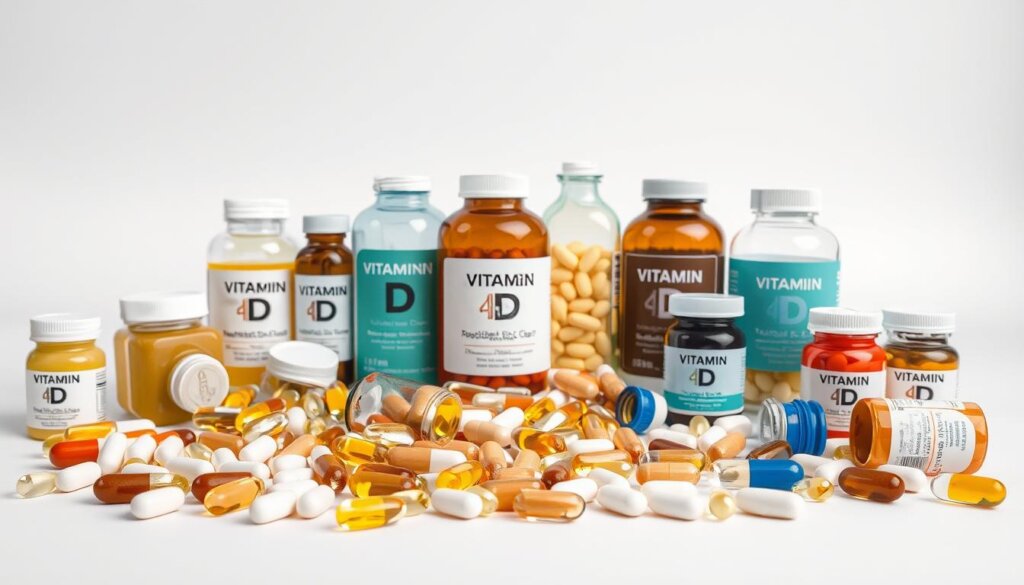
Various options exist to meet different preferences and needs. Vitamin D3 (cholecalciferol) stands as the preferred form. Research shows it’s more effective than Vitamin D2 at maintaining levels.
Softgel capsules remain popular among adults. They’re easy to swallow and typically contain oil for better absorption. Tablets offer another convenient option for daily use.
Children often prefer chewable gummies or liquid drops. These forms make supplementation more enjoyable for young ones. They help establish healthy habits early in life.
Some products combine this nutrient with calcium for enhanced benefits. This combination supports the bone-building process more effectively. Always check labels for additional ingredients.
Combining Supplements with Natural Sources
A balanced approach works best for most people. Supplements complement natural sources rather than replace them. This strategy ensures consistent intake throughout changing seasons.
Time supplementation with meals containing healthy fats. This nutrient requires fat for optimal absorption. Avocado, nuts, or olive oil can enhance effectiveness.
Continue enjoying vitamin D-rich foods like fatty fish and fortified products. These dietary sources provide additional nutrients beyond just this compound. Variety supports overall wellness.
Maintain sensible sun exposure when possible. Brief outdoor time helps natural production while minimizing skin risks. Balance remains key to comprehensive health.
Regular monitoring helps adjust supplementation levels. Needs change with seasons, age, and lifestyle modifications. Professional guidance ensures personalized approaches.
“Combining smart supplementation with dietary sources creates the most effective strategy for maintaining optimal vitamin D levels year-round.”
Wellness Group’s nutrition experts provide personalized recommendations. They understand Malaysian lifestyles and climate considerations. Contact them at +60123822655 Monday-Friday 9:30am-6:30pm or Saturday 10am-5pm.
This compound supports not just skeletal strength but also energy levels and immune function. A comprehensive approach addresses multiple health aspects simultaneously.
Recommended Vitamin D Dosage by Age and Weight
Finding the right amount of this essential nutrient depends on several personal factors. Age, body size, and lifestyle all influence individual needs. Professional guidance helps determine the perfect balance for each person.
The Endocrine Society provides clear recommendations for different groups. Their guidelines consider both minimum requirements and safe upper limits. This approach ensures people get enough without risking excess.
Daily Requirements for Children and Adolescents
Growing bodies have special nutritional needs. Infants from birth to 12 months require 400 IU daily. This supports their rapid bone development during this critical period.
Children aged 1-18 years need at least 600 IU each day. This amount helps them build strong skeletal structure for life. Active youngsters may require slightly higher amounts.
These recommendations represent minimum levels to prevent deficiency. Some experts suggest optimal amounts might be higher. Blood testing helps determine individual needs precisely.
Adult Vitamin D Needs and Upper Limits
Most adults require 600-800 IU daily for maintenance. Older individuals often need higher amounts due to reduced production. Their skin becomes less efficient at making this compound.
The safe upper limit for adults is 4,000 IU per day. This prevents toxicity while ensuring adequate levels. Very few people reach this amount through diet and sun alone.
Pregnancy and breastfeeding increase requirements significantly. Expecting mothers need extra to support both themselves and their baby. This helps ensure proper fetal bone development.
Special Considerations for Higher Body Weight
Body size directly affects nutrient requirements. This compound distributes into fat tissue throughout the body. Larger individuals need increased amounts to maintain proper blood levels.
Weight-based dosing provides personalized guidance. People under 90 pounds typically need 1,000 IU daily. Those between 90-150 pounds require 2,000 IU for optimal levels.
Individuals over 150 pounds often benefit from 4,000 IU daily. This adjusted approach accounts for distribution in adipose tissue. It helps ensure everyone maintains adequate amounts regardless of size.
| Age Group | Minimum Daily Requirement | Weight-Based Recommendation | Special Considerations |
|---|---|---|---|
| 0-12 months | 400 IU | Based on weight from birth | Liquid drops usually preferred |
| 1-18 years | 600 IU | Adjust based on growth patterns | Active children may need more |
| 19-70 years | 600-800 IU | 1000-4000 IU based on weight | Office workers often need supplements |
| 70+ years | 800 IU | 2000-4000 IU based on weight | Reduced skin production efficiency |
| Pregnancy | 600-800 IU | 1500-4000 IU based on weight | Supports fetal development |
| Higher Weight | 600 IU minimum | 2000-4000 IU based on size | Distributes into adipose tissue |
These guidelines help prevent deficiency while avoiding excess. They represent general recommendations rather than personalized advice. Individual needs vary based on many factors.
Blood testing provides the most accurate assessment method. It measures circulating levels to determine actual status. This information helps tailor supplementation precisely.
Professional guidance ensures safe and effective approaches. Healthcare providers consider all relevant factors when making recommendations. They help people achieve optimal levels for overall wellness.
Special Considerations for Vitamin D Supplementation
Certain health conditions and lifestyle factors can dramatically change how much of this compound your body requires. While general guidelines provide a good starting point, individual circumstances often demand personalized approaches.
Understanding these special situations helps ensure everyone gets the right amount for their needs. Professional guidance becomes particularly valuable for people with unique requirements.
Vitamin D Needs for People with Darker Skin
Melanin, the pigment that gives skin its color, naturally protects against UV radiation. However, this protection also reduces the skin’s ability to produce this essential nutrient from sunlight.
Individuals with darker skin tones typically need longer sun exposure times. They may require 3-6 times more sunlight than lighter-skinned people to produce the same amount.
Supplementation often becomes necessary, especially in regions with limited strong sunlight. Higher doses help compensate for reduced natural production.
Regular monitoring ensures levels stay within the optimal range. This prevents both deficiency and excessive intake.
Medications That Affect Vitamin D Requirements
Several common medications can interfere with how the body processes this important compound. These drugs may reduce absorption, increase metabolism, or affect activation.
Glucocorticoids, often used for inflammation, can significantly decrease calcium absorption. This indirectly increases the need for this nutrient to maintain balance.
Anti-seizure medications accelerate the breakdown of the active form. Users typically require higher supplementation doses to maintain adequate levels.
Antifungal drugs and some antiretrovirals also affect metabolism. People taking these medications should discuss their needs with healthcare providers.
Always inform your doctor about all medications when discussing supplementation. They can adjust recommendations based on potential interactions.
Special Populations and Their Unique Needs
Obesity presents particular challenges for maintaining proper levels. Adipose tissue sequesters this compound, reducing its availability in the bloodstream.
Individuals with higher body weight often need increased amounts. The nutrient distributes into fat tissue rather than circulating where needed.
Children with disabilities or chronic illnesses face unique circumstances. Reduced mobility often means less sun exposure and outdoor activity.
These young people may require careful supplementation monitoring. Their growing bodies need consistent support for proper development.
Elderly individuals experience multiple factors that increase deficiency risk. Reduced skin efficiency, limited outdoor time, and potential dietary changes all contribute.
Pregnant and breastfeeding women have increased requirements. They need extra to support both their own health and their baby’s development.
People with malabsorption conditions like Crohn’s disease or celiac disease need special attention. Their bodies may struggle to absorb this nutrient effectively.
Those living in northern latitudes or urban environments often require year-round supplementation. Limited sunlight availability makes natural production challenging.
| Population Group | Special Consideration | Recommended Adjustment | Monitoring Frequency |
|---|---|---|---|
| Darker Skin Tones | Reduced sunlight absorption | Higher supplementation doses | Every 6 months |
| Medication Users | Altered metabolism/absorption | Dose adjustment based on drugs | Every 3-6 months |
| Higher Body Weight | Sequestration in adipose tissue | Increased dosage requirements | Every 6 months |
| Elderly Individuals | Multiple risk factors | Higher maintenance doses | Annually |
| Pregnant/Breastfeeding | Increased fetal/milk needs | Elevated supplementation | Each trimester |
| Malabsorption Conditions | Reduced nutrient uptake | Monitored higher doses | Every 3 months |
| Northern Latitudes | Limited sunlight exposure | Year-round supplementation | Annually |
Regular blood testing provides the most accurate assessment for these special groups. It helps tailor supplementation precisely to individual needs.
Healthcare providers consider all relevant factors when making recommendations. They create personalized plans that address unique circumstances effectively.
For elderly individuals specifically, comprehensive approaches consider age-related changes. These strategies help maintain optimal levels throughout later life stages.
Everyone deserves support that matches their particular situation. Understanding these special considerations leads to better health outcomes for all.
Testing and Monitoring Your Vitamin D Levels
Blood tests provide the clearest picture of your nutritional status, revealing what diet and sunlight alone cannot show. Regular monitoring helps ensure you maintain optimal levels for overall wellness. This approach takes the guesswork out of nutritional planning.

The 25-hydroxy test serves as the standard measurement tool healthcare providers use. It assesses your body’s nutrient reserves from all sources combined. Understanding your results empowers you to make informed health decisions.
When to Get Tested for Vitamin D Deficiency
Testing becomes particularly important for individuals showing potential deficiency signs. People experiencing persistent fatigue or bone discomfort should consider assessment. Those with limited sun exposure due to indoor lifestyles also benefit from checking their status.
Individuals starting high-dose supplementation should establish baseline measurements. This helps determine appropriate dosing and monitor progress effectively. Regular testing every 3-6 months allows for adjustments based on individual response.
Seasonal changes affect natural production significantly. Levels typically reach their lowest point in late winter. Testing during this period provides the most conservative assessment of your status.
Understanding Your Vitamin D Blood Test Results
Test results measure nanograms per milliliter (ng/mL) in your bloodstream. Values below 20 ng/mL indicate deficiency that requires immediate attention. This insufficient amount can lead to bone conditions over time.
Most experts recommend maintaining levels between 40-70 ng/mL for optimal health. Some practitioners suggest up to 100 ng/mL provides additional protection. These ranges help prevent skeletal problems while avoiding potential toxicity.
Readings above 150 ng/mL indicate possible excess that needs medical management. Such high amounts can cause health complications requiring professional intervention. Regular monitoring prevents reaching these dangerous levels.
Working with Healthcare Providers on Supplementation
Healthcare professionals interpret test results considering your complete health picture. They evaluate medications, existing conditions, and individual risk factors. This comprehensive approach ensures personalized recommendations.
Wellness Group experts provide professional interpretation and guidance. They help develop tailored strategies based on your specific results. Their team considers Malaysian lifestyle factors and climate conditions.
“Regular monitoring through blood testing provides the foundation for effective nutritional management. It transforms guesswork into precise health strategy.”
Contact Wellness Group professionals at +60123822655 for assistance with interpreting your results. They operate Monday-Friday 9:30am-6:30pm and Saturday 10am-5pm. Their expertise helps create supplementation plans that address your unique needs.
Understanding your test results enables smarter health decisions. It helps determine the right amount of nutritional support for your body. This knowledge supports strong skeletal structure and overall wellness throughout life.
Conclusion: Building Better Bones with Vitamin D
A balanced strategy combining nutrition, sunlight, and professional guidance supports lifelong wellness. This compound plays a key role in helping the body absorb calcium, crucial for maintaining strong bones.
Modern indoor lifestyles increase the risk of deficiency, making supplementation increasingly necessary for many. A comprehensive approach with sensible sun exposure, vitamin-rich foods, and appropriate amounts offers optimal protection.
Regular monitoring through blood tests ensures levels remain in the healthy range. Special populations, including those with darker skin or higher weight, may require tailored plans to address individual needs.
Benefits extend beyond skeletal health to immune function and mood regulation. Maintaining optimal levels is a commitment to overall well-being.
For personalized advice on achieving this balance, contact Wellness Group at +60123822655. Their experts are available Monday-Friday 9:30am-6:30pm and Saturday 10am-5pm.
FAQ
What are the main benefits of taking a vitamin D supplement?
It helps the body absorb calcium, which is essential for maintaining strong bones. It also supports immune function and may reduce the risk of certain diseases.
How can someone know if they have a deficiency?
Common signs include fatigue, bone pain, and muscle weakness. A blood test is the most accurate way to check levels and confirm if there’s a shortage.
Are there natural ways to get enough without supplements?
Yes! Spending time in the sun, eating fatty fish like salmon, and consuming fortified foods such as milk or orange juice can help maintain healthy levels.
Who is most at risk for low levels?
Older adults, people with limited sun exposure, those with darker skin, and individuals with certain medical conditions often have a higher risk of insufficiency.
Can children take these supplements safely?
Absolutely, but it’s important to follow age-appropriate dosing guidelines. Many kids’ multivitamins include it to support growing bones and overall health.
How much should an average adult take daily?
Most adults need about 600–800 IU per day, but needs can vary based on sun exposure, diet, and health status. Always check with a doctor for personalized advice.
Are there any side effects from taking too much?
Yes, extremely high doses can lead to toxicity, causing nausea, weakness, or even kidney problems. It’s best to stick to recommended amounts unless directed by a healthcare provider.