Surprising fact: about 60% of a typical adult is water, and tiny amounts of molecular hydrogen play roles that reach from joint comfort to energy pathways.
Hydrogen exists across body fluids and helps move nutrients, ease joint motion, and support cellular hydration. Studies of hydrogen-rich water report shifts in oxidative stress markers, lipids, glucose, and endothelial response. Human trials are promising but call for larger, rigorous work.
Wellness Group helps people interpret this science with a calm, evidence-aware approach. They answer quick questions and suggest next steps without hype. For Malaysians, friendly guidance is available via WhatsApp at +60123822655.
Hours: Monday–Friday 9:30 am–6:30 pm; Saturday–Sunday 10 am–5 pm (Malaysia time). This opening frames what the article will cover: basics, mechanisms, current studies, and sensible uses for exercise and cardiometabolic health.
Key Takeaways
- Tiny amounts of hydrogen linked to hydration, nutrient transport, and joint comfort.
- Human studies show potential benefits but need larger trials for firm conclusions.
- Hydrogen-rich water appears in research on oxidative stress and metabolic markers.
- Wellness Group in Malaysia offers friendly, evidence-aware advice via WhatsApp.
- The article will explore mechanisms, organ-specific effects, and practical options.
Hydrogen 101: What It Is and Why It Matters to the Human Body
Understanding molecular hydrogen starts with how it differs from the hydrogen bound inside water and biomolecules.
Molecular hydrogen (H2) is the lightest element as a colorless, odorless gas. In water (H2O), hydrogen atoms are bonded to oxygen. That structural hydrogen forms part of sugars, proteins, and fats and is not the same as dissolved H2.
Molecular hydrogen vs. hydrogen inside water and biomolecules
Molecular hydrogen appears as a tiny, neutral molecule that dissolves into water and tissues. It diffuses rapidly through membranes and may reach compartments larger molecules cannot.
Key properties: smallest molecule, neutral gas, selective reactivity
Because H2 is so small and uncharged, it moves quickly and shows selective reactivity toward the most damaging species, such as hydroxyl radicals and peroxynitrite. This selective action underlies proposed anti-oxidative and anti-inflammatory effects seen in early studies since 2007.
- Safety: hydrogen gas is non-explosive below known thresholds (about 4–4.6% in air), making typical wellness uses low risk when handled sensibly.
- Pathways: researchers explore Nrf2 activation and downstream antioxidant defenses as possible mechanisms for observed effects.
For Malaysians seeking simple guidance on formats such as hydrogen-infused water, Wellness Group can be reached at +60123822655 during business hours.
Do we need hydrogen in our body?
Hydrogen shows up across fluids and macromolecules that keep cells running and tissues moving.
From water to macromolecules: hydrogen’s foundational role
Hydrogen atoms sit inside water and the sugars, proteins, and fats that build cells. These atoms form part of structure and influence how molecules fold and react.
Homeostasis, joint lubrication, and nutrient transport
Water rich with dissolved H2 supports cell hydration and helps move nutrients and waste through fluids. Joint surfaces rely on well-hydrated tissues for smooth motion and reduced friction.
Energy metabolism and ATP-producing pathways
Dietary macronutrients that contain hydrogen feed biochemical pathways that generate ATP. This links what a person eats to daily energy and metabolic function.
“Adequate hydration and balanced nutrition remain the most reliable routes to sustain these functions.”
- Practical point: sleep, diet, and activity shape vitality as much as single supplements.
- For tailored guidance on hydration and optional H2 tools that suit Malaysian life, message Wellness Group on WhatsApp at +60123822655.
How Molecular Hydrogen Works: Oxidative Stress, Free Radicals, and Cellular Signaling
Researchers focus on how a simple gas can alter stress pathways, antioxidant switches, and inflammatory signals.

Selective scavenging of hydroxyl radical and peroxynitrite
High-energy radicals cause lipid, protein, and DNA damage during oxidative stress. Evidence shows molecular hydrogen can neutralize the most reactive species, such as hydroxyl radicals and peroxynitrite, while leaving useful signaling molecules intact.
Nrf2 activation and endogenous antioxidant defenses
H2 appears to boost Nrf2, the master regulator of antioxidants. That switch raises enzymes like SOD, GSH, and HO-1, which help cells resist future stress.
Anti-inflammatory and cytoprotective pathways
Models report reduced TNF-α, IL-6, and IL-1β after brief exposure. Anti-apoptotic signals also rise, which may protect tissues during challenge.
| Mechanism | Primary Target | Observed effect |
|---|---|---|
| Selective scavenging | • Hydroxyl radical • Peroxynitrite | Less molecular damage to lipids and DNA |
| Nrf2 pathway | • SOD • GSH • HO-1 | Improved endogenous antioxidant capacity |
| Inflammation & survival | • TNF-α • IL-6 • IL-1β | Lower cytokines; anti-apoptotic signals |
Note: H2 presence is brief—roughly 30 minutes after administration—but downstream signaling may last longer. Real-world effects depend on dose, timing, lifestyle, and individual factors.
“While early studies are promising, consistent research is needed to define practical use.”
For clear, everyday explanations and personalised guidance, message Wellness Group at +60123822655 during Malaysia business hours.
What the Research Says Today: Human Evidence on Hydrogen-Rich Water
Recent human studies examine whether hydrogen-rich water changes measurable markers tied to health.
Systematic reviews now list about 25–30 human studies. Designs range from small pilots to randomized, double-blind, placebo-controlled trials. Sample sizes are often modest and follow-up windows short.
- Common endpoints: oxidative stress markers, lipid fractions, fasting glucose, HbA1c, endothelial function, and symptom scores.
- Representative results: higher SOD and lower TBARS, reductions in LDL-C and apoB, modest glucose improvements in metabolic syndrome, and ~25% better reactive hyperemia index after two weeks in some trials.
- Variability: some studies report clear benefits while others show mixed or small effects under control conditions.
Limitations: small samples, short duration, and limited replication mean the current results are preliminary. Larger, rigorous RCTs are needed to confirm clinical value and optimal levels for treatment.
“Promising signals exist, but hydrogen-rich water should be seen as adjunctive rather than a replacement for medical care.”
Wellness Group can help interpret specific studies and map them to personal goals. Message via WhatsApp at +60123822655 during listed hours for Malaysia-based guidance.
Potential Health Areas Under Study: Exercise, Recovery, and Performance
Some trials suggest brief, targeted intake before training can alter markers tied to exertion and breathing.
Fatigue, lactic acid, and ventilatory efficiency findings
Several studies tested pre-exercise water enriched with dissolved gas and reported lower blood lactic acid after hard efforts. A 7-day trial with trained cyclists showed improved anaerobic measures for some riders.
Other crossover work found mixed results, with runner ability and session type shaping outcomes. Consistent timing before intense sessions often appeared important for any short-term gains.
Antioxidant and anti-inflammatory responses in athletes
Longer consumption periods in youth athletes linked to lower malondialdehyde and reduced IL-1, IL-6, and TNF-α. Antioxidant capacity rose in several trials, suggesting reduced exercise-related damage.
Practical point: individual status, hydration, and training load shape response; test methodically with matched sessions and tracked splits.
- Timing: typically pre-exercise for acute effects.
- Consistency: weeks of daily intake drove antioxidant shifts.
- Safety: athletes should check product purity and competition rules.
Active Malaysians can message Wellness Group on WhatsApp at +60123822655 for help building a simple n=1 protocol to test consumption timing, levels, and recovery markers.
Cardiometabolic Insights: Lipids, Blood Glucose, and Vascular Function
Researchers have measured how concentrated water protocols alter blood lipids, inflammatory markers, and vascular function.
Effects on LDL-C, apoB, HDL function, and metabolic syndrome markers
High-concentration hydrogen-rich water (>5.5 mmol H2/day) has shown favorable shifts in several trials for people with metabolic syndrome.
Observed results included lower fasting blood glucose, reduced total cholesterol and HbA1c, and improvements in BMI and waist-to-hip ratio when used alongside standard care.
Some reports also found decreases in LDL-C and apoB and better HDL function. One study noted stronger lipid responses among smokers, highlighting baseline factors that alter outcomes.
Endothelial function and reactive hyperemia index improvements
Vascular measures improved rapidly in short trials. Reactive hyperemia index rose about 25.4% after two weeks of regular intake in a controlled study.
That magnitude suggests practical vascular benefit, but results varied by protocol, levels consumed, and participant risk profile.
| Outcome | Typical change | Notes |
|---|---|---|
| Fasting glucose / HbA1c | Reduced | Noted with >5.5 mmol/day; used with diet and meds |
| LDL-C / apoB | Decreased | Some trials; differential in smokers vs non-smokers |
| Reactive hyperemia index | +25.4% | Measured after ~2 weeks in one study |
Practical point: track labs and wearables, and review changes with a clinician before altering treatment.
Wellness Group can coordinate with personal physicians in Malaysia to align any hydrogen wellness plan with lipid and glucose monitoring. Message WhatsApp +60123822655 for coordinated support.
Liver, Kidneys, and More: Organ-Specific Explorations
Clinical reports have examined organ-specific signals from dissolved gas therapies, especially for liver and kidney care.
Liver findings: In chronic hepatitis B, trials using hydrogen water at about 1200–1800 mL/day reported improved liver enzymes, reduced oxidative stress, and lower HBV DNA levels. Small studies in NAFLD suggest reduced inflammation and oxidative stress pathways as plausible mechanisms. Larger trials remain needed to confirm effects and optimal levels.
Dialysis context: Electrolyzed hydrogen water has been tested during dialysis. Reports note better renal panel trends (for example, lower BUN), less oxidative stress, and reduced fatigue around sessions. These changes often tie to quality of life rather than proven disease control.
Oncology interest: Early research suggests adjunctive use may ease treatment side effects and support patient tolerance. Tumor control claims are premature; robust trials are required before altering care plans.
- Track organ-specific markers: liver enzymes, renal panels, and validated fatigue scales.
- Use adjunctive approaches only with clinician approval; do not replace prescribed treatment.
- Wellness Group can coordinate with hepatology, nephrology, and oncology teams in Malaysia—message +60123822655.
| Organ | Reported change | Typical protocol / levels |
|---|---|---|
| Liver (hepatitis B) | Improved enzymes; lower HBV DNA; less oxidative stress | 1200–1800 mL/day hydrogen water in small trials |
| NAFLD | Reduced inflammation markers; oxidative stress modulation | Emerging protocols; variable levels reported |
| Dialysis | Lower BUN; less fatigue; improved antioxidant markers | Electrolyzed hydrogen-rich water during and between sessions |
| Oncology (adjunct) | Better symptom tolerance; improved quality of life signals | Supportive use alongside standard treatment; preliminary studies |
Note: Organ-specific responses involve complex cellular pathways. Personal medical oversight is essential before starting any adjunctive protocol.
Hydrogen Water vs. Hydrogen Gas: Delivery Methods and Practical Use
Delivery method matters: some options suit travel, others fit a kitchen counter or gym bag.
Common drinking options
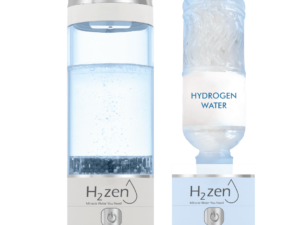
Generators, ionizers, and tablets let users dissolve H2 into water for easy daily use. Generators give steady output, ionizers are compact, and tablets are portable for trips.
Concentration, timing, and consistency
Most human studies used drinking routes because they are portable and simple to repeat. H2 levels in blood are brief (~30 minutes), so timing near activity or regular daily consumption may matter for effects.
- Choose devices with safety features and third-party testing.
- Start with small, consistent intake and track feelings and performance.
- Pair consumption with good hydration, sleep, and nutrition for best results.
Practical point: inhalation suits clinical settings; drinking works better for daily routines and field testing.
Wellness Group can recommend Malaysia-appropriate devices and offer demos during business hours. Message WhatsApp +60123822655 for setup help and simple protocols.
Safety, Side Effects, and Sensible Expectations
Safety data from small human trials suggest low risk at study doses and clear practical limits for concentrated gas setups.
Non-cytotoxicity and flammability limits
Laboratory and clinical reports show no cytotoxic signals at concentrations tested in trials. Adverse events are rare and usually mild.
High-concentration gas handling requires care. Flammability thresholds sit near 4.1% in pure oxygen and 4.6% in air, so professional controls matter for industrial or clinical inhalation setups.
Clearance, timing, and hormetic-like effects
The gas leaves circulation quickly—roughly 30 minutes after intake or inhalation—yet downstream signaling may last longer.
This transient presence may trigger hormetic-like responses: small, brief exposure can prompt adaptive antioxidant and anti-inflammatory cascades that outlive measured levels.
“Published trials report few side effects, but larger and longer studies are needed to confirm long-term safety.”
- Key points: start with low levels and track personal response.
- Coordinate any new approach with treating clinicians if chronic disease or medication use exists.
- Limit claims: consider this an adjunct, not a replacement for standard care or disease control.
| Safety factor | What studies show | Practical advice |
|---|---|---|
| Cell toxicity | No cytotoxicity at tested levels | Follow published protocols and device guidance |
| Flammability | Non-explosive below ~4.6% in air | Use certified devices and avoid confined gas accumulation |
| Clearance | Cleared from blood ~30 minutes | Align intake timing with activity for best effects |
| Side effects | Minor; rare reports in trials | Report symptoms and pause use if concerns arise |
For specific safety questions, interactions with medications, or tailored advice for Malaysians, contact Wellness Group during business hours at +60123822655. For pregnancy-specific guidance, see their note on hydrogen water during pregnancy.
Wellness Group in Malaysia: Talk to a Specialist About Hydrogen Wellness
Wellness Group offers clear, evidence-focused consultations for Malaysians curious about hydrogen and water approaches.
Contact and hours
Message via WhatsApp: +60123822655.
Hours: Monday–Friday 9:30 am–6:30 pm; Saturday–Sunday 10 am–5 pm.
How the team guides clients
The Group helps people read study findings and set safe, realistic goals. Advice highlights possible antioxidant, anti-inflammatory, and anti-apoptotic effects while stressing that these approaches are adjuncts to standard treatment.
- Personalised protocols: device choice, daily routine, and simple tracking plans.
- Clinical coordination: the team works with a client’s doctor to keep treatment under proper control.
- Education and follow-up: clear explanations of mechanisms, expected effects, and ongoing adjustments.
Practical point: Malaysians can message +60123822655 to ask questions or book a consultation and get a stepwise plan that fits daily life.
Conclusion
Summing the evidence shows promising signals across performance, metabolic markers, and symptom relief. The big picture: hydrogen plays a chemical role within the human body, and small, targeted use of hydrogen-rich water has delivered encouraging study results for lipids, glucose, vascular function, exercise recovery, and liver-related measures.
These studies are promising but preliminary. Responses vary because inflammation and oxidative systems are complex. Treatments should sit alongside good diet, regular movement, sleep, stress management, and prescribed medical care.
Next step: Malaysians may message Wellness Group on WhatsApp at +60123822655 (Mon–Fri 9:30 am–6:30 pm; Sat–Sun 10 am–5 pm) to compare devices, track results, or schedule a consult. A strong, balanced approach stays open to research while focusing on real health outcomes.
FAQ
What role does hydrogen play in cells and macromolecules?
Hydrogen atoms form bonds in water and organic molecules, helping shape proteins, DNA, and lipids. Their placement influences molecular structure, reaction pathways, and the physical properties that permit cells to function, move nutrients, and maintain membrane integrity.
How does molecular hydrogen differ from the hydrogen found in water?
Molecular hydrogen (H2) is a neutral gas composed of two bonded atoms. The hydrogen in water (H2O) is chemically bound to oxygen and not available as H2 gas. H2 can diffuse rapidly and act as a signaling or reactive species, whereas bonded hydrogen mainly contributes to molecular stability and hydrogen-bonding networks.
Can molecular hydrogen affect oxidative stress and free radicals?
Research shows H2 can selectively neutralize highly reactive radicals such as hydroxyl radical and peroxynitrite, reducing oxidative damage in cells. It also appears to modulate redox-sensitive signaling pathways rather than bluntly removing all reactive oxygen species, which helps preserve normal cell signaling.
What mechanisms support antioxidant defenses after H2 exposure?
Studies suggest H2 activates pathways like Nrf2, which increases endogenous antioxidants including superoxide dismutase (SOD), glutathione (GSH), and heme oxygenase-1 (HO-1). This upregulation strengthens cellular resilience to oxidative challenge.
Does H2 have anti-inflammatory effects?
Evidence indicates H2 can lower pro-inflammatory mediators such as TNF-α, IL-6, and IL-1β in animal and small human studies. These effects may reduce tissue inflammation and related symptoms, but results vary by condition and study design.
Are there demonstrated benefits of drinking hydrogen-rich water in humans?
Human trials—often small or pilot in scope—report improvements in oxidative stress markers, lipid profiles, glucose regulation, and subjective symptoms like fatigue. Findings are promising but inconsistent, and larger, well-controlled trials are needed to confirm clinical benefits.
How do athletes potentially benefit from H2 interventions?
Some studies in exercise settings report reduced perceived fatigue, lower lactic acid accumulation, and modest improvements in ventilatory efficiency. H2 may temper exercise-induced oxidative stress and inflammation, supporting recovery for certain athletes.
What does the evidence say about cardiometabolic effects?
Preliminary data show possible reductions in LDL cholesterol, improvements in HDL function, and better blood glucose markers in select groups. Small sample sizes and heterogeneity limit strong conclusions about cardiovascular risk reduction.
Are there organ-specific findings for liver and kidneys?
Exploratory studies suggest H2 may lower oxidative markers in nonalcoholic fatty liver disease and influence parameters in hepatitis B, while dialysis studies report reduced oxidative stress and fatigue with electrolyzed waters. These are investigational signals requiring further research.
How do delivery methods compare: hydrogen water versus inhaled H2 gas?
Hydrogen-rich water provides a practical oral route via generators, tablets, or ionizers, offering transient increases in dissolved H2. Inhalation delivers higher systemic exposure more quickly. Choice depends on target effect, convenience, and safety considerations.
Is consuming hydrogen-rich water safe?
At concentrations used in clinical studies, H2 has shown no cytotoxicity and few reported adverse effects. H2 is flammable at high concentrations in air, but dissolved forms in water and clinical inhalation are managed below flammability thresholds. Users should follow product guidance and consult clinicians for medical conditions.
How long does H2 stay active in the body after consumption?
Dissolved H2 is transient; blood and tissue levels typically rise shortly after intake and decline within an hour. Repeated or regular consumption produces recurring exposure rather than long-term tissue accumulation.
What are realistic expectations about benefits from hydrogen interventions?
Hydrogen shows promising biological effects, especially on oxidative stress and inflammation, but it is not a cure-all. Individuals may see modest symptom or biomarker changes. Evidence is strongest in small or early-phase trials; large-scale validation remains necessary.
How can someone in Malaysia contact a specialist about hydrogen wellness?
Wellness Group clinics and licensed practitioners in Malaysia offer consultations on evidence-based hydrogen wellness. Interested people should check clinic websites or call during posted hours to schedule an appointment and discuss individualized guidance.
What should be considered when choosing a hydrogen-rich water product?
Look for reputable brands, clear concentration data, and third-party testing. Consider whether a generator, tablets, or prepackaged options suit lifestyle needs. Consistency of use, timing relative to meals or exercise, and product safety are practical priorities.
Are there populations who should be cautious with H2 interventions?
People with acute medical conditions, those on complex medication regimens, pregnant or breastfeeding individuals, and patients with severe organ dysfunction should consult healthcare providers before starting any new supplement or therapy.