More than one in five adults in Malaysia live with diabetes or prediabetes. That scale makes new, safe strategies worth a close look.
Wellness Group frames a clear, evidence-aware view. Early trials showed a 34% improvement in insulin response when H₂-enriched water was added to standard care. A meta-analysis found about 27% better blood stability when used alongside medications.
The approach is positioned as complementary, not a replacement for medical care. Protocols in studies often used roughly 500 ml twice daily and reported selective antioxidant action with raised SOD activity.
Readers will find explanations of likely mechanisms, safety notes, dosage details, and practical tips for daily use. Wellness Group offers personalized guidance in Malaysia via WhatsApp at +60123822655.
Business hours: Mon–Fri 9:30 am–6:30 pm; Sat–Sun 10 am–5 pm. The article will help readers act confidently while staying under clinician supervision.
Key Takeaways
- Prevalence in Malaysia exceeds 20%, so practical options matter.
- Early research reports improved insulin response when combined with standard care.
- Protocols often use ~500 ml twice daily with selective antioxidant effects.
- Positioned as an adjunct; monitor blood markers with clinicians.
- Wellness Group provides local support via WhatsApp during listed hours.
Understanding the link between hydration, oxidative stress, and metabolic health
What someone drinks can influence how their cells manage energy and stress. Proper hydration quality, not just quantity, is gaining attention in metabolic care across Malaysia.
Oxidative stress happens when harmful species overwhelm the body’s defenses, injuring cells and disrupting insulin pathways tied to glucose handling.
Recent observations show a 41% boost in antioxidant levels with enriched beverages, suggesting selective neutralization of damaging radicals while leaving helpful signaling intact. This selective antioxidant activity may support steady metabolism without blocking needed cell signals.
When dissolved hydrogen is present in drinking fluids, it may help restore redox balance and assist in reducing oxidative stress as part of a broader lifestyle plan that includes diet and exercise.
This approach is supportive, not a substitute for clinical care. For personalised guidance on hydration strategies and monitoring, contact Wellness Group via WhatsApp at +60123822655 during business hours.
What is hydrogen water and how is it different from regular water?
This section defines a drink that has been enriched with dissolved gas, and why that small change matters.
Molecular hydrogen basics and hydrogen-rich water content
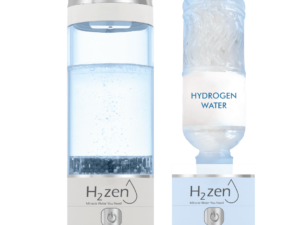
Hydrogen water means standard drinking fluid with dissolved molecular hydrogen added. Research-grade solutions often target about 0.8–1.2 ppm (roughly 0.8 mM) to achieve measurable effects.
The dissolved H2 is tiny and neutral, so it diffuses fast into tissues and cells. This allows the gas to reach places where oxidative challenges occur.
Selective antioxidant properties and free radical targeting
Hydrogen-rich water shows selective antioxidant properties. It tends to neutralize the most destructive radicals while leaving useful signaling species intact.
This selectivity may avoid the drawbacks of broad-spectrum antioxidants. Certified generators are commonly used, typically requiring 8–10 minutes of saturation. Freshness matters because dissolved gas escapes over time.
Practical note: For device selection, ppm targets, and daily setup in Malaysia, contact Wellness Group via WhatsApp at +60123822655 during business hours.
Mechanisms: how molecular hydrogen may influence glucose metabolism
Researchers map clear pathways that explain how a small gaseous agent can alter glucose metabolism in muscle and pancreatic cells.
Reducing oxidative stress to protect insulin-producing beta cells
Lowering oxidative burden helps preserve beta-cell function by limiting stress-related injury. This protection supports sustained insulin release in models with deficient production.
Improving insulin sensitivity and receptor activity in muscle tissue
Studies report improved receptor signaling and better insulin response after chronic exposure in some trials. Human data show fasting glucose falls in selected cohorts, suggesting complementary benefits when used alongside standard care.
Glut4 translocation pathways: PI3K, PKC, and AMPK activation
Amitani et al. found enhanced GLUT4 movement to the membrane in C2C12 muscle cells via PI3K, PKC, and AMPK activation. That change raises glucose uptake and mirrors parts of insulin’s downstream activity.
Clinical relevance: effects vary by model. Benefits were strongest in insulin-deficient studies and more modest in long-term obese models. Wellness Group can explain these pathways and tailor practical plans; contact via WhatsApp at +60123822655.
Evidence at a glance: what the studies suggest so far
Recent controlled trials report measurable improvements in insulin response and fasting glucose in selected groups.
Human trial highlights on insulin response and fasting glucose
A 2023 randomized study (n=120, 90 days) found a 34% rise in insulin secretion during glucose tolerance testing. Participants also saw a mean 1.9 mmol/L drop in fasting blood glucose.
When combined with standard medications, stability improved by about 27%. A meta-analysis compared metformin and adjunct therapy and reported larger HbA1c falls (1.4% vs 0.9%) with fewer side effects in the adjunct arm. These results suggest a complementary role, not a replacement for care.
Animal model insights for insulin production and SOD activity
Preclinical research shows higher insulin output, roughly doubled SOD activity, and better receptor sensitivity in several models. T1DM mice showed improved glycemic control after administration, while long-term obese models had smaller gains.
Outcomes vary by phenotype, dose, and adherence. Patients should monitor markers and discuss adjustments with clinicians. For help interpreting results and building a local plan, contact Wellness Group on WhatsApp: +60123822655 during working hours.
Hydrogen water and type 2 diabetes healing
Adding a simple drink to a routine has shown promise as a complementary strategy for glycemic control.

Complementary support to standard care in diabetes mellitus
Use as an adjunct: trials combined the intervention with usual medications and found about 27–28% better glucose stabilization. That suggests added benefit when clinicians remain in charge of drug changes.
Effects on glucose tolerance, blood glucose levels, and stability
Daily patterns in studies often used roughly 500 ml twice daily. Participants reported smoother readings and improved tolerance during standardized tests.
“When added to a prescribed plan, the regimen supported steadier daily energy and fewer large swings.”
| Outcome | Typical Protocol | Reported Change |
|---|---|---|
| Glucose stability | 500 ml twice daily | 27–28% improvement |
| Glucose tolerance | Daily routine use | Improved tolerance on tests |
| Adverse events | Short-term trials | None significant |
Practical note: Results vary by insulin resistance, diet, and activity. Track logs for weeks, then review with a clinician. For tailored integration, contact Wellness Group via WhatsApp at +60123822655.
Antioxidant defense: Superoxide Dismutase and pancreatic protection
A strong enzymatic shield helps keep insulin-producing cells functional under daily stress. SOD acts as a frontline antioxidant that disarms harmful radicals before they harm delicate tissue.
SOD improvements and what they mean for beta-cell health
Trials report elevated SOD activity after regular intake of enriched fluids, with increases ranging from 38% to 100% in some models. Those rises often coincide with fewer markers of pancreatic cell damage and better fasting blood readings in a subset of participants.
Stronger enzyme activity may boost cellular resilience by lowering cumulative oxidative stress. This helps preserve insulin output when other stresses are present.
- Role: SOD disarms superoxide radicals that would otherwise trigger cellular damage.
- Evidence: Measured SOD gains correlate with reduced pancreatic markers in trials.
- Practical: Consistent intake, good sleep, and a nutrient-rich diet support antioxidant defense.
“Laboratory monitoring of antioxidant markers helps personalise expectations and confirms whether protective activity is changing.”
| Measure | Reported change | Clinical note |
|---|---|---|
| SOD activity | +38–100% | Higher enzyme levels linked to resilience |
| Pancreatic damage markers | Reduced | Observed in selected trials |
| Fasting blood | Improved in subset | Monitor over weeks with clinician |
Lab tracking can guide individual plans. For advice on which biomarkers to follow and how to interpret results, contact Wellness Group via WhatsApp at +60123822655.
Beyond blood sugar: inflammation, vascular health, and eye protection
Preserving small blood vessels in the eye and elsewhere requires strategies that lessen inflammatory signaling and oxidative burden.
Anti-inflammatory action from enriched drinks may reduce harmful signaling that drives retinal damage in chronic metabolic disease.
Selective neutralization of radicals appears to spare useful cell signals while cutting harmful oxidants. That may help microvascular walls stay intact and keep perfusion steady.
Potential relevance to diabetic retinopathy
- Reduced inflammation can lower capillary stress and risk factors linked to vision loss.
- Improved blood flow metrics were reported in models after short-term use, suggesting better ocular perfusion.
- These effects may support long-term vascular resilience when used with standard care.
“Layered strategies that combine metabolic control with vascular protection give the best chance to preserve sight.”
| Target | Reported effects | Clinical note |
|---|---|---|
| Retinal oxidative stress | Lowered radicals | Complementary benefit; monitor clinically |
| Microvascular perfusion | Improved blood flow metrics | May reduce progression risk |
| Inflammatory signaling | Reduced markers | Supportive, not standalone |
Practical: routine eye exams, blood pressure control, and lipid management remain essential. For complication risk support strategies, message Wellness Group on WhatsApp +60123822655.
Gut microbiome considerations in glucose regulation
Recent research links gut microbes to blood sugar control through multiple metabolic routes. This connection matters because microbial balance affects how nutrients are processed and how cells respond to signals.
Selective effects on beneficial and harmful strains
Emerging studies report that dissolved hydrogen may shift microbial composition toward helpful strains while lowering harmful ones. Those shifts appear to support steady metabolism by changing metabolite profiles that act on target cells.
- Why it matters: microbial metabolites influence insulin signaling, satiety, and energy use.
- Selective properties: this approach seems gentler than broad antibiotics or blunt supplements.
- Practical pairing: a fiber-rich diet nourishes beneficial microbes and improves outcomes.
Individual results vary. Patients should expect gradual changes over weeks. Stress, sleep, movement affect microbiome stability and should be managed alongside hydration choices.
“For gut-support protocols paired with hydration strategies, contact Wellness Group at +60123822655.”
How to incorporate hydrogen-rich water into a daily routine
Small setup steps ensure consistent dissolved gas levels for repeatable results. A clear routine helps users match study protocols while staying practical for daily life in Malaysia.
Generator setup: ppm targets, saturation time, and freshness
Choose an ISO 13485-compliant generator and aim for ~0.8–1.2 ppm per cycle. Allow 8–10 minutes for saturation to hit target levels.
Tip: Test one cycle, record the output, and confirm consistency before daily use.
Timing strategy: morning, pre-meal, and evening intake
Typical study protocols use about 500 ml twice daily. A simple split is 250 ml on an empty stomach each morning, ~150 ml before a main meal, and 250 ml in the evening.
This pattern fits work and family routines and supports steady metabolic activity when paired with sensible diet and movement.
Quality and storage tips to preserve molecular hydrogen content
Freshness matters: dissolved gas escapes over time. Store servings in dark glass, avoid agitation, and drink soon after preparation to keep active content.
Aligning with diet, exercise, and glucose monitoring
Log intake alongside blood readings for 2–4 weeks to track tolerance and daily stability. Treat this as one part of a broader plan that includes diet, sleep, and activity.
- Setup guide: certified device, 0.8–1.2 ppm, 8–10 minutes.
- Fresh batches: prepare morning and evening for best consistency.
- Storage: dark glass, minimal shaking, drink promptly.
- Monitoring: record intake with glucose logs to assess tolerance.
“For device advice and habit planning, WhatsApp Wellness Group at +60123822655 during listed hours.”
Safety, dosage, and who should consult a professional first
Practical dosing must match study protocols while remaining tailored to each patient’s medical profile. Typical controlled research used about 500 ml twice daily with good short-term tolerance and no major adverse events reported.
Use this approach only as an adjunct to prescribed therapy. It is not a substitute for medications. Patients with complex plans must keep their current schedule unless a clinician advises a change.
- Who should consult first: people on insulin or sulfonylureas, pregnant individuals, those with kidney or heart conditions, and anyone with multiple medicines.
- Monitor closely: record blood readings for 2–4 weeks after starting and report meaningful shifts to your care team.
- Expect variability: outcomes differ by insulin resistance and adherence; long-term oral use showed smaller effects in obese, resistant models.
Begin gradually, note energy, digestion, and glycaemic stability, and adjust under clinician guidance. For coordinated care in Malaysia, contact Wellness Group via WhatsApp at +60123822655 during business hours for personalised plans.
“Always consult a clinician before changing therapies or dosing; coordinated monitoring ensures safety and clarity.”
How it compares: hydrogen therapy versus common medications
Comparing therapeutic paths helps readers weigh proven drugs against emerging adjunct options.
Modes of action differ. Metformin lowers hepatic glucose output, while adjunct intake supports redox balance and cellular signaling. This complementary approach targets oxidative stress to help receptor function and insulin sensitivity.
HbA1c, stability, side effects, and combination approaches
A meta-analysis found metformin produced about a 1.4% fall in HbA1c versus roughly 0.9% with the adjunct option. Combination use linked to a 27% gain in blood glucose stability and fewer reported side effects in the reviewed studies.
Practical takeaways:
- Medications offer stronger HbA1c drops; adjunct measures add day-to-day steadiness.
- Addressing oxidative burden may ease insulin resistance and improve sensitivity.
- Any combination must be supervised by a clinician for dose adjustments and lab review.
“Evaluate changes over weeks to months; monitor labs, symptoms, and therapy tolerance.”
| Measure | Typical effect | Clinical note |
|---|---|---|
| HbA1c | Metformin ~1.4% ↓, adjunct ~0.9% ↓ | Medications stronger; adjunct adds support |
| Daily stability | ~27% improvement with combination | Reduced variability reported |
| Side effects | Fewer oxidative-related complaints with adjunct | Monitor for interactions |
For medication coordination, consult your doctor, message Wellness Group at +60123822655 for local support.
Who may benefit most based on current research
People who still see fluctuating readings despite diet and exercise often notice the clearest short-term benefits. These profiles include those with impaired glucose tolerance and prediabetes who want added day-to-day stability.
Practical benefit areas include better daily energy, smoother recovery after exercise, and improved metabolic flexibility when paired with nutrition and strength training.
Sensitivity gains seem stronger when oxidative load is a major factor in a person’s dysregulation. However, long-term oral trials in obese, insulin-resistant animal models showed smaller effects, so responses vary by phenotype.
- Those with prediabetes or impaired tolerance may see measurable benefits.
- People aiming for weight management and steady energy can pair intake with training and diet.
- Try a structured 8–12 week protocol with logging to evaluate personal results.
“Track glucose, sleep, and stress together; these factors shape outcomes and help set realistic expectations.”
| Profile | Likely benefit | Practical note |
|---|---|---|
| Impaired glucose tolerance / prediabetes | Improved daily stability | 8–12 week trial with monitoring recommended |
| Those seeking energy stability | Smoother post-exercise recovery | Pair with protein and resistance training |
| Obese, insulin-resistant phenotypes | Modest long-term oral changes | Set expectations; focus on multi‑factor plan |
For personalised assessments, screening, and timed follow-ups in Malaysia, contact Wellness Group via WhatsApp at +60123822655. For related guidance on brain benefits from adjunct intake, see their focused review.
Malaysia-focused insights: prevalence, lifestyle, and accessibility
Local patterns of diet, work hours, and climate shape how people manage blood markers and weight in Malaysia.
More than 20% of adults here live with diabetes or prediabetes, so practical, low‑friction options matter. Community habits and shared meals influence how new routines stick.
Access is improving: certified home generators make daily use feasible, with predictable running costs and simple schedules that fit school and shift work.
Local reports note that combining modest dietary shifts with twice‑daily hydrogen intake has led to better blood stability and prediabetes reversal in subsets. Results vary by adherence, activity, and baseline health.
- Align intake with main meals common in Malaysia to avoid routine disruption.
- Encourage family participation to boost adherence and tracking.
- Consider heat and work patterns when planning timing and volume.
| Topic | Local note | Practical action |
|---|---|---|
| Prevalence | >20% adults affected | Prioritise screening and routine logs |
| Device access | Home generators common | Budget for unit and maintenance |
| Behaviour | Shared meals aid uptake | Make it a family habit |
“For sourcing, budgeting, and Malaysia-specific routines, message Wellness Group on WhatsApp at +60123822655 during business hours.”
Wellness Group’s expert guidance for diabetes management
Wellness Group turns research into personalised plans that patients can use day to day. The team starts with a short assessment and builds a three‑pillar approach: nutrition, liver support, and biomarker tracking.
Personalized nutrition, liver support, and biomarker tracking
Nutrition plans focus on absorption and balanced meals that aid metabolism. Liver support strategies aim to improve detox capacity and overall regulation.
Tracking covers fasting and post‑meal readings, sleep, perceived energy, and exercise recovery. Logs help spot trends tied to activity and treatment changes.
Science-backed protocols aligned with current research
Protocols follow study insights while tailoring pace to each person. They may include measured use of hydrogen and water routines as an adjunct, device setup tutorials, and habit stacks to sustain routines.
“Clients commonly report steadier energy and improved markers within six to eight weeks.”
| Service | What is tracked | Typical outcome |
|---|---|---|
| Nutrition | Meal timing, absorption markers | Improved energy |
| Liver support | Enzyme panels, inflammation markers | Better regulation |
| Biomarker tracking | Fasting/post‑meal glucose, sleep | Stabilised markers |
Practical support includes regular check‑ins, troubleshooting, and device tutorials. For local help in Malaysia, WhatsApp Wellness Group at +60123822655 during business hours to book a consult and learn about benefits.
Contact Wellness Group in Malaysia
Reach Wellness Group quickly in Malaysia for practical advice and fast next steps. They offer concise guidance to help readers fit new routines into busy lives.

WhatsApp: +60123822655 for quick responses
Quick reply: typical response time during business hours is around two hours. The team answers weekdays and weekends per the listed schedule.
- Request an initial consult or ask for device guidance and routine review as part of a comprehensive plan.
- The team schedules sessions to match work and family commitments, including weekend slots.
- Share recent readings and goals to get tailored next steps before a full consult.
- Wellness Group can coordinate with existing clinicians to keep care integrated.
- Message for device recommendations, routine fine‑tuning, or to learn how hydrogen-rich water use can be one part of daily support.
“Use WhatsApp to start with a quick review and clear next steps.”
Business hours and booking information
Simple scheduling steps make it easy to start practical routines that fit daily life. Wellness Group offers flexible booking across the week to match work, family, and clinic schedules in Malaysia.
Operating hours are set to cover early weekdays and weekend needs. Response time is typically within two hours on business days.
Monday–Friday
9:30 am–6:30 pm (Monday through Friday).
Saturday–Sunday
10:00 am–5:00 pm (Saturday and Sunday).
“Booking a short consult helps turn readings into an actionable routine with clear next steps.”
How to book: send a WhatsApp message with preferred times and a short summary of goals. Include recent readings, a current medication list, and brief lifestyle notes to speed triage.
| Step | What to include | Why it helps |
|---|---|---|
| Message | Preferred slot + goals | Reserves a timely booking |
| Prepare | Recent readings, meds, sleep/exercise notes | Allows focused first session |
| Follow-up | Lab dates, check‑in reminders | Aligns reviews with meaningful markers |
Rescheduling is simple: reply to the chat with new times. The team suggests setting calendar reminders for key check‑ins and lab intervals to measure progress.
Group or family sessions are available to support shared habits like twice‑daily hydrogen and water protocols. Booking is optimised for convenience across Malaysia to keep momentum and limit delays.
Conclusion
Clinical and lab evidence together suggest a practical role for targeted adjuncts that support insulin action and cellular resilience.
Across controlled study results, modest protocols improved fasting glucose in some cohorts and raised insulin response in others. These effects link to GLUT4 translocation and PI3K/PKC/AMPK pathways that help cells use sugar more efficiently.
Measured rises in SOD activity and selective reduction of radicals appear central to reducing oxidative stress and limiting tissue damage. Outcomes vary by phenotype and resistance patterns, so results are not uniform.
Practical steps: use fresh-prepared hydrogen-rich products, align intake with diet and activity, and track blood glucose for an 8–12 week window. For tailored next steps and safe integration with care, contact Wellness Group via WhatsApp +60123822655 during business hours.
FAQ
What is the proposed benefit of molecular hydrogen for blood sugar control?
Researchers suggest that dissolved molecular gas acts as a selective antioxidant that may reduce oxidative damage to insulin-producing beta cells and improve insulin signaling in muscle and liver, which can support better glucose regulation when combined with standard care.
How does reducing oxidative stress help with insulin sensitivity?
Lowering oxidative stress protects cellular structures and signaling pathways. This can preserve insulin receptor function, promote GLUT4 translocation in muscle, and improve glucose uptake, all of which enhance insulin sensitivity.
What pathways are implicated in improved glucose uptake?
Studies point to activation of PI3K and AMPK and modulation of PKC-related routes, facilitating GLUT4 movement to the cell surface and helping muscle tissue clear circulating sugar more efficiently.
What evidence exists from human trials about effects on fasting glucose or insulin response?
Small human trials show modest improvements in fasting glucose, insulin response, and markers of oxidative stress. Findings are promising but preliminary; larger, longer trials are needed to confirm clinical benefits.
What do animal studies reveal about pancreatic protection?
Animal models indicate increased superoxide dismutase (SOD) activity, reduced markers of oxidative damage, and preservation of beta-cell mass or function in experimental diabetes settings.
Can this approach replace diabetes medications?
No. Current guidance is to use it as an adjunct to prescribed therapies, diet, and exercise. Patients must not stop medication without consulting their clinician.
Are there safety concerns or side effects to consider?
Reports show low risk and good tolerability in short-term studies. People with complex conditions or on multiple drugs should consult a healthcare professional before adding any adjunctive treatment.
How and when should one incorporate a generator-based routine for daily use?
Users typically aim for targeted saturation (ppm) and drink freshly prepared servings. Common timing strategies include morning intake, before meals, and evening, aligned with meal planning and glucose monitoring.
How should prepared solution be stored to preserve the dissolved gas?
Store in airtight, opaque containers and consume within a short window. Avoid leaving exposed to air or heat, which reduces dissolved concentration rapidly.
Could this approach help reduce inflammation and vascular complications?
Preliminary data suggest reductions in systemic inflammation and potential vascular protection, which may be relevant for complications such as retinopathy, but clinical confirmation is limited.
Are there interactions with diet, exercise, or weight management?
Benefits appear strongest when combined with healthy eating, regular physical activity, and weight control. Integrating it into a comprehensive lifestyle plan supports overall metabolic outcomes.
What does research say about effects on the gut microbiome relevant to glucose regulation?
Early studies indicate selective modulation of microbial strains, which may influence metabolic signaling and glucose tolerance. More human microbiome research is required to draw firm conclusions.
Who is most likely to benefit based on current evidence?
Individuals with insulin resistance or early-stage metabolic dysfunction may derive the most adjunctive benefit, especially when they follow medical advice and lifestyle interventions.
How does this adjunctive approach compare with standard diabetes medications for HbA1c reduction?
Current data show smaller, supportive effects compared with established glucose-lowering drugs. It may help improve stability and oxidative markers but cannot match medication potency for HbA1c lowering on its own.
What should Malaysian users consider regarding accessibility and lifestyle?
Local prevalence of metabolic disease and dietary patterns make adjunctive strategies appealing. Access to reliable generators, quality control, and alignment with cultural diets are important for practical use.
How can Wellness Group in Malaysia support patients interested in adjunctive strategies?
Wellness Group offers personalized nutrition plans, liver-support protocols, biomarker tracking, and science-informed guidance to integrate adjunctive tools safely within an overall diabetes management plan.
How can someone contact Wellness Group for more information?
For quick responses, contact via WhatsApp at +60123822655 to discuss personalized recommendations and booking options.
What are the clinic’s business hours for consultations and bookings?
Wellness Group operates Monday–Friday from 9:30 am to 6:30 pm and Saturday–Sunday from 10:00 am to 5:00 pm for appointments and inquiries.