Surprising fact: when gas is dissolved under pressure, typical solutions reach about 1.6 ppm, a concentration that powered a randomized, double-blind study showing immune and antioxidant signals after 4 weeks.
This short guide sets clear expectations for an ultimate review on the therapeutic effect of hydrogen water. It explains what molecular hydrogen is, how gas dissolves into water, and why small size and neutrality matter for uptake.
Readers in Malaysia will find practical advice on dosing, stability, packaging, and local choices. The piece also highlights trial data: 1.5 L/day for four weeks lowered PBMC apoptosis and modulated NF-κB/TLR genes in adults.
Need tailored guidance? Contact Wellness Group on WhatsApp at +60123822655. Business hours: Monday–Friday 9:30 am–6:30 pm; Saturday–Sunday 10 am–5 pm.
Key Takeaways
- One clear aim: summarize current study data and note where evidence is emerging.
- Readers will learn how molecular hydrogen dissolves and why that matters for uptake.
- Early trials show signals in antioxidant activity and immune pathways.
- Practical sections cover dosing, weeks of use, and packaging for Malaysia.
- Safety notes include GRAS status and lack of cytotoxicity at tested levels.
Why This Ultimate Guide Matters Right Now
With new clinical papers arriving, people need one concise article that separates solid study data from hype. Interest in dissolved hydrogen in drinking products has risen while stress and oxidative stress remain common concerns in Malaysia.
A recent systematic review screened 590 PubMed records and included about 25–30 human-focused articles. Those papers cover exercise, liver, cardiovascular disease, mental health, COVID-19, and oxidative stress endpoints.
The guide pulls randomized, double-blind trials and pilot work into plain language. It flags where results look promising—antioxidant capacity, inflammation markers, and lipid trends—and where findings are mixed.
Readers learn what limits current conclusions: small samples, short study periods, and varied methods. The piece also explains why larger, longer trials are needed to confirm potential benefits and clarify mechanisms.
“This guide helps translate technical reviews into practical points people can discuss with their clinician.”
- Actionable Malaysian context on availability and product quality
- Practical questions answered by Wellness Group: +60123822655 (Mon–Fri 9:30–18:30; Sat–Sun 10:00–17:00)
What Is Hydrogen Water and How Is It Made?
Understanding how molecular hydrogen joins drinking water helps shoppers pick products that match their needs.
Definition: Hydrogen-enriched water is regular drinking liquid that contains dissolved molecular hydrogen gas. Small size and neutral charge let the gas diffuse quickly after ingestion, aiding rapid spread through tissues.
From molecular hydrogen gas to hydrogen-rich water
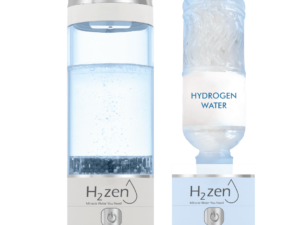
Common production methods include direct gas infusion under pressure, electrolytic generation, and magnesium-based tablets. Each method aims for specific concentration targets and stability.
At room temperature, solubility peaks near 1.6 ppm. Concentration falls over time if containers are permeable.
Electrolyzed hydrogen water (EHW) vs hydrogen-dissolved water
Electrolysis produces gas at the cathode and yields alkaline output (pH ~9–10) due to hydroxyl formation. The anode side becomes acidic. Electrolyzed systems can shift pH, while direct infusion and tablets do not alter pH at atmospheric pressure.
In lab models, claims about reactive species scavenging differ. EHW may show distinct properties versus simply dissolved gas, and concentration control varies by device quality.
| Method | Typical Concentration | pH Change | Stability Notes |
|---|---|---|---|
| Direct gas infusion | Up to ~1.6 ppm | No change at atmospheric pressure | Retention depends on sealed, low-permeability containers |
| Electrolysis (EHW) | Variable; device-dependent | Alkaline at cathode (pH 9–10) | May produce longer initial concentration but pH differs |
| Magnesium tablets | Low to moderate | No significant pH change if buffered | Convenient but H2 escapes quickly in plastic/glass |
Packaging matters: Hydrogen escapes faster from plastic and glass. Aluminum cans or specialized metal bottles hold gas longer. Also, enrichment does not remove oxygen from the liquid and does not change tissue oxygenation directly.
For help choosing devices and packaging suited to Malaysia, contact Wellness Group for product selection guidance at product selection help or WhatsApp +60123822655 (Mon–Fri 9:30 am–6:30 pm; Sat–Sun 10 am–5 pm).
How Hydrogen Works in the Body: Antioxidant and Anti-Inflammatory Pathways
Cellular studies suggest that certain dissolved gases intercept highly reactive radicals and alter downstream signaling tied to inflammation.
Targeting the most reactive radicals
Molecular H2 selectively scavenges hydroxyl radicals (-OH) and peroxynitrite (ONOO−). This selectivity limits broad suppression of useful reactive oxygen species. As a result, normal redox signaling stays intact while the worst oxidants are reduced.
NF-κB downregulation and Nrf2 activation
Clinical data show reduced NF-κB/TLR activity in PBMCs after four weeks of intake (1.5 L/day HRW), with lower IL1B, IL8 and IL6R transcripts. In models, Nrf2 activation raises antioxidant defenses like HO-1 and glutathione.
Cell and mitochondrial protection
Lower oxidative stress means less damage to lipids, protein, and DNA. Studies report anti-apoptotic signals in ischemia–reperfusion models and improved mitochondrial resilience in cell experiments.
“Interruption of ROS-inflammation crosstalk may explain why reduced markers translate into better cellular resilience.”
| Pathway | Observed Change | Model/Setting |
|---|---|---|
| Hydroxyl & ONOO− scavenging | Selective reduction | In vitro and animal models |
| NF-κB / pro-inflammatory transcripts | Downregulation (IL1B, IL8, IL6R) | Human PBMCs after HRW intake |
| Nrf2 and antioxidant enzymes | Activation; ↑ HO-1, ↑ glutathione | LPS and colitis models |
Limitations: findings are promising, but larger trials are needed to link molecular changes to clear clinical outcomes. Some electrolyzed products may show extra scavenging in lab tests, possibly via platinum nanoparticle catalysis.
Electrolyzed Hydrogen Water (EHW) vs Hydrogen-Rich Water: What Studies Show
Lab comparisons now show notable differences between electrolytic devices and sealed infusion methods when tested at the same dissolved gas levels.
Key laboratory findings: in HT1080 cell models, EHW at ~0.9 ppm produced roughly five times greater ROS scavenging than dissolved-gas samples at the same measured concentration. After degassing, about 60% of that activity remained, suggesting a non-gaseous catalytic component.
Platinum nanoparticle hypothesis
Analyses point to small Pt clusters (≈≥2.2 ppb) shed from electrodes. These particles may catalyze conversion of H2 into highly reductive species (H·), boosting antioxidant activity beyond what dissolved gas alone would predict.
Stability, dosing, and administration notes
Both EHW and pre-packaged or tablet-based solutions show benefits in human reports—IBD, gastric injury, neuroinflammation, and dialysis settings among them. Still, clinical outcomes matter more than in vitro signals.
- Administration: EHW often comes from home generators or clinic systems; HRW is available in sealed cans, tablets, or infusion units.
- Stability: dissolved concentration falls over time; container material and seals matter for retained activity.
- Practical point: consistent dosing and timing are relevant—animal models show effects at low concentrations.
“Device quality, electrode composition, and maintenance affect both performance and safety.”
For Malaysian consumers: evaluate measured concentration, device certification, and after-sales support. For tailored guidance on use during pregnancy, see hydrogen water while pregnant. Practical dosing and safety guidance appear later in this guide.
What the Evidence Says: From Pilot Studies to Clinical Trials
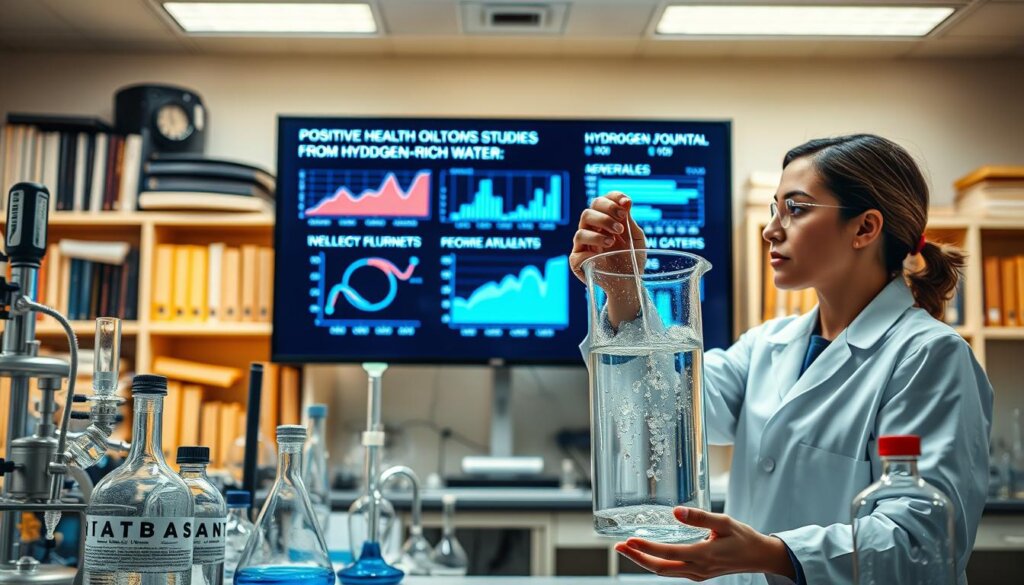
A clinical pathway is visible: initial pilot work led to randomized designs that track serum markers and functional outcomes over defined weeks.
Study designs and sample size
Early research used small pilot study formats before moving to randomized, double-blind clinical trial setups. Typical size remains modest; many trials have fewer than 50 participants, which limits power and calls for replication.
Intervention period and outcomes
Intervention windows span about 2–10+ weeks. Shorter trials (2 weeks) can show vascular gains — an RHI rise of +25.4% was reported — while 4-week studies reveal molecular shifts.
Key results and serum analyses
Notable findings include increased antioxidant potential, lower inflammatory signaling, and improved serum glucose and lipids in select trials. A randomized trial (n=38) using 1.5 L/day for 4 weeks reduced PBMC apoptosis, lowered CD14+ counts, and downregulated NF-κB/TLR transcripts.
- Cardiometabolic studies with higher doses (>5.5 mmol/day) reported better HbA1c, cholesterol, BMI, and waist-to-hip ratios.
- Responses vary by baseline stress and patient group; quality markers like randomization and blinding matter for trust in results.
Next: condition-specific sections will unpack patient-level outcomes and serum biomarker trends.
For product guidance in Malaysia, see the joint flexibility guide.
Therapeutic effect of hydrogen water: Core Benefits Summarized
Multiple human studies now show repeatable shifts in immune and redox markers following sustained intake. These findings map to consistent lab signals across different groups in Malaysia and beyond.
Reductions in oxidative stress markers and apoptosis
Clear signals: several trials report lower PBMC apoptosis and reduced markers of lipid peroxidation. For example, athletes saw improved MDA and higher SOD and total antioxidant capacity after eight weeks.
In metabolic syndrome cohorts, antioxidant enzyme activity rose (~SOD +39%) while TBARS dropped (~−43%). These shifts align with measurable reduction in oxidative damage and better serum redox levels.
Trends in immune modulation (CD14+ cells, cytokines)
Immune trends include fewer CD14+ monocytes and lowered pro-inflammatory transcripts such as IL1B, IL8, IL6R, and TNFRSF10B. Transcriptomic changes tracked with reduced NF-κB signaling in some studies.
- Biomarker coherence: antioxidant rises and lower lipid peroxidation often occur together.
- Tolerability: these biomarker improvements were reported without meaningful adverse events in trial patients.
- Variability: benefits were stronger in participants with higher baseline oxidative stress and older age groups.
“Biomarker shifts often translate into better recovery and reduced fatigue, but larger trials are needed to define magnitude across patient groups.”
Bottom line: evidence points to reproducible reductions in oxidative stress and immune activation after weeks of regular intake. Results are encouraging, yet heterogeneity means dosing and duration may require personalization. Next sections will review condition-specific data in cardiometabolic, liver, kidney, and mental health.
Exercise, Recovery, and Performance: Hydrogen Water in Sports
Athletes and coaches now look for safe, small changes that might speed recovery after high-intensity sessions. High-intensity activity raises reactive oxygen species and heightens oxidative stress, which can drive fatigue and slow repair.
Fatigue, lactic acid, and ventilatory efficiency
Short trials show promise. A 7-day nano-bubble study improved anaerobic output in trained cyclists.
Other protocols report less lactic acid and better ventilatory efficiency when a pre-workout drink was used. These early results come from small study models.
Mixed results and athlete variability
In runners, 1680 mL given pre-race helped slower competitors by ~1.3% but had unclear benefits for the fastest group.
Eight-week youth data showed lower MDA and pro-inflammatory cytokines, and higher SOD and TAC levels.
- Practical note: try dosing before and after sessions; benefits often build over weeks.
- Response varies with training status, baseline stress, hydration, and recovery habits.
“Individual trials, tracking perceived fatigue and heart-rate recovery, help athletes judge real gains.”
Cardiovascular Health and Lipids: What’s Promising and What’s Pending
Small patient cohorts have shown promising changes in cholesterol markers and endothelial function after short trials.
In several controlled reports, total cholesterol, LDL-C and apoB fell after 8–10 weeks in small groups. HDL function also improved in selected patients. Stronger lipid responses were noted in smokers, suggesting baseline oxidative burden may shape results.
Endothelial responsiveness improved in one study: reactive hyperemia index rose ~25.4% after two weeks, a sign of better microvascular reactivity. These gains matter because vascular responsiveness links to longer-term disease risk.
Inflammation and signaling trends tracked with lowered NF-κB transcripts in blood cells. That moderation may reduce cardiovascular risk over time if sustained.
Metabolic syndrome trials reported favorable serum changes: lower glucose, improved HbA1c, and modest BMI and waist-to-hip gains. These results are encouraging but come from small samples.
- Safety: no meaningful adverse events reported in cardiovascular-focused work.
- Practical: combine this approach with diet, exercise, and standard medications—do not replace care.
- Monitoring: check lipids and glucose while trialing for several weeks; dosing guidance appears later.
“Larger, longer trials are needed to confirm hard cardiovascular outcomes and guide patient-level recommendations.”
Metabolic Syndrome and Glycemic Health
Regular intake showed measurable shifts in blood sugar and body composition in some randomized trials. High-concentration HRW (>5.5 mmol per day) improved fasting glucose and HbA1c in a double-blind trial over several weeks.
Other studies using 1.5–2 L daily found big oxidative stress gains: SOD rose ~39% and TBARS fell ~43%. HDL rose about 8% while fasting glucose sometimes stayed unchanged.
Practical takeaways for patients
Body composition: trials reported smaller BMI and better waist-to-hip ratios, suggesting modest fat loss or distribution changes.
Mechanism: oxidative stress reduction (higher SOD, lower TBARS) may help insulin signaling and lipid handling.
- Responses vary by dose, baseline levels, and study length.
- Try a consistent, weeks-long trial while tracking glucose, weight, and waist.
- Use this as an adjunct to diet, activity, and prescribed treatment under physician supervision.
| Outcome | Reported Change | Typical Protocol |
|---|---|---|
| HbA1c & fasting glucose | Lowered in high-dose trials | >5.5 mmol/day for several weeks |
| Oxidative markers | SOD ↑39%, TBARS ↓43% | 1.5–2 L/day over 8 weeks |
| Body measures | BMI and waist-to-hip ratio improved | Daily intake with lifestyle measures |
“Follow-up labs help verify meaningful serum changes and guide ongoing care.”
Liver Function Support: Hepatitis B and NAFLD Insights
Recent small studies have tracked how regular hydrogen administration changes HBV DNA and serum oxidative markers in treated patients. These reports focus on clinical signals rather than conclusive outcomes. The findings suggest consistent trends after several weeks of daily intake.

Oxidative stress reduction and enzyme trends
In chronic hepatitis B, 1,200–1,800 mL/day given twice daily correlated with lower liver enzymes and reduced oxidative burden. NAFLD pilots showed favorable enzyme and inflammation trends, though samples were small.
HBV DNA changes and clinical relevance
Some patients had modest HBV DNA reduction alongside enzyme improvement. These shifts may reflect lowered inflammatory protein signaling and improved hepatocyte resilience, not antiviral replacement.
- Adjunctive role: this approach complements antiviral or metabolic treatment, not replace it.
- Monitoring: patients should check HBV DNA and liver enzymes with their hepatologist while using this adjunct.
- Adherence: several weeks of consistent intake were needed to see serum changes.
| Condition | Protocol | Reported Change |
|---|---|---|
| Chronic Hepatitis B | 1,200–1,800 mL/day (twice daily) | Lower ALT/AST; reduced HBV DNA in some patients |
| NAFLD | Daily intake over weeks | Improved enzymes; reduced inflammatory markers |
| General notes | Adjunctive + lifestyle (weight, alcohol) | No safety signals; requires hepatologist oversight |
“Current evidence is promising but requires larger trials to confirm magnitude and durability.”
Kidney Health and Dialysis: Fatigue, BUN, and Oxidative Stress
Hemodialysis sessions create a high-oxidant environment that contributes to patient fatigue and lab changes.
Why oxidative burden rises: blood contact with dialysis membranes and repeated inflammation raise reactive species. This can worsen fatigue, impair recovery, and link to higher BUN and inflammatory markers.
Electrolyzed hydrogen during dialysis
Small clinical work shows that integrating electrolyzed hydrogen into hemodialysis solutions lowered BUN and reduced markers of oxidative stress during sessions.
Patients reported less fatigue on treatment days and on off-days. End-stage renal disease cohorts also showed higher antioxidant activity and lower inflammatory transcripts after routine intake.
- Real-world delivery: clinics can add EHW at the chairside so dosing aligns with scheduled sessions.
- Tolerability: reports note good safety and easy integration with regular care.
- Practice tip: nephrology teams should track labs and symptoms while adjusting protocols.
“Improved antioxidant activity may translate into better quality of life for dialysis patients.”
Note: individual responses vary. Larger trials are needed to confirm long-term renal outcomes and define optimal levels and protocols.
Mental Wellbeing: Mood, Stress, and Inflammation Links
Mood and perceived stress often reflect small shifts in inflammation and cellular signaling. Emerging human work shows that routine intake can alter mood scores and inflammatory markers over weeks.
NF-κB, cytokines, and perceived mood
Biological bridge: NF-κB links psychological stress to raised pro-inflammatory protein production in cells. That rise can feed back to mood and sleep.
Small healthy-adult trials reported improved anxiety and mood after four weeks of regular hydrogen water intake. In a trial with women who had panic disorders, 1500 mL/day plus therapy cut IL-6, IL-1β, IL-12 and TNF-α more than placebo, though clinical scores improved similarly between groups.
“Lowered cytokine levels suggest a biological shift that may support psychotherapy, not replace it.”
| Population | Protocol | Reported change |
|---|---|---|
| Healthy adults | 4 weeks daily intake | Better mood/anxiety scores |
| Women with panic disorders | 1500 mL/day + therapy, 3 months | ↓ IL-6, IL-1β, IL-12, TNF-α |
| General notes | Consistent dosing over weeks | Individual variability; safe adjunct |
Practical points: view daily intake as an adjunct to therapy or meds. Track sleep, mood, and energy while trying it for several weeks. Speak with a clinician if on psychiatric medications. Larger randomized trials are needed to confirm these early signals and define optimal levels and dosing.
Oncology as Adjunctive Care: Early Signals Only
Preclinical studies hint that adjunct intake during chemotherapy can alter the tumour microenvironment.
Why this matters: oxidative stress and fibrosis shape how tumours respond to drugs. Less collagen and lower tissue stiffness can improve drug penetration and healing after injury.
Tumour microenvironment and fibrosis
Animal and cell models show that lowered oxidative burden can reduce fibrosis markers. In colorectal cancer models, HRW plus 5-FU produced smaller tumours and less collagen content.
What reviews say
A systematic review screened hundreds of articles and found 27 relevant reports that suggest potential improvements in prognosis, quality of life, and tumour metrics when molecular adjuncts are used with standard oncology care.
Key cautions for patients: human data remain limited and early. This is investigational, not a replacement for evidence-based cancer treatment.
- Always consult the oncology team before adding HRW or EHW.
- Consider timing with chemo cycles, hydration status, and possible interactions.
- Document symptoms, fatigue, appetite, and any side effects while under medical supervision.
“Current data are promising but preliminary; larger clinical trials are needed to confirm safety and benefit.”
| Topic | Findings | Clinical note |
|---|---|---|
| Preclinical models | Smaller tumours, ↓ fibrosis with HRW + 5-FU | Supports further human trials |
| Systematic review | 27/677 articles suggest improved QoL and tumour metrics | Heterogeneous studies; cautious interpretation |
| Patient guidance | Good tolerability reported; unknowns remain | Use only as adjunct with oncology oversight |
Infectious Disease Context: What We Learned From COVID-19
COVID-19 showed how immune overactivation and oxidative damage drive worse outcomes.
Clinical reports linked severe cases with a cytokine cascade and high oxidative stress that harmed lungs and organs.
Inflammation, cytokine cascade, and breathing
Small trials tested adjunct therapies that aimed to calm cytokine storms and ease airway resistance.
Some protocols used inhalation of low-concentration gas and reported lower cytokine levels and improved breathing in mild-to-moderate patients. Drinking sealed solutions showed systemic signaling changes that sometimes lasted briefly after clearance.
- Key distinctions: inhalation targets the lung more directly; drinking supports whole-body signaling and is easier at home.
- Findings remain preliminary; robust randomized trials are needed to confirm clinical benefits and safety in acute care settings.
- For recovery phases, daily hydration with adjunct products may help reduce inflammation and support repair when used alongside medical care.
“Adjunct approaches showed promise in reducing cytokine cascades and easing respiratory resistance in early reports.”
Practical note: standard public health measures and clinical treatment remain primary. Patients should consult clinicians before adding any adjunct during acute illness.
Safety, Dosing, and Practical Administration
Practical steps on dosing and safe administration help people try these products responsibly.
Typical intake, concentration, and trial period
Clinical protocols often use 1.5–2.0 L per day taken across meals. High-concentration formats delivered >5.5 mmol H2 daily in metabolic trials.
At room temperature, solubility peaks near 1.6 ppm. That limit sets realistic expectations for single servings and total daily dose.
Administration tips and timing
Consume soon after opening and keep sealed containers chilled. Aluminum cans and certified metal bottles hold gas longer than plastic or glass.
Timing: try a morning plus pre/post-workout routine for performance, or morning and evening for steady signaling.
Safety, GRAS, and adverse events
H2 in beverages holds GRAS status in the U.S. Excess gas is exhaled and studies report no cytotoxicity at tested levels.
Inhalation is a clinical route and not required for routine wellness trials. Track symptoms and, when relevant, serum markers under clinician advice.
- Trial period: test for 4–8 weeks to gauge personal response.
- Storage: prefer aluminum or certified bottles to retain concentration.
- Monitoring: record energy, sleep, and any lab changes with care input.
“Start with common clinical ranges and consult a clinician for higher-dose treatment plans.”
For tailored dosing and product advice in Malaysia, contact Wellness Group at +60123822655 (Mon–Fri 9:30 am–6:30 pm; Sat–Sun 10 am–5 pm).
How to Choose Hydrogen Water in Malaysia
A clear buying checklist helps people match production methods to lifestyle and goals.
Evaluating generators, tablets, and packaging
Compare methods: EHW generators provide on-demand supply but require maintenance and may shed trace platinum nanoparticles. Tablet and infusion formats are simple, yet concentration and stability vary.
Packaging matters. Hydrogen escapes faster from glass and plastic. Aluminum cans or certified multilayer bottles hold gas longer and preserve measured concentration at the point of consumption.
Practical purchase tips
- Ask for ppm measured at opening, not just at production.
- Check electrode materials, warranty, and after-sales support for generators.
- Start with trial sizes, track energy or recovery, then scale if helpful.
- Prefer brands with third-party testing and transparent data.
Message Wellness Group on WhatsApp for a side-by-side comparison tailored to goals: +60123822655.
Business hours: Monday–Friday 9:30 am–6:30 pm; Saturday–Sunday 10 am–5 pm.
| Option | Typical concentration | Pros | Cons |
|---|---|---|---|
| EHW generator | Variable (device-dependent) | On-demand; higher initial ppm possible | Requires maintenance; electrode wear |
| Magnesium tablets | Low–moderate | Portable; low cost | Rapid loss if stored in plastic |
| Pre-packaged cans/bottles | Measured at fill | Consistent ppm; good retention if aluminum | Single-use cost; storage matters |
Conclusion
Conclusion
Across trials and observational work, regular intake produced measurable changes in oxidative and inflammatory markers. Early studies show meaningful biological effects on oxidative stress, inflammation signaling, and cell protection after multi‑week use.
Encouraging signals span cardiovascular markers, metabolic measures, exercise recovery, liver trends, dialysis fatigue, and mood scores. Safety profiles are strong and daily use is simple to add to a wellness routine.
Definitive answers for specific diseases need larger, longer studies. Readers should use this approach as an adjunct to standard care, track energy and labs, and pick products with measured concentration and durable packaging.
For tailored advice and product recommendations in Malaysia, message Wellness Group on WhatsApp: +60123822655 (Mon–Fri 9:30 am–6:30 pm; Sat–Sun 10 am–5 pm). Thank you for using this article as a trusted starting point.
FAQ
What is molecular hydrogen and how does it get into drinking water?
Molecular hydrogen (H2) is a colorless, odorless gas. It is introduced into water either by dissolving H2 gas directly, by electrolysis that generates dissolved hydrogen (electrolyzed hydrogen water, EHW), or via tablets and cartridges that release H2 when they react with water. Each method affects concentration and short-term stability.
How might H2 interact with oxidative stress in the body?
H2 can selectively neutralize strong oxidants like hydroxyl radicals and peroxynitrite, helping reduce oxidative damage. It also appears to modulate signaling pathways such as downregulating NF-κB and activating Nrf2, which can boost endogenous antioxidant responses and lower inflammatory signaling.
Are the reported benefits based on solid clinical trials or only animal studies?
Evidence comes from both preclinical models and human pilot studies and randomized trials. Many small clinical trials report reduced oxidative markers, improved inflammatory profiles, or physiological benefits across weeks of intake, but larger, multicenter trials are still limited. Results are promising yet preliminary for several conditions.
What conditions have shown the most consistent improvements in trials?
Studies most consistently report reductions in oxidative stress markers, some improvements in exercise recovery and ventilatory efficiency, and modest changes in lipid or glycemic measures in selected populations. Liver and kidney pilot data are encouraging, but more robust trials are needed for clinical recommendations.
How much dissolved H2 should someone drink and for how long?
Typical trial regimens range from daily intake of hydrogen-rich water with concentrations around 0.5–1.6 ppm to higher short-term doses, over periods from several days to weeks. Exact dosing varies by device, tablet, or inhalation protocol. Users should follow product instructions and consult a clinician for long-term use.
Is electrolyzed hydrogen water (EHW) better than hydrogen-dissolved water from tablets or gas cylinders?
Each form has pros and cons. EHW is produced on-site and can offer continuous supply but may introduce trace catalysts. Dissolved H2 from tablets or gas can give controlled concentrations and fewer byproducts. Stability, platinum nanoparticle concerns, and packaging all affect choice; evidence does not conclusively favor one method for all uses.
Are there safety concerns or side effects reported in human studies?
Human trials and safety reviews report few serious adverse events. Mild gastrointestinal complaints are occasionally noted. H2 is generally well tolerated at concentrations used in trials, and many regulators consider low-level exposure safe, but long-term surveillance data remain limited.
Can H2 help athletes with recovery and performance?
Several studies show reduced fatigue markers, lower lactic acid accumulation, and improved recovery metrics in some athletes. Results vary by sport, training status, and dosing, so benefits may be individual. H2 may aid recovery but is not a guaranteed performance enhancer.
Does H2 water improve cardiovascular risk markers like LDL, HDL, or endothelial function?
Some trials report modest improvements in cholesterol fractions, apoB, and endothelial function measures such as reactive hyperemia index. Findings are mixed and often small; larger trials are necessary to confirm meaningful cardiovascular risk reduction.
How might H2 influence metabolic syndrome and glycemic control?
Pilot studies indicate potential reductions in fasting glucose, HbA1c, and improvements in BMI or waist measures in selected groups after weeks of intake. Effects are generally modest and should be considered adjunctive to diet, exercise, and standard medical care.
Is there evidence for benefits in liver disease or hepatitis B?
Early studies suggest reductions in oxidative stress and trends toward improved liver enzymes in NAFLD and some hepatitis B cohorts. Changes in HBV DNA remain unclear; H2 is not an antiviral replacement. Clinical relevance requires larger, longer trials.
Can patients on dialysis use hydrogen-rich fluids during treatment?
Trials using electrolyzed hydrogen water during hemodialysis report reduced fatigue and lower oxidative markers in some patients. Implementation should follow nephrology guidance and use certified dialysis-compatible preparations.
Are there interactions with medications or risks for people with chronic disease?
No widespread harmful interactions have been reported, but data are limited. Patients taking immunosuppressants, anticoagulants, or other critical medications should consult their physician before regular use, as H2 can modify signaling pathways involved in inflammation and oxidative stress.
How stable is dissolved H2 and what affects retention?
Dissolved H2 dissipates quickly—often within hours—especially with open containers, warm temperatures, or agitation. Packaging, pressure-sealed bottles, refrigerated storage, and specialty generators or tablets that release H2 on demand improve retention.
Does inhaled molecular hydrogen differ from drinking H2-rich liquids?
Inhalation delivers H2 directly to the lungs and systemic circulation and can achieve higher, quicker tissue levels useful in acute settings in research. Oral intake provides a milder, sustained exposure and is more practical for daily use. Choice depends on clinical goals and safety oversight.
What should consumers look for when choosing H2 products in Malaysia?
Check H2 concentration data, production method (generator, tablet, or bottled), packaging that preserves gas, and third-party testing. Consumers in Malaysia may seek guidance from reputable wellness clinics and verify operating hours and contact details before purchase or consultation.
Where can someone get personalized advice about using hydrogen products?
They should consult licensed healthcare providers or certified wellness centers that can review medical history, current treatments, and goals. For product-specific help in Malaysia, contact local wellness groups or clinics during business hours for tailored recommendations.