One survey found that interest in infused water rose by over 40% in two years. That shift helps explain why readers in Malaysia ask for a clear, fact-first guide.
Wellness Group lays out what this product is, how machines and tablets add extra gas molecules, and why packaging matters. It notes that cans and pouches keep dissolved gas better than flimsy bottles.
Claims range from faster recovery to antioxidant support, yet clinical research remains small and cautious. FDA lists the drink as GRAS, but researchers urge careful reading of study size and design.
Practical tips explain when to drink and how freshness affects real impact. Readers can also follow a detailed cleansing angle via hydrogen water for cleansing for local context and product options.
Key Takeaways
- Interest in infused water is growing across Malaysia; Wellness Group offers a friendly, factual guide.
- Packaging and freshness strongly affect dissolved gas levels and real-world results.
- Small studies show promise for antioxidant support and recovery, but evidence is limited.
- Safety is generally recognized, yet standardized dosing and long-term data are lacking.
- Contact Wellness Group via WhatsApp +60123822655 for product guidance during listed hours.
Hydrogen-Rich Water in Malaysia Today: Why People Are Talking About It
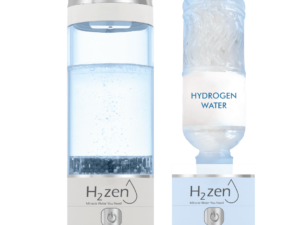
Ready-to-drink cans and sealed pouches have made hydrogen water easy to buy in stores and online across Malaysia. Tablets and compact home machines add more options for daily use.
Interest grew after claims about reduced inflammation, faster athletic recovery, and help for metabolic risk factors. Yet research and human studies remain small and varied in design.
- Consumers ask how much to drink per day and whether packaging affects freshness.
- Products are compared with regular water as an added functional choice, not a replacement.
- Social posts often cite studies without full context; readers want clearer, realistic takeaways.
| Format | Typical cost | Hydrogen retention | Best use |
|---|---|---|---|
| Cans | Mid | High | Ready-to-drink |
| Pouches | Low–Mid | High | Portable |
| Tablets | Low | Variable | On-the-go mixing |
| Home machines | High | Depends on unit | Daily use |
Wellness Group helps Malaysia-based customers compare options and set expectations. Contact via WhatsApp +60123822655 during business hours for local availability and advice.
What Are the Hydrogen Water Health Benefits?
Small clinical and athlete trials suggest that infused drinks can change several markers tied to recovery, lipids, and inflammation. Results vary by dose, population, and study length.
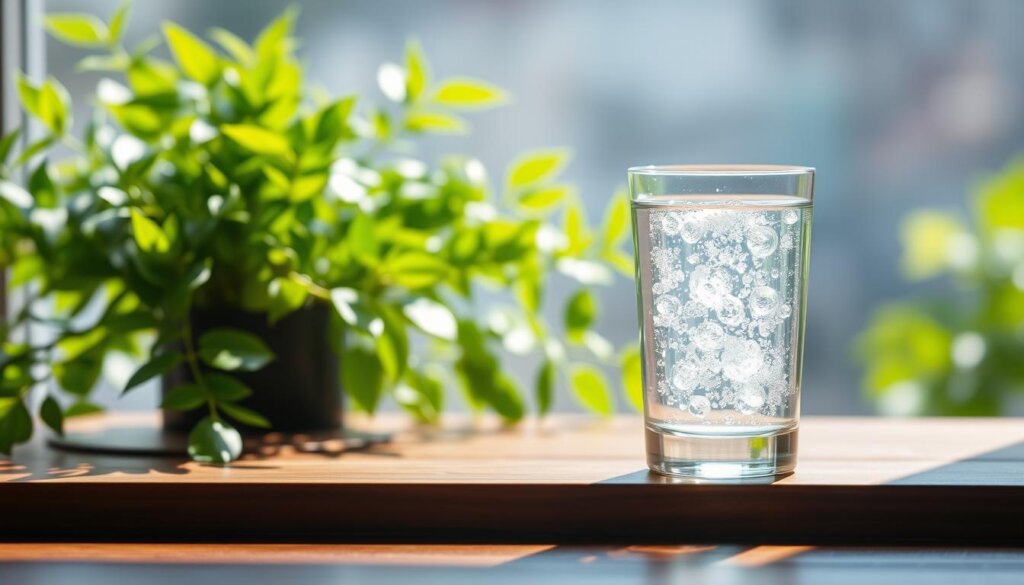
Antioxidant potential
Clinical signals: An eight-week trial in patients receiving radiation for liver cancer showed reduced hydroperoxide and preserved antioxidant activity with 1.5–2.0 liters daily.
Contrast: A four-week trial in healthy adults drinking 600 ml daily found no clear change in oxidative stress markers.
Metabolic and blood markers
A 10-week study in adults at metabolic syndrome risk reported lower total and LDL cholesterol, higher HDL, and reduced inflammatory markers with about 1.0 liter per day.
Performance, fatigue and conditions
In small athlete trials, 1.5–2.0 liters linked to lower blood lactate, less perceived fatigue, and improved sprint power in cyclists. Other small studies report reduced inflammation in some autoimmune cases and skin improvements after bathing with hydrogen-rich water.
| Area | Typical dose | Reported effect |
|---|---|---|
| Oxidative markers | 1.5–2.0 L/day | Lower hydroperoxide in cancer trial |
| Metabolic signals | 0.9–1.0 L/day | Improved LDL/HDL, lower TNF-α |
| Athletic performance | 1.5–2.0 L/day | Lower lactate, less fatigue, better sprint power |
Bottom line: Early studies show promise but are small. For personalized advice in Malaysia, contact Wellness Group via this hydrogen water guide or WhatsApp +60123822655 during open hours.
Hydrogen Water Explained: From Molecular Hydrogen to Alkaline Claims
This section clarifies how added gas transforms plain hydration into a marketed functional drink and why packaging and pH matter.
What it is
Hydrogen gas is dissolved into pure water so that extra molecular hydrogen is present as free molecules. The aim is to deliver those molecules in a drinkable form that reaches consumers easily.
How it’s made and packaged
Producers infuse gas under controlled conditions, then seal product in non‑permeable cans or foil pouches to limit escape. Tablets and home generators offer DIY options, but output and concentration vary.
Hydrogen formats versus alkaline options
Alkaline water refers to higher pH, not dissolved hydrogen. A product can be alkaline without meaningful added hydrogen, and vice versa. Consumers should read labels for dissolved hydrogen concentration rather than pH alone.
“Non‑permeable packaging and prompt consumption after opening help preserve dissolved gas.”
| Format | Retention | Notes |
|---|---|---|
| Cans / pouches | High | Best for bottled molecular hydrogen |
| Tablets | Variable | Convenient but concentration differs |
| Home machines | Depends on unit | Good for daily use when well‑maintained |
Practical tip: Labels may mention oxygen or pH, but look specifically for dissolved hydrogen concentration and serving guidance. Regular water already keeps people hydrated; added formats are an optional extra, not a replacement for basic intake.
For product comparisons or to ask which format suits a lifestyle in Malaysia, contact Wellness Group on WhatsApp at +60123822655 during business hours.
What the Research Says at Present
A patchwork of short trials and pilot work forms the present evidence base. Readers should treat signals as provisional because many trials use small groups and brief follow-up.
Small study landscape and why sample size matters
Most clinical work includes small samples of athletes, adults with metabolic risk, or patients during treatment. Small numbers limit statistical power and make results less reliable when applied to wider groups.
Dose and concentration variability across products
Published studies range from about 600 ml to 2 liters per day. Results often depend on both volume and dissolved hydrogen concentration, and brands show real variability in output.
Safety status and current expert caution
Safety so far looks reassuring. Regulatory notes list this drink as GRAS, and no major adverse trends dominate the literature.
Where evidence is promising and where it’s inconclusive
- Promising: reduced oxidative stress markers in some patient groups, modest performance gains in athletes, and better metabolic signals in at‑risk adults.
- Inconclusive: effects in healthy adults and long‑term disease outcomes remain uncertain due to study size and design differences.
“Larger, longer, controlled trials are needed to confirm who benefits, at what dose, and under which conditions.”
| Topic | Typical dose seen | Current signal |
|---|---|---|
| Oxidative stress | 1.5–2.0 L/day | Positive in small patient trials |
| Metabolic markers | 0.9–1.0 L/day | Improved LDL/HDL in one study |
| Performance | 1.5–2.0 L/day | Modest reduction in fatigue |
For evidence-focused product support and best practices, contact Wellness Group via WhatsApp at +60123822655, Mon-Fri 9:30 am-6:30 pm; Sat-Sun 10 am-5 pm.
How to Use Hydrogen Water Day to Day
Practical timing and handling help users test if added gas fits a routine. For many, short windows around activity show the clearest signals.
When and how much to drink for potential benefits
Published work used volumes from about 600 ml up to 2 liters per day. One athlete trial used 1,500 ml (about 51 ounces).
People often try drinking hydrogen water 10–30 minutes before exercise and again soon after to explore recovery and stress responses.
Containers, freshness, and why timing after opening matters
Freshness matters: non‑permeable cans or foil pouches keep dissolved gas best. Open-and-drink approaches reduce loss.
Resealing helps a little, but hydrogen can quickly escape once the seal breaks, so drink promptly for higher concentration.
Can you boil it, and what about tablets and home machines?
Boiling drives off dissolved gas, returning the liquid to regular water and reducing any claimed effects.
Tablets and generators offer convenience, but output varies by brand and handling; follow instructions to maximize dissolved gas before drinking.
“Integrate servings with regular hydration across the day and track energy, fatigue or recovery to see personal responses.”
| Use case | Typical serving | Practical tip |
|---|---|---|
| Pre-workout | 300–500 ml | Drink 10–30 minutes before exercise |
| Post-workout recovery | 300–1,000 ml | Consume soon after activity |
| Daily trial | 600 ml–2 L/day | Start small; adjust by response |
For tailored daily routines and product selection in Malaysia, message Wellness Group on WhatsApp at +60123822655 during business hours.
Who Might Benefit Most in Malaysia
Many Malaysians test this product around activity to judge potential benefits for recovery and daily energy.
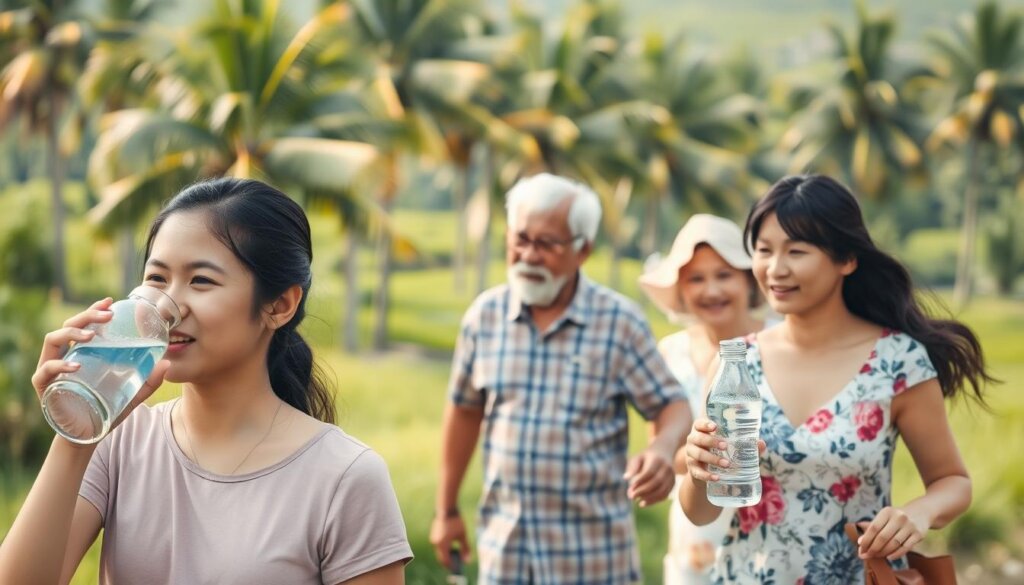
Active adults and athletes
Active people may notice faster recovery and small gains in performance when they drink servings before and after exercise.
Small trials suggest lower lactate, less fatigue, and better sprint output in some athletes. This product may support training when paired with rest and proper nutrition.
Adults with metabolic or inflammatory concerns
Adults at risk of syndrome often track cholesterol and inflammatory markers while testing daily use for about ten weeks.
Early reports show modest shifts in lipids and inflammatory signals, but evidence is limited for long-term outcomes.
- Who tries it: busy people aiming for alertness and athletes targeting recovery.
- Consider: consult a clinician for existing conditions and use this drink with lifestyle changes.
Small studies hint at promise; larger trials are needed before firm claims are made.
For tailored advice in Malaysia, message Wellness Group on WhatsApp at +60123822655 during operating hours.
Choosing Quality Hydrogen Water Products
Pick formats that keep dissolved gas until you drink. Non‑permeable cans and foil pouches retain concentration best. Consumers in Malaysia should check specs and ask for third‑party verification when possible.
Non-permeable packaging and third-party claims
Prioritize sealed cans or pouches and brands that publish dissolved hydrogen levels at bottling and expected levels at consumption.
Seek transparency: independent lab reports or third‑party testing help confirm claims and serving guidance.
Comparing hydrogen-rich water, alkaline options, and generators
Remember that a higher pH (alkaline) does not equal more dissolved hydrogen or better results.
Tablets and home generators work, but output varies by design and upkeep. Follow preparation steps to capture peak concentration.
Reading labels for hydrogen concentration and serving size
Look for hydrogen gas concentration in ppm or mg/L, serving size, and shelf‑life. Match product specs to realistic serving routines.
| Format | Retention | Practical note |
|---|---|---|
| Cans / pouches | High | Best for ready use |
| Tablets | Variable | Check prep timing |
| Home generators | Depends | Require maintenance & proofed output |
“Use current research to set expectations and avoid unverified testimonials.”
Water good rules still apply: these products should complement solid hydration, not replace it. For product recommendations, verified specs and stock updates in Malaysia, WhatsApp Wellness Group at +60123822655 during business hours.
Conclusion
, This final note sums practical takeaways for readers in Malaysia.
Key message: small studies show reduced oxidative stress in some patients, modest gains in athletic performance at 1.5–2.0 L/day (about 51–68 ounces), and cholesterol shifts in short metabolic syndrome trials.
Results depend on dose, product concentration and timing around exercise or rest. Rapid consumption after opening and sealed cans or pouches help preserve dissolved molecules. Tablets and home generators work, but output varies by unit.
Hydrogen water remains GRAS, yet larger, longer studies are needed to confirm long-term effects. For product choices or a practical plan in Malaysia, message Wellness Group on WhatsApp +60123822655. Business hours: Mon–Fri 9:30 am–6:30 pm; Sat–Sun 10 am–5 pm.
FAQ
What is hydrogen-rich water and how does it differ from alkaline or regular water?
Hydrogen-rich water is plain H₂O with extra molecular hydrogen gas dissolved into it. It differs from alkaline water, which has a higher pH, and from regular water by its added dissolved gas. Unlike alkaline products, hydrogen-rich options aim to deliver antioxidant molecules rather than change acid-base balance.
Can drinking hydrogen-rich water reduce oxidative stress and neutralize free radicals?
Some small trials suggest molecular hydrogen acts as a selective antioxidant and may lower markers of oxidative stress. Results vary by study size and product concentration, so while findings are promising, they are not yet definitive for broad claims.
Is there evidence hydrogen-rich water helps cholesterol, triglycerides, or inflammation linked to metabolic syndrome?
Limited clinical studies report modest improvements in markers like triglycerides and inflammation for some participants. Larger, well-controlled trials are needed before experts can recommend it as a treatment for metabolic syndrome.
Will athletes see benefits in performance, lactate reduction, or reduced exercise fatigue?
A few small studies indicate possible reductions in perceived fatigue and lower lactate after intense exercise. Athletes may notice subtle recovery effects, but outcomes depend on dose, timing, and individual response.
Does hydrogen-rich water reduce inflammation or help immune-related conditions?
Early research points to anti-inflammatory signals in certain conditions, but evidence remains preliminary. Clinicians advise caution and recommend using it as a complementary measure rather than a primary therapy.
Can drinking hydrogen-rich water improve skin or slow signs of aging, including psoriasis?
Small studies and anecdotal reports suggest potential skin benefits, including reduced irritation in some psoriasis cases. More robust dermatological research is required to confirm long-term effects.
Could hydrogen-rich water boost daily energy, alertness, or reduce fatigue?
Some participants in trials reported better alertness and less fatigue. These subjective benefits may reflect reduced oxidative stress or improved recovery, but responses vary and placebo effects can occur.
Is there evidence hydrogen-rich water affects body fat or insulin resistance?
Minor trials show signals toward improved insulin sensitivity and small body fat changes in select groups. These findings are exploratory and should not replace lifestyle measures like diet and exercise.
How is hydrogen-rich water produced and sold (cans, tablets, machines)?
Manufacturers infuse molecular hydrogen into bottles, cans, or pouches, or sell tablets that release gas when dissolved. Home generators produce hydrogen on demand. Packaging quality affects how long gas stays dissolved.
Does boiling or heating hydrogen-rich water destroy the dissolved hydrogen?
Heating drives off dissolved gas quickly, so boiling or hot drinks will lose most hydrogen. To preserve concentration, consume cool or room-temperature servings shortly after opening.
How long does dissolved hydrogen remain in a container after opening?
Hydrogen is a tiny, mobile molecule that escapes packaging over hours. Non-permeable containers like aluminum cans or specialized multi-layer pouches hold it longer; glass and some plastics leak faster.
What concentrations and doses have studies used, and do they matter?
Studies use a wide range of doses, often reported in milligrams or parts per million (ppm). Higher dissolved concentrations and consistent daily intake tend to show stronger signals, but optimal dosing is not established.
Is drinking hydrogen-rich water safe?
Current research indicates good short-term safety for healthy adults. Regulatory agencies and experts urge caution for specific medical conditions; users should consult healthcare providers when in doubt.
Who might benefit most from trying hydrogen-rich water?
Active people seeking recovery support, and adults monitoring metabolic health or age-related inflammation, may see the most potential benefit. Individual response varies, so trialing a product while tracking effects is sensible.
How should someone choose a quality product or generator?
Look for non-permeable packaging, third-party testing, clear hydrogen concentration labeling, and reputable brands. Compare single-serve products, tablets, and generators based on convenience, cost, and measured ppm.
Are tablets and home generators as effective as prefilled cans or pouches?
Tablets and generators can produce effective concentrations but vary by formulation and maintenance. Prefilled cans often guarantee a measured initial concentration and retain gas longer when sealed properly.
Can hydrogen-rich water interact with medications or medical treatments?
There is limited data on interactions. People taking medications or undergoing treatment should consult their physician before adding hydrogen-rich products to their routine.
Where is research most promising, and where is it still inconclusive?
Promising areas include antioxidant effects, recovery after exercise, and markers of inflammation. Evidence is inconclusive for long-term disease prevention, metabolic disease treatment, and wide clinical application.
How often and how much should someone drink daily to test for benefits?
Studies use various regimens, commonly one to three 8–12 ounce servings per day. Starting with a single serving and observing effects, then adjusting frequency, helps assess individual response while limiting cost.