One systematic review pooled about 25–30 human articles, revealing antioxidant and anti-inflammatory signals across exercise, heart health, liver tests, mood, COVID-19 recovery, and aging.
The Wellness Group in Malaysia summarizes what this means for everyday well-being. They explain how molecular hydrogen is delivered in hydrogen-rich water and why oxidative stress and immune signaling matter for common conditions.
Key clinical highlights include immune shifts after 1.5 L/day for four weeks (reduced PBMC apoptosis and lower CD14+ monocytes) and metabolic gains after a 24-week, high-dose protocol (>5.5 mmol/day) that improved glucose, lipids, BMI, and markers like TNF-α and CRP.
Wellness Group frames these outcomes with a cautious note: early results are promising, but larger, rigorous research is still needed to set best practices. For local guidance, readers may contact the clinic via WhatsApp at +60123822655. Business hours: Mon–Fri 9:30 am–6:30 pm; Sat–Sun 10 am–5 pm.
Key Takeaways
- Human data show antioxidant and immune effects across several clinical areas.
- Short-term protocols produced measurable immune and molecular changes.
- Longer, higher-dose trials reported metabolic improvements in metabolic syndrome.
- Findings point to reduced oxidative stress and altered inflammatory signaling.
- Evidence is encouraging but requires larger, well-controlled trials.
- Wellness Group offers local interpretation and contact via WhatsApp for Malaysia.
User Intent and What This Ultimate Guide Delivers
This guide helps Malaysians sort clear clinical signals from hype about molecular hydrogen and related products. It aims to give practical, evidence-focused answers so readers can make informed choices about daily use and safety.
Who is this guide for in Malaysia
Health-conscious adults seeking reliable, science-backed information will benefit most. It suits people curious about potential benefits for energy, exercise recovery, cardiometabolic health, liver support, and mood.
What people want to learn
The guide explains how to read human research, which biomarkers matter, and realistic timelines for noticing effects. It compares formats, dosing ranges, and practical consumption tips for daily life.
- Evidence clarity: where outcomes are strong and where they remain exploratory.
- Practical advice: formats, budgets, and routines for everyday use.
- Safety notes: sensible monitoring and what to discuss with a clinician.
For tailored recommendations, product comparisons, or local availability, message Wellness Group on WhatsApp at +60123822655. Business hours: Mon–Fri 9:30 am–6:30 pm; Sat–Sun 10 am–5 pm.
Learn more about how hydrogen-rich water and cholesterol relate in a concise review at hydrogen-rich water and cholesterol.
Hydrogen Water 101: Molecular Hydrogen, Formats, and Terminology
Knowing how formulations differ makes choosing a device or tablet much easier.
What each term means:
Hydrogen-rich water vs hydrogen water vs electrolyzed-reduced water
Hydrogen-rich water refers to a solution with dissolved molecular hydrogen created by pressurizing H2 gas into water, often producing a supersaturated mix. Hydrogen water is a general label used on products.
Electrolyzed-reduced water as rich water also contains H2; the therapeutic redox agent in these forms is molecular hydrogen, which explains many reported antioxidant effects and redox function.
Delivery formats and practical choices
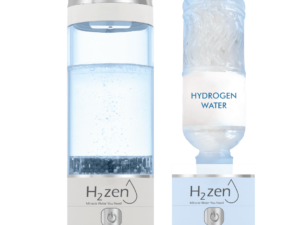
Common delivery options in Malaysia include generators, magnesium tablets, and ionizers. Generators give steady output for home use. Tablets are portable and can yield higher, brief concentrations.
| Format | Convenience | Typical H2 Output |
|---|---|---|
| Generators | Continuous home use, higher cost | Moderate–steady |
| Magnesium tablets | Portable, low cost | High short-term concentration |
| Ionizers | Easy tap integration, variable output | Low–moderate |
Tips: Drink soon after preparation to preserve dissolved gas. For daily consumption, choose tablets for bursts or generators for ongoing intake. Safety profiles show good tolerability in humans.
hydrogen water inflammation studies
Real-world trial data reveal where measurable biomarker changes have appeared and where gaps remain.
Snapshot of human evidence: A randomized, double‑blind trial gave 1.5 L/day of hydrogen-rich water for four weeks and found reduced PBMC apoptosis, fewer CD14+ monocytes, and downregulation of NF-κB‑linked transcripts (IL1B, IL8, IL6R, TNFRSF10B).
The longer, high-concentration protocol (24 weeks) reported lower TNF‑α, IL‑6, and CRP in people with metabolic syndrome. A pilot study in young athletes showed favorable trends in IL‑6, TNF‑α, and antioxidant capacity over eight weeks.
Key pathways and markers
NF-κB acts as a master switch for inflammatory gene expression. Modulating it may reduce cytokines and shift immune responses.
Researchers often pair cytokine panels with oxidative markers such as 8‑OHdG, BAP, and d‑ROMs to capture the redox–immune picture.
“Human data are encouraging but mixed; larger, standardized trials are needed to define clear clinical roles.”
- What to note: pilot data are exploratory; blinded clinical trials give stronger evidence.
- Dose, duration, and participant fitness can change outcomes.
- Practical takeaway: results are promising but not yet definitive; consult a clinician for individual guidance.
Mechanisms Proposed: Antioxidant, Anti-Inflammatory, and Anti-Apoptotic Actions
Researchers propose several molecular routes that link selective radical neutralization to better cell and tissue recovery.
Selective scavenging and redox signaling adaptations
Selective scavenging targets the most damaging radicals without blocking normal signalling. This helps preserve normal cellular function while reducing harmful damage.
Nrf2 activation, NF-κB downregulation, and immune cell shifts
Nrf2 activation raises antioxidant defenses. At the same time, downregulation of NF-κB lowers pro‑inflammatory gene expression seen after hydrogen-rich water intake.
From cells to tissues: implications for injury and recovery
Improved mitochondrial function and reduced PBMC apoptosis support healthier cells under stress. Shifts in CD14+ monocytes indicate immune remodeling that may aid tissue repair after exercise or metabolic injury.
| Mechanism | Observed Signature | Potential Outcome |
|---|---|---|
| Selective radical neutralization | Lower markers of oxidative stress | Less macromolecular damage |
| Nrf2 pathway | Higher antioxidant capacity (BAP) | Improved cellular resilience |
| NF-κB downregulation | Reduced pro‑inflammatory transcripts | Lower systemic inflammation |
| Immune remodeling | Fewer CD14+ monocytes, less PBMC apoptosis | Better recovery and preserved cell function |
“Mechanistic signatures align with biomarker changes, though further research will refine dosing and timing.”
- Timing and consistent dosing matter for measurable effects.
- Mechanisms likely act together, not in isolation.
Evidence in Healthy Adults: Oxidative Stress and Immune Modulation
Short-term intake produced detectable shifts in PBMC apoptosis, monocyte counts, and select oxidative markers in adult participants.

Changes in BAP, 8‑OHdG, and PBMC apoptosis
In a four-week randomized, double‑blind, placebo-controlled study, healthy subjects who drank 1.5 L/day of hydrogen-rich water showed reduced PBMC apoptosis and higher BAP in participants aged ≥30.
Levels of 8‑OHdG fell in both the HRW and plain drinking groups, while d‑ROMs did not change significantly. These differences clarify how antioxidant capacity can shift without identical responses across all oxidative metrics.
CD14+ monocytes, transcriptomics, and reduced inflammatory signaling
Frequency of CD14+ monocytes fell after the intervention, a possible sign of lower cellular injury signals in blood. PBMC RNA‑seq reported downregulation of TLR‑NF‑κB pathways and lower IL1B, IL8, IL6R, and TNFRSF10B transcripts.
- Takeaway: immune remodeling and antioxidant gains appeared without adverse signals in healthy subjects.
- Limitations: modest sample size and short duration may hide some effects; larger trials are needed.
- Practical tip: consistent daily intake and timing with meals help reproducibility; track energy, sleep, and training load alongside any lab tests.
Exercise and Recovery: Performance, Fatigue, and Oxidative Stress
Performance outcomes vary by sport, yet biochemical measures often point to improved cellular redox balance.
Findings in cyclists and runners
In trained cyclists, a 7‑day nano-bubble hydrogen-rich water protocol improved short anaerobic output and sprint capacity.
Pre-exercise hydrogen water has lowered blood lactate and, in some trials, improved ventilatory efficiency. Results in runners are mixed: slower runners sometimes see small gains while faster athletes show unclear change.
Youth athletes and biomarkers
Juvenile soccer players who used HRW for two months showed lower malondialdehyde, shifts in IL‑1 and IL‑6, reduced TNF‑α, and higher SOD and total antioxidant capacity.
“Signals on redox balance are consistent, but ergogenic claims should remain cautious.”
- Interpretation: training status, session intensity, and hydration shape effects.
- Pilot HRW before training blocks, not on race day, and track perceived exertion and recovery.
- Combine with sleep, protein, and polyphenols rather than relying on a single modality.
Metabolic Syndrome and Cardiometabolic Health
A 24-week, high-dose protocol revealed measurable cardiometabolic gains in adults with metabolic risk.
Key clinical changes included lower fasting glucose (121.5 → 103.1 mg/dL) and a roughly 12% fall in HbA1c. Triglycerides fell by about 47 mg/dL and total cholesterol dropped ~18.5% over six months.
Body composition improved: BMI and waist‑to‑hip ratio moved in favorable directions, suggesting better metabolic flexibility with combined lifestyle measures.
Redox balance and inflammation markers
Antioxidant status rose, with higher vitamins C and E and lower MDA, indicating less oxidative stress and healthier cellular redox balance. At the same time, TNF‑α, IL‑6, and CRP declined, aligning with reduced systemic inflammation.
Practical dosing and safety
The regimen used three tablets daily dissolved in cool water and consumed soon after preparation for maximal dissolved gas. Adherence was high and no adverse effects were reported during the 24‑week period.
Clinical context: these results are more pronounced than those from shorter, lower-dose trials and suggest a dose–duration relationship. HRW should be considered as an adjunct to diet, activity, and sleep.
Monitoring advice: Malaysians considering this approach are advised to track fasting labs at 12–24 weeks and discuss results with their clinician. For related cardiometabolic guidance, see the short review on blood pressure and HRW at hydrogen water and blood pressure.
Cardiovascular Function and Lipids
Human reports indicate clearer shifts in lipid profiles and vascular responsiveness when hydrogen-rich water is used alongside usual care. These signals matter for people with metabolic syndrome or elevated cardiovascular risk.
Lipid profiles, apoB, and HDL function
Total cholesterol and LDL-C fell in several trials, and apoB reductions were reported, which lowers the atherogenic particle burden.
Improved HDL function appeared in some participants, suggesting better reverse cholesterol transport even when absolute HDL levels moved only modestly.
Endothelial health and symptom relief
A two-week protocol produced a 25.4% rise in reactive hyperemia index, indicating faster vascular dilation and improved endothelial function.
In clinical settings, unstable angina patients reported symptom relief when adjunctive hydrogen therapy was added to conventional treatment.
“Vascular gains often track reduced oxidative stress and lower inflammatory signaling, creating a plausible link to better blood flow.”
- Some benefits were stronger in smokers in a 10-week report.
- Absolute changes vary; assess risk using multi-marker panels (apoB, LDL‑C, HDL function) and lifestyle context.
- HRW is adjunctive — not a substitute for prescribed cardiovascular medications. Coordinate with a cardiologist and monitor lipid and vascular levels periodically.
Liver Health: NAFLD and Chronic Hepatitis B Signals
Early clinical signals show that targeted redox support can yield imaging and lab improvements in fatty liver and chronic viral liver disease. These findings remain preliminary but are clinically interesting for Malaysians managing metabolic risk.
Imaging and enzyme trends in fatty liver research
In a randomized pilot, high-concentration hydrogen-rich water reduced hepatic fat on dual-echo MRI versus control. Liver enzymes and function markers also trended better with consistent intake over weeks.
- Imaging: measurable fall in liver fat fraction on MRI.
- Biochemistry: improved ALT/AST patterns and overall function tests in some patients.
- Practical: results were seen with 8–24 week regimens alongside lifestyle measures.
Oxidative stress reduction and HBV-related outcomes
Clinical reports in chronic hepatitis B used 1,200–1,800 mL/day and noted lower oxidative stress markers with concurrent reductions in HBV DNA and better liver panels.
“Data suggest antioxidant effects in liver tissue may support recovery, but HRW is not an antiviral treatment.”
- Mechanisms likely include Nrf2 activation and NF-κB downregulation, lowering hepatic oxidative injury.
- Small molecules can penetrate tissue quickly, helping explain rapid redox shifts.
Clinical note: coordinate any adjunct treatment with a hepatologist, monitor enzymes and imaging, and continue weight management and nutrition. Larger, longer trials are needed to define precise indications and dosing windows.
Kidney and Dialysis Context
In the dialysis setting, small trials report better autonomic measures and less day-to-day tiredness when electrolyzed solutions are used during treatment.
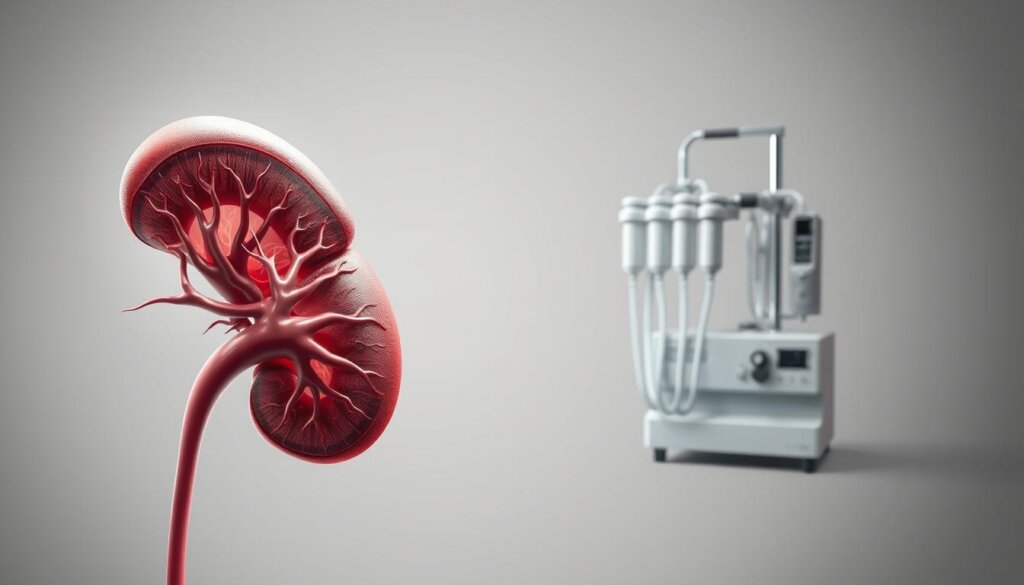
Hemodialysis fatigue, autonomic function, and oxidative stress
Clinical reports note improved blood urea nitrogen and reduced markers of oxidative stress in chronic dialysis when electrolyzed hydrogen-rich solutions are applied.
Patients experienced less fatigue on dialysis days and on off days. Measures of autonomic function improved, suggesting a link between autonomic balance and better recovery.
- What was seen: lower BUN and lower oxidative markers during HD sessions.
- Less day-to-day fatigue and improved heart-rate variability in some cohorts.
- Mechanism: dissolved H2 likely mediates the antioxidant effects in solution.
Practical note: device types and solution preparation differ. Any change should be discussed with nephrology teams and done under medical supervision, given fluid and electrolyte control needs.
“Promising clinical signals exist, but larger, controlled trials are needed to confirm fatigue and autonomic benefits across diverse dialysis populations.”
Mental Health and Neuroinflammation
Emerging human data hint that modest daily intake may ease mood and anxiety by lowering brain-directed immune signals.
Mood and anxiety measures in healthy adults
In short trials, healthy subjects who consumed hydrogen-rich water for four weeks reported better mood and less anxiety on validated scales.
These shifts appear alongside modest changes in systemic markers, suggesting a possible link to reduced neuroinflammatory tone.
Panic disorder cytokine changes and possible symptom links
In women with panic disorder, a 3-month protocol (1,500 mL/day) plus therapy produced significant drops in IL‑6, IL‑1β, IL‑12, and TNF‑α versus placebo.
Symptom scores did not differ markedly between groups, so biological changes did not translate to clear clinical gains in that trial.
Takeaway: Early signals show biological plausibility but not definitive symptom benefit. HRW may act by lowering systemic cytokine levels and oxidative stress, supporting resilience.
“Biomarker shifts are promising; larger, longer trials are needed to confirm clinical effects.”
| Population | Intervention | Biomarker changes |
|---|---|---|
| Healthy adults | 4 weeks HRW | Improved mood scores; minor cytokine shifts |
| Women with panic disorder | 3 months HRW + therapy | ↓ IL‑6, IL‑1β, IL‑12, TNF‑α; symptoms similar |
| Practical use | Daily, consistent dosing | Track mood, sleep; consult MH professional |
Practical note: Integrate as part of a comprehensive mental health plan. Discuss use with clinicians and monitor mood and recovery trends rather than relying on biomarkers alone.
Oncology as an Adjunctive Space
Preclinical models show promise for adjunct approaches that change tumour stroma and response to chemotherapy. In colorectal cancer animal models, combining hydrogen-rich water with 5‑fluorouracil reduced tumor size, fibrosis, and collagen content.
Colorectal cancer models: fibrosis, collagen, and tumor metrics
Key signals include smaller tumors and less dense stromal tissue when the adjunct is added to standard chemo in lab models. These changes may ease drug penetration and alter the microenvironment.
Systematic review signals on prognosis and quality of life
A systematic review that screened 677 records and kept 27 papers reported potential gains in prognosis, symptom burden, and tumor reduction when this adjunct was used alongside usual care.
“Adjunctive use shows mechanistic promise, but human data are limited and heterogeneous.”
- Mechanisms: modulation of oxidative stress and immune signaling in the tumour niche.
- Limitations: many results come from animal studies and small patient series; more rigorous trials are needed.
- Safety: it is not a standalone cancer treatment — patients should only use adjuncts under oncologist guidance.
Practical note: future research must define dose–response, timing with chemo agents, and interaction risks before routine clinical use.
COVID-19 Context: Inflammation and Respiratory Insights
Preliminary clinical accounts suggest certain gas-based therapies can dampen cytokine cascades and improve respiratory comfort in non-severe cases.
Hydrogen interventions and cytokine cascade considerations
Early reports indicate that adjunctive inhalation approaches may reduce cytokine surges and lower airway resistance in mild to moderate COVID-19.
Oral hydrogen-rich water shows antioxidant effects that persist beyond rapid clearance. These effects may help modulate exaggerated immune signaling and limit downstream tissue injury.
“Signals are promising but still preliminary; robust randomized work is needed.”
- Modes: inhalation gives rapid lung exposure; hydrogen-rich water offers systemic antioxidant support.
- Rationale: dampening cytokine cascades may ease breathlessness and reduce oxidative stress.
- Limits: current data are small; a controlled study is required for firm guidance.
- Safety: use only under clinician advice; this is supportive care, not primary treatment.
| Approach | Primary goal | Practical note |
|---|---|---|
| Inhalation therapy | Rapid lung relief | Clinical setting preferred; monitor respiratory metrics |
| Hydrogen-rich water | Systemic antioxidant support | Easy at-home use; consistency matters for effect |
| Combined approach | Multi-site modulation | Follow public health protocols and clinician guidance |
Practical tip: patients should track symptoms, oxygen levels, and recovery milestones with their healthcare team. Duration, dose, and regular use matter for meaningful evaluation.
Dosing, Duration, and Delivery: Practical Considerations
Simple habits — dose size, when to take it, and how it’s delivered — shape whether benefits appear quickly or over months.
High vs low concentration and duration
Short protocols (1.5 L/day for four weeks) can change immune markers and NF‑κB transcripts. Longer, high‑concentration regimens (>5.5 mmol/day for 24 weeks) showed stronger metabolic and inflammatory improvements.
Formats and timing
Tablets yield higher, brief peaks; daily drinking offers steady, low‑dose exposure. For best retention, dissolve tablets and consume soon after preparation in cool water.
When to take and how to space doses
Use on an empty stomach or between meals for consistent absorption. Space doses through the day to maintain exposure and test response over 4–8 weeks for energy, sleep, and recovery.
Inhalation is mainly for clinical settings where rapid lung delivery is needed. Routine drinking is more practical for everyday use.
- Safety: human trials report good tolerability at studied doses with no serious adverse events.
- For metabolic goals, reassess labs at 12–24 weeks with a clinician.
- Athletes can trial pre‑exercise dosing to track lactate and fatigue changes.
Note: coordinate any adjunct approach with healthcare providers when managing chronic conditions or medications.
Interpreting the Science: Study Design, Sample Size, and Limitations
Not all positive lab findings translate to clear benefits in people; design and scale matter. Readers should treat early signals as hypothesis-generating rather than definitive guidance.
Animal models versus human trials
Animal studies often reveal mechanisms and plausible pathways. They help shape clinical trials but cannot prove real-world benefit on their own.
Pilot work, heterogeneity, and endpoints
A pilot study or small trial can detect signals but lacks power when sample size is tiny. Heterogeneity in dose, duration, and outcome measures explains mixed results across research efforts.
“Robust, randomized designs and consistent biomarkers will lift confidence in findings.”
- Key limits: small sample size reduces generalizability and inflates false positives.
- Mixed endpoints and variable populations make meta-analysis hard.
- Publication bias can overstate positive results; neutral data must be reported.
- Randomized, double-blind clinical trials remain the gold standard for reliable data.
- Practical advice: combine adjunct approaches with diet, activity, and medical care while awaiting larger trials.
| Issue | Why it matters | What to ask |
|---|---|---|
| Sample size | Small samples limit statistical power | Was power calculated and was enrollment adequate? |
| Heterogeneous endpoints | Hard to compare outcomes across trials | Are biomarkers standardized and clinically meaningful? |
| Pilot vs. confirmatory | Pilot work finds signals; confirmatory trials test them | Has the pilot been replicated in larger cohorts? |
Priority areas for future research include dose–response, duration, subgroup analyses in metabolic syndrome, and clearer mechanistic readouts. Transparent reporting and replication across regions will improve confidence for Malaysian clinicians and the public.
Connect with Wellness Group in Malaysia
Wellness Group translates research into step-by-step guidance for everyday consumption and monitoring. They work with clients to design realistic plans that match personal goals and medical history.
How they guide clients on safe use
The team offers personalized guidance on selecting hydrogen-rich water solutions, dosing schedules, and realistic timelines. They explain device versus tablet options and upkeep.
For athletes, Wellness Group helps set pre-exercise protocols and tracks recovery markers tied to performance. For metabolic goals, they suggest 12–24 week plans with lab checks and lifestyle integration.
Business hours and WhatsApp for inquiries
Patients can message the clinic on WhatsApp at +60123822655 for quick support. Business hours are Monday–Friday 9:30 am–6:30 pm, Saturday 10 am–5 pm, and Sunday 10 am–5 pm.
- The team interprets evidence in the context of individual health and concurrent treatment.
- Clients receive practical tips to improve consumption timing and gas retention in water.
- In-person and remote consultations are friendly, transparent, and updated as new research emerges.
Conclusion
Clear next steps help turn promising signals into safe action. Readers should set goals, track simple outcomes, and work with a clinician when trying adjunct redox support like hydrogen-rich water.
Human data show measurable shifts in PBMC apoptosis, NF-κB signaling, lipid profiles, and markers tied to oxidative stress and inflammation. Exercise and metabolic results look encouraging but vary by dose and duration.
Safety profiles are favorable, yet this approach is an adjunct—not a replacement for standard care. For tailored advice in Malaysia, message Wellness Group on WhatsApp at +60123822655. Hours: Mon–Fri 9:30 am–6:30 pm; Sat–Sun 10 am–5 pm.
Research is expanding; larger trials will refine protocols and confirm clinical benefits. Start with clear goals, consistent dosing, and periodic lab checks to judge effects and results.
FAQ
What is the purpose of this guide titled “Hydrogen Water Inflammation Studies: Expert Insights by Wellness Group”?
This guide aims to summarize current evidence on molecular hydrogen and its effects on oxidative stress, immune signaling, and metabolic risk. It helps readers in Malaysia and elsewhere understand terminology, delivery methods, clinical trial findings, proposed mechanisms, and practical dosing considerations so they can make informed decisions about hydrogen-rich water use.
Who is this guide intended for in Malaysia?
The guide targets health-conscious adults, clinicians, sports coaches, and wellness professionals in Malaysia who want clear, evidence-based information on hydrogen-rich water, potential benefits for cardiometabolic health, exercise recovery, liver and kidney support, and how to evaluate emerging research.
What key topics does the guide cover about molecular hydrogen and inflammation?
It covers basic terminology and delivery formats, summaries of clinical trials and pilot data, mechanisms such as antioxidant and anti-apoptotic effects, outcomes in healthy adults and athletes, signals in metabolic syndrome and cardiovascular disease, liver and kidney findings, mental health and oncology adjunctive data, COVID-19 context, dosing and safety, and how to interpret study limitations.
How do terms like hydrogen-rich water, hydrogen water, and electrolyzed-reduced water differ?
The guide explains that hydrogen-rich water refers to water with dissolved molecular H2, while “electrolyzed-reduced water” describes a production method that can yield dissolved H2 plus altered redox properties. It contrasts these labels to reduce confusion and highlights what to check on product specifications.
What delivery methods for H2 are described and how do they work?
Delivery formats in the guide include generators, effervescent tablets, and ionizers that dissolve molecular gas into liquid, plus inhalation systems used in some settings. Each method differs in achievable concentration, convenience, and cost; the guide outlines practical pros and cons.
What does the evidence snapshot say about clinical trials and pilot studies?
The guide notes that human trials and pilot studies report mixed but often promising signals—improvements in oxidative stress markers, select inflammatory cytokines, and metabolic measures in small cohorts. It emphasizes the need for larger randomized trials to confirm effects and optimal dosing.
Which inflammatory pathways are most explored in research?
Research commonly examines NF-κB and cytokine cascades (IL-6, TNF-α), along with redox-sensitive transcription factors like Nrf2. The guide summarizes how modulation of these pathways may relate to reduced tissue damage and improved recovery.
What mechanisms are proposed for observed benefits?
Proposed mechanisms include selective reactive species scavenging, adaptive redox signaling, Nrf2 activation, downregulation of NF-κB-mediated inflammation, and reduced apoptosis in stressed cells. The guide ties these mechanisms to outcomes seen in animal models and human pilot data.
Are there measurable effects in healthy adults on oxidative stress and immune markers?
Some trials report reductions in biomarkers such as 8‑OHdG and changes in PBMC apoptosis rates, along with altered monocyte activity and transcriptomic shifts. Results vary by dose, duration, and population, so findings are encouraging but not definitive.
What does the research say about exercise performance and recovery?
Studies in cyclists, runners, and youth athletes show mixed outcomes: some improvements in endurance, reduced lactate, and lower fatigue, while other trials found minimal changes. Biomarker responses like IL‑6 and antioxidant capacity also vary across protocols.
How might hydrogen-rich water affect metabolic syndrome and cardiometabolic health?
High-concentration interventions in small trials have reported beneficial shifts in fasting glucose, HbA1c, triglycerides, and some lipid parameters. The guide highlights changes in body composition and oxidative stress markers in select studies but stresses larger trials are needed.
Are there cardiovascular benefits reported in the literature?
Preliminary evidence suggests possible improvements in lipid profiles, HDL function, and endothelial measures such as reactive hyperemia. Some small trials also noted angina symptom relief. These outcomes require confirmation in broader populations.
What signals exist for liver conditions like NAFLD or chronic hepatitis B?
Imaging trends and enzyme changes in small studies suggest reduced hepatic oxidative stress and modest improvements in fatty liver markers. Research in HBV-related outcomes is limited but indicates potential antioxidant benefits deserving further study.
Is there research relevant to kidney disease and dialysis patients?
Trials in hemodialysis settings explored fatigue, autonomic function, and oxidative stress, with some reported benefits in patient-reported outcomes and biomarker reductions. Sample sizes are small and results are preliminary.
What evidence links H2 interventions to mental health or neuroinflammation?
Early studies measured mood and anxiety outcomes in healthy adults and cytokine changes in panic disorder. Findings are initial and suggest possible anti-inflammatory effects that might influence symptoms, but robust psychiatric trials are lacking.
Has research explored hydrogen as an adjunct in oncology?
Animal models and limited human reports examined tumor fibrosis, collagen deposition, and quality-of-life endpoints. Systematic reviews note potential supportive roles, but oncology applications remain investigational and should not replace standard cancer care.
Were there any studies related to COVID-19 and respiratory inflammation?
The guide summarizes small clinical reports and mechanistic discussions about modulating cytokine cascades in respiratory disease. Evidence is preliminary; the guide recommends following established medical guidance for COVID-19 treatment.
What practical dosing, duration, and delivery advice does the guide provide?
It outlines differences between high- and low-concentration interventions, typical timeframes used in trials, and considerations for ingestion timing versus inhalation. Safety profiles in human studies have been favorable, but users should consult clinicians when combining with medications or treating chronic disease.
How does the guide suggest interpreting study design, sample size, and limitations?
Readers are advised to weigh animal data against human trials, recognize small sample sizes and pilot-study heterogeneity, and prioritize randomized controlled outcomes with clinically meaningful endpoints before drawing conclusions.
How can readers connect with Wellness Group in Malaysia for guidance?
The guide explains how Wellness Group supports clients on product selection, usage protocols, and clinical follow-up. It provides contact pathways such as business hours and WhatsApp for inquiries so people can get personalized advice.