
Did you know 1 in 3 adults over 50 have undetected colon polyps, often without noticeable changes? Many dismiss minor digestive discomfort as temporary, unaware these subtle shifts could signal deeper health concerns.
Recognizing early indicators of colon issues is critical for maintaining wellness. Changes in bowel habits, unexplained fatigue, or persistent abdominal discomfort often go overlooked. While these may stem from common conditions, they sometimes point to developing problems needing professional evaluation.
Colon health directly impacts energy levels, nutrient absorption, and overall quality of life. Polyps—small tissue growths—frequently develop silently, highlighting why proactive care matters. Early detection dramatically improves outcomes, yet many hesitate to discuss digestive concerns due to uncertainty about what warrants attention.
Wellness Group Malaysia offers compassionate guidance for those navigating digestive health questions. Their team provides personalized support during business hours: Monday-Friday 9:30am-6:30pm and weekends 10am-5pm via WhatsApp at +60123822655.

Click to 了解更多
This guide clarifies key symptoms, risk factors, and when to consult specialists. Remember—many digestive changes have harmless explanations, but understanding your body’s signals ensures timely action when needed.
Key Takeaways
- Silent polyps affect 33% of adults over 50, emphasizing preventive care
- Bowel habit changes or persistent discomfort merit professional evaluation
- Early detection improves treatment success for colon-related conditions
- Wellness Group Malaysia provides accessible digestive health consultations
- Most symptoms have benign causes, but awareness enables smart decisions
Understanding Colon Health and Its Importance
Your colon works like a skilled waste manager – sorting, processing, and preparing leftovers from digestion. This 5-foot tube completes your body’s nutrient extraction process while balancing fluids and electrolytes.
The Role of a Healthy Colon
Three key tasks keep your body running smoothly:
- Extracting final nutrients from food
- Maintaining water balance and mineral levels
- Hosting trillions of helpful bacteria that fight infections
These microscopic allies produce vitamins like B12 and K while strengthening gut immunity. When this system falters, energy crashes and nutrient deficiencies often follow.
Common Concerns and Misconceptions
Many assume digestive troubles only affect seniors, but 1 in 4 Malaysians under 35 report persistent bowel issues. While cancer screenings typically start at 45, younger adults shouldn’t ignore recurring symptoms.
Most digestive changes stem from manageable causes:
- Dietary imbalances
- Stress patterns
- Temporary infections
Wellness Group Malaysia’s specialists help decode symptoms through convenient consultations – available daily via WhatsApp at +60123822655. Early conversations prevent small issues from becoming major concerns.
Identifying What are the signs of a bad colon?
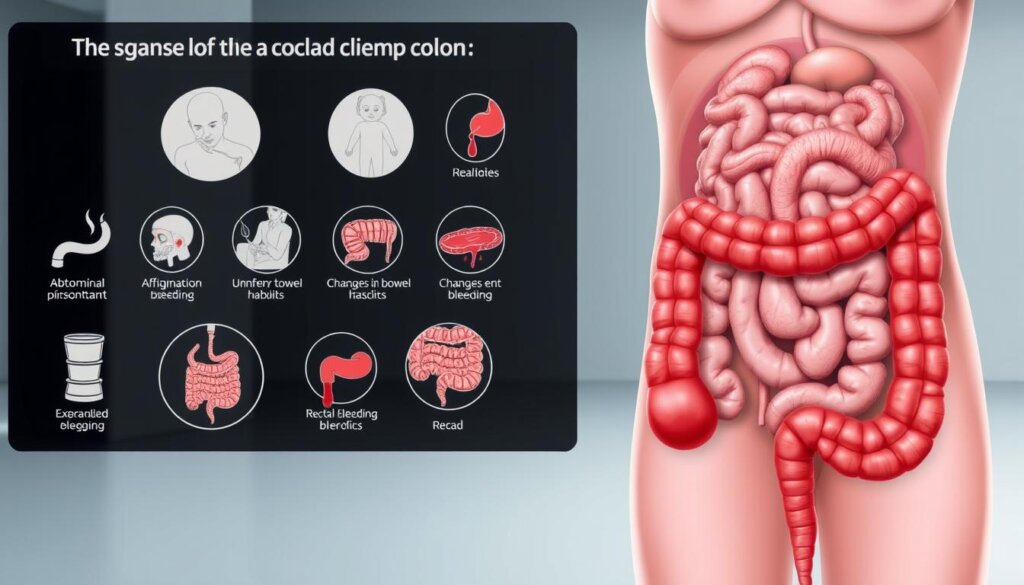
Subtle bodily changes often speak volumes about colon health. While temporary upsets are normal, patterns lasting weeks demand attention. Tracking duration and intensity helps distinguish routine issues from potential concerns.
When Bowel Patterns Shift
Consistent changes merit attention. Alternating between constipation and diarrhea for over a week could indicate irritation or blockages. Narrow stools persisting beyond three days often surprise patients.
| Symptom | Common Causes | When to Consult |
|---|---|---|
| Pencil-thin stools | Diet changes | 3+ occurrences |
| Blood streaks | Hemorrhoids | First appearance |
| Chronic cramping | IBS | With weight loss |
| Dark tarry stool | Ulcers | Immediate check |
Abdominal Signals
Persistent lower stomach discomfort after meals warrants investigation. Bloating that disrupts daily activities or accompanies unintended weight loss should prompt medical discussions.
Blood: Always Worth Checking
Rectal bleeding requires professional assessment regardless of suspected cause. Bright red blood often links to hemorrhoids, while darker traces might suggest upper digestive issues. “Even minor bleeding deserves a conversation,” advises a Kuala Lumpur gastroenterologist.
Wellness Group Malaysia’s team helps interpret these signals through convenient WhatsApp consultations at +60123822655. Most cases resolve with simple interventions, but early detection of serious conditions improves outcomes dramatically.
Risk Factors, Family History, and Screening Options
Colorectal health depends on both lifestyle choices and genetic factors. While some risks can be managed through daily decisions, others require regular monitoring through medical screening.
Understanding Colorectal Cancer Risk Factors
Two types of risks influence colon health:
| Factor Type | Examples | Management |
|---|---|---|
| Controllable | Red meat consumption Smoking Alcohol use | Diet changes Weight management |
| Uncontrollable | Age over 55 Family history Genetic conditions | Early screening Regular checkups |
Click to 了解更多
Those with relatives diagnosed with polyps or inflammatory bowel disease should consult doctors 10 years before the family member’s diagnosis age. “A 30-year-old with a parent who had colon cancer at 45 needs screening at 35,” explains a Kuala Lumpur gastroenterologist.
Screening Methods and Early Diagnostic Steps
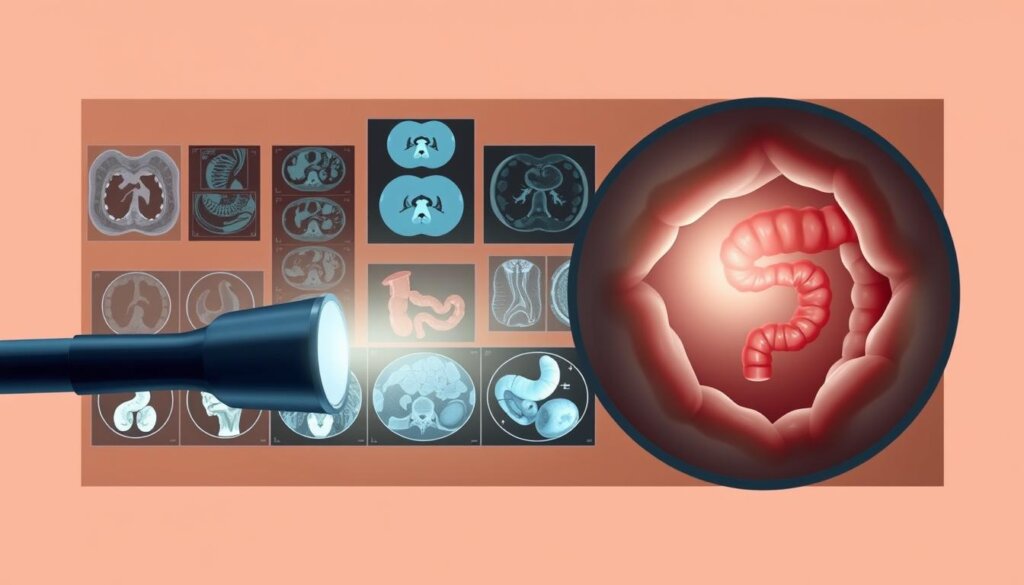
Colonoscopy remains the most effective tool, detecting 95% of cancers during early stages. This 40-minute procedure allows immediate polyp removal using specialized tools.
Alternative options include:
- Stool DNA tests (every 3 years)
- CT colonography (virtual scan)
- Flexible sigmoidoscopy (partial exam)
Wellness Group Malaysia helps patients navigate screening options through WhatsApp consultations at +60123822655. Their team explains preparation steps and matches individuals with suitable diagnostic approaches based on personal risk profiles.
Conclusion
Prioritizing colon health begins with recognizing subtle changes that demand attention. Persistent bowel pattern shifts, unexplained abdominal discomfort, or visible blood require prompt medical consultation. While most symptoms stem from manageable causes, early evaluation helps rule out serious conditions like colorectal cancer.
Regular screening remains crucial for prevention. A colonoscopy detects 95% of abnormalities during early stages when treatment proves most effective. Those with family history or lifestyle risks should discuss personalized screening schedules with their doctor.
Simple dietary adjustments often improve digestive wellness. Increasing fiber intake through whole grains and vegetables supports healthy stool formation, while staying hydrated aids bowel regularity. Combining these habits with stress management creates a strong foundation for colon health.
Wellness Group Malaysia offers confidential consultations to address concerns without judgment. Their team helps interpret symptoms and recommends appropriate next steps. Reach them via WhatsApp at +60123822655 during operating hours: Weekdays 9:30am-6:30pm, Weekends 10am-5pm.
Remember—proactive care transforms outcomes. Addressing changes promptly and maintaining open dialogue with healthcare providers ensures peace of mind and lasting wellness.
FAQ
How do people know if their colon isn’t functioning properly?
Warning signs include sudden shifts in bowel habits, blood in stool, abdominal pain, or unexplained weight loss. Persistent constipation, diarrhea, or narrow stools may also signal issues like colorectal cancer or inflammatory bowel disease. Consulting a doctor ensures timely evaluation.
Can hemorrhoids cause symptoms similar to colorectal cancer?
Yes. Both conditions may involve rectal bleeding. However, colorectal cancer often includes additional symptoms like fatigue, stool consistency changes, or unintended weight loss. A colonoscopy or stool test helps differentiate between the two.
Does family history increase colorectal cancer risk?
Absolutely. Those with relatives diagnosed with colorectal cancer or genetic conditions like Lynch syndrome face higher risks. Doctors often recommend earlier or more frequent screenings, such as colonoscopies, for these individuals.
At what age should screening for colon issues begin?
Most guidelines suggest starting at 45. However, those with a family history, inflammatory bowel disease, or persistent symptoms like bleeding may need earlier testing. Options include colonoscopy, FIT tests, or sigmoidoscopy.
Can persistent abdominal pain indicate a colon problem?
Yes. Cramps, bloating, or discomfort lasting weeks might point to irritable bowel syndrome, inflammatory bowel disease, or even obstructions. Pain paired with changes in bowel movements warrants a medical visit.
Does blood color in stool matter for diagnosis?
Bright red blood often stems from hemorrhoids or anal fissures. Dark, tarry stools may suggest upper gastrointestinal bleeding or advanced colorectal cancer. Either case requires prompt evaluation by a healthcare provider.
How is unexplained weight loss linked to colon health?
Unintended weight loss can occur if colorectal cancer or Crohn’s disease affects nutrient absorption or metabolism. It’s a red flag, especially when combined with fatigue or appetite changes.
Are there lifestyle steps to improve colon health?
A fiber-rich diet, regular exercise, and limiting processed meats support colon function. Avoiding smoking, excessive alcohol, and staying hydrated also reduce risks. Routine screenings remain critical for early detection.
Can irritable bowel syndrome mimic serious colon conditions?
IBS shares symptoms like cramps and irregular bowel movements with conditions like colorectal cancer. Doctors typically rule out severe issues through tests before diagnosing IBS.
Does chronic constipation mean the colon is unhealthy?
Not always, but long-term constipation with pain or bloating could indicate blockages, motility disorders, or pelvic floor dysfunction. A gastroenterologist can identify underlying causes through imaging or motility studies.