Is Hydrogen Water FDA-Approved? Wellness Group Explains
Surprising fact: nearly one in five Malaysian consumers says they have tried infused drinks claiming antioxidant benefits, yet clear regulation and strong evidence remain limited.
Wellness Group offers a friendly, evidence-led look at what regulators actually say and what that means for everyday hydration choices in Malaysia. The opening explains how dissolved gas is added to plain liquid, how products reach consumers, and why packaging and timing matter for perceived benefit.
The piece previews the FDA stance that recognizes hydrogen gas as GRAS for beverages, but it does not equal an endorsement of health claims. Readers will get plain summaries of current research and short notes on safety, product quality, and how to judge brands sold in cans, pouches, tablets, or made by home machines.
Contact: WhatsApp +60123822655. Business hours: Mon–Fri 9:30 am–6:30 pm; Sat–Sun 10 am–5 pm. This article keeps tone neutral and practical so readers move from curiosity to confident choice.
Key Takeaways
- GRAS status covers the gas in beverages but is not a blanket approval of health claims.
- Small trials show promise, yet larger studies are needed to confirm benefits.
- Packaging and quick consumption help keep dissolved gas levels stable.
- Use products as part of a balanced routine, not a medical substitute.
- Wellness Group can answer product questions via WhatsApp during business hours.
What is hydrogen water and why is it trending in Malaysia
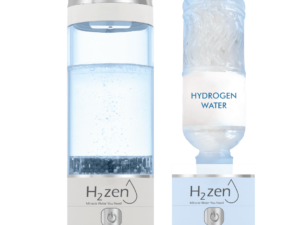
Hydrogen water describes a drink with added dissolved gas meant to offer small antioxidant effects. It is sold in cans, foil pouches, tablets, and via at‑home machines that generate extra hydrogen on demand.
Hydrogen-rich water vs plain water: how extra hydrogen is infused
Hydrogen water simply means purified water with dissolved molecular hydrogen. Makers add the gas by bubbling it in, using electrolysis, or by reactive magnesium tablets that release H₂ into the liquid.
Key terms explained: molecular hydrogen, free radicals, oxidative stress
Molecular hydrogen is a tiny neutral molecule thought to act on certain free radicals tied to oxidative stress. Oxidative stress links to inflammation and aging, so marketers suggest possible benefits for recovery and general health.
Packaging and timing matter because the gas escapes easily. Non‑permeable cans and foil pouches keep levels stable until opening, and the body expels unused gas by breathing it out.
Is hydrogen water FDA-approved?
Regulatory clarity matters when shoppers weigh novelty drinks. US authorities have given the gas used in some beverages a GRAS (Generally Recognized as Safe) designation. This means the ingredient is considered safe to drink when made and stored correctly.
GRAS status for hydrogen gas in beverages: what it means and what it doesn’t
GRAS speaks to safety, not to claims that a drink treats illness or guarantees benefits. Manufacturers may not use GRAS as proof of medical results.
There is no single, agency-mandated standard for dissolved gas concentration in bottled products. That means one product can open with very different levels than another.
Approval vs endorsement: understanding the agency’s stance at present
Safety recognition is not an endorsement of effects. Consumers should look for independent lab tests, clear concentration labels, and packaging that keeps gas from escaping.
- Choose brands that list concentration and best-by dates.
- For imported items, check certificates and storage notes.
- Don’t replace professional care with product claims—seek medical advice for conditions or drug interactions.
What current studies suggest about benefits and limits
Small clinical trials point to possible benefits in stressed or metabolically challenged groups, but findings vary by dose and duration.
Oxidative stress markers and antioxidant activity
Some studies show reduced hydroperoxides and preserved antioxidant activity when people under stress drink 1.5–2.0 L per day over weeks. An 8-week trial in 49 liver cancer patients on radiation reported these improvements versus control.
By contrast, a short 4-week study in 26 healthy adults drinking 600 ml per day found no change in markers of oxidative stress. Context, baseline stress, dose, and duration likely explain the difference.
Metabolic health signals: lipids and inflammation
A small 10-week trial in 20 people with metabolic syndrome reported lower LDL and total cholesterol, higher HDL, and reduced TNF-α at roughly 0.9–1.0 L per day. These results are promising but need confirmation in larger samples.
Athletic performance and muscle fatigue findings
Athletic trials hint at less perceived muscle fatigue and lower blood lactate after exercise. Soccer players consuming 1.5 L per day showed quicker recovery, and cyclists using 2.0 L per day recorded modest sprint power gains.
Why larger, longer trials are still needed
Overall results are encouraging but not definitive. Small sample sizes, short follow-ups, and varying product quality limit firm conclusions.
- Practical note: choose stable packaging and try doses aligned with study ranges when testing personal response.
- Discuss observations with a clinician, especially for people with disease or on medications; see guidance for special groups.
Safety overview: is hydrogen water safe for daily use
Safety data so far point to minimal risks when people drink modest amounts each day.
Regulatory and trial findings align on one key point: the gas used in some beverages holds a GRAS status, which supports routine use when products are made and stored to quality standards.
General safety profile and minimal side effects reported
Most clinical studies report no serious adverse events. A few participants noted mild bloating, loose stools, or transient headaches. These effects usually fade as the body adapts.
Users in Malaysia who try products are advised to start with moderate servings and watch for any persistent discomfort. If symptoms continue, they should pause use and consult a clinician.
How the body handles extra hydrogen (and why excess is exhaled)
The human gut already produces litres of gas from fermentation. When someone drinks infused liquid, unused gas diffuses into blood and leaves via the lungs within about an hour.
This means dissolved levels do not build up in tissues. Packaging and handling affect how much gas remains at the time of drinking, so non‑permeable cans and sealed pouches keep levels steadier.
- The general consensus: hydrogen water is safe for everyday use when produced and stored correctly.
- Reported side effects are uncommon and usually mild and short-lived.
- Unused gas is exhaled; it does not accumulate in the body.
- Check labels, storage notes, and independent lab results before regular use.
| Topic | What studies report | Practical tip | What to watch for |
|---|---|---|---|
| Adverse effects | Rare, mainly mild GI or headache | Start with small serving | Persistent bloating or headache |
| Body handling | Diffuses into blood, exhaled within ~1 hour | Drink soon after opening | Low benefit if stored improperly |
| Quality control | GRAS status supports safety when made correctly | Choose sealed packaging and tested brands | Unlabeled concentration or no lab reports |
For more on sensible use and cleansing protocols, see the guide at hydrogen water for cleansing.
Special considerations for kidneys and medical conditions
Early research offers cautious optimism for people with kidney issues. Trials in dialysis patients and animal models report reduced inflammation and less post-dialysis fatigue when electrolyzed hydrogen-rich water is used alongside standard care.
Early evidence in dialysis contexts and kidney protection models
Small human trials show lower markers of inflammation and improved energy after dialysis when this adjunct is added.
Animal studies suggest protection from oxalate-induced injury and less oxidative stress in damaged kidneys. These findings support further research, not clinical claims of cure.
Not a treatment: when to consult a doctor first
Do not substitute this product for prescribed therapies. Anyone with complex conditions, on dialysis, prone to stones, or taking multiple drugs should consult doctor guidance before use.
- Preliminary studies point to supportive roles, not cures.
- Pause use and seek medical advice for swelling, blood pressure changes, or persistent GI upset.
- For those cleared by a nephrologist, track intake and symptoms to share at visits.
| Context | What studies show | Practical step |
|---|---|---|
| Dialysis | Less fatigue, lower inflammation | Discuss with care team |
| Kidney injury models | Reduced oxidative stress | Await larger trials |
| General safety | Recognized as a supplement (E949) | Personalize use with clinician |
How to choose and use hydrogen water wisely
Picking quality packaging and a simple intake plan reduces guesswork when someone wants to try this product alongside regular hydration. Good choices protect dissolved gas until the moment of drinking and improve the chance of seeing any benefits.
Product formats, concentration, and packaging that retain gas
Non‑permeable containers matter. Cans and foil pouches usually keep dissolved levels stable longer than many plastics.
Look for third‑party lab reports that list opening levels around 0.8–1.6 ppm. A high label claim means little if storage or packaging lets the extra hydrogen escape.
Timing, servings per day, and consistency for best results
Start modestly with 500–1,000 ml per day split into two or three portions. Athletes may try up to 2 L per day while monitoring tolerance.
Consume promptly after opening. Drinking within minutes preserves more dissolved gas than sipping over many hours.
Common timing: near workouts or about 30 minutes before meals. Track responses over 4–6 weeks to judge whether the product helps recovery, energy, or general wellness.
- Prioritize verified levels and clear storage instructions.
- If mild bloating occurs, reduce serving size and increase slowly.
- Treat this as an add‑on, not a replacement for balanced nutrition, sleep, and fluids.
| Choice | Why it matters | Practical tip | Watch for |
|---|---|---|---|
| Packaging | Cans/foil hold gas better | Prefer non‑permeable formats | Plastic bottles with no seal |
| Concentration | 0.8–1.6 ppm common in trials | Check third‑party lab results | Unverified high claims |
| Serving plan | Moderate, consistent dosing shows clearer signals | 500–1,000 ml/day; up to 2 L for athletes | Sporadic large doses |
| Timing | When you drink affects absorption | 30 min before meals or near exercise | Drinking hours after opening |
Comparing hydrogen water to other “functional” waters
Consumers often confuse infused drinks with mineral or alkaline options, yet they work in a very different way.
Hydrogen water hydrates like regular water or plain water. It does not change pH or add minerals. Evaluate it for dissolved hydrogen content, packaging quality, and timing rather than expecting electrolyte shifts.
What it does not do: pH, minerals, and unrealistic health claims
Unlike alkaline bottles, this format does not alter acidity or deliver minerals. If mineral intake is the goal, choose mineral waters instead.
Good brands frame potential effects modestly and list concentration, storage, and shelf life.
“Avoid products promising cures or sweeping changes; look for lab reports and clear labels.”
- Hydrates like other beverages; extra benefits depend on concentration and packaging.
- Do not accept claims that it cures disease or replaces medical care.
- For athletes or hot days, include this product within a broader plan: nutrition, rest, and pacing.
- Pay premiums only when packaging and tested levels are verifiable.
- Test a few reputable formats and track taste, convenience, and any perceived effects over weeks.
| Feature | Hydrogen formats | Alkaline/mineral options |
|---|---|---|
| pH change | No | Often yes (alkaline) |
| Minerals added | No | Yes for mineral waters |
| Main reason to buy | Dissolved hydrogen and packaging quality | Electrolytes, taste, or pH balance |
If you have medical concerns or take medicines, ask a clinician before regular use. Clear labels and independent testing make the best choice easier in Malaysia’s market.
Wellness Group can help you decide your best hydration plan
Local guidance helps turn curiosity into a sensible routine. Wellness Group offers friendly, practical advice for people in Malaysia who want to try hydrogen water while keeping health and daily life in balance.
Personal guidance tailored to Malaysia’s lifestyle and climate
They match formats to heat, humidity, and activity. The team explains servings per day, how to read concentration labels, and storage tips that preserve product quality in tropical conditions.
Advice also covers athletes, office workers, and older adults so choices fit energy, recovery, and routine.
Contact Wellness Group on WhatsApp at +60123822655
Message Wellness Group for quick answers about packaging, timing, and brand comparisons. They will outline pros and cons of at‑home generation, filter needs, and safe maintenance steps.
Business hours: Mon–Fri 9:30 am–6:30 pm; Sat–Sun 10 am–5 pm
If someone has existing conditions or takes medicines, the team will suggest questions to take to a clinician and remind you to consult doctor guidance before changing routines.
“Start modestly, track responses over weeks, and treat this product as a complement to a balanced diet and sensible training.”
Conclusion
Conclusion
Practical use looks low‑risk when products are made and stored to quality standards.
Hydrogen water simply adds dissolved molecular hydrogen to plain water, and current research suggests potential antioxidant support against oxidative stress while noting that larger studies are needed.
The GRAS recognition for the gas supports that hydrogen water safe and water safe when produced correctly. Most studies report minimal side effects; occasional mild bloating or headache may occur.
Readers should keep expectations measured, start modestly, choose tested formats with non‑permeable packaging, and consult doctor first if they have health conditions.
Wellness Group can help Malaysians pick formats, check levels, and track results as higher‑quality studies emerge.
FAQ
Is Hydrogen Water FDA-Approved?
The Food and Drug Administration has not issued a blanket approval or endorsement for hydrogen-infused beverages as medical treatments. It has, however, recognized molecular hydrogen gas as Generally Recognized As Safe (GRAS) for use in beverages under specific conditions. That means gas used at approved levels is considered safe for consumption, but the agency does not certify health claims such as disease prevention or cure.
What is hydrogen-rich water and why is it trending in Malaysia?
This product contains dissolved molecular hydrogen added to plain water to raise antioxidant potential. Interest in Malaysia comes from wellness trends, athlete recovery claims, and marketing that highlights reduced oxidative stress and improved hydration. Consumers often choose it as a functional option alongside balanced diets and regular water.
Hydrogen-rich water vs plain water: how is extra hydrogen infused?
Manufacturers add molecular hydrogen by dissolving pressurized gas into bottles, using magnesium-based tablets that react with water, or through in-line electrolyzers. Packaging and storage matter because H₂ escapes quickly; sealed, opaque containers retain concentration better than open or clear bottles.
What do key terms mean: molecular hydrogen, free radicals, oxidative stress?
Molecular hydrogen (H₂) is a tiny, neutral gas that can diffuse into tissues. Free radicals are unstable molecules that damage cells. Oxidative stress happens when free radicals outnumber the body’s defenses. Studies look at whether extra H₂ can reduce certain markers of oxidative stress and inflammation.
What does GRAS status for hydrogen gas in beverages mean and not mean?
GRAS means experts agree the ingredient is safe under specified use conditions. It does not mean the product treats or prevents diseases, nor does it guarantee every product on the market meets quality or concentration standards. Consumers should check labels and manufacturer testing.
How does FDA approval differ from endorsement of health benefits?
Approval authorizes specific claims or drug indications after rigorous review. Endorsement would imply the agency supports benefit claims. For hydrogen-enriched drinks, the FDA has not evaluated or endorsed therapeutic claims; only safety assessments for certain uses apply.
What do current studies suggest about benefits and limits?
Small trials and animal studies show promising signals: reduced oxidative markers, modest improvement in inflammation markers, and potential help with exercise-related fatigue. Results vary by dose, duration, and population. Evidence remains preliminary and inconsistent for chronic disease outcomes.
Do studies show changes in oxidative stress markers and antioxidant activity?
Some randomized and crossover studies report lower biomarkers of oxidative damage after short-term use. Effects are modest and not uniform across studies. Larger trials are needed to confirm which populations benefit and how long effects last.
Are there metabolic health effects on lipids and inflammation?
Early human research suggests small improvements in certain lipid profiles and inflammatory markers in select groups. Findings are not yet robust enough to recommend these drinks as metabolic treatments; dietary and lifestyle changes remain primary strategies.
What about athletic performance and muscle fatigue findings?
Several small studies report reduced perceived fatigue, quicker recovery, and lower muscle damage markers in athletes after using hydrogen-rich water. Benefits depend on timing, dose, and sport. Results are encouraging but preliminary.
Why are larger, longer trials still needed?
Existing studies often have small samples, short follow-ups, and variable dosing. Larger randomized trials would clarify optimal concentrations, long-term safety, and which health endpoints—if any—show reliable benefit.
Is hydrogen-rich water safe for daily use?
Most evidence indicates a favorable safety profile with minimal side effects at common dosages. Because H₂ is a simple gas the body can exhale, toxicity risk appears low. Still, consumers with health conditions should consult a clinician before adding regular use.
How does the body handle extra molecular hydrogen?
The body absorbs dissolved H₂ quickly; excess gas distributes into tissues and is largely eliminated via exhalation. The small, neutral molecule does not accumulate the way some supplements might.
Are there special considerations for kidneys and medical conditions?
Early studies in dialysis and kidney-protection models show potential benefits, such as reduced inflammation, but evidence is preliminary. Patients with chronic illness or on medications should consult their physician before use, as it is not a substitute for medical treatment.
When should someone consult a doctor first?
They should seek medical advice before beginning regular use if pregnant, breastfeeding, undergoing dialysis, living with chronic kidney disease, taking prescription drugs, or managing serious health conditions. A clinician can advise on interactions and individualized risk.
How should consumers choose a product and use it wisely?
Look for manufacturers that publish independent testing of H₂ concentration, use sealed packaging that retains gas, and describe production methods. Consider formats—bottled, tablets, or generators—and choose a reliable brand. Follow suggested servings and avoid replacing medical care with these products.
What hydrogen concentration and packaging help retain H₂?
Higher dissolved concentrations (measured in parts per million) require tight sealing and low-permeability containers like aluminum cans or specialized bottles. Clear plastic and long storage reduce levels. Consumers should prefer products that provide concentration data and expiry guidance.
How often should someone drink it and when for best results?
Research varies, but many studies use daily intake split across sessions, often before or after exercise for recovery studies. Consistency matters more than large one-time doses. Consumers should follow product directions and consult clinicians for personalized plans.
How does this product compare to other “functional” waters?
It differs from alkaline, mineral, or electrolyte waters by offering dissolved gas rather than altered pH or added minerals. It should not be confused with products that change acid-base balance or claim unrealistic cures.
What it does not do: pH, minerals, and unrealistic health claims?
Adding molecular hydrogen does not meaningfully change water pH or mineral content. It also does not replace proven medical therapies or guarantee prevention of disease. Consumers should be skeptical of sweeping claims.
How can Wellness Group help decide on the best hydration plan?
Wellness Group offers tailored guidance that considers Malaysia’s climate, activity level, and personal health goals. They review product options and help set realistic expectations about benefits and safe use alongside diet and exercise.
How can someone contact Wellness Group for personal guidance?
They can message Wellness Group on WhatsApp at +60123822655 to get personalized advice and product recommendations relevant to lifestyle and local conditions.
What are Wellness Group’s business hours?
Customer support operates Monday–Friday from 9:30 am to 6:30 pm, and on Saturday–Sunday from 10 am to 5 pm.

Khloe Tan
Khloe Tan is a Certified Nutritionist, Corporate Wellness Trainer, and Holistic Health Specialist with over 15 years of experience in the health and wellness industry. She has delivered more than 100 talks nationwide, inspiring and educating diverse audiences on nutrition, lifestyle, and sustainable wellness. Her work has positively impacted over 3,000 lives, and she continues to champion holistic approaches to well-being in both corporate and personal settings.