Hydrogen Water for Dark Circles: Wellness Group Malaysia
Wellness Group Malaysia introduces a science-informed look at hydrogen water for dark circles and realistic options for local clients. The pilot clinical data showed better pore visibility, pigmentation, wrinkle scores, and an estimated younger skin age after topical use, with no adverse events reported over four weeks.
This article explains what makes hydrogen-rich products different from plain water, why concentration and delivery matter around the delicate periorbital area, and how oxidative stress can worsen under-eye tone.
Wellness Group frames these findings with clear limits: short follow-up and no control group. They recommend evidence-based routines that pair gentle hydrogen water steps with sunscreen, peptides, and brighteners. Malaysian readers may contact the clinic via WhatsApp at +60123822655 during business hours: Mon–Fri 9:30 am–6:30 pm; Sat–Sun 10 am–5 pm.
Key Takeaways
- Early clinical signals suggest topical benefit but study limits require cautious optimism.
- Selective radical targeting may reduce oxidative contributors to under-eye tone.
- Product quality, concentration, and packaging affect how much active agent reaches skin.
- Wellness Group offers Malaysia-wide guidance and conservative, complementary routines.
- Contact via WhatsApp for assessment and personalized next steps.
The ultimate guide overview: brighter under-eyes with hydrogen-rich water
This short, practical primer sets expectations and points readers to the key science they need. It is an informational, Malaysia-focused article that blends pilot data with clear steps readers can try safely.
Search intent at a glance: readers want evidence-backed advice they can use at home or in-clinic. This article summarizes relevant studies, highlights plausible therapeutic effects, and explains what real-world results may look like.
Quick take: what this article covers
- A concise review of pilot findings: reduced pore visibility and improved pigmentation, wrinkles, and estimated skin age after four weeks, with no adverse events but limited follow-up.
- How concentration, ORP, and stability influence outcomes around the delicate periorbital area.
- Practical routines and safety notes, plus how to pair treatments with sunscreen and gentle brighteners suited to Malaysia’s climate.
- What Wellness Group offers: device-based topical sessions, home-care plans, and realistic timelines to track results.
“Early pilot data show promising signals, but cautious interpretation is essential given short follow-up and no control group.”
Readers who want personalized guidance or booking can message Wellness Group on WhatsApp at +60123822655. Clinic hours are Monday–Friday 9:30 am–6:30 pm and Saturday–Sunday 10 am–5 pm.
For a related clinical perspective on systemic applications and safety, see this short post on lipid research at Wellness Group.
What is hydrogen water and how it works on skin
Small and neutral, molecular hydrogen moves where many topical agents cannot. It exists as a dissolved gas that acts as a selective antioxidant, distinct from ordinary water that lacks bioavailable H₂.
Molecular hydrogen vs plain water: selective antioxidant basics
Molecular hydrogen targets the most damaging species—like hydroxyl radicals and peroxynitrite—while sparing signaling molecules such as hydrogen peroxide and nitric oxide. That selectivity helps maintain healthy cellular signaling.
From redox balance to cell penetration: why H₂ reaches under-eye tissue
Because of its tiny size, H₂ diffuses across skin barriers into cells, reaching mitochondria and nuclei where oxidative pressure affects tone and texture. Its only byproduct is water, which supports a clean safety profile.
- It is a dissolved gas that gives bioavailable H₂ distinct effects versus plain water.
- Fast diffusion helps the molecule reach deep structures under the eye.
- Selectivity reduces pro-oxidant rebound seen with some broad antioxidants.
- Effectiveness depends on concentration and packaging that keep the gas from escaping.
Why dark circles form: beyond sleep and genetics
Under-eye shading arises from a mix of skin structure, pigment changes, vascular patterns, and ongoing biochemical strain.
As people age, periorbital tissue thins and makes tiny vessels and pigment irregularities more visible. That structural change often increases perceived darkness even when sleep is adequate.
Daily environmental stress—like UV exposure and urban pollution common in Malaysia—adds to oxidative stress and low-grade inflammation. Over time, repeated oxidative stress alters the cells that maintain collagen and control pigment formation.
Those cellular shifts can speed loss of elasticity and shift melanogenesis, so discolouration becomes harder to mask with hydration or makeup alone.
- Some cases are mainly pigmentary; others are vascular or structural.
- Vascular forms show bluish or purplish tones from visible veins.
- Pigmentary forms reflect melanin changes in the skin.
Reducing drivers of oxidative stress and inflammation is a practical pillar of care. Real improvement usually needs consistent, layered steps that treat both surface and deeper cellular causes.
Mechanisms that matter: reducing oxidative stress and inflammation under the eyes
Mitigating cellular redox pressure is central to reducing visible under-eye discoloration and puffiness.
Targeted action focuses on the most harmful reactive oxygen species, especially hydroxyl radicals and peroxynitrite. By selectively lowering these agents, the approach limits local oxidative stress and avoids bluntly suppressing normal redox signals in cells.
Targeting reactive oxygen species: hydroxyl radicals and peroxynitrite
Selective removal of hydroxyl radicals reduces immediate molecular damage to lipids and proteins. That limits pigment changes and structural harm that build up over time.
Nrf2 activation and NF-κB downregulation
Activating Nrf2 raises the expression and activity of protective proteins like HO-1 and NQO1. At the same time, calming NF-κB lowers TNF-α and IL-6, which reduces inflammation and swelling.
Collagen integrity, melanogenesis, and microcirculation
Reduced oxidative stress preserves collagen and limits MMP-driven breakdown. This helps texture and firmness. It also tones melanogenesis and supports microcirculation, which can ease puffiness and tone irregularities.
| Pathway | Key effect | Visible benefit |
|---|---|---|
| Nrf2 activation | ↑ antioxidant protein expression (HO-1, NQO1) | Improved resilience and even tone |
| NF-κB downregulation | ↓ pro-inflammatory cytokines (TNF-α, IL-6) | Less swelling and sensitivity |
| Reactive oxygen targeting | Selective removal of hydroxyl radicals | Reduced molecular damage and pigment drift |
Practical note: these mechanisms set realistic expectations. They support gradual improvement and help other gentle skincare steps perform better over time.
Evidence snapshot: what studies suggest about hydrogen-rich water for skin
In a four-week single-arm pilot, topical hydrogen-rich water showed a clear reduction in pore visibility and positive trends in other complexion measures.
Pilot clinical insights
Findings included reduced pore visibility that reached statistical significance. Other metrics—porphyrins, pigmentation, wrinkle severity, and estimated biological skin age—moved in favorable directions.
The trial reported no adverse events, but its single-arm design and short follow-up limit how confidently one can generalize the results.
Therapeutic effects beyond skin
Related human studies show systemic benefits: lowered inflammatory cytokines in periodontal disease, better oxidative profiles after liver radiotherapy, and improved autonomic balance with reduced anxiety and mental fatigue. These broader therapeutic effects offer plausible mechanisms that may support dermal outcomes.
- Pilot data give an encouraging but preliminary signal on complexion metrics.
- Systemic findings lend mechanistic support to the topical effect.
- Replication, controlled trials, and biomarker research are needed to confirm results.
| Study type | Key result | Takeaway |
|---|---|---|
| Pilot (topical) | Pore visibility ↓ significantly | Promising local effect; limited evidence |
| Clinical (systemic) | Inflammation & oxidative markers ↓ | Supports mechanism beyond surface |
| Overall | No safety signals reported | Well-tolerated; more research needed |
Practical note: these findings suggest complementary use within a broader skincare routine, not a stand-alone cure. Readers should watch for future controlled studies before assuming consistent results.
Topical vs drinking hydrogen water: which helps dark circles more?
Topical application targets the fragile periorbital area directly, while oral intake aims to shift the body’s overall oxidative balance.
Topical treatment places dissolved gas at the site of concern. The pilot showed improved complexion metrics after clinic sessions that used stable delivery and gentle pressure to aid penetration.
Drinking hydrogen water may lower systemic inflammatory markers and oxidative metabolites. That effect can indirectly help skin by reducing background oxidative stress over time.
- Best use: topical for targeted, quicker visible change; drinking for steady, whole-body support.
- Combine: in-clinic topical sessions plus daily drinking regimens often give layered benefit.
- Practical notes: choose based on convenience, sensitivity, and routine adherence.
“Treatments are adjuncts in a therapy-minded routine; they rarely fix structural or hereditary features alone.”
Wellness Group typically sequences in-clinic topical sessions with at-home drinking habits to amplify results. Effect size varies with pigmentation type, vascular prominence, and lifestyle. Patients with medical conditions should consult their provider before changing therapy or starting supplementation.
Therapeutic concentration and quality: ppm, ORP, and stability explained
Dose and delivery determine how much active gas reaches delicate under-eye tissue.
Practical range: meaningful dissolved concentration commonly starts near 0.5 and extends to 1.6 ppm. Measured ppm gives a direct readout of how much active species is present at the moment of use.
Negative ORP values (about -200 to -600 mV) signal reductive, antioxidant potential that complements ppm readings. Clinics often check both metrics before treatment to standardize sessions.
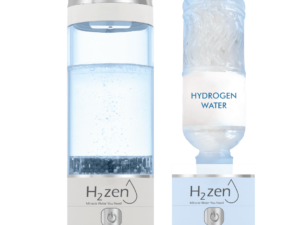
Because the gas escapes quickly, packaging and device integrity matter. Aluminum pouches, pressurized cans, and sealed generators retain level and help avoid loss during storage and opening.
Their team verifies pH, ORP, concentration, and temperature with multi-parameter meters before in-clinic application. At-home users should mind opening, pouring, and timing to keep the active level steady.
| Parameter | Target | Why it matters |
|---|---|---|
| Concentration | 0.5–1.6 ppm | Guides expected tissue exposure and consistency |
| ORP | -200 to -600 mV | Reflects antioxidant potential complementary to ppm |
| Packaging | Aluminum pouch/can/sealed | Preserves gas level until use to ensure real delivery |
Building an under-eye routine with hydrogen water
Small daily steps—cleanse, apply a targeted topical, and seal—make the biggest difference for delicate periorbital skin. A simple plan helps treatments work consistently and limits irritation in sensitive tissue.
Step-by-step: cleanse, apply, moisturize
Begin with a gentle, fragrance-free cleanser. Pat dry—do not rub.
Use a saturated pad or a device-guided mist to apply hydrogen water directly to the under-eye area. Follow product directions and avoid excess rubbing.
Lock in benefits with a lightweight moisturizer that supports barrier function and contains peptides if possible.
Pairing with sunscreen, peptides, and gentle brighteners
Daytime protection is essential. Apply broad-spectrum sunscreen each morning to prevent UV-driven oxidative pressure that can undo treatment gains.
Include peptide-rich serums to support skin structure and a mild brightener like niacinamide to target pigment. These complement the redox-focused action and help cells recover.
- Avoid harsh scrubs and strong acids near the eye.
- Use daily or near-daily topical treatment at home, with periodic clinic sessions for maintenance.
- Patch test new items and ramp up use slowly to check tolerance.
- Store sealed formats in cool, shaded spots and follow timing tips to retain activity until use.
- Take before/after photos under similar light to track subtle changes over several weeks.
| Step | What to use | Why it matters |
|---|---|---|
| Cleanse | Gentle, non-irritating cleanser | Removes debris while preserving barrier |
| Apply | Saturated pad or mist with hydrogen water | Delivers active species to target area safely |
| Seal | Lightweight moisturizer + peptides | Supports cells, maintains hydration and repair |
| Protect | Broad-spectrum sunscreen | Prevents UV-driven oxidative damage |
Practical note: routines work best when matched to local life—quick AM protection and a calm PM repair step suit many readers in Malaysia. Consistency improves overall function and treatment outcomes.
Under-eye sensitivities and safety: myths, facts, and best practices
Sensitive periorbital skin calls for cautious, evidence-based steps rather than bold claims. The dissolved gas used in topical applications has a generally recognized as safe profile in humans, with pilot research showing good tolerance over short courses.
- Not a treatment for diseases: topical use should not be presented as a cure for medical conditions or pigment-related diseases. It is a supportive adjunct within a wider plan.
- Dose realism: lower, steady exposure is safer than extremes. Follow product guidance and clinic protocols.
- Product integrity: sealed packaging and verified concentration preserve activity; poor packaging can nullify benefit.
- Consultation advised: anyone with active dermatologic disease or on complex therapy should consult a clinician before starting.
Patch testing and gradual introduction reduce sensitivity risk. Patients should watch for irritation and pause use if reactions occur.
“Pilot studies reported no adverse effects at four weeks, but larger, controlled trials are needed to confirm safety and efficacy.”
For special groups such as pregnant users, review targeted guidance like the clinic’s pregnancy page on pregnancy guidance and consult a provider before adding new topical steps.
Who is a good candidate in Malaysia?
Candidates who notice gradual change often benefit most from steady, gentle interventions tailored to daily life in Malaysia.
People in their 30s and 40s with early tone shifts related to age and routine exposure are typical fits. Those whose under-eye shading worsens with sun, long screen hours, and city pollution may see meaningful gains.
Those with sensitive skin who want non-irritating options are good matches. Gentle topical steps help calm localized inflammation and ease daily oxidative stress without aggressive peeling or strong acids.

- Best for mild–moderate discoloration linked to environmental stress and lifestyle.
- Less suited to deep hollows or pronounced vascular shadows; these may need combined procedures.
- Works well when layered with sunscreen and conservative brighteners.
- Consistent use and tracking over weeks raise the chance of visible improvement.
| Trait | Typical benefit | Notes |
|---|---|---|
| Early age-related tone change | Moderate improvement | Best with routine adherence |
| Inflammation-prone, sensitive skin | Reduced redness and puffiness | Gentle products advised |
| High daily stress / UV exposure | Lower visible strain | Pair with sun protection |
Interested in a candidacy check? WhatsApp Wellness Group at +60123822655 during business hours: Monday–Friday 9:30 am–6:30 pm; Saturday–Sunday 10 am–5 pm. They can assess local needs and the potential benefits of a tailored plan.
Choosing hydrogen water products and devices
Practical choice matters: generators, sealed pouches, and effervescent tablets each give different balance of control, cost, and convenience.
Electrolysis units, pouches/cans, and tablets: pros and cons
Electrolysis generators make an on-demand supply with predictable concentration. They suit users who want control and repeatable ppm at home.
Sealed aluminum pouches and pressurized cans keep dissolved gas and level stable during storage. They are easy to use and portable.
Magnesium-based tablets can produce H₂ quickly in clean water, but outcomes vary with input purity and tablet quality. Users should follow directions and timing closely.
Checking dissolved concentration, pH neutrality, and purity
Quality checks help ensure safe, comfortable use. Look for brands that disclose dissolved concentration, production date, and stability practices.
Measure ppm, ORP, and temperature when possible. Aim for neutral pH and clean input to avoid irritation in sensitive skin.
Service-based sessions: what to expect
Clinic protocols typically include cleansing, a gentle suction-assisted peel using pressurized hydrogen-rich fluid, then a pressurized jet pass. Sessions finish with moisturizer and simple post-care.
Typical cadence is weekly visits over four weeks, with follow-ups to monitor pore visibility, pigmentation, and wrinkle changes. Downtime is minimal in pilot reports, and comfort is usually good.
| Format | Key benefit | What to check |
|---|---|---|
| Electrolysis generator | On-demand, repeatable dose | ppm, concentration readout |
| Sealed pouch / can | Stable shelf life | Packaging date, level retention |
| Tablet | Portable, low cost | Input purity, timing |
“Reliable instruments that measure dissolved concentration, ORP, and temperature add confidence to treatment planning.”
Expected timeline and results tracking for dark circles
Visible changes around the eyes tend to appear slowly and stack with steady care over weeks.
Start with a baseline: take standardized photos and brief notes at week 0 under consistent lighting.
Repeat the same images and notes at week 4 and again one week later. These checkpoints match a four-week clinic protocol that showed a clear pore improvement and other positive trends.
Early effect often looks like slight texture smoothing or gentle brightening before larger shifts occur.
Progress depends on baseline pigmentation, age, sleep, UV habits, and routine quality. If improvement stalls after several weeks, adjust frequency, contact time, or product format.
“Track comfort and hydration alongside aesthetic change; sensitivity can guide safe fine-tuning.”
| Milestone | What to record | Why it matters |
|---|---|---|
| Week 0 | Baseline photos, notes on sleep and products | Reference point to compare later |
| Week 4 | Repeat photos, note texture and tone changes | Primary assessment of short-term effect |
| Week 5 | Follow-up photos and comfort check | Assess durability and any sensitivity |
| Ongoing | Monthly photos and maintenance log | Preserve gains against daily oxidative inputs |
Practical note: structural hollows may show limited response and could need complementary treatments. Share progress with Wellness Group for tailored guidance and realistic goals.
Hydrogen water for dark circles
Translating pilot mechanisms into practical care shows how selective radical scavenging and modest redox modulation can shape realistic under-eye outcomes. Topical approaches in short studies produced visible improvements in texture and perceived skin age while reporting good short-term safety.
Applying the science to periorbital skin: realistic outcomes
Expectation setting: steady, modest brightening and smoother texture are the most common early effects. These shifts come from reduced oxidative stress and improved local repair pathways rather than instant erasure of deep pigmentation or volume loss.
Mechanism to outcome: selective radical targeting plus Nrf2 upregulation and NF-κB calming supports collagen-friendly conditions and limits inflammation. That combination helps tone and reduces tired-looking shading over weeks when applied consistently.
- Gentle brightening and texture smoothing with regular use.
- Best results when paired with UV protection and sleep hygiene.
- Works well for sensitive periorbital tissue that reacts to stronger actives.
- Not a sole cure for deep pigmentation or hollows; combine with professional follow-up.
“Consistent daily contact plus periodic clinic support often yields the clearest improvements.”
Wellness Group Malaysia: expert help and how to get started
A practical intake helps the team tailor a short, realistic program that balances clinic therapy and at-home support. Wellness Group guides each client through a gentle, stepwise plan that respects sensitive periorbital skin and everyday routines in Malaysia.
Contact and hours
WhatsApp: +60123822655
Business hours: Monday–Friday 9:30 am–6:30 pm; Saturday–Sunday 10 am–5 pm.
What to expect at the first visit: a focused assessment, product and device education, and a tailored plan that blends clinic sessions with simple home therapy. Wellness Group reviews current routines and suggests adjustments to reduce irritation and improve adherence.
They explain typical session counts and cadence, and set clear checkpoints for tracking progress. Photos and short comfort checks help monitor results and guide any changes.
- Friendly, professional staff who prioritize sensitive-skin comfort during and after visits.
- Flexible scheduling to suit weekday or weekend commitments common in Malaysia.
- Clients are encouraged to bring current products to check compatibility and streamline routines.
- Follow-up support via WhatsApp to fine-tune steps based on progress.
“Transparent communication about realistic outcomes and time frames helps clients make steady, manageable progress.”
Ready to start? Message +60123822655 during business hours for quick scheduling and pre-visit questions. Consistent routines plus supportive therapy tend to produce the most reliable improvements over time.
Why partner with Wellness Group for hydrogen-rich skin solutions
Wellness Group turns emerging research into clear, clinic-ready plans that prioritise safety and daily life in Malaysia. They explain the evidence, set realistic timelines, and map how each step fits into a simple routine.

The team translates small pilot studies into standardised sessions that focus on product integrity and device quality. This careful approach reduces variation and helps clients expect consistent results without overpromising.
Education-first consultations are central. Staff teach proper handling of sealed formats, how to combine treatments with sunscreen and peptides, and why barrier care matters. Clients get friendly WhatsApp support for follow-up questions and tweaks.
- Evidence-guided role: they balance innovation with caution and track client feedback to refine plans.
- They coordinate multi-modal routines to boost cumulative potential while protecting sensitive skin.
- Standardised sessions and documented protocols improve reproducibility of outcomes.
“Their focus is steady, informed progression toward brighter, calmer eyes without dramatic claims.”
Conclusion
This article concludes that selective antioxidant approaches can support modest, trackable brightening and smoother under-eyes when used consistently.
By targeting oxidative stress in a measured way, hydrogen-based topical steps show promise as a safe adjunct to gentle skincare. Early human data encourage cautious optimism while noting the need for larger controlled trials.
Readers in Malaysia should choose quality products with verified concentration and stability, pair them with sunscreen and mild actives, and expect gradual gains over weeks. For tailored advice and session planning, contact Wellness Group on WhatsApp at +60123822655.
Start simple, stay consistent, and track progress. Thank you for reading this concise article designed to support informed skincare choices.
FAQ
What is molecular hydrogen and how does it differ from regular water?
Molecular hydrogen is H₂, a tiny, neutral gas that dissolves in water. Unlike plain water, H₂ acts as a selective antioxidant that can neutralize highly reactive oxygen species such as hydroxyl radicals. When dissolved, it may reach tissues more easily than many bulky antioxidants, which explains interest in topical and drinking approaches aimed at reducing oxidative stress around the eyes.
Can hydrogen-rich water reduce under-eye pigmentation and puffiness?
Early clinical and pilot studies show promising signs: improvements in pigmentation, pore visibility, and mild wrinkle reduction after topical H₂ treatments. Benefits likely come from reduced oxidative damage, modulation of inflammation pathways, and better microcirculation. Results vary by cause of the dark circles — vascular, pigmented, or structural — and by treatment method and consistency.
Is drinking hydrogen-rich water or using topical H₂ better for periorbital skin?
Both methods have different advantages. Topical formulations deliver dissolved H₂ directly to skin surface and can provide localized effects. Drinking hydrogen-rich drinks may offer systemic antioxidant effects that support skin health indirectly. Combining topical application with regular intake often yields broader benefits, but clinical comparisons remain limited.
What concentration of dissolved H₂ is considered therapeutic?
Research commonly cites 0.5–1.6 ppm as an effective dissolved concentration range. Antioxidant potential is often assessed alongside ORP values (around -200 to -600 mV indicates stronger reducing potential). Maintaining concentration requires appropriate packaging and rapid use because H₂ is volatile and escapes over time.
Are there safety concerns or side effects when using H₂ products around the eyes?
H₂ has a strong safety profile and is generally regarded as safe (GRAS) at typical doses used in drinking and topical products. Still, users should avoid contaminated carriers, follow product instructions, and discontinue use if irritation occurs. Clinic-based treatments should be performed by trained providers to control dose and avoid mechanical irritation.
How long before users see improvements in dark circles?
Timelines vary. Some pilot studies report skin appearance improvements after a few weeks of consistent topical use. Systemic benefits from drinking may take longer. Realistic tracking includes photographs, skin texture and pigment assessments, and monitoring puffiness after 4–12 weeks depending on the cause and regimen.
What role do reactive oxygen species and pathways like Nrf2 and NF-κB play in under-eye aging?
Reactive oxygen species (ROS) drive oxidative damage in periorbital tissue, affecting collagen, pigment production, and microcirculation. Activation of Nrf2 promotes antioxidant defenses, while downregulation of NF-κB reduces pro-inflammatory signaling. H₂-related interventions aim to modulate these pathways to protect cells and reduce visible signs of aging.
How should someone build an under-eye routine that includes hydrogen-rich products?
A practical routine pairs gentle cleansing, targeted topical H₂ application or soaking masks, followed by a hydrating eye cream and daily sunscreen. For best results, avoid harsh exfoliants around thin periorbital skin and consider combining with peptides or mild brightening agents under professional guidance.
Which devices and packaging reliably deliver dissolved H₂?
Popular delivery methods include electrolysis generators, pre-filled pouches or cans, and effervescent tablets. Reliable products report dissolved H₂ concentration, ORP, and use food-grade materials. Look for neutral pH formulas and reputable lab testing; sealed aluminum pouches and non-permeable canisters preserve dissolved gas better than standard bottles.
Who should consider H₂-based treatments in Malaysia?
Candidates include people with early signs of oxidative-driven periorbital aging, mild pigmentation related to photo-oxidative stress, or those seeking adjunctive, low-risk options to improve skin health. Individuals with active dermatologic conditions should consult a dermatologist. Wellness Group Malaysia offers consultations to match treatment type to cause and skin sensitivity.
Can hydrogen-rich intake help systemic conditions that affect skin aging?
Clinical findings suggest systemic H₂ may reduce oxidative stress and inflammation in various tissues, which could indirectly benefit skin health. Evidence supports potential therapeutic effects beyond skin, but users should view systemic intake as complementary rather than a standalone cure for skin-specific issues.
How can consumers verify product quality and claimed ppm or ORP values?
Choose brands that publish third-party lab reports showing dissolved H₂ concentration and ORP at time of packaging. Check expiration or “use-by” times, storage recommendations, and whether the company discloses manufacturing methods (electrolysis, magnesium reaction, etc.). Ask suppliers for test certificates if not publicly available.
Are there limitations or exaggerated claims to watch out for?
Yes. Avoid products or clinics promising immediate, permanent eradication of dark circles or cures for unrelated diseases. Scientific evidence supports antioxidant and anti-inflammatory effects, not miracle fixes. Consumers should expect incremental improvements and seek providers that combine evidence-based skincare with H₂ technology.
How should users store dissolved H₂ products to keep them effective?
Store sealed containers upright, chilled if recommended, and use quickly after opening. Choose non-permeable packaging like aluminum pouches or pressurized cans to reduce gas loss. For generators, follow device instructions and drink or apply product right away to maximize dissolved concentration.
Where can someone in Malaysia get more information or start a consultation?
Wellness Group Malaysia provides expert guidance, in-clinic treatments, and product recommendations. They offer WhatsApp support at +60123822655 and operate Monday–Friday 9:30 am–6:30 pm and Saturday–Sunday 10 am–5 pm for inquiries and bookings.

Khloe Tan
Khloe Tan is a Certified Nutritionist, Corporate Wellness Trainer, and Holistic Health Specialist with over 15 years of experience in the health and wellness industry. She has delivered more than 100 talks nationwide, inspiring and educating diverse audiences on nutrition, lifestyle, and sustainable wellness. Her work has positively impacted over 3,000 lives, and she continues to champion holistic approaches to well-being in both corporate and personal settings.