Wellness Group: Hydrogen Water for Cellular Repair in Malaysia
Surprising fact: a randomized, double‑blind study found that adults drinking 1.5 L/day of hydrogen-rich water for four weeks showed measurable drops in immune cell apoptosis and shifts in inflammatory gene signaling.
Wellness Group helps Malaysians understand what this means in daily life. The team explains what hydrogen water is, why selective antioxidant effects matter, and which outcomes are backed by human data rather than marketing claims.
The guide previews mechanisms such as selective scavenging of hydroxyl radicals, activation of Nrf2/HO‑1, and mitochondrial support. It notes improved antioxidant capacity in adults aged 30+ and highlights safety recognition when used in beverages.
Practical support: readers learn realistic expectations — this is a supportive therapy, not a cure — and how consistent use and lifestyle shape effects. For local advice, contact Wellness Group on WhatsApp: +60123822655. Business hours: Mon–Fri 9:30 am–6:30 pm; Sat–Sun 10 am–5 pm.
Key Takeaways
- Human trials show immune and antioxidant changes after regular intake.
- Mechanisms include selective radical scavenging and signaling modulation.
- Recognized safety when added to beverages supports informed choices.
- Wellness Group offers local guidance and device comparisons in Malaysia.
- This approach complements lifestyle habits and is not a standalone cure.
The Ultimate Guide to molecular hydrogen and cellular repair in Malaysia
This article clarifies which human trials and lab studies back real biological effects and which claims remain preliminary. It targets curious wellness seekers, active adults, and Malaysians aged 30+ who want clear, evidence‑aware guidance.
Quick summary: human data show that drinking 1.5 L/day for four weeks lowered PBMC apoptosis and raised serum BAP in older adults. Transcriptome work also found down‑regulation of NF‑κB/TLR inflammatory networks. Pilot trials hint at modest telomere gains over months.
What this means: supported benefits include selective antioxidant action, anti‑inflammatory signaling, and mitochondrial support. Where evidence is weaker, the article notes that this approach is not a treatment for diseases and that results vary by individual biology, intake consistency, and device quality.
Readers in Malaysia can get tailored advice from Wellness Group via WhatsApp at +60123822655 during business hours. For practical comparisons, see this short piece on hydrogen water and cholesterol.
Understanding oxidative stress and reactive oxygen species
Oxidative stress begins when the body’s antioxidant systems can no longer keep up with reactive species production.
What are ROS, RNS, and biomolecular damage?
Reactive oxygen species (ROS) and reactive nitrogen species (RNS) are short‑lived molecules made inside mitochondria and by enzymes such as NADPH oxidase. They also arise from pollution, tobacco, and radiation in urban Malaysia.
At low levels these radicals help cell signaling. When excess builds, they cause damage to DNA, lipids, and proteins. A common research marker of DNA oxidation is 8‑OHdG.
How chronic stress links to aging and diseases
Persistent oxidative stress disrupts homeostasis and raises risk of cardiovascular disease, metabolic syndrome, neurodegeneration, and cancer.
The goal of targeted strategies is to lower harmful burden while preserving useful signaling. This article sets the stage so readers can later assess markers like 8‑OHdG and BAP when evaluating studies or personal outcomes.
| Source | Primary Targets | Biomarker | Associated Diseases |
|---|---|---|---|
| Mitochondria | DNA, lipids | 8‑OHdG | Neurodegeneration, metabolic syndrome |
| NADPH oxidase | Proteins, membranes | Protein carbonyls | Cardiovascular disease |
| Environmental (pollution, tobacco) | Lipids, DNA | MDA, 8‑OHdG | Cancer, respiratory disease |
Hydrogen water for cellular repair
Defining what goes into a drinking bottle helps readers ask smarter questions.
What dissolved gas in drinking water means
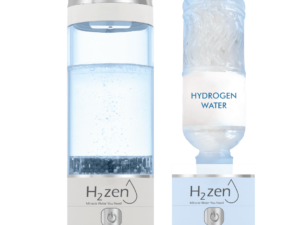
Hydrogen-rich water here refers to regular water infused with dissolved molecular hydrogen gas, not to be confused with alkaline or mineralized brands.
The gas is tasteless and may dissipate quickly, so concentration and delivery matter when comparing generators, cartridges, or on‑the‑go bottles.
Why selective scavenging of radicals matters
Unlike broad antioxidants, the dissolved gas reacts selectively with the hydroxyl radical and may reduce peroxynitrite-related harm.
This selectivity helps protect DNA and membranes without blunting normal redox signaling that cells need to function.
- Typical topical concentrations reported exceed 1.6 mg/L; beverages use lower dissolved gas and are GRAS‑recognized.
- Stability depends on timing—freshly generated drinks deliver the most consistent intake.
- Expect gradual, cellular‑level outcomes rather than immediate sensations.
Next: the article will examine how selective action links to Nrf2/HO‑1 activation and mitochondrial support.
How hydrogen works at the cellular level
Mechanisms that limit the worst oxidative hits rely on direct neutralization of hydroxyl species and on switching on the body’s defense genes. This dual action helps reduce damage while preserving needed signaling.
Selective antioxidant action
Direct neutralization targets the hydroxyl radical and may alter peroxynitrite chemistry. This focuses protection where DNA, lipids, and proteins face the greatest threat.
Nrf2 / HO‑1 and enzyme induction
Activation of Nrf2 raises HO‑1 and upregulates catalase and glutathione peroxidase at both the protein and gene levels. This bolsters endogenous antioxidant capacity rather than replacing it.
Mitochondria and NADPH oxidase modulation
Small neutral gas molecules cross membranes to reduce electron leak and mitochondrial ROS. They also modulate NOX subunits to lower excessive enzyme-driven radical output.
Anti-inflammatory signaling and anti‑apoptotic effects
Suppression of NF‑κB and multiple TLR genes shifts cytokine balance toward lower IL‑1β and IL‑8 expression. Human data show reduced PBMC apoptosis after four weeks of daily intake, and endothelial cells appear less prone to programmed death in early studies.
| Pathway | Main Change | Measured Marker |
|---|---|---|
| Hydroxyl radical neutralization | Less DNA/lipid damage | Lower 8‑OHdG, MDA |
| Nrf2 / HO‑1 | Enzyme induction | ↑ HO‑1, CAT, GPX1 |
| Mitochondria / NOX | Reduced ROS output | Lower mitochondrial ROS, NOX2/NOX4 activity |
Practical note: outcomes depend on baseline oxidative stress, intake levels, and device quality. Readers who want a short primer on dosing and comparisons can see a related piece at hydrogen water cleansing guide.
What the science says: key human and preclinical findings
A mix of randomized trials and bench research highlights specific molecular shifts after regular intake.
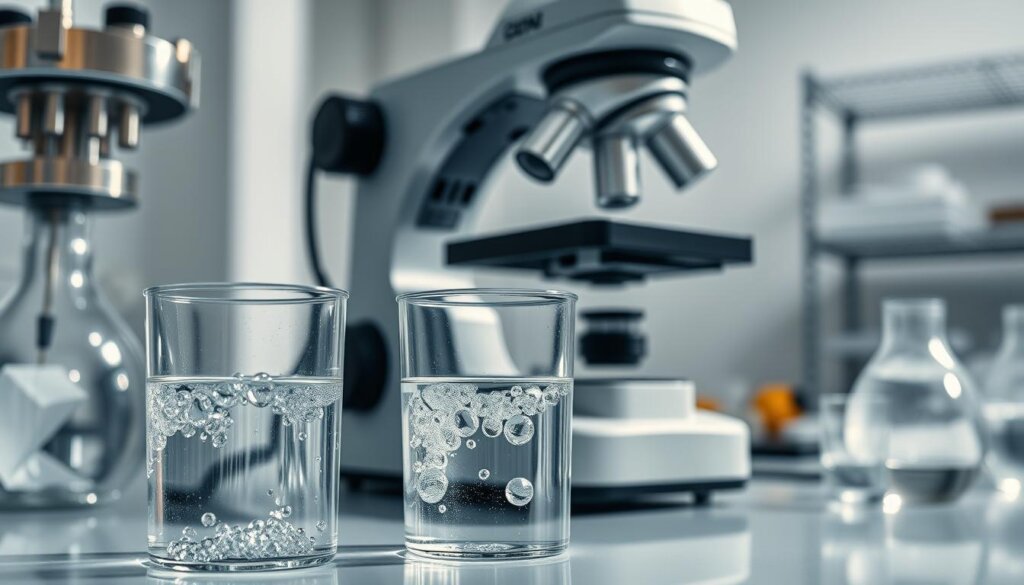
Randomized, double‑blind trial: short‑term human signals
The 4‑week randomized study used 1.5 L/day and compared hydrogen water to placebo. The active group showed lower PBMC apoptosis and adults aged 30+ had a larger increase in biological antioxidant potential (BAP).
Not all markers moved the same way. d‑ROMs were similar between groups, and 8‑OHdG fell in both arms, which highlights the role of hydration and study context in outcomes.
Transcriptomics: inflammatory networks down‑regulated
RNA‑seq from participants revealed reduced expression of TLR and NF‑κB pathway genes. Key genes with lower output included TLR1/2/4/6/7/8/9, MYD88, NFKB1, NLRP12, and MAP3K1.
Pro‑inflammatory transcripts such as IL1B, IL8, IL6R, and TNFRSF10B also decreased, linking molecular signaling changes to observed immune readouts.
Aging and mechanistic scaffolding
A pilot RCT in healthy elderly reported ~4% telomere length gain after six months of regular intake, though larger trials are needed to confirm this aging signal.
Preclinical models support mechanisms: lower mitochondrial ROS, modulation of NADPH oxidase, and reduced tissue oxidative injury. These findings help explain short‑term shifts versus longer structural change.
| Evidence | Main Finding | Implication |
|---|---|---|
| 4‑week RCT (1.5 L/day) | ↓ PBMC apoptosis; ↑ BAP in ≥30 | Immune and antioxidant shifts seen in weeks |
| Transcriptome analysis | Down TLR/NF‑κB, lower IL1B/IL8 | Reduced inflammatory signaling |
| Pilot elderly RCT (6 months) | ~4% telomere increase | Possible genomic stability with longer use |
| Preclinical studies | ↓ mitochondrial ROS, NOX modulation | Mechanistic basis for human effects |
Takeaway: studies show encouraging signals in healthy adults and elders, but results varied and placebo improvements occurred. Readers in Malaysia should track energy, recovery, and select biomarkers with a health professional when testing this approach.
From oxidative damage to repair: linking mechanisms to outcomes
Linking oxidative hits to measurable outcomes helps readers see how molecular steps translate into real benefit. This short section maps pathways to practical markers and realistic expectations.
Limiting 8‑OHdG and preserving DNA integrity
8‑OHdG is a reliable marker of DNA oxidation. Clinical data showed it fell in both active and placebo groups in one trial, while animal work often reports clearer drops after targeted interventions.
Selective radical targeting and Nrf2 induction together may reduce the steady burden of oxidative damage. That helps preserve genomic stability and lowers the chance of mutation over time.
Supporting proteostasis, mitochondrial function, and healthy cell turnover
Reduced mitochondrial ROS eases pressure on proteins and membranes. Better proteostasis keeps enzymes active and signaling accurate.
Lower PBMC apoptosis in a short trial suggests a friendlier environment for cells to recover and adapt. These subtle effects can improve resilience and recovery when combined with sleep and nutrition.
- Measure: track 8‑OHdG and BAP with a clinician.
- Expect: gradual changes, not instant fixes.
- Mechanism: direct radical quenching plus gene modulation support durable outcomes.
Next: the article moves to skin and cosmetology implications, where these processes inform topical and systemic strategies.
Skin and cosmetology benefits backed by hydrogen medicine
Topical approaches in aesthetics now lean on selective antioxidant signaling to calm inflammation and boost barrier healing.
Topical and systemic support: clinical and preclinical data show reduced NF‑κB activation, lowered neutrophil and macrophage infiltration, and fewer pro‑inflammatory cytokines. This action helps stabilize mast cells and reduce histamine release, easing redness and itching.
Applications: photoaging, barrier support, wound recovery
Reports describe hydrogen‑rich baths, wet compresses, and topical solutions that aid barrier recovery and calm inflamed skin. Photoaging models and early trials note less UV‑induced oxidative damage and improved texture.
Emerging delivery tech
Nano‑bubble solutions aim to boost solubility and retention at the surface, while hydrogels and microneedle patches offer controlled release to target layers. Concentrations above 1.6 mg/L are cited for robust topical effects in some reports.
“Adjunctive, non‑invasive approaches appear gentle and well tolerated across skin types.”
- Many clinics in Malaysia now offer facials or topical purifications that integrate these methods.
- Pairing systemic intake with local treatments creates an inside‑out strategy for inflamm‑aging and barrier health.
Practical note: adoption is growing, but more rigorous studies are needed. Readers may consult Wellness Group about local options and realistic expectations.
Hydrogen water and inflamm‑aging: modulating immune balance
C as people age, a steady rise in low‑grade inflammation makes small injuries linger and lowers daily energy. This chronic immune activation is often called inflamm‑aging and links to many age‑related diseases.
Shifting macrophage polarization and cytokine profiles
Research reviews report that regular intake reduces IL‑1β, IL‑6, and TNF‑α while boosting IL‑4, IL‑10, and IL‑13. These shifts move tissues from a pro‑inflammatory state toward repair‑friendly signaling.
Key pathways such as NF‑κB, NLRP3, and TLR4 show lower activity in models and small human studies. That helps tilt macrophages from M1 (inflammatory) to M2 (resolving), a change that supports recovery and tissue calm.
- Everyday effects: less post‑exercise soreness, steadier energy, calmer skin and joints.
- Timing: expect slow shifts; check progress at 4, 8, and 12 weeks.
- Practical note: hydrogen and water approaches complement sleep, nutrition, and movement; they do not replace medical care for chronic inflammation.
Readers with chronic conditions should coordinate with a clinician before adding new intake routines.
How to use hydrogen water safely and effectively
Begin with a simple, consistent routine to test effects safely and track small changes over weeks.
Practical intake tips and daily routine
Start modestly: aim for 1–1.5 L per day of freshly generated beverage spread across the day. The human study protocol used 1.5 L/day over four weeks, which is a useful model to try.
Freshness matters: dissolved gas levels fall quickly. Make drinks close to when they will be sipped, cap bottles, and avoid heating after generation.
- Place servings around meals and post-activity to build habit and aid recovery.
- Set reminders, prepare portions, and note subjective changes in energy or soreness.
- Occasional breaks are fine; resume to compare perceived benefits.
Who may benefit and simple safety rules
Active adults and people aged 30 and above tended to show clearer antioxidant shifts in trials. Those focused on recovery may notice reduced post-exercise soreness or steadier energy.
Safety: beverage use is GRAS-recognized. Start slowly, monitor how one feels, and consult a clinician when tracking biomarkers.
| Item | Recommendation | Why it matters |
|---|---|---|
| Daily amount | 1–1.5 L spread across day | Mimics RCT protocol with reported PBMC and BAP changes |
| Timing | Around meals and post-activity | Supports routine and recovery windows |
| Storage | Cap and drink soon after generation | Preserves concentration and levels |
| Check-in | Track for 4–8 weeks; test biomarkers if possible | Detects subtle shifts in antioxidant status |
For a tailored plan and device guidance in Malaysia, message Wellness Group on WhatsApp: +60123822655. Business hours: Mon–Fri 9:30 am–6:30 pm; Sat–Sun 10 am–5 pm.
Other ways to deliver molecular hydrogen
Several delivery options let people choose rapid systemic exposure or focused topical care, depending on goals and setting.
Inhalation for rapid systemic exposure
Inhalation delivers molecular hydrogen or oxy‑hydrogen mixes quickly into blood and tissues. It has been explored in respiratory and cardiovascular contexts where fast uptake matters.
This non‑invasive route needs quality devices and supervision in clinical or clinic‑style settings. Safety, flow rate, and gas purity determine any measurable effect.
Baths and wet compresses for local care
Hydrogen‑rich baths and wet compresses provide local absorption to skin and joints. Typical topical concentrations cited in reports exceed 1.6 mg/L.
Nano‑bubble methods can improve solubility and tissue reach, making topical approaches practical for soreness or inflamed areas.
Clinical infusions and controlled dosing
In hospitals, hydrogen‑rich saline is prepared under pressure to reach precise concentration (>0.6 mmol/L) and used as an infusion. This is a specialist intervention with clear dosing and monitoring.
- Choose delivery by goal: daily drinking suits routine wellness; inhalation and infusion suit rapid or clinical needs; topical care aids local recovery.
- Safety first: pick trusted suppliers and seek professional guidance in Malaysia.
Choosing quality hydrogen water and devices
Practical device features—seal quality, materials, and production method—shape daily intake and outcomes.
Concentration and stability matter. Look for units that report dissolved gas concentration and how long those levels persist after generation. Topical literature often cites >1.6 mg/L for robust local use, while beverage concentrations vary by technology and bottle design.
Concentration, stability, and dissolution methods that matter
Common production methods include electrolysis generators, magnesium-based cartridges, and nano-bubble solutions. Each has trade-offs in speed, peak concentration, and how quickly gas escapes.
Electrolysis models give steady output but need electrode care. Magnesium cartridges are simple and portable but show variable concentration. Nano-bubble tech boosts retention and may prolong the effect in a sealed bottle.
What to look for in generators, cartridges, and nano-bubble solutions
Key checks: independent concentration tests, sealed container design, compatible materials (glass or specific plastics), and clear maintenance schedules. Ask about filter changes, electrode lifespan, and local service in Malaysia.
- Verify third‑party measurements rather than marketing claims.
- Prefer tight caps and bottles that minimize gas loss.
- Consider portability if office, gym, or travel use is planned.
The article also highlights total cost of ownership and service support as important. For side‑by‑side comparisons of models available in Malaysia and practical coaching, message Wellness Group on WhatsApp: +60123822655. Business hours: Mon–Fri 9:30 am–6:30 pm; Sat–Sun 10 am–5 pm.
Readers who want safety notes about intake and pregnancy can see a short guide at hydrogen water while pregnant.
Safety, tolerability, and what studies report
Safety profiles in trials have been reassuring, with few if any serious adverse events reported in healthy adults.
Regulatory status: the gas used in sealed beverages is GRAS when prepared correctly. In the 4‑week randomized trial, participants completed the protocol with no serious safety signals linked to daily hydrogen water intake.
Across clinical and preclinical studies, drinking, inhalation, and topical routes showed favorable tolerability. Mild, transient changes such as shifts in digestion or hydration patterns were reported in some cases and usually settled as routines stabilized.
Practical advice: start gradually, check that device maintenance and water sources are clean, and choose reputable suppliers to avoid contaminants. Readers should track how they feel and adjust timing or amounts to daily demands.
The article recommends that patients with complex medical histories or those taking multiple medications consult a clinician before beginning regular use. Wellness Group can help tailor safe plans; message via WhatsApp: +60123822655.
| Topic | Summary | Action |
|---|---|---|
| GRAS status | Recognized when beverage-grade gas is used | Confirm product claims and tests |
| Trial tolerability | No serious events in short RCT; good overall safety | Monitor symptoms over 4–8 weeks |
| Delivery routes | Drinking, inhalation, topical all showed good profiles | Choose route by goal and seek guidance |
Who should consult a professional before use
Anyone managing chronic health needs should seek clinical guidance before changing daily routines. A short review helps set safe expectations and relevant monitoring.
Medical checks matter when baseline risks exist. Clinicians can review current medications and decide if timing or dose adjustments reduce interaction risks and improve outcomes.
Existing conditions, medications, and personalized guidance
Who should consult first:
- People with chronic diseases, pregnant or breastfeeding women, or those on complex drug regimens.
- Those with kidney issues or electrolyte concerns who may need tailored hydration plans and lab monitoring of levels.
- Individuals using topical approaches for dermatologic conditions should coordinate with a dermatologist.
“Discuss baseline labs and target goals so monitoring matches what the clinician expects.”
Clinicians may track biomarkers such as 8‑OHdG or antioxidant capacity to measure early effects seen in some studies. Document sleep, activity, and symptoms across the first 4–8 weeks and adopt a gradual approach to assess tolerance.
For personalized guidance, contact Wellness Group on WhatsApp: +60123822655. Hours: Monday–Friday 9:30 am–6:30 pm; Saturday–Sunday 10 am–5 pm.
Hydrogen water in Malaysia: access and availability
Across Malaysian clinics and gyms, demand for infused beverage systems is growing as people seek everyday recovery aids.
Local adoption: studios, boutique wellness centres, and select skin clinics now offer generated drinks and topical sessions. Fitness centres add bottled servings as a recovery perk.
What to ask: check reported concentration, how fresh a serving will be, and whether staff test output regularly.
Choosing a solution
- Compare portable bottles, countertop generators, and under-sink systems by routine and budget.
- Prefer models with independent performance testing and clear warranties.
- Seek distributors who provide local after-sales service suited to Malaysia’s climate and use patterns.
| Option | Best for | Key check |
|---|---|---|
| Portable bottle | Travel, gym | Seal quality, peak concentration |
| Countertop generator | Daily home use | Production method, maintenance schedule |
| Under-sink system | Family households | Service plan, filtration compatibility |
Wellness Group helps shoppers compare options and avoid common pitfalls. Message via WhatsApp: +60123822655. Hours: Mon–Fri 9:30 am–6:30 pm; Sat–Sun 10 am–5 pm.
Talk to Wellness Group in Malaysia
Readers can message Wellness Group to get friendly, evidence‑aware guidance on choosing systems that suit daily habits and budgets. The team helps match device options to lifestyle, activity levels, and recovery goals.
WhatsApp: +60123822655 and personalized recommendations
Text the number to describe your budget, device preferences, and wellness priorities like skin, endurance, or general resilience. They will suggest models, explain the process, and outline maintenance needs.
Business hours and bookings
Hours: Monday–Friday 9:30 am–6:30 pm; Saturday–Sunday 10 am–5 pm. Readers can schedule a quick demo or a side‑by‑side comparison during these times.
What to bring to the chat:
- Budget range and preferred brands or device types.
- Home setup details and usual activity or consumption patterns.
- Any wellness goals or current routines to align recommendations.
| Service | What to Bring | Benefit |
|---|---|---|
| Device comparison | Budget, placement (kitchen/office) | Clear choice and cost estimate |
| Setup & maintenance plan | Frequency of use, local service needs | Stable dissolved hydrogen levels and uptime |
| Trial & tracking | Goals (skin, endurance), start date | Ongoing support to evaluate effects over time |
Local knowledge matters: they advise on availability, parts, and servicing across Malaysia so buyers make a smart purchase. This article frames the approach as a wellness complement; Wellness Group helps integrate it with broader healthy habits.
Conclusion
Conclusion
The article ties selective radical targeting, Nrf2 activation, and mitochondrial support to real outcomes such as higher antioxidant capacity in adults aged 30+ and reduced PBMC apoptosis.
Transcriptomic data show down‑regulation of NF‑κB and TLR signaling after four weeks, aligning mechanisms with human study signals. Practical use calls for fresh, consistent intake, attention to concentration and timing, and patience as subtle changes appear over weeks.
Safety: beverage use proved well tolerated in trials, yet readers should consult a clinician when needed. Skin applications and nano‑bubble or hydrogel tech offer topical options alongside systemic routines.
Malaysians may contact Wellness Group via WhatsApp: +60123822655. Start simple, track progress, and share feedback to keep the discussion grounded in real life. Thank you for reading.
FAQ
What is molecular hydrogen and how does it relate to drinking hydrogen-rich water?
Molecular hydrogen is H2 gas dissolved into drinking fluids. It acts as a selective antioxidant that can neutralize highly reactive radicals and influence cell signaling pathways linked to oxidative stress, inflammation, and mitochondrial function when consumed in adequate concentrations.
How does this approach help reduce reactive oxygen species (ROS) and oxidative damage?
The dissolved gas selectively scavenges the most harmful radicals, such as hydroxyl radicals and peroxynitrite, lowering oxidative damage to DNA, lipids, and proteins. It also modulates antioxidant systems like Nrf2/HO‑1 and downstream enzymes (catalase, glutathione peroxidase), which supports long-term redox balance.
Are there human studies showing benefits for immune cells and PBMCs?
Yes. Randomized, double-blind trials in healthy adults report improved antioxidant capacity and reduced apoptosis in peripheral blood mononuclear cells (PBMCs). Transcriptome analyses also show down-regulation of inflammatory networks including NF‑κB signaling in some cohorts.
Can this strategy influence aging, telomeres, or cellular senescence?
Preclinical and some human data suggest reduced oxidative lesions like 8‑OHdG and improved genomic stability, which can support telomere maintenance and lower senescence markers. Evidence is promising but not yet definitive for broad anti-aging claims.
How does it affect mitochondria and NADPH oxidase–related stress?
It helps reduce mitochondrial oxidative stress by limiting excessive radical formation and may down-modulate NADPH oxidase activity, improving mitochondrial function, ATP production, and reducing cellular damage from chronic ROS generation.
What anti-inflammatory mechanisms are involved?
The dissolved gas dampens pro-inflammatory signaling by modulating NF‑κB and TLR pathways, shifting cytokine profiles toward lower IL‑6 and TNF‑α in several studies, and promoting macrophage polarization toward a more balanced phenotype.
Are there skin and cosmetology applications supported by evidence?
Yes. Both topical and systemic approaches show reduced inflammation, improved barrier function, and benefits for photoaging and wound recovery. Emerging delivery methods like nano-bubbles and hydrogels aim to enhance local efficacy.
What delivery methods exist besides drinking fluids?
Options include inhalation of H2-enriched gas for rapid systemic exposure, hydrogen-rich baths and compresses for local care, and clinical hydrogen-rich saline infusions. Each method has different kinetics and practical considerations.
How should people use this safely and effectively?
Practical tips include consistent, daily intake at validated concentrations, storing treated bottles to prevent off-gassing, and choosing reputable devices or products that report dissolved gas levels. Users should avoid relying on a single intervention and combine it with good diet, sleep, and exercise habits.
Who might benefit most from regular use?
Active adults, recovery-focused users, and people aged 30 and over who want to support redox balance and recovery may see benefits. Individuals with chronic oxidative stress–related conditions might also benefit but should consult a clinician first.
Are there safety concerns or reported adverse effects?
Studies report high tolerability with few adverse effects when used at typical concentrations. However, people on certain medications, pregnant or breastfeeding women, and those with complex medical conditions should seek medical advice before use.
How can customers in Malaysia access quality products or services?
Local wellness clinics, fitness centers, and specialized retailers offer generators, cartridges, and pre-filled options. Consumers should look for clear concentration data, stability testing, and reputable brands or devices with good dissolution methods like nano-bubble technology.
What should someone ask when choosing a device or generator?
Ask about measured dissolved gas concentration (ppm), stability over time, method of dissolution, warranty, independent testing, and whether the device uses cartridges or electrolytic generation. Reliable customer support and clear usage instructions are important.
When is it important to consult a professional?
People with existing health conditions, those taking prescription medications, pregnant or nursing individuals, and anyone planning clinical infusion or inhalation therapy should consult a physician or clinical specialist for personalized guidance.
How can someone contact Wellness Group in Malaysia for personalized recommendations?
They can reach Wellness Group via WhatsApp at +60123822655 during business hours: Monday–Friday 9:30 am–6:30 pm and Saturday–Sunday 10:00 am–5:00 pm for tailored advice and service options.

Khloe Tan
Khloe Tan is a Certified Nutritionist, Corporate Wellness Trainer, and Holistic Health Specialist with over 15 years of experience in the health and wellness industry. She has delivered more than 100 talks nationwide, inspiring and educating diverse audiences on nutrition, lifestyle, and sustainable wellness. Her work has positively impacted over 3,000 lives, and she continues to champion holistic approaches to well-being in both corporate and personal settings.