Did you know that without proper Vitamin D levels, your body can absorb only 10-15% of the calcium you consume? This surprising fact reveals why this nutrient is so crucial for our bodies.
Many people mistakenly call it a vitamin, but it’s actually a hormone our skin produces when exposed to sunlight. This powerful substance plays a critical role in maintaining strong, healthy bones and supporting overall musculoskeletal wellness.
Doctors are seeing more cases of deficiency-related conditions today. Modern lifestyles with limited sun exposure contribute to this growing concern.
Click to 了解更多
Wellness Group presents this comprehensive guide to help you understand this essential nutrient. We’ll explore various pathways to maintain optimal levels and support your skeletal system.
Key Takeaways
- Vitamin D acts more like a hormone than a traditional vitamin
- The body naturally produces it through sunlight exposure
- Proper levels are essential for calcium absorption
- Deficiency has become increasingly common in modern society
- Maintaining optimal levels supports overall musculoskeletal wellness
- Multiple pathways exist to obtain sufficient amounts
- Professional guidance can help maintain strong bone health
Understanding Vitamin D and Its Crucial Role
What makes this nutrient truly special is its unique nature. While most vitamins must come from food, this one behaves differently in our bodies.
More Than a Vitamin: The Hormone for Health
This remarkable substance acts more like a hormone than a traditional vitamin. Our skin produces it when exposed to sunlight.
This natural production process makes it unique among nutrients. The body creates what it needs through simple sun exposure.
This hormonal quality explains why maintaining proper levels affects so many systems. It influences various aspects of our well-being beyond just nutritional needs.
The Historical Discovery: From Rickets to Radiance
Industrialization brought unexpected health challenges. As people moved from farms to factories, sunlight exposure decreased dramatically.
This lifestyle shift led to increased cases of rickets in children. The connection between sunlight and this condition became apparent through observation.
In the 1920s, researchers noticed something remarkable. Children taking cod liver oil rarely developed these deficiency conditions.
This discovery revolutionized our understanding of nutritional health. It revealed how modern lifestyles could create new health risks.
Today, we recognize that optimal levels support multiple body functions. The understanding has expanded from bone support to broader wellness benefits.
How Vitamin D Supports Bone Health
Many people don’t realize that this essential nutrient acts as a key that unlocks calcium absorption throughout the body. This partnership forms the foundation of strong skeletal structure and overall musculoskeletal wellness.
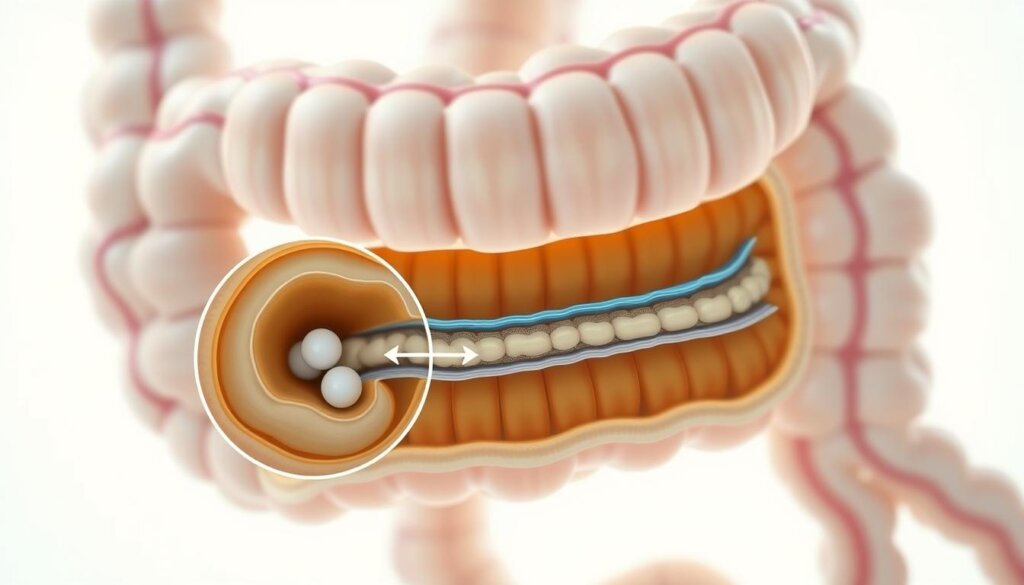
The Calcium Absorption Partnership
In the intestines, this remarkable substance transforms into its active form. It then binds to specific receptors that control calcium uptake from digested food.
The process resembles a carefully managed transportation system. Without adequate levels, calcium simply passes through the digestive tract unused.
This nutrient ensures that consumed minerals actually reach their destination. The body can then utilize them for building and maintaining dense skeletal tissue.
“The synergy between calcium and this sunshine-activated compound represents one of nature’s most elegant biological partnerships.”
Consequences of Deficiency: Rickets and Osteomalacia
When levels drop too low, the body enters a state of calcium crisis. The parathyroid glands become overactive trying to compensate.
Click to 了解更多
This condition, called secondary hyperparathyroidism, triggers calcium withdrawal from bones. The skeleton essentially sacrifices its mineral content to maintain blood balance.
Click to 了解更多
Chronic deficiency leads to noticeable symptoms that affect daily life:
- Persistent muscle weakness and frequent cramps
- Unexplained fatigue that doesn’t improve with rest
- General discomfort throughout the musculoskeletal system
In children, this deficiency manifests as rickets during growth periods. The developing skeleton cannot properly mineralize, leading to soft, weak bones.
Adults experience osteomalacia, where existing bone loses mineral density. Both conditions represent preventable skeletal disorders through proper nutrient maintenance.
| Condition | Age Group | Primary Symptoms | Skeletal Impact |
|---|---|---|---|
| Rickets | Children | Bowed legs, delayed growth | Improper bone formation |
| Osteomalacia | Adults | Bone pain, fracture risk | Weakened existing bone |
These deficiency conditions develop gradually over time. Early detection and intervention can prevent serious long-term consequences for skeletal health.
Maintaining optimal levels through appropriate intake represents the most effective prevention strategy. Regular monitoring helps ensure the body can properly utilize calcium for strong skeletal maintenance.
Obtaining Sufficient Vitamin D: The Three Pathways
Maintaining proper levels of this essential nutrient requires understanding three main approaches. Each method offers unique benefits and challenges for modern lifestyles.
People often wonder about the best way to get vitamin D consistently. The answer usually involves combining multiple sources for optimal results.
Sun Exposure: Benefits and Necessary Precautions
Sunlight remains nature’s original method for producing this crucial substance. The skin creates it when exposed to ultraviolet B rays.
In Malaysia’s tropical climate, people can produce it year-round. The optimal time is midday when UVB rays are strongest.
Experts recommend exposing arms and legs for 10-15 minutes daily. This brief period without sunscreen allows adequate production.
Always balance sun safety with nutrient needs. Avoid prolonged exposure during peak hours to prevent skin damage.
Use protection after the initial exposure window. This approach maximizes benefits while minimizing risks.
Dietary Sources: Fortified Foods and Natural Options
Very few foods naturally contain substantial amounts. Oily fish like salmon and trout offer the highest natural levels.
A 3-ounce serving of sockeye salmon provides about 570 IU. Farmed rainbow trout contains approximately 645 IU per serving.
Many common products get fortified to help intake. Milk typically contains 100 IU per 8-ounce glass.
Some breakfast cereals and dairy items add small amounts. Checking labels helps identify fortified options.
Most people find it challenging to get enough from diet alone. The limited selection makes consistent intake difficult.
Supplementation: The Most Reliable Method
Supplements offer the most dependable way to maintain proper levels. They provide consistent dosage regardless of weather or diet.
Modern lifestyles often make sunlight exposure unpredictable. Indoor jobs and urban living reduce natural production.
Various forms accommodate different preferences and ages. Gummies and drops work well for children who dislike pills.
For most adults, a daily supplement ensures reliable intake. It complements dietary sources and occasional sun exposure.
Combining methods helps achieve optimal levels safely. Professional guidance can determine the right balance for individual needs.
Many people mistakenly believe occasional sun or diet provides enough. Consistent supplementation proves most effective for modern life.
Recommended Daily Amounts of Vitamin D
Getting the right amount of this essential nutrient can be confusing for many people. Different organizations suggest various doses, and labels use different units.
Understanding proper intake helps maintain strong bones and overall wellness. This section breaks down recommendations by age and weight.
Guidelines by Age and Weight
Major health groups provide different advice about how much people need each day. The Institute of Medicine suggests these amounts:
- 400 IU daily for infants under 1 year
- 600 IU daily for children ages 1-18 years
The Endocrine Society offers weight-based recommendations for better personalization:
- 1,000 IU daily for those under 90 pounds
- 2,000 IU daily for people weighing 90-150 pounds
- 4,000 IU daily for individuals over 150 pounds
These amounts represent the minimum to prevent deficiency conditions. Optimal levels for strongest bones might be higher for some people.
Understanding International Units (IU) and Micrograms (mcg)
Supplements use two measurement systems that can confuse consumers. International Units (IU) and micrograms (mcg) both measure the same nutrient.
The conversion is simple: 1 mcg equals 40 IU. Most adults need about 10 mcg (400 IU) daily.
Reading labels carefully ensures people take the correct amount. Some products list both measurements for clarity.
Consistent daily intake works better than occasional high doses. The body absorbs and uses it more effectively this way.
“Weight-based dosing provides more personalized recommendations than age-based guidelines alone.”
Individual factors affect how much each person needs. Growth rate, body weight, and health status all play roles.
Long-term intake above 4,000 IU daily can be harmful. Always follow recommended amounts unless advised otherwise by a healthcare provider.
Checking supplement labels helps understand dosage instructions. Look for both IU and mcg measurements to ensure proper intake.
Special Considerations and Risk Factors
Your personal risk for low levels depends on multiple factors beyond just diet and sun exposure. Some people naturally need more of this essential nutrient than others.
Understanding these risk factors helps people take appropriate preventive measures. It allows for personalized approaches to maintaining optimal levels.
Populations at Higher Risk for Deficiency
Certain groups face elevated risk due to biological and lifestyle factors. People with darker skin tones have higher melanin content that naturally protects against sun damage.
This protective melanin also reduces the skin’s ability to produce the nutrient from sunlight. The natural sunscreen effect means they need longer sun exposure to achieve the same production levels.
Elderly individuals experience reduced production capacity as they age. Their skin becomes less efficient at converting sunlight into the active form.
People with higher body weight often need increased supplementation. The nutrient gets stored in fat tissue, making it less available for bodily functions.
The Impact of Lifestyle, Geography, and Skin Tone
Geographical location significantly influences natural production capacity. Malaysia’s equatorial position provides strong sunlight year-round.
Despite this advantage, modern urban lifestyles reduce exposure opportunities. Office workers and indoor occupations limit daily sun contact.
Cultural and religious clothing practices affect synthesis too. Garments covering most skin surface reduce the area available for production.
Recreational habits have shifted toward indoor activities recently. Screen time often replaces outdoor play for children and adults alike.
| Risk Factor | Affected Group | Impact on Levels | Recommended Action |
|---|---|---|---|
| High Melanin Content | Darker skin tones | Reduced sunlight conversion | Longer exposure or supplements |
| Geographical Location | Northern latitudes | Seasonal sunlight variation | Year-round supplementation |
| Body Composition | Higher BMI individuals | Sequestration in fat tissue | Increased dosage needed |
| Age Factor | Elderly population | Reduced production efficiency | Regular testing and supplements |
| Lifestyle Patterns | Urban office workers | Limited sun exposure | Consistent supplementation |
Medications and Health Conditions That Affect Levels
Several common medications interfere with absorption or metabolism. Anti-seizure drugs particularly affect how the body processes this nutrient.
Children taking these medications often require higher daily intake. Their bodies need extra support to maintain proper levels.
Other medications that can impact levels include:
- Glucocorticoids used for inflammation control
- Antiretroviral drugs for HIV treatment
- Antifungal medications
- Weight loss drugs that affect fat absorption
Certain health conditions also increase requirements. People with malabsorption issues need special attention to their levels.
Those using wheelchairs or with mobility challenges face higher risk. Limited outdoor access reduces natural production opportunities.
“Individual risk assessment should consider medication use, health status, and lifestyle factors together rather than in isolation.”
Regular blood testing helps monitor levels for high-risk individuals. Professional guidance ensures appropriate supplementation adjustments.
People with multiple risk factors benefit from personalized plans. Combining testing with tailored supplementation provides the best protection.
The Importance of Calcium and Combined Intake
Imagine two partners working together to build strong foundations – that’s how calcium and this essential nutrient function. They create a powerful team that supports skeletal strength throughout life.
This partnership ensures that the body can properly utilize minerals for building and maintaining dense tissue. The combination works much better than either component alone.

Why Vitamin D and Calcium Work Together
This remarkable substance acts as a key that unlocks calcium absorption throughout the body. It transforms in the intestines to help minerals enter the bloodstream.
Calcium serves as the building material while this nutrient provides the transportation system. Without adequate calcium in the body, the nutrient cannot help bones grow stronger.
The process resembles a carefully managed construction project. Materials need both workers and equipment to create solid structures.
“This nutritional partnership represents one of nature’s most elegant biological collaborations for skeletal wellness.”
Timing intake together ensures maximum effectiveness. Taking them simultaneously improves how well the body utilizes both components.
Daily Calcium Requirements and Sources
Starting at age three, children need at least 1,000 mg of calcium daily. This amount supports growing skeletal systems during development years.
Teens and adults require 1,000-1,300 mg each day. This equals roughly three servings of dairy or fortified alternatives.
Rich dietary sources include various foods and products:
- Dairy milk, yogurt, and cheese
- Fortified plant-based foods and beverages
- Leafy green vegetables like kale and broccoli
- Canned fish with edible bones
- Fortified orange juice and cereals
Most multivitamins don’t contain sufficient calcium amounts. Children should get this mineral from other sources in their diet.
For optimal absorption, divide calcium intake throughout the day. Amounts larger than 500 mg at once don’t absorb as efficiently.
Some people need to take calcium supplements to meet daily requirements. These supplement options work well when combined with proper nutrient levels.
Combining calcium-rich meals with sources of this essential compound creates ideal conditions for skeletal health. This approach ensures the body can properly utilize both nutrients.
For personalized guidance on maintaining proper nutrient levels, professional advice can help create the right balance for individual needs.
Taking Action for Your Bone Health
Taking control of your nutritional status begins with accurate assessment and informed choices. Understanding your current situation helps create an effective plan for maintaining proper levels.
Interpreting Blood Tests: The 25-Hydroxy Vitamin D Test
The 25-hydroxy test serves as the gold standard for assessing nutrient status. This blood measurement provides the most accurate picture of your current levels.
Healthcare professionals use specific ranges to interpret results. Levels below 20 ng/mL indicate deficiency and can lead to serious health issues.
Most experts recommend maintaining concentrations between 40-70 ng/mL. Some suggest up to 100 ng/mL for optimal protection against skeletal problems.
Extremely high readings above 150 ng/mL can be harmful. Regular monitoring helps ensure safe and effective supplementation.
Choosing the Right Supplements: D3 vs. D2
Two main forms exist in nutritional products: D3 and D2. Understanding their differences helps people make informed choices.
D3 (cholecalciferol) typically shows slightly better effectiveness. Many adults prefer this form for their daily regimen.
D2 (ergocalciferol) works well for those following specific diets. This option suits people who avoid animal-derived products.
Various delivery methods accommodate different preferences. Gummies, liquids, and tablets offer flexibility for individual needs.
Proper doses depend on current blood levels and health status. Professional guidance ensures appropriate supplementation amounts.
Seeking Professional Guidance from Wellness Group
Self-supplementing without proper testing can lead to imbalances. Healthcare providers offer personalized assessment and recommendations.
Wellness Group provides comprehensive nutrient evaluation services. Their team helps interpret test results and create tailored plans.
They adjust recommendations based on individual response and changing needs. This approach ensures optimal support over time.
People with special health conditions benefit greatly from professional oversight. Those taking medications that affect nutrient metabolism need careful monitoring.
Contact Wellness Group at +60123822655 for consultations. Their hours are Monday-Friday 9:30am-6:30pm and Saturday 10am-5pm.
Working with experts simplifies the process of maintaining proper levels. They help develop regimens that fit individual lifestyles and health goals.
Conclusion
Strong skeletal wellness depends on maintaining proper nutrient levels throughout life. This essential compound supports calcium absorption and overall musculoskeletal function.
People can obtain it through three main pathways. Sensible sun exposure, fortified foods, and reliable supplementation all contribute to adequate levels.
Individual needs vary based on multiple factors. Age, skin tone, body weight, and lifestyle all influence requirements.
Combining this nutrient with sufficient calcium creates optimal conditions for skeletal strength. This partnership ensures minerals get properly utilized.
Vitamin deficiency remains widespread but preventable. Regular monitoring helps maintain year-round adequacy.
Professional guidance from Wellness Group (+60123822655) provides personalized support. They help develop sustainable plans for long-term wellness.
Taking proactive steps today ensures stronger tomorrows. Consistent attention to nutrient status supports lifelong vitality and wellbeing.
FAQ
Why is it so important for strong bones?
It acts like a key that lets the body absorb calcium from food. Without enough, bones can become thin, brittle, or misshapen.
How can someone get enough of it?
There are three main ways: sensible sun exposure, eating foods like fatty fish and fortified milk, and taking a daily supplement, which is often the most reliable method.
How much should a person take each day?
Most adults need at least 600-800 IU (International Units). However, individual needs can vary based on age, skin tone, where they live, and overall health.
Who is most at risk for not having enough?
Older adults, people with darker skin, those who live in northern climates, individuals who always wear sunscreen, and people with certain digestive conditions are at higher risk.
Does calcium intake matter as well?
Absolutely. Calcium is the main building block for bones, but the body can’t use it properly without sufficient levels of this nutrient. They work as a team.
How does someone know if they have a deficiency?
A simple blood test, called a 25-hydroxy test, can check their levels. It’s a good idea to talk to a doctor at a wellness clinic if they suspect a problem.
What’s the difference between D3 and D2 supplements?
D3 (cholecalciferol) is the type the body makes from sunlight and is generally considered more effective at raising blood levels than D2 (ergocalciferol).