Surprising fact: clinical trials report that daily intake of hydrogen-rich water cut key inflammatory markers in some people within weeks, a result that has grabbed attention in health circles.
Wellness Group frames an Ultimate Guide that explains how hydrogen water may affect immune pathways and why this matters for everyday choices in Malaysia. Early human studies show antioxidant and anti-inflammatory signals after regular intake of hydrogen-rich water.
They note trials where molecular hydrogen altered immune cell behavior and gene activity, yet larger, longer studies remain needed. Practical topics ahead include dosing, device choices, and how to weigh potential benefits against individual risk.
For personalized guidance, Malaysians can contact Wellness Group via WhatsApp at +60123822655 during business hours: Monday-Friday 9:30 am-6:30 pm; Saturday-Sunday 10 am-5 pm.
Key Takeaways
- Early trials suggest water antioxidant effects and reduced markers tied to inflammation.
- Hydrogen-rich water changed immune cell signals in small studies, but more research is needed.
- Wellness Group helps interpret evidence and match use to Malaysian lifestyles.
- Later sections cover dosing, generators versus tablets, and practical timing tips.
- Risk discussions should consider health status; contact Wellness Group for tailored advice.
What Is Hydrogen-Rich Water and Why It’s Getting Attention
Infusing plain drink with dissolved H2 transforms a basic liquid into a potential bioactive beverage. Hydrogen-rich water is regular water that contains extra molecular hydrogen, not heavy variants or alkaline-only products.
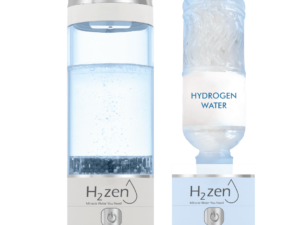
How it forms: H2 gas is added under pressure or generated on demand using tablets, generators, or ionizers. Tiny H2 molecules diffuse quickly and stay dissolved for a practical window before outgassing, so timing matters for best potency.
Researchers believe dissolved H2 acts as a selective scavenger of hydroxyl radicals and may tweak cellular signaling, leading to antioxidant responses and hormetic adaptations in models. FDA lists H2 as GRAS when used in beverages, which supports proper consumer products.
Key points to watch
- The active agent is dissolved H2, not pH change from electrolysis.
- Production methods vary in reliability and concentration.
- Human studies explore antioxidant capacity, immune markers, and other possible effects; larger trials remain needed.
For guidance on safe use and special situations, see a focused note about hydrogen water during pregnancy.
The Science Behind Hydrogen Water and Inflammation
When cells face excess reactive oxygen species, immune signals can lock the body into a chronic inflammatory state.
From oxidative stress to chronic inflammation: the connection
Oxidative stress fuels immune cascades by damaging lipids, proteins, and DNA. These insults activate pattern receptors that push NF-κB and related pathways to keep cytokine production high.
How molecular hydrogen fits in: H2 selectively neutralizes hydroxyl radicals, easing oxidative damage without suppressing useful signaling. That selective action may rebalance redox-sensitive pathways and reduce ongoing cell stress.
Highlights from recent human studies and systematic reviews
A 4-week randomized trial (1.5 L/day) showed fewer apoptotic PBMCs, reduced CD14+ monocytes, and downregulated TLR–NF-κB transcriptional networks. Gene reductions included IL1B, IL8, IL6R, and TNFRSF10B, suggesting less pro-inflammatory expression.
- Systematic reviews report encouraging effects across exercise, liver, heart, mood, and recovery, but trials vary widely.
- Biomarker shifts are promising; clinical event data remain limited, so larger trials are needed.
Readers should view current research as suggestive rather than definitive and watch for larger, longer studies before drawing firm conclusions.
Core Mechanisms: Antioxidant, Anti-Inflammatory, and Hormetic Effects
A mix of direct radical neutralization and shifted gene activity appears central to observed effects. Molecular hydrogen acts in small, targeted ways that aim to ease oxidative stress while keeping useful cell signaling intact.
Selective scavenging of hydroxyl radicals and redox balance
Hydrogen selectively reduces hydroxyl radicals, a potent form of damage, without wiping out other reactive oxygen species. This selective antioxidant action helps preserve signaling that cells need for normal function.
Downregulating NF-κB and TLR signaling pathways
Human PBMC transcriptomics show lower TLR1, TLR2, TLR4 and NFKB1 expression after intake. Those shifts map to reduced pro-inflammatory signaling and fewer apoptotic readouts in healthy adults.
Activating Nrf2, mitochondrial biogenesis, and cellular resilience
Alongside direct scavenging, pathways linked to Nrf2 activation and mitochondrial biogenesis are engaged. These hormetic-like processes boost endogenous defenses, improve bioenergetics, and may explain reported benefits across tissues.
- Takeaway: direct radical neutralization plus indirect signaling changes likely underlie observed effects, but dose, timing, and individual variability shape outcomes.
What Human Studies Reveal Right Now
Researchers studying adults have begun to map how short-term drinking of hydrogen-rich water shifts immune cell behavior and metabolic outcomes.
Healthy adults: immune profiles, apoptosis, and transcriptomics
In a 4-week randomized trial (1.5 L/day), older participants showed higher antioxidant capacity while overall groups had less PBMC apoptosis.
Monocyte changes included lower CD14+ frequency and transcriptomic signs of downregulated TLR–NF-κB, with reduced IL1B, IL8, IL6R, and TNFRSF10B expression.
Metabolic syndrome: 24-week outcomes on glucose, lipids, and cytokines
A 24-week RCT using high-concentration intake (>5.5 mmol/day) reported lower fasting glucose (121.5→103.1 mg/dL), a −12% HbA1c shift, drops in total cholesterol and triglycerides, plus reduced TNF-α, IL-6, and CRP.
Participants also gained vitamins C and E levels and showed modest BMI and WHR improvements, suggesting dose and duration matter for metabolic endpoints.
- Key takeaways: short trials show immune and gene-level effects; longer, higher-dose work helped metabolic syndrome markers.
- Biomarker gains do not yet equal hard clinical endpoint proof; more large studies are needed.
For related clinical notes on blood pressure and routine consumption, see hydrogen water for blood pressure.
Hydrogen Water and Exercise: Performance, Fatigue, and Recovery
Field and lab studies now ask if nano-bubble hydrogen-rich water can deliver a real edge for athletes. Short trials in trained cyclists reported better anaerobic power after seven days of HRW. Pre-workout HRW also cut blood lactate at high intensities and improved ventilatory efficiency.
Findings in cyclists and runners: where it helps—and where it’s unclear
Double-blind trials in runners showed mixed outcomes. Slower competitors gained about 1.3% with a 1680 mL pre-race dose, while the fastest saw a small decline. This highlights individual variability.
Training load, lactic acid, and ventilatory efficiency
Youth soccer players who used hydrogen-rich water over eight weeks lowered MDA and cytokines and raised SOD and total antioxidant levels. That suggests less oxidative stress and faster recovery during training blocks.
- Practical tip: try pre-exercise use so H2 is present when exertional stress peaks.
- Higher concentration tends to show clearer effects than low-dose regimens.
- Track RPE, heart rate, and lactate if possible to see real-world benefits.
Note: HRW should complement proper hydration, especially in Malaysia’s heat, not replace core fluid and electrolyte strategies.
Cardiometabolic Health: Lipids, Blood Glucose, and Inflammatory Markers
Longer, higher-concentration regimens of dissolved H2 have shown measurable improvements in blood lipids, glycemia, and waist measures in adults with metabolic syndrome.
Key clinical findings include a 24-week high-concentration hydrogen-rich water protocol that lowered fasting glucose, cut HbA1c by ~12%, and reduced total cholesterol and triglycerides. BMI and waist-to-hip ratio fell, while TNF-α, IL-6, and CRP dropped.
Shorter trials reported bigger antioxidant enzyme activity (SOD +39%) and lower lipid oxidation (urinary TBARs −43%). Some studies found improved HDL function even when HDL-C stayed stable.
Vascular function improved quickly in one trial, with a 25.4% rise in reactive hyperemia index after two weeks. Small reports also note adjunct symptom relief in unstable angina, though HRW is not a replacement for standard care.
- Takeaway: higher concentration plus longer duration tend to yield clearer effects on glycemia and anthropometrics.
- Patients with higher baseline triglyceride or glucose levels may see larger changes.
- Consult a clinician before adding hydrogen water to therapy, especially with prescription drugs.
Molecular Hydrogen’s Role in Oxidative Stress and Cellular Protection
Small H2 molecules reach cell compartments fast, where they ease oxidative stress without blocking useful signals.
Selective action: dissolved H2 neutralizes highly reactive radicals while leaving signaling ROS intact. This helps preserve normal cell function and avoids broad suppression of useful pathways.
Evidence shows lower oxidative DNA damage markers, such as reduced 8-OHdG, in models and short human trials. Mitochondrial injury also falls, with improved respiration and signs of enhanced biogenesis.
Safety margin: studies report no cytotoxicity at fairly high H2 exposures. Historical use of H2 in deep-diving gas mixes offers practical exposure context that supports tolerability.
“Reducing excessive oxidative injury while keeping redox balance helps cells survive stress and avoid unnecessary apoptosis.”
| Effect | Evidence | Clinical relevance |
|---|---|---|
| Oxidative DNA markers | Lower 8-OHdG in models | Less genotoxic stress |
| Mitochondrial protection | Improved respiration, biogenesis signals | Better energy resilience |
| Immune cell survival | Reduced PBMC apoptosis after HRW | Potential anti-apoptotic benefits |
Timing and delivery matter: keep dissolved H2 available before it outgasses to maximize tissue exposure. Cellular protection arises from combined redox, metabolic, and inflammatory shifts that may translate to organ-level benefits.
Immune Modulation: From CD14+ Cells to Gene Expression
A four-week randomized trial (1.5 L/day) reported fewer apoptotic PBMCs after daily hydrogen-rich water use.
Fewer dying white cells suggests lower systemic cell stress. Reduced PBMC apoptosis can mean better immune resilience.
PBMC apoptosis reduction and immune subset shifts
CD14+ monocyte frequency fell, which may reflect less need for debris clearance and lower inflammatory tone.
Age ≥30 participants showed larger antioxidant rises, hinting at age-related responsiveness in some groups.
Transcriptome shifts: key cytokine and receptor expression
RNA-seq of blood cells revealed downregulation across many TLRs plus MYD88 and NFKB1. MAP3K1, FOS, RELB, and NLRP12 also dropped.
Notably, IL1B, IL8, IL6R, and TNFRSF10B expression decreased, pointing to broad dampening of TLR–NF-κB signaling.
| Marker | Change | Clinical implication |
|---|---|---|
| PBMC apoptosis | Decreased | Lower systemic cell stress |
| CD14+ monocytes | Reduced frequency | Less pro-inflammatory recruitment |
| IL1B / IL8 / IL6R / TNFRSF10B | Lower expression | Reduced cytokine signaling |
Takeaway: blood markers show immune modulation after short-term hydrogen water intake. These mechanistic signs need links to symptom and outcome data before clinical claims are made.
Organ-Specific Insights: Liver, Kidneys, and Vascular Function
Clinical signals now point to organ-level effects after regular intake of hydrogen-rich water. Early work in NAFLD used high-concentration regimens and found less liver fat on MRI alongside improved liver enzyme profiles.
NAFLD and chronic viral liver disease
In pilot studies, high-concentration hydrogen-rich water lowered liver fat and reduced oxidative markers. Chronic hepatitis B trials (1,200–1,800 mL/day) showed better liver function tests and declines in HBV DNA that paralleled reduced oxidative stress.
Dialysis: fatigue and metabolic markers
Electrolyzed solutions used during hemodialysis cut post-HD fatigue, reduced oxidative stress, and improved BUN levels in small trials. Note that electrolyzed fluids differ from routine oral use, so results may not transfer directly.
Vascular function and rapid changes
A short trial reported a 25.4% rise in reactive hyperemia index after two weeks, suggesting quick endothelial response. Unstable angina case series found adjunct symptom relief and better lipids when combined with standard care.
| Organ | Key findings | Clinical note |
|---|---|---|
| Liver (NAFLD, HBV) | Reduced liver fat, improved enzymes, lower oxidative markers | Pilot data; antiviral endpoints seen alongside redox changes |
| Kidney (hemodialysis) | Less fatigue, lower BUN, reduced oxidative stress | Used electrolyzed solutions; clinical coordination advised |
| Vascular | ↑ Reactive hyperemia index (25% in 2 weeks), symptom relief in angina | Rapid endothelial gains; adjunct, not replacement, for care |
Takeaway: organ systems driven by oxidative stress and inflammation may respond to molecular hydrogen exposure, but larger controlled studies are needed before routine clinical recommendations. Patients with liver disease or on dialysis should consult their care team before use.
Oncology and Hydrogen Water: What Early Data Suggests
Preclinical work shows that adding hydrogen-rich water to standard chemotherapy improved tumor size, collagen remodeling, and fibrosis in colorectal models.
A systematic review that screened 677 records and included 27 reports found possible adjunct benefits for prognosis, quality of life, and tumor reduction. However, study methods and endpoints varied, so results remain preliminary.
Possible mechanisms include reduced oxidative cell damage and lower inflammatory signaling, which may help tissues tolerate therapy better without blunting therapeutic effects.
Patients should not replace cancer treatment with any supplement. Any adjunct use must be discussed with an oncologist to avoid timing or dose conflicts that might interfere with chemo.
- Early signs support further trials, especially biomarker-driven, randomized work.
- Safety signals look favorable so far, but evidence on survival benefit is not yet available.
- Interested patients in Malaysia can learn more about coordination of care and research via hydrogen water and chemotherapy.
Mental Health and Stress: Mood, Anxiety, and Inflammatory Cytokines
Early human work links short courses of hydrogen water to small but measurable mood and anxiety gains in adults. One four-week trial found improved scores after daily intake.
In a longer study, women with panic disorder who drank 1,500 mL/day of hydrogen-rich water for three months while receiving counseling showed lower pro-inflammatory cytokine levels (IL-6, IL-1β, IL-12, TNF-α) in blood.
Important caveat: symptom change between groups was not statistically significant, so findings remain preliminary.
- Small trials show mood and anxiety metrics may improve with consistent consumption.
- Biomarker drops suggest a neuroimmune link where oxidative signals affect mood.
- HRW is best viewed as an adjunct to therapy, not a replacement for care.
Practical notes: track personal responses, keep sleep and exercise habits strong, and review any supplement use with a mental health provider. Larger randomized trials are needed to confirm durability of cytokine shifts and clinical benefit.
COVID-19 Context: Antioxidant and Anti-Inflammatory Considerations
Research explored whether added hydrogen, given as inhaled gas or as drinkable hydrogen water, could ease respiratory burden during COVID-19.
Most clinical reports used inhalation. Those trials found lower airway resistance and drops in inflammatory markers for mild-to-moderate illness. Results suggest antioxidant and anti-inflammatory effects after short exposures to molecular hydrogen gas.
Oral hydrogen-rich water shows persistent biological signals beyond systemic clearance in small trials. Direct evidence for benefit in SARS-CoV-2 disease remains limited. It is premature to claim therapeutic utility.
Practical guidance: follow public health rules, use vaccines, and keep standard care first. View hydrogen water only as an adjunct. Consult a clinician before adding any supplement during infection.
- Differentiate inhaled gas from drinkable products when reading studies.
- Future trials should compare inhalation versus drinking for respiratory recovery.
- Safety appears acceptable so far, but more data is needed.
“Available data support cautious interest, not clinical endorsement.”
How to Use Hydrogen-Rich Water: Methods, Concentration, and Timing
Practical use focuses on three parts: selection of production methods, targeted daily concentration, and smart timing around meals or activity.
Choosing generators, tablets, and ionizers
Generators and ionizers often deliver steady levels but cost more and need upkeep. On-demand tablets are cheaper, portable, and can yield high H2 quickly.
Verify claims with third-party tests such as gas chromatography or simple titration checks to confirm actual concentration in a glass.
High-concentration dosing vs low-dose intake
Clinical work using tablets that provided >5.5 mmol/day showed clearer metabolic gains over 24 weeks versus low-dose regimens. Higher daily levels for longer durations tend to produce stronger antioxidant and blood marker changes.
Timing with exercise and meals
Drink immediately after preparation to avoid outgassing. For exercise, a pre-workout dose often helps ventilatory efficiency and lowers lactate. Splitting consumption across the day keeps exposure steady.
- Quick-start checklist: pick a reliable method, confirm concentration, dose consistently, time around exercise or fasting windows, track reactions.
- Consider device maintenance, local water quality, and cost when choosing for Malaysian households.
- People with complex health issues should seek medical advice before long-term high-dose use.
Safety, Limits of Evidence, and Research Gaps
Most human trials report few adverse events after short- or medium-term use of hydrogen water. Tolerance has been good even in higher-dose protocols, and systematic reviews note a generally favorable safety profile.
However, many reports focus on biomarkers rather than hard clinical endpoints. Small sample sizes and brief durations make it hard to infer long-term benefit for chronic disease or aging populations.
Key gaps include optimal dosing, ideal duration, timing with meals, and comparative performance of tablets, generators, and ionizers. Pharmacokinetics are underreported: few studies track blood or breath hydrogen levels, which hampers mechanistic clarity.
| Area | Current signal | What is needed |
|---|---|---|
| Safety | Generally good in trials | Larger, longer safety cohorts |
| Efficacy | Biomarker shifts (antioxidant, lower oxidative stress) | Clinical endpoint trials |
| Variability | Age and sex effects unclear | Stratified studies by age and factors |
| Pharmacokinetics | Rarely measured in blood or breath | PK studies with timing and gas measures |
Practical note: clinicians and consumers should view hydrogen-rich water as an adjunct, not a substitute for care. Check for product validation, watch for interactions with medications or devices (for example, dialysis), and consider enrolling in local studies to strengthen research for Malaysia.
Hydrogen Water for Malaysians: Local Relevance and Access
Daily life in Malaysia often means heat, humidity, and time outdoors. Small changes to fluid choices can support comfort, recovery, and overall health.
Lifestyle fit: heat, hydration, exercise
Active people may try a pre-workout dose to help with recovery during hot sessions. A post-session drink can support antioxidant balance after heavy exertion.
Tip: sip freshly prepared hydrogen water before and after activity rather than storing for long periods.

Practical access and guidance
Wellness Group helps Malaysians pick validated devices or tablets with confirmed H2 output. Staff advise on product choice, safe incremental trials, and checks for those with chronic conditions, including liver concerns.
- Fit with diet: combine with balanced meals, movement, sleep, and stress care for best results.
- Workplace strategy: keep freshly made servings in a sealed bottle to limit outgassing.
- Safety: start low, monitor response, and consult before long-term high-dose plans.
For tailored advice and local availability, contact Wellness Group on WhatsApp at +60123822655. Support available Monday-Friday 9:30 am–6:30 pm; Saturday-Sunday 10 am–5 pm.
Talk to Wellness Group: Personalized Advice, Business Hours, and WhatsApp
Wellness Group offers practical, evidence-aware guidance for anyone curious about safe use, device choice, or timing around activity and meals.
Message on WhatsApp:
WhatsApp: +60123822655
Readers may send a quick note to schedule a baseline review. A short intake covers hydration habits, goals, and medical history so recommendations fit daily life.
Business hours
Mon–Fri: 9:30 am–6:30 pm
Sat–Sun: 10:00 am–5:00 pm
Services include:
- Help choosing generators, tablets, or ionizers by budget and goal.
- Personalized dosing and timing aligned with work, training, family routines.
- Advice on integrating any supplement with existing care and meds.
- Local tips for Malaysia: storage, making fresh servings, and tracking outcomes.
“Wellness Group supports both first-time explorers and experienced users with ongoing checks and safe, evidence-aware plans.”
Conclusion
strong, Recent controlled studies report measurable changes in immune markers and metabolic signals after regular hydrogen-rich water use.
Overall evidence shows promising redox shifts and clearer clinical gains for metabolic syndrome after higher-concentration, 24-week regimens. Organ pilots in liver disease, dialysis fatigue, and vascular function align with those mechanisms.
Oncology and COVID-19 work remain exploratory; safety so far looks favorable but larger, longer research is needed to define risk and long-term effects.
Practical steps: confirm concentration, time consumption around activity, and track personal metrics. View hydrogen water as an adjunct to healthy habits and medical care, not a replacement.
For tailored plans in Malaysia, contact Wellness Group on WhatsApp +60123822655 during business hours for product guidance and personalized advice.
FAQ
What is hydrogen-rich water and how does it differ from regular drinking water?
Hydrogen-rich water contains dissolved molecular hydrogen (H2) at higher concentrations than ordinary tap or bottled water. It acts as a signaling molecule and selective antioxidant rather than replacing electrolytes or minerals. Unlike regular water, it can modulate redox balance and inflammatory pathways without changing pH or adding calories.
How does molecular hydrogen stay dissolved in water and how long does it last?
Molecular hydrogen dissolves as a neutral gas and remains in solution based on temperature, pressure, and container sealing. Glass or aluminum containers with tight lids preserve concentration longer. At room temperature in typical bottles, H2 levels decline over hours to days, so fresh production or sealed storage is best for consistent dosing.
Can hydrogen-rich water reduce oxidative stress and chronic inflammation?
Evidence from cell, animal, and human studies indicates H2 can selectively scavenge highly reactive hydroxyl radicals and modulate redox-sensitive signaling. This may lower markers of oxidative damage and some inflammatory cytokines. Results vary by population, dose, and study quality, so it is promising but not universally proven.
What mechanisms explain anti-inflammatory effects seen with H2?
H2 appears to reduce oxidative damage and shift redox balance, downregulate NF-κB and certain Toll-like receptor pathways, and activate Nrf2-driven antioxidant responses. It also supports mitochondrial function and may induce mild hormetic effects that increase cellular resilience.
What do human studies show about metabolic syndrome and blood markers?
Clinical trials report improvements in glucose control, triglycerides, HDL function, waist measures, and inflammatory cytokines after extended H2 intake in people with metabolic syndrome. Benefits often require weeks to months and depend on starting risk factors, concurrent lifestyle changes, and dose.
How does H2 affect exercise performance and recovery?
Trials in cyclists and runners found mixed results. Some show reduced fatigue, lower oxidative markers, and better recovery, while others report minimal effects on peak performance. Benefits are more consistent for recovery and reduced exercise-induced oxidative stress than for enhancing maximal output.
What concentrations and dosing strategies are used in studies?
Studies use a wide range from low daily intakes to high-concentration dosing (>5.5 mmol/day). Practical approaches include on-demand H2 generators, tablets that release gas in water, and pre-filled hydrogen bottles. Higher sustained dosing tends to show stronger biological effects in clinical research.
Are there safety concerns or side effects from drinking hydrogen-rich water?
Molecular hydrogen has an excellent safety profile in human trials with rare, mild side effects reported. H2 is non-toxic at common supplemental doses. Users should follow device instructions, ensure water quality, and consult a clinician if pregnant, nursing, or on complex medical treatments.
Is hydrogen-rich water useful for liver, kidney, or cardiovascular conditions?
Early clinical data suggest benefits for liver fat and enzyme markers in NAFLD and for oxidative stress and fatigue in dialysis patients. Small studies show improved endothelial function and reactive hyperemia. However, larger, longer trials are needed before routine therapeutic recommendations.
Could H2 help with immune modulation or gene expression changes?
Research including PBMC and transcriptome analyses indicates reduced apoptosis in some immune subsets and modulation of inflammatory genes such as IL1B, IL6R, and IL8. These findings hint at immune-regulating effects, but clinical relevance requires further validation.
What about use during infections like COVID-19 or in oncology settings?
Investigational work explored antioxidant and anti-inflammatory roles of H2 in acute infections and as supportive care in oncology. Early reports are experimental and preliminary; patients should not replace standard treatments with H2 and must discuss use with their medical team.
How should someone choose between generators, tablets, or ionizers?
Choice depends on convenience, target concentration, budget, and reliability. Generators and prefilled bottles offer higher, more consistent H2 levels. Tablets are portable and affordable but may yield variable concentrations. Look for third-party testing and clear instructions.
When is the best time to drink hydrogen-rich water for exercise or meals?
Practical guidance favors consuming H2 before and after exercise to reduce oxidative stress and aid recovery. With meals, timing is flexible; some evidence suggests spacing intake across the day supports sustained signaling and antioxidant effects.
Are there research gaps or limits to current evidence?
Yes. Many human trials are small, short-term, or heterogeneous in dosing and endpoints. Long-term safety and efficacy across diverse diseases need larger randomized trials. Standardized dosing and validated biomarkers would improve comparability.
How can Malaysians access hydrogen-rich water and get personalized advice?
Availability includes local distributors, online retailers, and Wellness Group services that provide consultation and product guidance. People should consider local climate, hydration needs, and activity patterns when choosing products and ask for tailored recommendations.
How can someone contact Wellness Group for consultation or support?
Wellness Group offers personalized guidance via WhatsApp at +60123822655 and operates Monday–Friday 9:30 am–6:30 pm, Saturday–Sunday 10 am–5 pm. They can advise on product choice, dosing options, and lifestyle integration.