
Modern science reveals that tiny organisms living within us hold surprising power over our well-being. These beneficial bacteria, often overlooked, work tirelessly to strengthen the body’s defenses, balance digestion, and even influence mood. Wellness Group’s team has spent years unlocking their potential through personalized guidance backed by cutting-edge research.
Think of your gut as a bustling ecosystem. When harmful pathogens invade, these microscopic helpers crowd them out while reinforcing intestinal barriers. They also produce compounds that support everything from nutrient absorption to mental clarity. But how do you harness their full potential without getting lost in conflicting advice?
This guide simplifies the science behind these live microorganisms, offering actionable steps to integrate them into daily life. Whether exploring specific strains like acidophilus or adjusting dietary habits, Wellness Group’s experts provide strategies tailored to individual needs. Their approach combines tradition with innovation, recognizing that lasting vitality starts from within.
Key Takeaways
- Beneficial bacteria play critical roles in digestion, immunity, and mental health
- Gut balance impacts nutrient absorption and disease resistance
- Professional guidance ensures safe, effective use of microbial supplements
- Dietary adjustments can amplify the effects of these microorganisms
- Personalized plans address unique health goals and lifestyles
Understanding the Role of Probiotics
Our bodies host complex communities that play vital roles in maintaining balance. These microscopic allies – particularly certain strains of live bacteria and yeast – form dynamic partnerships with our biological systems. Their presence creates natural safeguards that ripple through multiple aspects of physical health.
Definition and Basic Concepts
These beneficial microorganisms thrive in environments like the digestive tract and skin. Common types include Lactobacillus and Bifidobacterium strains, along with Saccharomyces boulardii yeast. Unlike temporary visitors, they establish colonies that interact directly with bodily functions.
Their role extends beyond simple coexistence. By occupying space and resources, they create competitive environments where harmful germs struggle to survive. This biological crowding-out effect forms the first line of defense in sensitive areas.
How They Work in the Body
These microbial partners produce substances like lactic acid that inhibit invaders. Simultaneously, they communicate with immune cells, helping the body distinguish friend from foe. Studies show certain strains reinforce intestinal walls, preventing unwanted particles from entering the bloodstream.
When imbalances occur due to stress or dietary changes, introducing specific bacteria can restore harmony. For those exploring three key health benefits, understanding these mechanisms proves essential. The right microbial support acts like a personalized maintenance crew for your internal ecosystems.
Probiotics for overall wellness: Benefits and Impact
The human digestive tract functions like a high-tech command center, where trillions of microorganisms collaborate to maintain balance. These microscopic residents don’t just process meals—they actively shape physical resilience and daily vitality.
Boosting Gut Health and the Microbiome
A thriving gut microbiome acts as nature’s security team. Beneficial bacteria crowd out harmful invaders while reinforcing intestinal walls. This biological teamwork enhances nutrient absorption and keeps digestion running smoothly.
Research shows these microbes produce compounds that strengthen the digestive system’s protective barriers. A diverse microbial community also supports mental clarity by influencing neurotransmitter production. Nearly 70% of immune cells reside in gut tissues, relying on bacterial allies for optimal function.
Supporting the Immune and Digestive Systems
Balanced gut flora reduces inflammation and helps regulate bowel movements. Studies suggest specific strains can relieve bloating and discomfort linked to common digestive issues. This microbial support extends beyond the abdomen, impacting whole-body defenses.
The immune system benefits when gut populations stay diverse. Friendly bacteria train immune cells to recognize threats while preventing overreactions. Regular microbial maintenance through diet or supplements offers lasting health benefits without disruptive side effects.
Getting Started: A Beginner's Guide to Probiotics
Navigating the world of microbial allies begins with smart choices. Whether exploring supplements or fermented dishes, understanding quality markers and strain diversity helps build effective routines.
Identifying the Right Probiotic Strains
Not all bacterial strains work the same. Lactobacillus acidophilus supports digestion, while Bifidobacterium longum aids immune function. Research-backed options often list specific genus and species names on labels.
Look for products containing 1 billion CFU or more. Reputable brands disclose expiration dates and storage requirements to ensure live active cultures remain potent. Beginners should start with single-strain formulas before mixing varieties.
Probiotic Supplements versus Fermented Foods
Supplements offer concentrated doses of targeted strains. Fermented foods like kimchi and kefir provide diverse microbial communities plus vitamins. Consider this comparison:
| Feature | Supplements | Fermented Foods |
|---|---|---|
| CFU Count | Precisely measured | Varies by preparation |
| Convenience | Portable, no prep needed | Requires refrigeration |
| Additional Nutrients | Rare | High in enzymes & fiber |
Yogurt and miso soup serve as tasty sources of active cultures. For specific health goals, supplements deliver standardized doses. Many find combining both approaches creates optimal balance.
Incorporating Probiotics into Your Daily Routine
Building a gut-friendly lifestyle doesn’t require drastic changes—small, consistent habits create lasting results. Start by pairing microbial allies with meals that amplify their benefits. Timing matters less than regular use, as these helpers thrive on daily commitment rather than occasional doses.
Dietary Tips and Lifestyle Adjustments
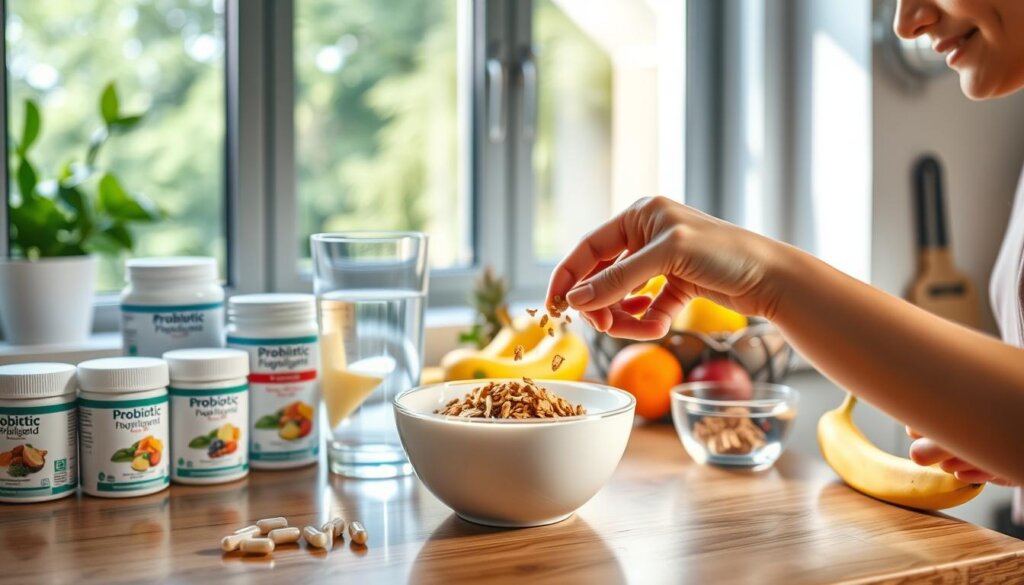
Morning routines set the tone for gut health. Consider taking supplements with breakfast or adding yogurt to smoothies. Fermented foods like tempeh make flavorful lunch additions while delivering live cultures.
Consistency beats quantity. Even small daily servings of kimchi or kefir help maintain microbial diversity. Pair them with prebiotic-rich choices—bananas or oats feed good bacteria and boost nutrients absorption.
Stress management and sleep quality directly impact your digestion. Evening walks or meditation sessions support microbial balance better than erratic routines. Avoid late-night processed snacks that disrupt your gut’s natural rhythm.
Smart combinations unlock maximum benefits. Try sauerkraut on whole-grain toast or miso soup with garlic. These ways of eating nourish both body and bacteria, creating a thriving internal ecosystem.
Evaluating Safety, Side Effects, and Considerations
While beneficial, integrating live cultures demands awareness of individual bodily responses. Most people adapt smoothly, but temporary shifts can occur as systems recalibrate. Recognizing these patterns helps users navigate initial adjustments confidently.
Common Reactions and Smart Management
Mild digestive changes like gas or bloating often appear during the first week. These typically fade as the gut adapts to new microbial residents. Starting with low doses of gentle strains—like Lactobacillus rhamnosus—reduces discomfort.
Those with sensitive systems might experience loose stools initially. Gradually increasing intake over 2-3 weeks allows smoother transitions. Pairing supplements with meals containing oats or bananas can ease digestion.
Serious health conditions require extra caution. Individuals using immunosuppressants or managing diabetes should consult professionals first. Reputable products display third-party certifications and storage guidelines to ensure potency.
| Normal Adjustment | Concerning Signs |
|---|---|
| Temporary gas (3-5 days) | Severe abdominal pain |
| Mild bloating | High fever or chills |
| Brief bowel changes | Blood in stool |
Persistent symptoms lasting beyond two weeks warrant medical attention. Tracking daily reactions helps identify patterns needing adjustment. Quality matters—verified brands with CFU guarantees offer reliable results without unnecessary risks.
Expert Advice from Wellness Group
Finding the right microbial support requires more than generic solutions. Wellness Group’s specialists combine scientific knowledge with practical insights to create plans that align with your body’s unique requirements.

Personalized Support When You Need It
Reach their team via WhatsApp at +60123822655 for real-time guidance. Flexible consultation hours run Monday-Friday (9:30 AM-6:30 PM) and Saturday (10 AM-5 PM), accommodating busy schedules across Malaysia.
Tailored Solutions for Lasting Results
Their experts analyze your health history, current medications, and lifestyle to recommend strains that work with your biology. “Microbial needs shift with age and stress levels,” notes their lead nutritionist. “Our approach evolves as your system changes.”
Backed by clinical research, their recommendations address specific concerns like digestive comfort or immune support. They prioritize strains proven to deliver targeted benefits while minimizing side effects.
Clients receive ongoing adjustments based on progress tracking. This dynamic method ensures your regimen stays effective through life’s changes – from dietary shifts to new fitness routines.
Conclusion
Maintaining a balanced internal ecosystem requires consistent care and smart choices. The right combination of gut health strategies can transform how your body processes nutrients and fights invaders.
Pairing quality supplements with fermented foods creates a powerful synergy. This approach supports microbial diversity while delivering essential acids that strengthen the digestive tract.
Remember, beneficial bacteria work best when supported by fiber-rich meals and stress management. These microorganisms play a crucial role in everything from nutrient breakdown to immune responses.
Wellness Group’s research shows personalized plans yield the best results. Small daily adjustments – whether through diet or targeted cultures – help maintain harmony within your microbiome for lasting health benefits.
FAQ
What exactly are live active cultures?
Live active cultures are beneficial microorganisms found in certain foods or supplements. These “good” bacteria help balance the gut microbiome, which plays a key role in digestion, nutrient absorption, and immune function. Common sources include yogurt, kefir, and fermented vegetables like sauerkraut.
Can these supplements improve digestive issues like bloating?
Many people report reduced bloating and gas after incorporating them into their routine. Strains like Lactobacillus and Bifidobacterium may support smoother digestion by breaking down food and reducing inflammation. However, results vary, so starting with small doses is wise.
Are there risks to taking products with live microorganisms?
While generally safe, some experience mild side effects like temporary gas or discomfort as their body adjusts. Those with weakened immune systems or serious health conditions should consult a doctor first. Brands like Culturelle or Align offer strains tested for safety.
How do fermented foods compare to capsules?
Fermented foods like kimchi or kombucha provide natural sources of live cultures alongside vitamins and enzymes. Supplements, such as Garden of Life or Renew Life, offer higher, targeted doses. A mix of both often works best for maintaining gut balance.
What role does the microbiome play in immunity?
Around 70% of the immune system resides in the gastrointestinal tract. A diverse microbiome helps fend off harmful pathogens and supports the production of antibodies. Foods rich in fiber, like oats or apples, also feed these good bacteria for long-term benefits.
When should someone contact Wellness Group for guidance?
If someone experiences persistent digestive discomfort, allergies, or wants personalized strain recommendations, Wellness Group’s experts can help. They’re available Monday–Friday, 9 AM to 5 PM PST, at (555) 123-4567 or through their website’s chat feature.