Surprising fact: recent small human trials show tiny H2 molecules may ease oxidative stress and inflammation, sparking real interest across Malaysia.
Wellness Group offers a clear, friendly guide that helps people weigh the science and the practical uses. This article explains what hydrogen water is: plain water infused with molecular hydrogen gas and held under pressure so H2 stays dissolved.
The guide sets realistic expectations. Early studies point to antioxidant and anti-inflammatory promise, but larger trials are still needed. Readers learn where evidence is strong and where questions remain.
Practical help: Malaysians can reach Wellness Group by WhatsApp at +60123822655 for product advice. Business hours: Mon–Fri 9:30 am–6:30 pm; Sat–Sun 10 am–5 pm.
Key Takeaways
- Wellness Group presents balanced, science-backed guidance on hydrogen-rich water.
- Hydrogen water contains dissolved molecular hydrogen that may have health benefits.
- Early human data are encouraging but not yet definitive.
- Choose non-permeable packaging and consume promptly for best potency.
- Contact Wellness Group on WhatsApp for local, practical advice in Malaysia.
Why Malaysians Are Talking About Hydrogen Water Right Now
Conversation has grown because more shops, clinics, and wellness communities now stock canned and pouch formats, tablets, and home generators.
Small human studies and early research have also nudged interest. Those trials report modest changes in antioxidant markers, inflammation signals, and some exercise recovery measures.
Practical concerns crank up the discussion: dissolved concentration varies by brand, and experts advise non-permeable packaging and quick drinking after opening to keep potency.
Price is another factor. Options range from inexpensive tablets to premium canned formats, and some labels suggest multiple cans per day. Malaysians are asking what delivers real benefits for the cost.
The article encourages individuals to track energy, recovery, and stress levels for a few weeks before judging results. Comparing labels, concentrations, and packaging helps people choose wisely.
Need local help? The Wellness Group is available on WhatsApp at +60123822655 during business hours to compare products and dosing patterns for those in Malaysia.
- Greater availability makes trials easier for individuals.
- Small studies fuel curiosity, but more data are needed.
- Smart habits: non-permeable packaging and quick consumption.
Understanding the science: molecular hydrogen, oxidative stress, and antioxidant activity
Tiny hydrogen molecules move fast and reach places where reactive oxygen causes harm. This mobility helps explain why researchers study how hydrogen interacts with radicals and cell systems.
How hydrogen gas interacts with reactive oxygen species
Molecular hydrogen is small and neutral, so it diffuses into cells and organelles. It may selectively neutralize highly reactive radicals while leaving useful signaling intact.
NF-κB signaling, inflammation, and trial findings
Clinical data show immune changes after daily intake. In a randomized, double-blind study, 1.5 L/day hydrogen-rich water for four weeks lowered PBMC apoptosis and reduced CD14+ cell frequency.
RNA-seq from that trial revealed downregulation of NF-κB–related genes and several toll-like receptors. These molecular shifts align with reduced inflammation and altered gene expression.
Key biomarkers tracked in trials
Researchers monitor SOD, TBARS, and 8‑OHdG to gauge antioxidant activity and DNA oxidation. Some metabolic trials reported higher SOD and lower TBARS after intervention.
- Exercise studies often note lower blood lactate with pre-workout hydrogen-rich water.
- Baseline vs. post-trial comparisons focus on antioxidant capacity and inflammatory markers.
- Responses vary; age and baseline oxidative stress can affect results.
Natural source of hydrogen-rich water
Packaging and production shape how much dissolved hydrogen reaches a consumer at the moment they drink it.
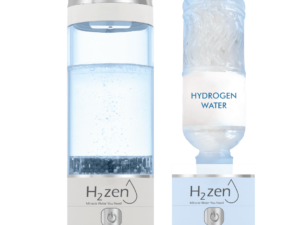
Producers either infuse hydrogen gas under pressure to create a supersaturated solution or make it on demand using electrolysis, ionizers, generators, or effervescent tablets.
Compared with plain drinking water, this hydrogen-enriched water carries free H2 molecules that may move into tissues faster after ingestion. The oxygen atoms in H2O remain unchanged; the notable change is the added dissolved gas.
Output concentration and container type matter. Non-permeable options like aluminum cans or multi-layer pouches keep dissolved hydrogen stable until opening.
Home devices offer convenience, but buyers should check certification, maintenance needs, and measured dissolved hydrogen output before purchase. Local retailers and the Wellness Group can help Malaysians compare choices.
Delivery formats at a glance
| Format | How it adds H2 | Portability | Retention tip |
|---|---|---|---|
| Canned/pouch | Factory infusion under pressure | High | Choose non-permeable packaging |
| Home generator/ionizer | Electrolysis on demand | Low–Medium | Follow maintenance schedule |
| Tablets | Magnesium reaction in bottle | High | Use correct water volume and temp |
| Infusion machines | Pressurized infusion systems | Low | Verify certification and output |
Evidence at a glance: what current human studies say
A focused look at human studies shows promising signals alongside clear gaps. A recent systematic review screened hundreds of PubMed records and retained about 25–30 human articles that tested hydrogen-rich water in varied settings.
Systematic reviews and randomized trials: scope, participants, and outcomes
Trials include small randomized and controlled designs. Participants range from healthy adults to people with metabolic or liver concerns.
Typical intake was roughly 0.9–2.0 liters per day for two to ten weeks. Outcomes tracked include oxidative stress markers, inflammatory signals, lipids, glucose, and exercise fatigue.
Where research is promising—and where larger trials are still needed
Some studies report higher antioxidant capacity, reduced inflammatory gene expression, and lower blood lactate in certain groups.
- Metabolic and cardiovascular reports show changes in HDL, LDL, and HbA1c in higher-risk participants.
- Liver studies note improved function tests and reduced viral markers in select trials.
- Many authors call for larger, longer RCTs with standardized dosing and measured hydrogen concentration.
The overall results are encouraging but preliminary. This article recommends cautious, evidence-informed steps for Malaysians curious about trying it for stress or other health goals.
Hydrogen water for metabolic syndrome and cardiovascular markers
Several human studies have tested whether drinking hydrogen water changes lipids, glucose, and vascular function. These trials are small but point to consistent directions in key markers for metabolic syndrome.
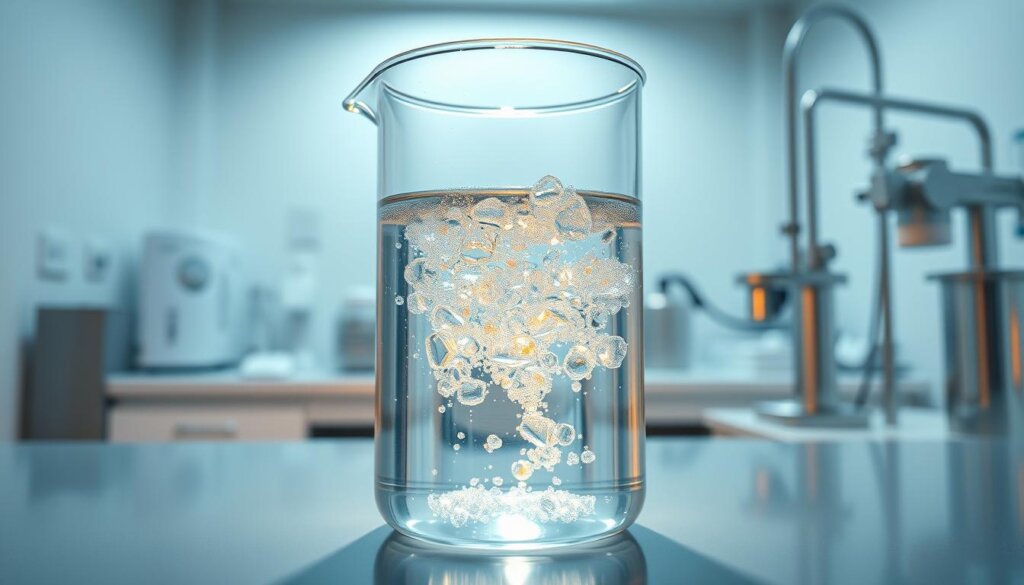
Effects on LDL, HDL, apoB, triglycerides, and hemoglobin A1c
Cholesterol shifts appeared after ten weeks in one trial: total cholesterol fell from 6.42 to 5.47 mM and LDL from 3.96 to 3.24 mM.
HDL rose by about 8% in an 8-week trial (1.5–2 L/day), while smokers showed larger triglyceride drops in another study. A placebo-controlled trial with higher concentration reported improved blood glucose and lower HbA1c in the active arm.
“Antioxidant markers like SOD increased while TBARS decreased, aligning with reduced oxidative stress and potential vascular benefits.”
Waist-to-hip ratio, BMI, and endothelial function (RHI) improvements
Some randomized studies found modest reductions in BMI and waist-to-hip ratio alongside biochemical gains. These changes were small but suggest combined metabolic and weight-related effects.
Endothelial function also improved quickly in one report: RHI rose roughly 25.4% after two weeks, which signals better vascular responsiveness.
- Many trials show lower LDL and higher HDL in individuals at metabolic syndrome risk.
- ApoB and triglycerides may improve, with stronger effects in higher oxidative stress groups.
- Outcomes vary by baseline risk, adherence, and delivered hydrogen levels each day.
| Outcome | Reported change | Trial length |
|---|---|---|
| Total cholesterol | 6.42 → 5.47 mM | 10 weeks |
| LDL | 3.96 → 3.24 mM | 10 weeks |
| HDL | +8% | 8 weeks |
| SOD / TBARS | SOD +39%, TBARS −43% | 8 weeks |
| RHI (endothelial) | +25.4% | 2 weeks |
Practical note: these results are promising but preliminary. Individuals managing cholesterol or insulin should review plans with their clinician and consider testing lipid panels before and after any trial period.
Athletic performance: lactate, endurance, and recovery
Many athletes now test a pre-workout sip that may change lactate handling during intense sets.
Pre-workout effects on blood lactate and breathing
Small trials found pre-exercise hydrogen-rich water lowered blood lactate and improved ventilatory efficiency. These shifts can cut perceived effort during hard intervals.
Sprint power, anaerobic output, and mixed group responses
A seven-day nano-bubble protocol improved anaerobic power in trained cyclists but not in untrained riders. A crossover study by Botek et al. showed subtle gains in slower runners and unclear changes in the fastest runners.
- Athletes may see reduced lactate accumulation during high-power efforts.
- Responses vary by training status, baseline fatigue, and individual biology.
- Team sport trials over weeks showed lower stress biomarkers and faster recovery signals.
Practical tip: athletes should trial hydrogen water with tracking—time trials, heart rate trends, or lactate where available—to spot responders before wider use. For events, choose non-permeable packaging for reliable concentration.
Mental well-being and stress: what early data implies
Some studies report clearer cytokine changes than immediate mood shifts after weeks of daily use. A four-week trial showed modest mood gains in small groups. In a separate clinical trial, women with panic disorder drank 1,500 mL/day for three months and had lower IL‑6, IL‑1β, IL‑12, and TNF‑α versus placebo plus care.
Those biological results align with other antioxidant and anti-inflammatory signals seen in trials. Yet mood outcomes were mixed: cytokines dropped, but primary mood scores did not always shift significantly.
- Early findings link modest improvements in mood and anxiety scales in small cohorts.
- Inflammatory markers tied to psychological stress fell after sustained intake in clinical participants.
- Individuals curious about effects may keep a mood journal for four weeks to spot subtle changes.
- This approach complements, not replaces, evidence-based mental health care like therapy, sleep, and exercise.
Safety and tolerability were favorable in these reports, so low-risk trials can be reasonable for interested adults in Malaysia. Readers with ongoing treatment should consult their clinician before trying any new regimen.
Liver health: hepatitis B and fatty liver disease (NAFLD)
Clinical reports have explored whether small daily doses can change liver tests in people with chronic viral hepatitis or fatty liver disease.
What trials found. In chronic hepatitis B, patients who drank about 1.2–1.8 liters per day of hydrogen-rich water showed improved liver enzymes, lower HBV DNA, and reduced oxidative stress.
Intake ranges and measured changes
One randomized study in 30 individuals with NAFLD reported favorable trends in functional measures tied to inflammation and oxidative burden.
“The liver’s sensitivity to oxidative stress makes it a logical organ to monitor for biomarker shifts.”
- Daily intakes near 1.2–1.8 L per day were linked with better enzyme panels in hepatitis B.
- Markers suggest both oxidative and inflammatory pathways may change alongside standard treatment.
- Small samples mean larger trials are needed to confirm long-term results.
Practical advice: patients should coordinate with hepatologists, track baseline markers, and split doses through the day while keeping lifestyle steps—diet, weight, and activity—central to care.
Dialysis, renal markers, and fatigue
Patients on chronic hemodialysis in small trials reported less tiredness when their dialysate or drinking fluid used electrolyzed hydrogen. Clinical findings showed improved renal markers like blood urea nitrogen during sessions.
Lower oxidative stress during dialysis may boost tolerance and cut post‑session fatigue. Several reports noted that perceived energy gains lasted into non‑dialysis days when enriched dialysate was used consistently.
Practical clinical steps include pilot protocols with careful monitoring of safety, blood markers, and patient‑reported outcomes. The approach is adjunctive to standard renal care and needs oversight from nephrology teams.
- Electrolyzed solutions lowered BUN and other renal measures during HD in small studies.
- Reduced oxidative stress likely underpins better session tolerance and less fatigue.
- Systems and delivered concentrations vary; standardization is needed for broader adoption.
| Measure | Reported results | Session effect | Clinical note |
|---|---|---|---|
| BUN | Decrease during HD | Improved clearance | Monitor pre/post session levels |
| Oxidative stress | Lower markers during treatment | Better tolerance | May reduce inflammation‑linked symptoms |
| Fatigue (subjective) | Reduced on HD and non‑HD days | Persistent benefit with regular use | Collect patient‑reported outcome data |
| Delivery systems | Electrolyzed dialysate or fluids | Varied concentration | Require standard protocols and safety checks |
Patients should not change dialysis settings themselves. Instead, they can discuss center-led trials and follow hydration rules tied to their condition. Larger, controlled studies would help clarify how durable and wide these benefits are across patient groups in Malaysia.
Cancer research signals and adjunctive therapy considerations
Preclinical and early clinical work hints that hydrogen may ease some chemotherapy side effects while affecting tumor biology. This line of research is cautious but promising when used as an adjunct to standard cancer treatment.
In colorectal cancer models, combining hydrogen-rich water with 5‑fluorouracil reduced tumor size, fibrosis, and collagen versus chemotherapy alone. A systematic review screened 677 articles and analyzed 27, reporting possible benefits for treatment tolerance, quality of life, and tumor burden, though clinical depth is limited.
Key mechanistic ideas point to reduced treatment-induced oxidative stress and lower inflammatory signaling as drivers of these effects.
- Lab and early clinical signals: may support chemo by modulating oxidative stress and inflammation.
- Patient-reported outcomes such as fatigue and appetite deserve focus in future randomized trials.
- Standardizing dissolved hydrogen dose and timing could improve reproducibility and results.
“These findings are promising but preliminary; hydrogen approaches should never replace evidence-based oncology care.”
Any trial or personal use must be coordinated with oncologists, include clear monitoring plans, and respect ethical safeguards for vulnerable patients.
COVID-19 context: anti-inflammatory potential and current stance
Preliminary clinical observations suggest hydrogen delivery may help calm excessive immune responses and ease breathing in some people with mild to moderate COVID-19.
Several small reports noted lower cytokine cascades and reduced inhalation resistance after hydrogen therapy. Some biological effects outlasted detectable gas, aligning with short-term gene expression changes seen in other trials.
Key practical points:
- Early data hint that anti‑inflammatory actions could moderate severe immune reactions in certain disease courses.
- In mild to moderate cases, hydrogen use was associated with easier breathing and reduced inflammatory markers in small studies.
- Antioxidant and gene-level signals may persist briefly after the gas clears, but this does not prove clinical benefit.
Caution: evidence remains exploratory and not definitive. Hydrogen-rich water or inhaled hydrogen is not a substitute for vaccination, approved antivirals, or medical care. Individuals should follow public health guidance and consult clinicians for COVID-19 management.
Research gaps remain: delivery method differences (inhalation vs. drinking), optimal timing, and clear outcome benefits need controlled trials. Any at-home approach should prioritize safety and align with established medical advice.
How much to drink per day and for how many weeks
Simple trial protocols give useful benchmarks: amounts per day and the weeks to watch for change. Human trials commonly used roughly 0.9–2.0 L per day over short courses. One randomized study used 1.5 L per day for four weeks with measurable shifts in biomarkers.
Trial-informed ranges and duration
Typical trial volumes range from about 900 mL to 2,000 mL per day. Many participants split intake across morning, a pre-activity serving, and evening. Common durations run two to ten weeks, with initial signals often seen by week two to four.
Who may see clearer benefits
Age and baseline oxidative stress matter. People over 30 or those with higher baseline oxidative stress tended to show larger antioxidant capacity changes in trials.
Athletes often test a pre-workout serving to check effects on lactate and perceived exertion. Metabolic and liver-focused trials more commonly used 1.5–2.0 L daily for eight to ten weeks.
- Keep a short baseline log of energy, sleep, and simple labs to compare results.
- Avoid forcing excess fluid; follow comfort and medical limits.
- Individuals with fluid restrictions should consult a clinician before starting.
- After an initial four-week trial, adjust volume or timing based on personal results and tolerance.
| Goal | Typical intake | Duration | Practical tip |
|---|---|---|---|
| Exercise test | ~0.9–1.5 L per day (pre-workout dose) | 2–4 weeks | Try pre-load 20–30 min before session |
| Metabolic / liver | 1.5–2.0 L per day | 8–10 weeks | Split doses across day for steady exposure |
| Short pilot | 1.5 L per day | 4 weeks | Track simple markers and symptoms |
Choosing quality hydrogen-enriched water in Malaysia
Choosing a reliable product matters more than marketing claims when Malaysians shop for hydrogen-enriched water. Consumers should check labels, test data, and packaging to make smart purchases.
Concentration variability and non-permeable packaging tips
No industry standard exists for dissolved hydrogen concentration, so brands report different numbers. Look for third‑party testing or device certification that shows measured H2 levels at consumption time.
Prefer non‑permeable packaging such as aluminum cans or multilayer pouches to slow gas loss. Drink promptly after opening to capture the intended concentration and avoid degassing.
Home machines, tablets, and generators: pros and cons
Each format has tradeoffs. Ready-to-drink cans and pouches are portable and require no setup, while tablets are cheap and travel-friendly. Home generators and ionizers suit daily users but need maintenance and verified output specs.
- Verify claimed dissolved hydrogen with third‑party results or certificates.
- Factor long‑term cost per liter rather than one-off price tags.
- Consider taste and mouthfeel—some devices can slightly change drinking experience.
- Commuters may prefer ready-to-drink; home users may value countertop generators for convenience.
| Format | Advantage | Drawback |
|---|---|---|
| Aluminum can / pouch | High retention, portable | Higher per‑unit cost |
| Tablets | Cheap, portable, decent concentration in small bottles | Requires correct volume & temp; variable output |
| Home generator / ionizer | On‑demand, cost‑effective over time | Maintenance, filters, verify H2 output |
| Infusion machine | High output for clinics or groups | Expensive, not very portable |
Practical checklist: check stated concentration, prefer non‑permeable containers, drink quickly after opening, and verify machine specs and warranties.
For Malaysia‑specific product comparisons and current availability, message Wellness Group on WhatsApp at +60123822655. Business hours: Mon–Fri 9:30 am–6:30 pm; Sat–Sun 10 am–5 pm.
Safety, side effects, and what experts currently agree on
Safety data so far point to good tolerability, but clear dosing remains uncertain.
Regulatory bodies list molecular hydrogen as GRAS for beverages, and many small human studies report few adverse events. Most participants completed trials without notable issues.
Key practical notes for Malaysian readers:
- Side effects are uncommon; trials show good tolerability across ages and clinical backgrounds.
- Major uncertainties include standardized dosing, consistent concentration at consumption, and who benefits most.
- Packaging matters: choose non-permeable cans or multi-layer pouches and drink promptly after opening.
Hydrogen-rich water should not replace approved treatment for diseases. Individuals with fluid limits or chronic conditions must consult their clinician before starting a trial. Self-monitoring for a few weeks helps judge personal effects on stress, energy, and basic labs.
| Topic | Current consensus | Practical advice |
|---|---|---|
| Safety | Generally well tolerated | Short monitored trials are reasonable |
| Dosing | Unclear and variable | Follow measured product specs; avoid excess fluid |
| Research needs | More large RCTs | Choose transparent brands with third‑party data |
Wellness Group in Malaysia: your friendly guide to hydrogen-rich water
Practical advice makes trying a new product easier. Wellness Group helps Malaysians test options with clear steps and simple tracking plans.
Business hours and how to reach the team
Hours: Mon–Fri 9:30 am–6:30 pm; Sat–Sun 10 am–5 pm. The team is available most days to answer quick questions and book longer chats.
WhatsApp now for personalized guidance: +60123822655
- Local support: the group explains product differences, measured concentrations, and dosing for workdays and training days.
- Practical help: they advise on packaging, storage, and how to drink promptly to keep concentration.
- Tailored plans: athletes and active professionals get pre‑activity timing tips; those tracking metabolic markers get simple monitoring ideas.
- Honest guidance: staff discuss benefits, limits, and safe use alongside existing health plans.
Individuals can WhatsApp +60123822655 for comparisons, promotions, and recommendations suited to Malaysia’s climate and daily routines.
Use cases and routines: athletes, individuals with metabolic risk, and everyday wellness
Breaking intake into morning, pre‑workout, and evening servings matches methods used in many human studies. This simple pattern helps people compare effects across weeks without changing other habits.
Morning, pre‑workout, and evening drinking patterns
Simple routine: many trials split roughly 1.5–2.0 L per day. A practical split is 500 mL in the morning, 300–500 mL before activity, and the rest in the evening.
Athletes aiming to test lactate or power gains should take the pre‑activity portion 20–30 minutes before intense sessions. This timing aligns with studies that reported lower blood lactate and improved perceived exertion.
Individuals with metabolic risk often follow daily intake for 8–10 weeks and check lipids or glucose at baseline and after the trial. Those over 30 or with higher oxidative load may see clearer signals sooner.
- Office workers: steady, moderate drinking across the day to assess energy and stress.
- Rest days: keep intake consistent to support continuity rather than spiking only around workouts.
- If no change by week four, adjust timing or pause to reassess results.
| Use case | Typical daily split | Duration | Practical tip |
|---|---|---|---|
| Athletes (pre-workout) | 500 mL morning, 300–500 mL pre-activity, remainder evening | 2–4 weeks | Take pre-load 20–30 min before high‑power sets |
| Metabolic risk | Split 1.5–2.0 L across the day | 8–10 weeks | Track lipids/glucose; consult clinician |
| Everyday wellness | 500 mL morning, steady sips through day, evening top-up | 4 weeks pilot | Record baseline waist, resting HR, and stress |
Conclusion
Conclusion
To conclude, the best path is a short, tracked trial that compares product quality and personal results.
Current studies show promising signals for oxidative stress, inflammation, exercise recovery, and some metabolic markers. These findings are encouraging but remain preliminary, and larger research is needed.
For practical use, choose verified, non‑permeable packaging and plan a two‑ to four‑week test. Track simple measures—energy, sleep, labs—and judge the benefits for your body.
Wellness Group offers friendly, evidence‑informed help. Message WhatsApp +60123822655 during Mon–Fri 9:30 am–6:30 pm or Sat–Sun 10 am–5 pm for product advice and local support.
This article aimed to give a clear, usable summary so individuals in Malaysia can make confident, practical decisions.
FAQ
What is Wellness Group: Natural Source of Hydrogen-Rich Water?
Wellness Group is a Malaysian wellness team that focuses on hydrogen-enriched water products and education. They guide consumers on hydrogen gas delivery methods, quality standards, and safe drinking patterns while sharing summaries of human studies and practical use cases.
Why are Malaysians talking about hydrogen water right now?
Interest has grown because small clinical trials in the region and worldwide report potential benefits for oxidative stress, metabolic markers, and fatigue. Media coverage, local availability of devices and tablets, and consumer reports of improved recovery and energy have increased public attention.
How does molecular hydrogen interact with reactive oxygen species and free radicals?
Molecular hydrogen selectively neutralizes highly reactive species like hydroxyl radicals and peroxynitrite without disrupting useful signaling molecules. This targeted antioxidant activity may reduce cellular oxidative damage measured by markers such as 8‑OHdG.
What does research say about NF-κB signaling and inflammation?
Preclinical and some human studies suggest hydrogen can modulate NF-κB pathways, lowering proinflammatory cytokines in certain conditions. Results vary by dose, duration, and participant health; larger randomized trials are needed to confirm clinical impact.
Which biomarkers should people look at when assessing effects?
Common markers in trials include SOD (antioxidant enzyme activity), TBARS (lipid peroxidation), 8‑OHdG (DNA oxidative damage), lactic acid (exercise metabolism), and routine blood lipids. Comparing baseline to post‑trial values helps evaluate changes.
What defines a “natural” method for producing hydrogen-enriched water?
Definitions vary: some refer to spring sources with dissolved H2, others to electrolysis generators, ionizers, or magnesium tablets that release hydrogen gas. Consumers should distinguish claimed natural origins from device-produced enrichment.
How does hydrogen-enriched water differ from plain drinking water at the molecular level?
Enriched water contains dissolved H2 molecules that diffuse rapidly into blood and tissues. It does not change water’s pH significantly but adds a soluble gas that may exert antioxidant and signaling effects not present in plain water.
What does the current human evidence say overall?
Systematic reviews and randomized trials show promising yet mixed results. Studies report reduced oxidative markers and symptom improvements in some populations, but sample sizes and heterogeneity mean more high‑quality trials are required.
Where is research most promising and where is more work needed?
Promising areas include exercise recovery, metabolic markers, and some liver or renal contexts. Larger, longer randomized controlled trials are still needed for definitive claims in cardiovascular disease, cancer adjunctive therapy, and standardized dosing.
Can hydrogen-enriched water help with metabolic syndrome and cardiovascular markers?
Some trials report modest improvements in triglycerides, LDL/HDL ratios, apoB, and HbA1c in at‑risk individuals. Effects are inconsistent across studies and often depend on dose, duration, and baseline metabolic health.
Are there changes in body composition or endothelial function reported?
A few studies note small reductions in waist‑to‑hip ratio and BMI and improvements in reactive hyperemia index (RHI). These findings are preliminary and should be interpreted alongside lifestyle interventions.
What evidence exists for athletic performance, lactate, and recovery?
Trials assessing pre‑workout hydrogen-enriched water found reduced post‑exercise blood lactate in some athletes and faster subjective recovery. Effects on sprint power and anaerobic output are mixed across different cohorts.
How does hydrogen intake affect mental well‑being and stress?
Early data suggest potential mood and stress benefits through reduced oxidative stress and inflammation. Most evidence is preliminary and often relies on small samples or subjective scales.
Is there evidence for liver benefits in hepatitis B or NAFLD?
Small studies report improved liver enzymes and reduced oxidative markers with regular hydrogen-enriched water intake. Reported intake ranges and outcomes vary; larger trials are needed to validate clinical recommendations.
What about dialysis, kidney markers, and fatigue in renal patients?
Limited trials indicate possible reduction in fatigue and some renal oxidative markers among dialysis patients consuming hydrogen-enriched water. Clinical protocols remain under development and should be coordinated with nephrologists.
Are there signals for cancer research or adjunctive use?
Preclinical studies show anti‑oxidative and anti‑inflammatory effects that may complement treatments, and small human reports are exploratory. Hydrogen is not a stand‑alone cancer therapy; oncology teams must guide adjunctive use.
What is the stance on hydrogen in the COVID-19 context?
Researchers have investigated anti‑inflammatory potential for respiratory inflammation. While some early studies show biochemical improvements, hydrogen is not an approved COVID‑19 treatment and should not replace standard care.
How much hydrogen-enriched water should one drink per day and for how many weeks?
Trial-informed ranges vary widely, often between several hundred milliliters to a few liters per day, over weeks to months. Effective dose depends on H2 concentration, device or tablet output, and individual needs; follow product guidance and clinical advice.
Who may benefit more from hydrogen-enriched water?
Individuals with higher baseline oxidative stress—older adults, people with metabolic risk, and active athletes—tend to show larger changes in trials. Age, activity level, and health conditions influence responsiveness.
How should consumers choose quality hydrogen-enriched water in Malaysia?
Look for reliable concentration testing, non‑permeable packaging (aluminum or high‑barrier pouches), clear usage instructions, and transparent manufacturing. Consider third‑party lab results when available.
What are pros and cons of home machines, tablets, and generators?
Machines offer convenience and steady production but cost more. Tablets and magnesium sticks are portable and affordable but vary in H2 yield and taste. Generators can provide higher concentrations but require maintenance.
Are there safety concerns or side effects?
Hydrogen-enriched water is generally well tolerated with few reported side effects. Experts caution about unproven therapeutic claims and recommend integrating it alongside evidence‑based care rather than as a replacement.
How can people contact Wellness Group in Malaysia for guidance?
Wellness Group provides local support and product guidance. Business hours and contact details are available on their website; WhatsApp inquiries are welcome at +60123822655 for personalized advice.
How do athletes and everyday users typically schedule drinking?
Common routines include a morning glass, pre‑workout intake 15–30 minutes before exercise, and evening consumption to support recovery. Timing choices reflect trial protocols and individual response patterns.