Surprising fact: nearly one in three Malaysians consider bottled options when choosing plain drinking sources for daily use or special devices.
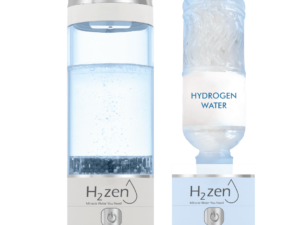
The infused option adds extra dissolved molecules to plain H2O and is sold in sealed cans, pouches, tablets, or compact at-home devices to keep freshness. Packaging matters because the added gas escapes if left open, so sealed products or machines matter for real benefits.
The purified option is made by boiling and condensing steam. This removes pesticides, bacteria and more than 99.9% of dissolved minerals, leaving an almost mineral-free result that tastes flat but shines when purity is critical.
People decide based on goals: casual hydration, appliance care, baby formula, or exploring possible antioxidant and anti-inflammatory benefits. There is no one-size-fits-all answer; the right choice depends on priorities like taste, maintenance, budget, and safety.
For Malaysians seeking practical buying advice and device support, Wellness Group helps with availability and guidance — contact via WhatsApp +60123822655. Business hours: Monday–Friday 9:30 am–6:30 pm; Saturday–Sunday 10 am–5 pm.
Key Takeaways
- Infused option adds dissolved gas and relies on sealed packaging or devices to retain it.
- Purified option removes almost all minerals and contaminants for extreme cleanliness.
- Taste and daily use differ; purity can mean a flat flavor while infused types taste like regular drinking liquids.
- Choose by need: hydration and wellness exploration vs. tasks that require mineral-free liquid.
- Wellness Group provides local help and device guidance for Malaysians to get started safely.
Understanding the debate today: why Malaysians compare these waters
Many Malaysians weigh practical needs and wellness claims when choosing which bottled or treated drink to keep at home.
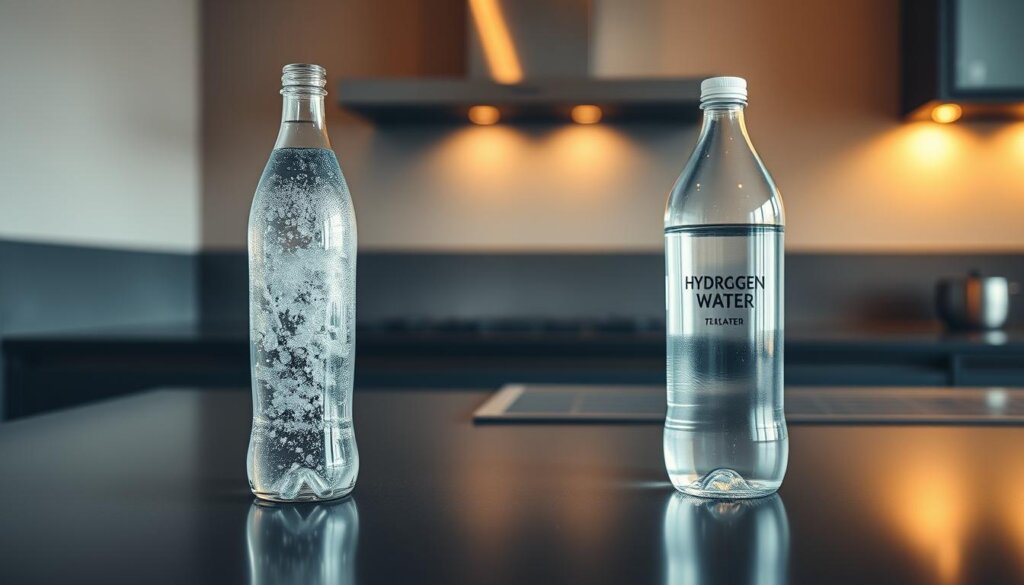
User intent is clear: most want simple hydration first and clearer information second.
Some families pick a product for taste and daily hydration similar to regular water. Others explore hydrogen water for possible wellness benefits while staying safe and practical.
- Appliance care: households use distilled options for irons, humidifiers, or infant formula to cut mineral buildup.
- Everyday use: many choose portable, sealed bottles or devices that fit busy Malaysian routines.
- Cost and availability: premium infused products can be pricier, while pure distilled options stay budget-friendly.
People who want hands-on advice can message Wellness Group on WhatsApp at +60123822655 (Mon–Fri 9:30 am–6:30 pm; Sat–Sun 10 am–5 pm) to discuss local options and the best way to test a new product.
Hydrogen water vs distilled water: key differences and similarities
Choosing between an infused product and a near-mineral-free option depends on goals like taste, appliance care, or exploring possible antioxidant effects.
What they are
Definitions: An infused product contains extra dissolved molecular hydrogen added to pure liquid. A steam-purified option is collected by boiling and condensing steam to remove >99.9% of dissolved minerals, focusing on purity.
How they’re made
Infused bottles or machines inject molecular hydrogen gas into chilled liquid and use non-permeable cans or pouches to keep gas from escaping. Steam distillation traps vapor and condenses it, leaving most minerals behind.
Minerals, taste and practical use
Steam-purified liquid tastes flat because minerals are removed. Infused products taste like regular drinking liquid since no minerals are added.
“Dissolved gas levels vary, so sealed packaging and quick consumption are key to retain benefits.”
| Feature | Infused product | Steam-purified option |
|---|---|---|
| Primary trait | Contains molecular hydrogen | Nearly mineral-free |
| Taste | Like regular drinking liquid | Flat or bland |
| Common uses | Daily drinking, athletic recovery experiments | Appliances, infant formula, lab tasks |
| 成本: | Higher per serving (cans, tablets, machines) | Low and widely available |
Health claims, safety and performance
Small studies report mixed effects. Some trials show antioxidant changes and sports recovery benefits at higher intake levels, while others find no change at lower doses.
Safety: Infused products are generally recognized as safe but dissolved concentration varies. Consumers in Malaysia can ask Wellness Group about devices and availability by visiting hydrogen water for cleansing or messaging their WhatsApp line during business hours.
Making the right choice in Malaysia: hydration first, benefits second
Start with the basics: keep daily fluid intake steady, then consider specialty products for possible added benefits.
When to choose distilled water: purity-critical tasks and sensitive use cases
Choose a steam-purified option when appliance life or strict purity matters. Use it for irons, humidifiers, CPAP reservoirs, and mixing certain concentrates to avoid scale and damage.
It is also helpful for short-term, sensitive rinses of some home medical devices. For everyday drinking, safe municipal or filtered sources usually suffice.
When to choose hydrogen water: wellness goals and potential antioxidant support
Consider hydrogen water if the goal is to explore possible antioxidant-related health benefits. Current studies are small and limited, so results vary and expectations should stay measured.
Look for sealed, non-permeable cans or pouches and drink promptly. Many people try one to two servings alongside regular drinking water to keep consumption sustainable.
Talk to Wellness Group for guidance and devices in Malaysia
For device help and product selection, Malaysians can discuss hydrogen water machines and compact water machines for home use. Experts at Wellness Group explain maintenance, budgets, and realistic benefits.
- Machines offer steady supply and lower per-serving cost over time.
- Those training intensely may test timing around workouts to note perceived recovery effects.
- Pair trials with balanced sleep, diet, and activity—no single drink replaces broader good health habits.
For tailored advice, contact Wellness Group on WhatsApp at +60123822655 (Mon–Fri 9:30 am–6:30 pm; Sat–Sun 10 am–5 pm). Read about possible anti-inflammation benefits to learn more.
Conclusion
Ultimately, choices come down to routine use, appliance care, and realistic expectations about effects. Purity-focused options suit machines and sensitive tasks, while an infused choice appeals to people curious about possible antioxidant-related health benefits.
Hydration stays the foundation; any specialty product should complement sleep, movement, and sensible food. Small trials help a person learn if a new approach fits daily life.
For device comparisons or local advice in Malaysia, contact Wellness Group on WhatsApp +60123822655 (Mon–Fri 9:30 am–6:30 pm; Sat–Sun 10 am–5 pm) or visit their guide to explore machines, maintenance, and realistic next steps.
FAQ
What is the main difference between hydrogen-rich drinking and demineralized distilled water?
The primary difference lies in composition and purpose. One is infused with molecular gas that may act as an antioxidant, while the other is produced by steam condensation that removes minerals and impurities for maximum purity. One focuses on potential wellness benefits; the other prioritizes contaminant-free liquid for sensitive uses.
Are there proven health benefits from consuming hydrogen-enriched drinking regularly?
Some clinical and animal studies suggest antioxidant effects, reduced markers of inflammation, and modest improvements in exercise recovery. Results vary by study design and concentration of the gas, so benefits are promising but not universally confirmed for all conditions.
Is distilled, demineralized liquid safe to drink every day?
Daily consumption is generally safe, but long-term intake lacks minerals found in regular tap or mineral options. For most people, it’s fine when part of a balanced diet, but those relying solely on it may need to ensure mineral intake from food or supplements.
How does infusion compare with steam distillation in production methods?
Infusion adds dissolved gas into finished beverage through electrolysis or pressurized dissolution. Steam distillation boils and condenses vapor, leaving salts and contaminants behind. One adds a functional component; the other removes impurities.
Do hydrogen-producing devices and pouches deliver the same concentration as machines sold in stores?
Concentrations vary widely. Portable pouches and cans may deliver measurable gas but often at lower, transient levels. Dedicated desktop or under-sink generators generally maintain higher, more consistent concentrations when properly maintained.
Can either option help reduce exercise fatigue or muscle soreness?
Some small trials report improved recovery and lower lactate after intense workouts when using hydrogen-enriched beverages. Effects depend on dose, timing, and individual response; they are not guaranteed for every athlete.
Are there safety standards or recommended daily intakes for molecular gas in beverages?
Regulatory guidance is limited. Some authorities consider molecular hydrogen generally safe at the levels used in drinks, but specific daily intake recommendations are not established. Consumers should follow manufacturer guidance and consult healthcare providers if they have health concerns.
When is it better to choose demineralized distilled liquid over hydrogen-enriched options?
Choose distilled for laboratory work, filling humidifiers or CPAP machines, and any application where mineral-free purity is essential. It’s also useful when contaminants in local supplies are a concern.
When should someone prefer hydrogen-enriched beverages instead?
People aiming to explore antioxidant support, complement recovery after workouts, or add a functional element to daily hydration may prefer hydrogen-enriched offerings. They should select reputable brands or certified generation devices to ensure adequate concentration.
Will drinking hydrogen-enriched liquids hydrate as well as regular options?
Yes. Hydration depends on fluid intake and electrolytes, not the added gas. Both infused and demineralized liquids can maintain fluid balance; mineral content affects electrolyte replenishment, not basic hydration.
Are there taste differences between demineralized distilled and hydrogen-enriched drinks?
Distilled liquid often tastes flat or bland because it lacks minerals. Infused beverages may taste similar to regular purified options, though some people note a subtle difference depending on concentration and pH adjustments by manufacturers.
How should consumers in Malaysia evaluate devices and suppliers for functional beverages?
Check independent testing, verified hydrogen concentration, warranty, and local service. Reputable sellers provide COAs, clear maintenance instructions, and responsive customer support. For device recommendations and local support, consumers may contact authorized outlets in Malaysia.
Can tap, filtered, or mineral-rich beverages be combined with infused products?
Yes. Many people use filtered tap or mineral water as the base for adding functional gas. However, high mineral content can affect gas solubility and device performance; users should follow manufacturer guidance for best results.
Are there any known interactions between medications and molecular-gas-enriched beverages?
No well-documented adverse interactions exist, but clinical data remain limited. Anyone on prescription medications, pregnant, or with chronic illness should consult their healthcare provider before starting regular use.