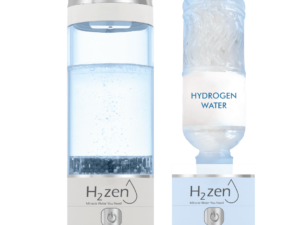
One unexpected finding: early studies show that a high-concentration H2 drink can lower markers tied to rheumatoid arthritis and ease symptoms in some people.
This short guide introduces how a targeted H2-rich liquid is being explored as a friendly, complementary option to support joint comfort. It stays grounded in current evidence and practical tips for daily use in Malaysia.
The content explains why selective scavenging of the hydroxyl radical matters to cartilage and tissue health. It also frames this approach as a supportive routine, not a replacement for clinical care.
Visitors can get help from Wellness Group any day. They are open Monday–Friday 9:30 am–6:30 pm and Saturday–Sunday 10 am–5 pm. For quick guidance or availability, message WhatsApp +60123822655.
Key Takeaways
- This guide reviews potential benefits and realistic limits of H2-rich drinks for arthritis-related discomfort.
- Simple science shows selective neutralization of harmful radicals that affect joint tissues.
- Wellness Group offers in-person support across Malaysia with clear hours and WhatsApp access.
- Use this option as part of a broader routine: movement, sleep, and good hydration habits.
- Individual results vary; consult a clinician before changing treatment plans.
Why Malaysians Are Exploring Hydrogen-Rich Water for Joint Relief Today
Many Malaysians are adding hydrogen-rich water to daily routines as a simple, low-effort habit to ease stiffness and support mobility. Everyday aches often come from inflammation, oxidative stress, and mild dehydration that build up after long hours at a desk or during active days.
Local appeal: the option fits busy schedules and can be sipped at home, work, or around exercise. It pairs well with short movement breaks, stretching, and better sleep to support overall comfort.
“Studies suggest enriched H2 drinks may help neutralize certain free radicals and lower markers tied to arthritis and stiffness.”
- People report it is easy to implement and has few reported side effects compared with some medications.
- Interest grows because it targets oxidative stress while maintaining hydration habits.
- It can be relevant for morning stiffness, desk-related tightness, or post-activity soreness.
| Feature | Why it matters | Practical tip |
|---|---|---|
| Oxidative stress | Drives tissue strain and inflammation | Pair intake with movement breaks |
| Daily habit | Low barrier, fits routines | Keep a bottle at desk or gym |
| Complementary role | Supports but does not replace care | Consult clinicians if managing arthritis |
For local guidance or product availability, Malaysians can WhatsApp Wellness Group at +60123822655 during business hours for quick advice on starting and fitting this habit into daily activity.
What Is Hydrogen Water and How Does It Work?
Molecular hydrogen dissolved in plain drinks offers a simple way to target cellular oxidative stress. This section defines the concept and explains why tiny molecules may reach places larger compounds cannot.
Defining infused water and molecular hydrogen
Hydrogen water is ordinary water infused with dissolved molecular hydrogen (H2). It is colorless and tasteless, so people keep their usual drinking habit while adding a potential antioxidant agent.
Why small size helps reach cells and neutralize radicals
Because H2 is the smallest molecule, it diffuses rapidly and can enter intracellular compartments. There it can selectively scavenge the highly reactive hydroxyl radical while sparing signaling molecules like nitric oxide.
- Selectivity: targets damaging radicals without blocking needed signals.
- Diffusion: small size allows access to difficult-to-reach cell sites.
- Practical: easy to adopt alongside usual hydration routines.
“Selective buffering of oxidative stress may help preserve cartilage components and moderate inflammatory cascades.”
| Feature | How it works | Practical note |
|---|---|---|
| Molecular action | Diffuses into cells and targets hydroxyl radical | May reach intracellular sites where damage starts |
| Selective antioxidant | Spares beneficial signaling molecules | Less likely to blunt normal cell signals |
| Ease of use | Fits regular drinking habits | Keep a bottle at hand to maintain consistency |
| Interest in Malaysia | Seen as a simple, low-risk wellness option | Contact local providers like Wellness Group for guidance |
The Science: Oxidative Stress, Inflammation, and Arthritis Pathways
When cells in the synovium and immune system overproduce reactive molecules, inflammatory cycles can spiral out of control. In rheumatoid arthritis, synovial tissue and blood show elevated ROS such as superoxide, hydrogen peroxide, and the highly reactive hydroxyl radical.
ROS overload and redox imbalance in chronic joint inflammation
Chronic oxidative stress disrupts redox balance and weakens tissues. That stress makes cartilage and surrounding structures more vulnerable to cumulative wear.
NF-κB, TNFα, and the amplification loops that drive joint damage
Reactive species activate redox-sensitive signals like NF-κB. NF-κB raises levels of pro-inflammatory cytokines such as TNFα, IL-1, and IL-6, creating a feedback loop that intensifies inflammation.
“The ROS–NF-κB–TNFα axis can sustain oxidative pressure and amplify inflammatory pathways.”
Cartilage and hyaluronic acid under oxidative attack in sore joints
Oxidative damage degrades hyaluronic acid, lowering joint fluid viscosity and increasing friction during movement. Collagen is also modified, making cartilage easier for MMP enzymes to break down.
- Targeting the most damaging radicals aims to disrupt these loops.
- This approach may reduce the burden on cartilage and slow disease-related changes.
For a practical look at how supportive strategies are being used, see this hydrogen water guide.
What Studies Suggest About Hydrogen Water and Arthritis
Recent clinical observations and preclinical research show biochemical changes after regular use of enriched hydrogen water. These findings do not claim a cure, but they point to mechanisms that may support existing care.

Rheumatoid arthritis: reducing oxidative stress and inflammatory markers
In people with rheumatoid arthritis, high-concentration H2 (around 4–5 ppm) correlated with lower oxidative stress and improvements in clinical scores in some early reports. Inflammatory markers and measures of disease activity fell in several small trials, especially in early-stage cases.
Osteoarthritis models: protecting cartilage and moderating MMP-3/MMP-13
Animal and cell studies show reduced activity of MMP-3 and MMP-13, enzymes that break down cartilage. Results also include better retention of collagen II and aggrecan, which help preserve joint structure and function.
Chondrocyte support: lowering cell death and preserving function
Experimental work reports lower chondrocyte apoptosis and drops in COX-2, iNOS, NO and 8-OHdG levels. Key signaling paths such as NF-κB and MAPK showed inhibition, consistent with a reduction in radicals and oxidative damage.
- Studies suggest these effects are complementary and not a replacement for medical treatment.
- More research is needed to confirm long-term benefit and optimal dosing.
Hydrogen water for joint pain
Some users notice softer mornings and easier motion when they include an enriched drink in daily habits. Early research links this practice to measurable drops in oxidative markers and lower inflammatory mediators. That suggests real, if modest, gains in day-to-day comfort.
Key benefits at a glance: oxidative stress down, comfort and mobility up
Practical benefits: studies and reports point to moderation of cartilage-degrading enzymes and better survival of cartilage cells. This may help reduce internal pressure on tissues and support smoother movement.
- Less morning stiffness: people report gentler starts and easier mobility during routine activity.
- Improved activity comfort: some notice better ease during light exercise and daily tasks.
- Non-invasive habit: the approach fits into regular drinking routines and complements prescribed care.
Realistic note: results vary by person. Use this as a supportive habit alongside medical advice to aim for steady improvements in joint health and daily function.
From Antioxidant Support to Daily Comfort: Potential Benefits
Small, targeted antioxidant strategies can make daily movement feel easier and less tense. This section outlines how selective scavenging of damaging radicals may lower inflammatory signaling and help people move with less resistance.
Reducing oxidative stress and inflammatory pathways
Selective antioxidant action targets the hydroxyl radical and can intersect with redox-sensitive signals such as NF-κB and TNFα. That intersection may cut the cascades that raise pro-inflammatory cytokines.
Lower oxidative stress often means less activation of inflammatory pathways. This can translate into reduced levels of some pro-inflammatory cytokines that drive tenderness and swelling.
Supporting function, activity levels, and post-exercise recovery
When signaling and matrix enzymes are moderated, tissues face less breakdown. People may notice easier motion during daily activity like walking or climbing stairs.
Active adults may also see smoother recovery after exercise. With a smaller oxidative burden, rebound from light workouts can feel quicker and less stiff.
“Modulating oxidative stress and signaling nodes may support lasting gains in comfort when used alongside clinician-guided care.”
- Selective antioxidant approach: curbs key radicals while preserving needed signals.
- Signaling benefits: may reduce pro-inflammatory cytokines linked to swelling.
- Functional gains: small improvements in mobility and recovery that add up.
| Target | What changes | Practical outcome |
|---|---|---|
| Oxidative stress | Less hydroxyl radical activity | Smoother movement during daily tasks |
| Inflammatory pathways | Lower NF-κB/TNFα signaling | Reduced pro-inflammatory cytokines |
| Recovery | Modulated matrix enzyme activity | Faster recovery after exercise and activity |
For practical tips on pairing this habit with fitness routines, see this guide on muscle soreness and recovery.
How to Use Hydrogen Water for Everyday Joint Support
Practical timing and steady intake matter more than single large doses when aiming for steady support. A regular habit helps keep antioxidant exposure consistent and pairs well with healthy routines.
Suggested intake
Many people aim for about 1–2 liters of hydrogen water daily, adjusting for climate and activity. Start at the lower end and increase if it feels comfortable.
Best times to drink
Begin the day with a serving to kick-start a hydration rhythm. A post-exercise drink can support recovery after activity.
Space servings across the day to maintain steady exposure without overfilling the bladder during work or travel.
Pairing with smarter habits
Combine intake with short movement breaks, consistent sleep, and balanced meals. Regular walks, mobility drills, and colorful, nutrient-rich foods support long-term health and may enhance the benefits of enriched drinks.
- Replace part of regular water with the enriched option to keep total fluids steady.
- Keep a bottle at work or in the gym to make the habit practical.
- For personalized intake guidance or to check availability in Malaysia, message Wellness Group at +60123822655 during open hours.
“Consistency, timing, and pairing with healthy habits matter most when adding an enriched drink to daily care.”
Safety Profile and Considerations
A clear look at tolerability helps people decide if this habit suits their care plan.

Tolerability, side effects, and when to consult your healthcare provider
Most studies report that enriched drinks are well tolerated when used as part of daily hydration. Few users report notable side effects, and most reactions are mild and short-lived.
Individual reactions vary. People with chronic disease or those on prescription medicines should check with their clinician before starting any new routine. Pregnant or breastfeeding individuals and those preparing for surgery should also seek advice.
Consistency matters: steady intake yields clearer signals about how someone responds, rather than occasional large doses. If any unexpected symptoms appear, pause use and contact a healthcare professional.
“This option is positioned as a complementary practice and not a replacement for diagnosis or treatment.”
| Area | What to watch | Practical step |
|---|---|---|
| Tolerability | Mild digestive or transient sensations | Start gradually and monitor |
| Interactions | Possible with some prescriptions | Discuss with clinician |
| Special groups | Pregnancy, breastfeeding, surgery prep | Seek medical clearance |
| Monitoring | Changes in energy or unexpected symptoms | Pause use and consult provider |
- Side effects are uncommon but worth noting.
- Ongoing research supports a favorable safety profile, yet more long-term data are needed.
- Open communication with a clinician helps integrate new habits safely and maximizes potential benefits to overall health.
Who May Benefit Most in a Malaysian Context
Small, steady changes in routine may reduce morning tightness and improve daily mobility. This short guide highlights groups likely to notice practical gains when they adopt a simple hydration habit alongside movement and care.
Active adults, desk workers, and those noticing morning stiffness
Active adults who juggle family, work, and exercise may welcome a supportive habit that aids recovery and keeps activity levels steady.
Desk workers often face posture-related strain and stiffness. Pairing a steady drink with mobility breaks can ease discomfort and reduce stress on soft tissues.
People managing rheumatoid or osteoarthritis alongside standard care
Those living with rheumatoid arthritis or osteoarthritis may consider this as a complementary, non-invasive habit. It is not a replacement for prescribed treatment.
- May ease morning stiffness and help with daily movement.
- Supports cartilage maintenance through effects on the cells responsible in the matrix.
- Fits Malaysian routines and climate while working quietly in the background.
“Use this option alongside clinician advice to aim for steady improvements in comfort.”
For personalised guidance, Malaysians can WhatsApp Wellness Group at +60123822655 during open hours to discuss suitability and daily use.
Hydrogen Water vs. Regular Water and Traditional Treatments
Comparing enriched drinks with plain hydration helps clarify realistic roles alongside prescribed therapies. This section outlines where an added dissolved gas may fit in a care plan and where standard treatments remain essential.
A complementary approach without the typical medication side effects
Compared with regular water, enriched drinks add dissolved H2 that may help reduce oxidative and inflammatory pressures linked to arthritis and related disease.
The method is generally well tolerated and has few reported side effects. That makes it attractive as a low-risk add-on to daily routines in Malaysia.
Setting realistic expectations: supportive, not a replacement
This option does not replace clinician-directed treatments for chronic disease. Instead, it aims to support how the body manages inflammation while maintaining hydration.
- It reduces oxidative burden in some studies but does not mimic drug mechanisms.
- Benefits tend to be gradual and build with steady daily use.
- Works best alongside physical therapy, mobility work, and balanced nutrition.
- Discussing this habit with a healthcare provider helps align it with rheumatoid arthritis or osteoarthritis plans.
| Comparison | What it offers | Practical note |
|---|---|---|
| Regular water | Maintains hydration and basic function | Essential baseline; always keep intake steady |
| Enriched drink | May reduce oxidative and inflammatory markers | Use as a complement to treatment, not a substitute |
| Medications | Targeted symptom control and disease modulation | Follow clinician guidance and monitoring |
“Measure comfort during daily tasks, sleep, and recovery to track any meaningful change.”
Visit Wellness Group in Malaysia or Chat With Us
Visit Wellness Group to get in-person guidance on how an enriched drinking option can fit daily routines and comfort goals. The team offers friendly, practical advice aimed at steady habits that support mobility and recovery.
Business hours
Monday: 9:30 am–6:30 pm
Tuesday: 9:30 am–6:30 pm
Wednesday: 9:30 am–6:30 pm
Thursday: 9:30 am–6:30 pm
Friday: 9:30 am–6:30 pm
Saturday: 10 am–5 pm
Sunday: 10 am–5 pm
WhatsApp and quick help
If visiting isn’t convenient, WhatsApp +60123822655 to ask questions, check product availability, or book a short consultation. Staff can suggest timing, serving ideas, and simple ways to pair intake with movement and sleep.
- Drop by any day to explore options that fit your routine and wellness goals.
- The team shares easy steps to integrate servings around morning rituals, work hours, and activity.
- Get clear tips on how much to drink, when to sip, and how to track comfort and recovery.
- Friendly staff explain how an enriched drink complements current care for arthritis or general stiffness.
“Practical habits and steady timing matter most when adding a new supportive drink to daily care.”
| Service | What they offer | How it helps |
|---|---|---|
| Walk-in advice | Routine planning and timing tips | Fits intake around work and activity |
| WhatsApp support | Availability, quick questions, next steps | Convenient contact when visits are hard |
| Personalized guidance | Pairing with movement and sleep | Better habit consistency and tracking |
| Care alignment | Explain complementary role with treatments | Safe integration with clinician plans |
Conclusion
Conclusion
Simple, steady support that targets damaging radicals can help preserve tissue and improve day-to-day comfort. Early studies suggest enriched drinks may lower markers linked to arthritis and disease, including drops in pro-inflammatory cytokines.
Evidence shows hydrogen and hydrogen water use often reduces oxidative stress and can protect cartilage measures in clinical and preclinical work. Regular use also aids in reducing oxidative stress, which may help joints retain better function.
This option is complementary, not curative. For personalised advice in Malaysia, visit Wellness Group during open hours or WhatsApp +60123822655 to get friendly guidance and take the next step toward easier movement and improved health.
FAQ
What is Wellness Group: Hydrogen Water for Joint Pain and when is it open?
Wellness Group is a Malaysian clinic and retail service offering hydrogen-rich drinking options and guidance aimed at supporting joint comfort and overall wellness. It operates daily with hours listed as Mon–Fri 9:30 am–6:30 pm and Sat–Sun 10:00 am–5:00 pm, and customers can also message +60123822655 on WhatsApp for appointments and questions.
How might molecular H2 help reduce oxidative stress in sore joints?
Molecular H2 is small enough to cross cell membranes and can selectively neutralize harmful free radicals that drive oxidative damage. By lowering reactive oxygen species (ROS) levels, it may reduce oxidative stress that contributes to inflammation and joint tissue breakdown, supporting cellular health and comfort.
What does research say about effects on rheumatoid arthritis and inflammatory markers?
Several studies indicate that H2-rich intake may lower markers linked to autoimmune joint inflammation, including reductions in pro-inflammatory cytokines and oxidative damage. While findings are promising, these interventions are generally described as supportive rather than curative and often studied alongside standard therapies.
Can daily intake protect cartilage and chondrocytes?
Preclinical and some clinical reports show that antioxidant support from H2 can reduce cell death in chondrocytes and decrease activity of enzymes like MMP-3 and MMP-13 that break down cartilage. These effects may help preserve joint structure and function over time when used with other healthy habits.
How much hydrogen-rich fluid should someone consume each day for joint support?
Suggested intake varies by product and individual needs, but many protocols recommend regular daily consumption—often spread across the day, including morning and after exercise—to maintain antioxidant activity. Users should follow manufacturer guidance and consult a clinician for personalized dosing.
When are the best times to drink this enriched fluid for maximum benefit?
Practical timing includes first thing in the morning to support daily antioxidant balance, post-exercise to help recovery, and during periods of higher physical activity. Consistent, routine intake helps maintain levels rather than single large doses.
Are there known side effects or safety concerns?
Most people tolerate H2-rich intake well with few reported adverse effects. Because it acts as a selective antioxidant, it generally avoids broad interference with normal cellular signaling. Anyone with complex medical conditions or taking immunomodulatory drugs should check with their healthcare provider before starting.
Who in Malaysia is most likely to benefit from this approach?
Active adults, office workers who experience stiffness, and people managing rheumatoid arthritis or osteoarthritis alongside conventional care may notice supportive benefits. It’s best viewed as part of a broader plan including movement, sleep, and balanced nutrition.
How does this approach compare with regular drinking habits and standard treatments?
Enriched solutions are intended as complementary support. They may reduce oxidative stress and help modulate inflammatory pathways without the side effects common to some medications. They do not replace prescribed disease-modifying or pain-relief therapies and should be integrated with medical advice.
Can this aid post-exercise recovery and daily activity levels?
Yes. By lowering oxidative burden and inflammatory signaling after exertion, regular intake can support recovery, reduce soreness, and help maintain mobility and activity levels, especially when combined with proper training, nutrition, and rest.
Where can someone in Malaysia get guidance or purchase products?
They can visit Wellness Group locations during business hours or WhatsApp +60123822655 for product availability, personalised guidance, and next steps. Staff can explain options, usage recommendations, and any clinic services available.