Surprising fact: preclinical trials showed triple-transgenic mice given hydrogen-rich water for 7 months improved maze learning and memory by measurable margins.
The article reviews peer-reviewed animal data that linked hydrogen exposure to preserved synaptic proteins and better mood in zebrafish and mice. It summarizes how treatment reduced markers like tau, lowered inflammatory cytokines, and raised ATP in brain tissue.
Wellness Group offered friendly, localized guidance to families in Malaysia who wanted to discuss adding hydrogen-rich water alongside standard care. Readers were invited to check primary studies on Google Scholar and to contact support via WhatsApp at +60123822655 during business hours.
This small, evidence-focused piece aims to help caregivers weigh practical options, dosing notes, stability issues, and safety data so they can talk with clinicians about realistic routines and monitoring.
Key Takeaways
- Animal data showed cognitive and mood gains after steady exposure over time.
- Studies tracked synaptic markers, tau, inflammation, and energy metabolism.
- Practical dosing and stability matter when considering daily routines.
- Safety and tolerability were reviewed to help families weigh risks and benefits.
- Wellness Group can offer local support; see related guidance on hydrogen water for cholesterol.
Why Alzheimer’s care needs new options beyond standard drugs
Many families in Malaysia now seek safe, practical options that can be added to prescribed care. This article outlines why symptom-focused drugs have limits and why supportive measures may matter in everyday routines.
Oxidative stress, neuroinflammation, and the limits of current therapy
Pathology involves Aβ plaques, tau changes, chronic oxidative stress, and ongoing neuroinflammation with raised IL-1β, IL-6, and TNF-α. Approved drugs such as donepezil and memantine improve symptoms but did not modify disease and sometimes caused side effects like bradycardia or seizures.
Linking disease burden to everyday care use in Malaysia
Families faced rising disease burden where standard treatment often failed to halt decline and complicated daily care. Clinicians and caregivers searched peer-reviewed work on Google Scholar and clinical reports to find adjunctive options that fit routines and can be monitored.
- Practical need: strategies that reduce oxidative stress and tone down neuroinflammation may ease strain on neurons.
- Evidence base: studies in mice and clinical reviews on Google Scholar show persistent gaps in disease modification.
- Support: Wellness Group offers friendly guidance; reach them via WhatsApp at +60123822655 (Mon–Fri 9:30 am–6:30 pm; Sat–Sun 10 am–5 pm).
Hydrogen water for Alzheimer’s
A very small neutral molecule travels through membranes with ease, which may explain observed effects in lab models.
What molecular hydrogen is and why its diffusion matters
Molecular hydrogen is tiny and neutral, so it diffuses into cells and organelles and can reach brain targets that larger agents cannot.
When dissolved in water at therapeutic levels, it gives a simple, noninvasive delivery path suited to daily home routines. In animal work, drinking solutions at ≥1.6 ppm improved memory and shifted markers tied to oxidative stress and inflammation.
In mice models, repeated exposure changed cytokines and antioxidant markers and produced better maze performance. Zebrafish studies that used stable nanobubble methods showed cognition-related gains with consistent dissolved levels.
- Mechanism: it may neutralize reactive oxygen species and rebalance cytokines without duplicating drug side effects.
- Practical note: caregivers treated it as supportive care, not a replacement for prescribed treatment, and monitored results with clinicians.
For product sourcing and daily routine questions in Malaysia, caregivers may contact Wellness Group via WhatsApp at +60123822655 during posted business hours.
Case study objective: evaluating therapeutic effects across animal models
This study set out to test whether steady exposure produced repeatable benefits across several lab models of neurodegeneration and injury.
The primary aim was to link behavioral gains to biological signals in a way that matters to daily care. Teams measured cognition and mood while tracking pathology, neuroinflammation, and energy markers tied to brain disease.
Objectives included long-term dosing in triple-transgenic mice and short-course exposure in zebrafish using a stable nanobubble method. A separate TBI mice cohort tested edema, tau changes, cytokine kinetics, and ATP preservation to probe shared pathways of injury.
Design notes: groups were randomized and compared to controls to keep data clear. The approach combined chronic and acute windows to judge whether therapeutic effects generalized across species and model types.
Malaysian families who want help interpreting objectives can contact Wellness Group on WhatsApp at +60123822655 during business hours to discuss what the article’s findings might mean in practical terms.
Methods overview: how evidence was analyzed using controlled models
This section summarizes the experimental design and the pipelines used to turn raw measures into clear analysis-ready data.
Triple-transgenic mice on hydrogen-rich drinking water
Male 3×Tg-AD mice were randomized into control, AD, and HRW groups. HRW was supplied at >1.6 ppm daily after a water access training schedule for seven months.
Behavior included the Morris maze (training days 1–5; probes at 24 and 72 hours) and open-field scans of grid crossings, rearing, and defecation.
Zebrafish in a nanobubble environment to reduce stress
Zebrafish were exposed in a nanobubble tray that kept levels near 1,000 ppb for 10 hours per day over seven days. Tests measured T-maze memory, novel tank behavior, shoaling, ROS, cytokines, and histology.
Gene expression, protein assays, and behavioral analysis
Brain hemispheres underwent Western blots (PSD95, synaptophysin, APP, BACE1, phospho-tau), immunofluorescence, silver and Nissl staining, ATP assays (SpectraMAX 190, Molecular Devices, San Jose) and 16S rRNA microbiota pipelines analyzed using QIIME, VSEARCH and RDP.
In the TBI arm, mRNA-seq was run on HiSeq 2500 (Illumina, San Diego) to map gene expression. Data were analyzed using standardized workflows so group comparisons and effect sizes were transparent.
Note: Malaysian caregivers may contact Wellness Group via WhatsApp at +60123822655 for clear explanations of dosing protocols and monitoring approaches.
Key findings suggest protective effects on cognition and behavior
Behavioral trials consistently favored treated groups, with marked gains in learning speed and memory probes.

Maze performance and open-field changes
In 3×Tg-AD mice, the treated group shortened escape latency during training. Probe trials at 24 and 72 days showed more platform crossings and longer time in the target quadrant, which the results showed were meaningful.
Open-field testing recorded more grid crossings and rearing with less defecation, indicating calmer, more exploratory activity. These effects aligned with improved recall across tasks.
Cross-species validation and mood-related behavior
Zebrafish exposed to the same regimen improved T-maze times at 0, 3, and 24 hours. Novel tank tests recorded higher average speed and more top entries, while shoaling became tighter.
“Findings suggest a coherent behavioral profile: faster learning, sustained recall, and reduced depressive- and anxiety-like signs.”
- Across models: results favored treated groups with faster learning curves and better memory retention.
- Clinical note: families in Malaysia can monitor simple memory cues and mood over days and consult Wellness Group via WhatsApp at +60123822655.
Pathology focus: amyloid, tau, and neurofibrillary tangles
Pathology measures in treated groups pointed to clear shifts in amyloid processing and tau modification.
Reduced Aβ production and BACE1-related effects
Hippocampal assays showed decreased APP cleavage toward Aβ. The treated group had lower BACE1 levels and higher sAPPα, consistent with less amyloidogenic processing.
Immunofluorescence confirmed fewer Aβ deposits in brain tissue. Those lower protein levels aligned with improved maze and behavior metrics in mice.
Lowered tau phosphorylation and NFT burden
Western blots revealed reductions at multiple phospho-sites (pS262, pS422, pS404). These changes suggest less hyperphosphorylated tau that drives tangle formation and neuronal damage.
Glycine silver staining recorded a smaller neurofibrillary tangles area, while Nissl staining indicated improved neuronal density in hippocampal regions.
“Protein and expression profiles supported the interpretation that the intervention shifted key pathways implicated in disease pathology.”
- Mechanistic signals matched behavior: lower Aβ production and deposition tied to BACE1 downtrend and more sAPPα.
- Multiple tau sites fell, and NFT counts dropped in hippocampal tissue.
- The convergence of reduced pathological protein levels with better behavior strengthened confidence in a disease-relevant signal.
Malaysian caregivers who want succinct biomarker summaries to share with physicians can message Wellness Group at +60123822655 during business hours.
Inflammation and cytokines: taming neuroinflammation
Inflammation in brain tissue drives much of the ongoing damage seen in models of cognitive decline. This section summarizes how cytokine shifts and glial markers tied to neuroinflammation matched behavioral and pathology changes in treated groups.
Tumor necrosis factor-α, IL-1β, and IL-6 modulation in groups
In AD models, treated mice showed lower brain levels of IL-1β, IL-6, and tumor necrosis factor-α. Those cytokine drops paralleled improved maze scores and reduced protein pathology.
Microglia/astrocyte markers and time-course cytokine effects
Iba-1 and GFAP signals fell in treated tissue, indicating calmer microglia and astrocytes. Reduced glial activation aligned with less bystander damage and better neuronal housekeeping.
In the TBI arm, cytokine levels rose early then declined by day 7, which suggests a regulated immune response rather than blunt suppression. That time-course effect supports recovery and reduced chronic stress on circuits.
- Practical note: families may spot less agitation or better sleep when neuroinflammation trends downward.
- For local guidance, contact Wellness Group via WhatsApp at +60123822655 during business hours.
Oxidative stress and mitochondrial function
C across models, lowering reactive oxygen signals coincided with measurable gains in mitochondrial markers and ATP. Treated groups showed steady shifts that linked redox balance to better neural energy.
Antioxidant impact on ROS levels and nitric oxide interplay
In zebrafish, assays recorded lower ROS and reduced lipid peroxidation along with higher CAT, GSH, and SOD activity. Those antioxidant gains eased oxidative stress in the brain and cut markers of damage.
Nitric oxide signaling also shifted toward a balanced state, which helps limit inflammatory cascades and supports repair.
ATP levels, COX/ND1, and bioenergetics recovery
Mouse tissue showed higher ATP and improved protein markers such as PDHE1α, COX IV, and ND1. In the TBI arm, treated groups preserved respiration metrics and maintained energy levels during acute days after injury.
Practical note: reduced oxidative burden and stronger mitochondrial function likely explain early behavioral gains. Caregivers in Malaysia who want clear guidance on daily routines and energy support can contact Wellness Group via WhatsApp at +60123822655.
Gut-brain axis: microbiota shifts tied to neuroprotection
Gut ecology changes emerged as a consistent correlate of neuroprotection in multiple lab models. Small shifts in the intestinal community linked to measurable gains in behavior and brain chemistry.
Diversity indices and metabolites connected to inflammation
In mice, alpha-diversity rose (Chao1, Shannon) and UniFrac separated treated groups from controls. Zebrafish 16S rRNA V3–V4 analysis showed compositional shifts that matched behaviour gains.
Metabolite signals such as short-chain fatty acids were associated with antioxidant effects and lower oxidative stress in tissue tests. When microbial balance improved, markers of neuroinflammation fell and barrier stress eased.
| Measure | Observed change | Implication |
|---|---|---|
| Chao1 / Shannon | Increased | Healthier community diversity |
| UniFrac separation | Distinct clusters | Clear treatment-linked shift |
| SCFA levels | Higher | Antioxidant and anti-inflammatory support |
| Nitric oxide | Better regulation | Improved barrier integrity |
Practical note: families in Malaysia may pair supportive hydration and gut-friendly nutrition to complement brain-focused routines. Caregivers can ask Wellness Group via WhatsApp at +60123822655 during operating hours.
“Readers can find deeper microbiome literature on Google Scholar to explore links between microbial metabolites and neuroprotection.”
Therapeutic effects across neurodegenerative and injury models
Multiple lab paradigms produced overlapping signals that point to shared mechanisms of recovery.
Consistency of benefits from disease to TBI
Findings suggest that treated groups had repeatable protective effects in mice and other animal models. In AD mice, drinking water with dissolved gas improved cognition, reduced Aβ and tau pathology, lowered inflammatory markers, and boosted energy metabolism.
In the TBI model, treated groups reversed edema, blocked pathological tau accumulation, and preserved ATP while cytokine levels followed a helpful time course. Notably, Aβ40/42 did not change in that injury context, which clarifies that mechanisms vary by condition.
Zebrafish experiments added behavioral confirmation: faster maze learning, improved mood indicators, and lower ROS and inflammatory readouts. Together, these data form a cross-model pattern of less inflammation, better mitochondrial function, and improved behavior.
“Cross-species consistency strengthened confidence that observed changes were not model-specific artifacts.”
- Convergent outcomes across animal models support cautious optimism about therapeutic effects.
- Controlled groups and standardized analysis improved result interpretability.
- Families in Malaysia can review primary studies on Google Scholar and ask Wellness Group via WhatsApp at +60123822655 for local planning.
Dosing and delivery considerations for drinking water
Small changes in how a product is stored and served had outsized effects on measured exposure across days. Caregivers and clinicians should weigh concentration, stability, and simple timing when planning a supportive routine.
Concentrations, stability, and timing
Target ranges: preclinical work used ≥1.6 ppm in mice and ~1,000 ppb in aquatic models. TBI protocols often used 1.6–1.8 ppm with steps to limit degassing.
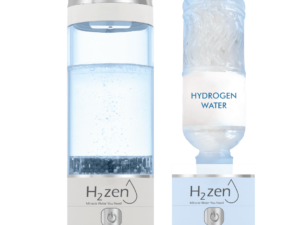
- Stability: minimize degassing by using glass bottles with ball bearings and refresh stock at set intervals.
- Timing: a practical home routine split into three times per day helped keep exposure steadier than single large doses.
- Product choice: container type and serving time relative to meals may affect adherence and perceived effects.
- Coordination: families aligned schedules with clinicians to fit overall treatment plans and medication timing.
- Monitoring: simple checks—alertness windows, short recall tasks, and mood—helped fine-tune timing across groups and days.
Wellness Group in Malaysia offers friendly guidance on sourcing and routines; message WhatsApp +60123822655 (Mon–Fri 9:30 am–6:30 pm; Sat–Sun 10 am–5 pm) for practical help.
Safety profile and tolerability in animal models
Safety checks during repeated exposure found no behavioral or tissue-level red flags over the test period. Animal studies reported no obvious adverse reactions to hydrogen given in water, and general health measures stayed stable.
In zebrafish, device on/off trials showed the nanobubble delivery caused no undue stress. Behavioral scans confirmed normal activity and feeding during those days.
In the TBI arm, treated mice preserved ATP and had less edema without harmful shifts in Aβ40/42. These findings suggest physiological support rather than added damage in brain tissue.
Key takeaways
- Across models and days, the intervention showed a favorable tolerability profile with no notable adverse signals.
- Absence of harmful changes in key protein levels added reassurance for continued, measured study.
- Families still watched for idiosyncratic responses and coordinated with clinicians.
Note: safety in animals does not guarantee the same in people. Malaysian families can ask Wellness Group about local safety considerations and how to report concerns via WhatsApp at +60123822655 during business hours.
How this case study informs real-world treatment planning
Caring teams can use the study’s signals to build stepwise, realistic plans that support daily function without replacing standard treatment. The analysis tied gains in memory and mood to shifts in neuroinflammation, oxidative stress, ATP preservation, and tau/Aβ pathways in animal groups.
From animal models to human care pathways
Clinical translation begins with modest goals: supportive adjuncts that aim to bolster attention, routine recall, and mood. Teams in Malaysia began by recording simple baselines on memory cues, sleep, activity, and mood.
Monitoring outcomes: cognition, mood, and daily function
Caregivers tracked short, repeatable measures over days and weeks to spot trends. Priority outcomes included attention span, ability to follow routines, steadiness of mood, and resilience to daily stress.
- Practical tracking: brief checklists and timed recall tasks recorded daily changes.
- Coordination: clinicians reviewed observations to ensure compatibility with prescribed treatment and meds.
- Adaptability: if effects waned, timing and intake were adjusted and re-analyzed.
- Support: Wellness Group provided templates and stepwise advice; families could ask about product timing and routines and view related guidance such as joint flexibility guidance.
“Use behavior and function as first-line markers; lab or imaging checks are optional when clinicians deem them useful.”
Wellness Group in Malaysia offered friendly help to set up monitoring windows and caregiver check-ins via WhatsApp at +60123822655 (Mon–Fri 9:30 am–6:30 pm; Sat–Sun 10 am–5 pm).
Why choose Wellness Group for hydrogen water support in Malaysia
Families turned to a trusted local team when they wanted clear, stepwise guidance on adjunctive care. Wellness Group offered friendly, practical help tailored to home life in Malaysia.
Friendly guidance and product sourcing: the team helped caregivers pick reliable devices and containers that preserved dissolved levels during daily use. They shared simple handling tips to limit degassing and keep routines consistent.
Care coordination and safety: Wellness Group connected caregivers with clinicians and therapists to make sure any treatment aligned with existing plans. Emphasis remained on safety, steady routines, and measured monitoring.
- Step-by-step instructions adapted to household schedules.
- Reading lists and Google Scholar links to review the science.
- Practical monitoring templates to document outcomes for care reviews.
- Quick WhatsApp assistance at +60123822655 during business hours.
| Service | What they offer | Availability |
|---|---|---|
| Product sourcing | Verified devices and container advice | Mon–Fri 9:30 am–6:30 pm |
| Care coordination | Clinician alignment and safety checks | Mon–Fri 9:30 am–6:30 pm |
| Quick support | WhatsApp answers and templates | Sat–Sun 10 am–5 pm |
“Wellness Group provided local, hands-on support so families could try a supportive approach with clarity and safety.”
Research sources you can explore on Google Scholar
Caregivers and clinicians can use public databases to locate the original articles, datasets, and protocols that underlie the experimental claims. A short search helps teams compare behavioral outcomes with molecular readouts across species.

Molecular mechanisms, gene expression data, and cytokine analyses
Key searches: use Google Scholar to find long-term work in 3×Tg-AD mice (>1.6 ppm), zebrafish nanobubble studies (~1,000 ppb), and TBI protocols (1.6–1.8 ppm) with mRNA-seq on HiSeq 2500 (Illumina, San Diego).
- Search phrases like “hydrogen therapy Alzheimer’s 3xTg mice water maze” to pull up detailed animal studies and methods on Google Scholar.
- Reviews on molecular hydrogen summarize redox balance and cytokine signaling useful for clinician education.
- Gene expression and cytokine panels provide deeper mechanistic context in injury and neurodegeneration models.
- Zebrafish papers show nanobubble delivery, behavioral assays, and ROS imaging methods.
- TBI literature covers edema dynamics, tau modulation, ATP preservation, and protein panels (PSD95, synaptophysin, BACE1, phospho-tau).
Wellness Group shares curated links on request. Message WhatsApp +60123822655 during business hours for quick access to primary study lists and analysis aids.
Contact Wellness Group
Wellness Group provides friendly, stepwise help to families in Malaysia who want clear, evidence-informed guidance. Staff answer routine questions, help translate study signals into practical steps, and coordinate with clinicians when needed.
WhatsApp: +60123822655
Business hours: Monday 9:30 am-6:30 pm; Tuesday 9:30 am-6:30 pm; Wednesday 9:30 am-6:30 pm; Thursday 9:30 am-6:30 pm; Friday 9:30 am-6:30 pm; Saturday 10 am-5 pm; Sunday 10 am-5 pm
Quick support is available during posted hours with same-day responses to practical questions about handling, timing, and safe monitoring.
- They help caregivers connect lab signals—including notes from mice studies—to daily routines.
- Staff share curated links and summaries to Google Scholar and key papers to aid clinician discussions.
- Follow-up messages let families report observations and adjust plans in simple steps.
- Privacy and respectful communication are prioritized in every exchange.
“Wellness Group aims to turn scientific findings into clear, safe routines that fit home life.”
Conclusion
This brief closing ties main signals into clear, practical takeaways. The preclinical study linked steady adjunct use to better behavior, lower inflammatory cytokines, and reduced tau phosphorylation in mice, along with quick ROS and behavior gains in zebrafish and ATP preservation after injury.
Key points: reduced oxidative stress and milder neuroinflammation helped protect brain circuits. Improvements in tau and synaptic protein profiles matched observed behavior. Energy recovery, shown by ATP gains, supported steadier daily function.
Caretakers should treat hydrogen in water as an adjunct to prescribed treatment, not a replacement, and track simple outcomes over days and weeks. For local, friendly help in Malaysia, message Wellness Group on WhatsApp at +60123822655. See related insomnia guidance here.
FAQ
What is molecular hydrogen and why does its diffusion matter?
Molecular hydrogen is a tiny, neutral gas molecule that diffuses rapidly into tissues and cells. Its fast penetration lets it reach brain regions and organelles such as mitochondria, where it can neutralize reactive oxygen species and modulate signaling pathways linked to cell stress and survival.
How could this approach help against neurodegenerative processes like amyloid and tau pathology?
Experimental data show reduced amyloid-β production and lower BACE1 activity, alongside decreased tau hyperphosphorylation and fewer neurofibrillary tangles in treated animals. These changes correlate with improved synaptic markers and less neuronal loss in affected brain tissue.
What behavioral improvements were observed in animal models?
Treated groups performed better on memory and learning tests such as the Morris water maze and T-maze, and showed more exploration in open-field tests. Depression- and anxiety-like behaviors were also significantly reduced in several studies.
Which inflammatory markers respond to treatment in preclinical studies?
Studies report modulation of proinflammatory cytokines including tumor necrosis factor-α, IL-1β, and IL-6, plus reduced microglial and astrocyte activation. Time-course analyses often show early decreases in cytokine spikes after intervention.
Are there measurable effects on oxidative stress and mitochondrial function?
Yes. Antioxidant activity lowers reactive oxygen species and can affect nitric oxide signaling. Treated animals frequently show recovered ATP levels, improved expression of mitochondrial genes like COX and ND1, and better bioenergetic profiles.
What dosing and delivery strategies were used in studies?
Common protocols include continuous access via enriched drinking fluid or repeated exposure (for example, three times daily dosing in some reports). Concentration stability and timing influence outcomes, so controlled delivery is important in experimental designs.
How consistent are therapeutic effects across different models of brain injury and degeneration?
Benefits appear across Alzheimer disease models, traumatic brain injury, and other neurodegenerative paradigms. While magnitudes vary, protective trends in cognition, inflammation, and cell survival recur in multiple animal systems.
Were gene expression and protein assays used to validate findings?
Yes. Researchers combined transcriptomic profiling, Western blots, and immunohistochemistry to track changes in genes and proteins tied to synaptic function, inflammation, apoptosis, and metabolism, strengthening mechanistic links.
Is there any evidence linking gut microbiota shifts to neuroprotection?
Some studies reported altered microbial diversity indices and metabolite profiles associated with reduced systemic inflammation and improved neurobehavioral outcomes, suggesting a gut–brain interaction may contribute to benefits.
What is known about safety and tolerability from animal experiments?
Across multiple reports, treated animals tolerated interventions well with no major adverse effects observed. Routine monitoring of organ histology and blood markers typically shows no toxicity at effective doses used in these models.
How do these preclinical results translate to human care planning?
Findings support exploring translational studies that evaluate cognition, mood, daily function, and biological markers in clinical settings. They also inform dosing, monitoring, and safety assessments needed for human trials and care pathways.
Where can clinicians and caregivers find primary research on this topic?
Google Scholar is a good starting point for peer-reviewed studies on molecular hydrogen, gene expression datasets, cytokine analyses, and animal model results. Searching terms like “molecular hydrogen Alzheimer disease oxidative stress” will surface relevant articles and reviews.
How can families in Malaysia get practical guidance or product sourcing?
Organizations such as Wellness Group offer guidance on sourcing and care coordination, plus local support channels. For quick assistance, their WhatsApp contact and business hours are listed in public materials to streamline inquiries.