Surprising fact: one study found up to a 39% drop in oxidative stress markers after drinking hydrogen-rich water, a figure that made many people pause.
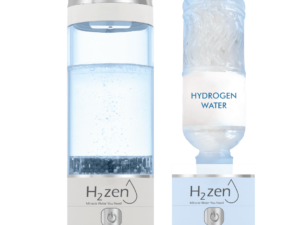
The modern hydrogen water bottle is a compact device that generates tiny gas molecules inside a reusable container. It aims to add antioxidant support to daily drinking routines without fuss.
Many portable models finish a cycle in minutes and fit a gym bag, office desk, or car cup holder. Consumers in Malaysia often choose these water bottles to upgrade plain hydration and seek potential health benefits like lower oxidative stress and steady energy.
Wellness Group offers local help for buyers. Malaysians can message via WhatsApp at +60123822655. Business hours are Monday–Friday 9:30 am–6:30 pm and Saturday–Sunday 10 am–5 pm.
Key Takeaways
- Some studies report meaningful reductions in oxidative stress after drinking hydrogen-rich water.
- Portable bottles make it easy to add antioxidant support on the go.
- Look for short cycle times, sturdy design, and clear hydrogen levels when shopping.
- Wellness Group provides local guidance in Malaysia via WhatsApp at +60123822655.
- This guide will explain technology, benefits, safety, and maintenance to help readers choose wisely.
Understanding Hydrogen Water and Molecular Hydrogen
Hydrogen-rich water is simply plain drinking water with extra dissolved molecular hydrogen added. Unlike regular drinking water, it carries measurable H₂ in solution while remaining colorless and tasteless.
What makes it different?
Regular tap or bottled drinking water contains negligible dissolved H₂. By contrast, hydrogen-rich water holds small amounts of the gas, similar to how oxygen dissolves in a glass.
Why molecular hydrogen matters
Molecular hydrogen is tiny and neutral, so it moves through tissues easily. Early research and some studies suggest it may act as a mild antioxidant and support cellular balance without changing pH.
- Common production methods include electrolysis, pressurized infusion, and magnesium reactions.
- It is not the same as alkaline water — the focus is on dissolved H₂, not pH shifts.
- People choose this option for gentle wellness benefits and recovery support, not as a medical cure.
For local guidance on choosing suitable hydrogen water bottles, Malaysians can message Wellness Group on WhatsApp at +60123822655 during business hours.
Main keyword explained: hydrogen water bottle how do they work
Short answer: a portable unit uses a tiny electrolysis cell to split molecules and infuse dissolved gas into a sealed drink.
From fill to sip, the routine is simple. The user fills the cup, seals the lid, and presses one control to start a short cycle. Inside, electrodes split liquid into two gases; the design keeps the desired gas dissolved while routing oxygen and trace byproducts out through a vent.
Most modern cycles finish in a few minutes. An LED or a beep signals when the drink is ready. This makes it easy to prepare fresh hydrogen water during a short break.
“A quick electrolysis cycle turns plain liquids into a ready-to-drink antioxidant option in minutes.”
Why people choose this option: it gives on-demand convenience compared with pre-bottled options or bulk machines. Users value portability, short cycle times, and clear indicators that confirm the process.
- Fast: cycles measured in minutes.
- Simple: one-button activation.
- Portable: use at the gym, office, or while commuting in Malaysia.
The Core Technology: Electrolysis Process That Infuses H₂
At the heart of each device is a fast electrolysis cycle that makes dissolved gas safely and cleanly. This process uses plated electrodes and selective membranes to separate elements inside the cup. The result is clear liquid with visible microbubbles and steady dissolved concentrations.
How electrodes split water molecules into hydrogen and oxygen
Platinum‑coated titanium electrodes carry current that energizes water molecules. That split produces molecular hydrogen and oxygen.
Why this matters: platinum plating resists corrosion and keeps output steady over many cycles. Premium units finish a cycle in minutes and can reach high dissolved levels.
Venting oxygen and byproducts for cleaner hydrogen water
Oxygen and trace byproducts are routed out through a base or side vent. A well‑designed vent path keeps the drinking chamber free of tastes and unwanted gases.
PEM/SPE membranes and keeping ozone/chlorine out
Proton exchange membranes or solid polymer electrolytes let protons pass while blocking contaminants like ozone and chlorine. This selective barrier preserves clarity and flavor.
- Electrodes + membranes: together they produce consistent hydrogen gas levels.
- Quiet venting: removes oxygen without splashing or odor.
- Fast cycles: reliable results in minutes for daily use in Malaysia.
“Smart engineering turns a short electrolysis process into repeatable, taste-neutral results users can trust.”
Inside the Bottle: Key Components That Make Hydrogen Water
A close look at the inner parts reveals why portable units deliver consistent dissolved gas levels on demand.
The tour begins at the small electrolysis chamber. This sealed space holds the liquid during a short cycle and is where the gas forms and dissolves for drinking.
Platinum‑coated titanium electrodes and their role
Platinum‑coated titanium electrodes give long life and steady conductivity. They resist corrosion and keep output stable over many cycles. Cheaper metals degrade faster and drop performance.
Proton exchange membrane (PEM) and purity
The PEM acts as a selective barrier. It allows protons to pass while limiting ozone and chlorine crossover. This preserves clarity and taste and helps keep the final solution pure.

Rechargeable battery, power management, and cycle times
A compact rechargeable battery powers quick cycles. Smart power management keeps output steady as the charge falls, so users get consistent molecular hydrogen levels across charges.
LED indicators, button, and the base/vent system
User controls are simple: one button starts a preset cycle and LEDs show progress and completion. A quiet base vent routes oxygen and byproducts away. That keeps the drinking chamber fresh and protects internal parts.
| Component | Purpose | Benefit | Notes |
|---|---|---|---|
| Electrolysis chamber | Generate and hold dissolved gas | Fast, on-demand readiness | Sealed design reduces losses |
| Platinum electrodes | Efficient current delivery | Durable, consistent output | Better than basic alloys |
| PEM membrane | Maintain purity | Cleaner taste, less contamination | Key for quality units |
| Battery & vents | Power cycles & remove oxygen | Stable cycles; no off-flavors | Charge regularly; avoid moisture |
Choosing a well-engineered unit matters. For local guidance on model selection, readers in Malaysia can choose a model with confidence.
PPM vs PPB: Measuring Dissolved Hydrogen Concentration
What “parts per million/billion” mean in plain English
Tiny metrics like ppm and ppb show how much gas sits dissolved in a drink. One ppm equals 1,000 ppb, so a ppb claim can be converted quickly for fair comparison.
Typical ranges and why time-in-bottle matters
Many portable systems aim for about 1–3 ppm of dissolved hydrogen after a short cycle. Cycle length, temperature, and the electrolysis process change results.
Longer cycles often raise concentrations, but returns fall off after certain times. Practical programs run between 3–10 minutes to balance output and convenience.
- Look for visible microbubbles during a run—this is a simple sign the unit is active.
- Optional reagent tests or digital meters give verification for curious buyers.
- Good venting removes oxygen and byproducts while keeping dissolved hydrogen levels stable.
Tip: compare repeatable results, not just peak numbers in marketing. Consistent performance across times and cycles matters more than a single high reading.
Step-by-Step: How to Use a Hydrogen Water Bottle
Preparing a portable unit for daily use takes just a few clear steps that anyone can follow.
Fill, seal, and start: Fill the bottle with clean water, close the lid tightly, then press the main button to begin the electrolysis process. Microbubbles should appear within moments as the device runs.
Cycle time and signals: Most runs last between 3–10 minutes. An LED or a short beep usually signals when the drink is ready. Drink soon after completion to enjoy the highest molecular hydrogen level.
Battery care and safe charging
Recharge before the battery is fully depleted when possible. Keep the base dry and the charging port clean to avoid damage.
Rinse the chamber after use, wipe the base gently, and store the unit upright. Check the manual for any extra button combinations or longer programs.
“A simple routine keeps performance steady and makes daily use worry-free.”
| Step | Action | Tip |
|---|---|---|
| 1 | Fill with clean water | Use cold or room temp for best results |
| 2 | Seal lid and press button | Watch for microbubbles as a visual cue |
| 3 | Wait 3–10 minutes | Listen for LED or beep; then drink soon |
| 4 | Recharge & maintain | Avoid wet ports; wipe base; store upright |
Science-Backed Benefits: From Reducing Oxidative Stress to Performance
Research now explores whether a simple daily drink can ease oxidative strain and help athletes recover faster.
Oxidative stress, inflammation, and cellular health
Several small studies report meaningful antioxidant effects after drinking enriched liquids. One study noted up to a 39% drop in oxidative stress markers for some participants.
Early findings also show shifts in inflammatory markers, suggesting possible support for cellular balance. Results vary by person, dose, and timing.
Energy levels, recovery, and athletes’ performance
Practical trials with athletes have noted faster recovery, less perceived fatigue, and small gains in sprint or anaerobic measures. Soccer players and cyclists saw improved times and reduced soreness under specific protocols.
“Consider this a complement to good training, sleep, and nutrition rather than a replacement.”
- Benefits: may reduce oxidative stress and ease inflammation.
- Performance: small studies suggest better short-term recovery and energy levels for some athletes.
- Tip: track personal response to assess real gains.
Overall, growing evidence is promising but larger, longer studies will clarify who benefits most and under what conditions.
Safety and Suitability: Is Hydrogen Water Safe to Drink?
Evidence to date suggests that consuming modestly enriched liquids is safe for most people. Clinical studies and lab research report no major toxicity for low-level dissolved gas intake. That makes this option generally safe as a daily beverage for healthy adults.

No universal industry standard exists for concentration, so output varies by device and program. Readers should note that different models produce different levels in the finished drink.
Early studies indicate possible benefits such as reduced oxidative stress for some users. Still, enriched drinking is not a medical treatment and should supplement, not replace, professional care.
Choose a clean source of drinking water and follow manufacturer guidance for cleaning and operation. Proper hygiene and correct charging help keep the pathway sanitary and performance consistent.
“For people with medical conditions or who take medications, consulting a healthcare professional before adding enriched drinks is wise.”
- Safe for most healthy adults in studied contexts.
- Concentration varies—compare repeatable results, not just peak claims.
- Ask a clinician if you have specific health concerns.
Lifespan, Maintenance, and Cleaning for Reliable Performance
A simple maintenance routine extends service life and preserves consistent output from the electrolysis system. Regular care prevents mineral deposits that reduce efficiency and shortens component life.
Electrode care matters. Rinse the chamber after each use and run a mild citric-acid or vinegar soak every few weeks to remove scale. Using filtered water cuts mineral buildup and helps keep electrodes effective.
Protect the base and vents. Never submerge the base. Keep charging ports, vents, and electrical contacts dry. Wipe contacts with a dry cloth and let parts air dry before storage.
Simple checklist for long-term reliability
- Rinse the chamber after each cycle to remove residues.
- Deep-clean periodically to dissolve mineral scale on electrodes.
- Use filtered tap or bottled drinking water to reduce deposits.
- Keep vents clear so the unit can remove byproducts properly.
- Wipe ports dry and recharge the battery before it drains fully.
“Consistent maintenance helps the electrolysis system deliver reliable cycles and stable results month after month.”
Replace filters, membranes, or seals as the manufacturer recommends. With these habits, many units serve well for years and continue to produce steady molecular hydrogen levels for daily use in Malaysia.
Choosing the Right Hydrogen Water Bottle in Malaysia
Start by verifying electrode materials and membrane quality—these parts shape long‑term results. Good units use platinum‑coated titanium electrodes and a robust PEM/SPE assembly. These choices preserve output and reduce corrosion over many cycles.
Electrodes, PEM quality, battery life, and portability
Look for clear cycle programs and dependable battery life that suit commuters, office users, and gym routines. Compact designs make it easy to carry units across town.
Cycle options, concentration claims, and verification
Prioritize repeatable performance over single peak numbers. Credible ranges are often around 1–3 ppm. Simple reagent tests or digital meters help confirm claims in daily use.
- Key signals: proven electrode material, solid PEM, clear cycle modes.
- Practical checks: battery runtime, charge convenience, and portability.
- Aftercare: warranty, spare parts, and local support for repairs.
For side‑by‑side comparisons in Malaysia, readers can message portable hydrogen water bottle support on WhatsApp at +60123822655 during business hours.
“Choose repeatable results and local service for the best long‑term value.”
Talk to Wellness Group in Malaysia
Choosing the right unit gets easier with friendly, tech‑savvy guidance nearby. Wellness Group helps Malaysians compare options and match a device to daily routines and budgets.
Friendly help choosing a hydrogen water bottle
Wellness Group answers practical questions about components, cycle choices, and verification methods. They explain electrode types, PEM quality, battery life, and real‑world convenience like weight and cleaning.
WhatsApp +60123822655 - Business hours
Shoppers can reach the team on WhatsApp at +60123822655 for fast replies.
- Monday–Friday: 9:30 am–6:30 pm
- Saturday–Sunday: 10 am–5 pm
What they offer:
- Model comparisons and honest advice on concentrations and testing
- Tips for safe setup, regular cleaning, and battery care
- Practical notes on upkeep so users get consistent results from day one
“Local support makes it simpler to pick a device that fits life in Malaysia.”
Conclusion
The takeaway: a well-built portable system makes consistent, enriched drinks practical for daily routines.
Compact electrolysis units infuse dissolved gas in minutes and suit gym bags and desks. Smart venting and a solid PEM keep the drinking path clean and help sustain reliable dissolved levels.
Readers should check ppm or ppb readings, time cycles, and use simple reagent tests to verify repeatable results. Realistic expectations matter; modest antioxidant and performance-related benefits show promise but vary by person.
For local advice and next steps, Malaysian readers can message Wellness Group on WhatsApp at +60123822655 during listed hours for friendly help choosing the right hydrogen water bottle.
FAQ
What is hydrogen-rich water compared to regular drinking water?
It is ordinary drinking liquid that has extra dissolved molecular hydrogen (H₂) added. The added gas does not change taste much but raises antioxidant potential. Devices designed to generate this beverage dissolve tiny H₂ molecules so users sip a drink with higher dissolved-gas levels than typical tap or bottled options.
Why does molecular hydrogen (H₂) matter for antioxidant support?
Molecular H₂ can act as a selective antioxidant in cells, neutralizing reactive species linked to oxidative stress. Several studies suggest it helps reduce markers of inflammation and cellular damage, which can support recovery and general wellbeing when combined with a healthy lifestyle.
How does an electrolysis device infuse H₂ into drinking liquid?
The device applies an electric current across electrodes to split water molecules into hydrogen and oxygen. The generated H₂ dissolves into the liquid while oxygen and byproducts are vented away. This process produces dissolved gas without adding chemical additives.
What role do electrodes and membranes play inside these units?
Platinum‑coated titanium electrodes speed the reaction and resist corrosion. A proton exchange membrane (PEM or SPE) separates the compartments to keep gases apart and maintain purity. Together they help produce higher concentrations of dissolved H₂ while minimizing contaminants like ozone or chlorine.
How is dissolved concentration measured and what do ppm and ppb mean?
Concentration is usually reported in parts per million (ppm) or parts per billion (ppb). In plain terms, ppm equals milligrams per liter, while ppb is micrograms per liter. Typical therapeutic ranges in studies vary, so both concentration and time-in-container matter for effectiveness.
What is the typical usage routine for these units?
The usual steps are fill, seal, and activate a cycle via the button. Most portable units run 3–10 minute cycles and create micro-bubbles to boost dissolution. LED indicators or sounds signal readiness. Users should drink soon after the cycle for maximum dissolved gas.
How should users care for rechargeable batteries and cycles?
Follow manufacturer guidance: recharge before full depletion, avoid extreme temperatures, and use the supplied charger. Limit continuous cycles per session as advised to protect the cell and battery management system for long service life.
Are there safety concerns with drinking this type of beverage?
When produced correctly, dissolved H₂ is safe at the concentrations studied. Devices with PEM separation and proper venting reduce byproduct exposure. People with health conditions should consult a healthcare professional before routine use.
What maintenance keeps the unit performing well?
Regular rinsing, descaling if the source liquid is hard, and wiping the base and vent dry prevents mineral buildup. Inspect electrodes per the manual and avoid abrasive cleaners. Proper care maintains output and extends the component lifespan.
How do users choose the right device in Malaysia?
Look for robust electrode materials, a certified PEM, realistic cycle and concentration claims, good battery life, and portability that fits lifestyle. Verify manufacturer testing or third‑party reports and compare service and warranty options available locally.
Where can someone in Malaysia get help choosing a unit?
Wellness Group Malaysia offers friendly guidance on selecting appropriate units, comparing features and verifying concentration claims. They can be reached via WhatsApp at +60123822655 during business hours: Mon–Fri 9:30 am–6:30 pm; Sat–Sun 10 am–5 pm.