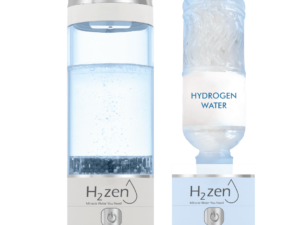
Surprising fact: a controlled study in rodents showed that a single intervention cut fasting blood glucose by a clear margin and improved liver glycogen reserves.
Their research links molecular hydrogen to reduced oxidative stress and better insulin signaling. Lab work found clearer pancreatic islet structure and less tissue damage in treated animals.
Other experiments showed faster glucose uptake in muscle through PI3K, PKC, and AMPK routes, though effects varied by model and obesity status. Long-term intake helped some models but gave limited benefit in others.
This guide by Wellness Group turns those findings into practical steps for Malaysians. It explains core mechanisms, signaling pathways, daily intake tips, and quality checks while stressing this complements standard care.
Reach out: WhatsApp +60123822655 for guidance. The group is available Monday–Friday 9:30 am–6:30 pm and Saturday–Sunday 10 am–5 pm.
Key Takeaways
- Animal and cell studies suggest antioxidant and insulin-pathway benefits.
- Improved muscle glucose uptake may aid blood glucose control in some models.
- Effects differ by model; translation to humans needs caution.
- Practical advice covers preparation, timing, storage, and intake.
- Wellness Group offers Malaysia-focused support via WhatsApp.
Why Hydrogen Water Matters for Type 2 Diabetes in Malaysia
Malaysians are exploring novel daily aids to support glucose control amid rising metabolic health concerns.
Local interest stems from a few clear drivers: higher national prevalence of metabolic conditions, busy lifestyles, and demand for easy, culturally compatible routines. Devices that produce dissolved gas solutions are now available as home generators or portable bottles across urban centres in Malaysia.
Aligning evidence with local goals
Controlled animal and cell studies reported lower fasting glucose, improved lipid levels (TG, TC, LDL-c down; HDL-c up), higher SOD and lower MDA, and enhanced muscle uptake via Glut4 and AMPK. These findings suggest possible benefits for fasting readings and cardiometabolic markers that Malaysians monitor.
“Early lab and animal results are promising, but human use should be cautious and complementary to standard care.”
- Device quality and consistent preparation matter for effective dissolved concentrations.
- Track baseline and follow-up fasting readings for several weeks to gauge response.
- Coordinate any new routine with a primary care team for safe, integrated control strategies.
Local support: Wellness Group is available via WhatsApp +60123822655 (Mon–Fri 9:30 am–6:30 pm; Sat–Sun 10 am–5 pm) to help tailor plans and translate evidence into practical steps.
Understanding Type 2 Diabetes: Glucose, Insulin, and Oxidative Stress
Clear communication between receptors and intracellular pathways decides whether glucose fuels a cell or remains in the blood.
How glucose enters cells: Insulin binds to surface receptors and triggers signaling cascades that move transporters to the membrane. This receptor-mediated step lets glucose cross into muscle and fat cells for energy and storage.
Insulin resistance vs insulin sensitivity: In insulin sensitivity, signals work well and cells take up glucose quickly. With insulin resistance, downstream signaling falters. Fewer transporters reach the membrane, so glucose stays in circulation and metabolism shifts toward harmful pathways.
Oxidative stress and tissue damage: Persistent high glucose raises mitochondrial ROS. That harms membranes, lowers ATP, and can trigger apoptosis in islet and kidney cells. Rat models show higher fasting glucose, a raised insulin resistance index, altered lipids, lower SOD, and higher MDA.
- Common markers: fasting blood glucose, fasting insulin, lipid panels, SOD and MDA levels.
- Feedback loop: more oxidative stress worsens insulin resistance, creating a cycle of metabolic strain.
- Practical tip: track trends over weeks, not single readings, and share logs with your care team.
For personalised explanations or a tracking template, contact the Wellness Group on WhatsApp at +60123822655 during business hours.
hydrogen water and type 2 diabetes
Recent cell work highlights how a tiny neutral molecule can reach compartments that larger antioxidants cannot.
Defining hydrogen-rich water and molecular hydrogen
hydrogen-rich water refers to liquid with measurable dissolved molecular hydrogen gas, often near 0.8 mM in lab tests. At that level, C2C12 muscle cells showed improved glucose uptake. Loss of the dissolved gas by degassing removed the benefit in studies.
How this differs from generic antioxidant supplements
Because the molecule is small and neutral, it diffuses rapidly into cells and may reach sensitive compartments without broadly blocking signaling. This allows selective radical reduction rather than sweeping antioxidant action.
Key study notes:
- High-content solutions at ~0.8 mM raised uptake in muscle cells; degassing negated effects.
- No increase in hepatic Glut2 translocation was seen in HepG2 cells, suggesting tissue-specific roles.
- Delivery method and concentration matter: drinking vs injection can change outcomes in animals.
| Feature | Observed result | Implication | Practical note |
|---|---|---|---|
| Concentration (~0.8 mM) | Increased glucose uptake in C2C12 cells | Effective dose matters | Use tested devices to approximate levels |
| Degassing | Removed cellular effects | Freshness is critical | Consume soon after generation |
| Tissue specificity | No Glut2 translocation in HepG2 | Action may be muscle-focused | Expect varied responses across organs |
| Antioxidant profile | Selective radical reduction | May preserve beneficial signaling | Not a replacement for nutrients |
Bottom line: This approach may support antioxidant capacity and metabolic signaling as a complement to standard care. Wellness Group can advise on device selection and safe routines—message via WhatsApp during business hours or see our pregnancy guidance for related considerations.
Core Mechanisms: From Antioxidant Capacity to Glucose Metabolism
Lab and rodent data point to specific mechanisms that may ease oxidative stress and help glucose handling. These findings map how selective radical action links to improved metabolic signs in treated models.
Selective radical reduction and superoxide dismutase activity
Selective radical reduction can lower harmful species without blocking helpful redox signals. Treated rats showed higher superoxide dismutase activity, which helps control superoxide and eases cellular strain.
Lowering malondialdehyde and alleviating oxidative stress
Reduced MDA levels indicate less lipid peroxidation and membrane protection. This decline in oxidative stress may limit tissue damage in metabolic organs.
Impact on glucose uptake pathways and insulin signaling
Antioxidant shifts correlated with better glucose handling and improved insulin resistance indices. Higher hepatic glycogen and lower fasting blood readings were reported.
Potential protection of pancreatic islets and kidney tissues
Histology showed clearer islet structure and less renal damage in treated groups. These tissue-level gains may support systemic lipid and glycemic markers.
| Marker | Change in treated rats | Implication |
|---|---|---|
| SOD activity | Increased | Better control of superoxide radicals |
| MDA | Decreased | Less lipid peroxidation, membrane protection |
| Fasting glucose & hepatic glycogen | Lower glucose, higher glycogen | Improved metabolic storage and fasting control |
| Islet & kidney histology | Improved structure | Potential tissue protection from chronic stress |
Next steps: Readers in Malaysia can ask the Wellness Group to plan baseline and follow-up checks for these markers. WhatsApp +60123822655 for tailored guidance.
Cell and Animal Insights: What Studies in Rats and Mice Reveal
Controlled preclinical work in rats and mice tracked clear metabolic endpoints over weeks. Researchers measured fasting blood glucose, hepatic glycogen, and insulin resistance to compare treated and untreated groups.

Fasting blood glucose, hepatic glycogen, and insulin resistance indices
In T2DM rat models, prolonged administration for about 80 days lowered fasting readings and raised hepatic glycogen. Lipid panels also moved toward normal levels (↓TG, TC, LDL-c; ↑HDL-c).
Effects compared control across study groups
Across groups, outcomes were reported as compared control, showing significant shifts in several markers. The in vitro work reinforced this: skeletal muscle cells increased Glut4-mediated uptake, but degassed solutions lost the benefit.
- STZ-induced mice showed stronger glycemic gains than obese models.
- Some obese mice had limited long-term oral responses, highlighting model-specific results.
- Track fasting values at home for 4–12 weeks to spot trends and share them with a care team.
“Preclinical signals are directional; use them to guide monitoring, not to replace standard care.”
For help interpreting endpoints and setting a home plan, WhatsApp the Wellness Group at +60123822655.
Signaling Pathways: TLR4/MyD88/NF-κB and Beyond
Inflammatory signaling in the pancreas helps explain how metabolic stress turns into organ damage.
Key rat models showed reduced pancreatic TLR4 and MyD88 expression after treatment, with lower phosphorylation of NF-κB p65 and IκB.
Inhibiting inflammatory signaling to reduce cellular harm
Lower TLR4/MyD88 activity dampens pro-inflammatory cascades that drive oxidative stress and tissue damage.
Linking decreased phosphorylation of p65 and IκB to results
When p65 and IκB phosphorylation falls, inflammatory gene transcription drops. This change can ease local inflammation and may support better insulin signaling.
- Mechanistic link: Reduced inflammatory tone may indirectly improve glucose handling in pancreatic and muscle cells.
- Tissue note: These immune-modulating effects were observed in pancreatic samples from treated rats.
- Practical angle: Pairing intake routines with anti-inflammatory foods may give synergistic benefits.
| Pathway | Observed change | Metabolic implication | Practical note |
|---|---|---|---|
| TLR4 / MyD88 | Expression reduced | Lower innate inflammation | May protect islet cells from chronic stress |
| NF-κB p65 / IκB | Phosphorylation decreased | Less transcription of pro-inflammatory genes | Supports improved insulin response over time |
| Pancreatic tissue | Reduced markers of damage | Better glycemic and oxidative markers | Findings are preclinical; clinical translation needs care |
Readers who want help pairing intake routines with anti-inflammatory nutrition can message the Wellness Group on WhatsApp at +60123822655 for Malaysia-focused advice.
Skeletal Muscle Glucose Uptake: PI3K, PKC, and AMPK Activation
Skeletal muscle is the body’s main glucose sink, so small changes in uptake can shift whole-body balance.
Key lab findings from C2C12 cell work showed higher 2‑DG uptake after exposure to high‑content solutions. Researchers linked this to activation of PI3K, PKC, and AMPK pathways.
Glut4 translocation and improved insulin sensitivity
Membrane Glut4 rose alongside increased p‑AMPK, a sign that the receptor‑to‑transporter route became more efficient.
Practical note: better transporter movement often means improved insulin sensitivity at the muscle level.
What did not change: Glut2 response in hepatic cells
HepG2 cells did not show higher Glut2 activity, which highlights a tissue‑specific effect seen in these studies.
- Skeletal muscle is a prime target for raising whole‑body clearance of circulating glucose.
- Activation of PI3K, PKC, and AMPK explained the increased uptake in cultured muscle cells.
- Pairing intake with exercise—which also triggers AMPK—may offer additive benefits.
- Try timing a pre‑workout intake and track post‑exercise fasting readings and perceived energy.
- Consult the Wellness Group for safe alignment with medications that affect insulin action: WhatsApp +60123822655.
| Model | Change | Implication |
|---|---|---|
| C2C12 muscle cells | ↑ 2‑DG uptake; ↑ Glut4; ↑ p‑AMPK | Enhanced muscle glucose transport |
| HepG2 hepatic cells | No ↑ Glut2 | Tissue specificity; liver response limited |
| Practical | Pre‑exercise timing suggested | Potential synergy with AMPK from exercise |
Reminder: Findings come from in vitro and animal research. Clinical translation is emerging, so use these signals to guide monitoring rather than replace standard medical care.
Blood Lipids and Cardiometabolic Markers: TG, TC, HDL-c, LDL-c
Preclinical results reported healthier serum lipid patterns in treated groups compared with model control animals.
In an 80‑day rodent study, treated rats showed lower triglycerides (TG), total cholesterol (TC) and LDL‑c while HDL‑c rose versus the model control group.
These shifts in blood lipid levels often align with better cardiometabolic risk profiles and occurred alongside improved fasting glucose and insulin indices in the same cohort.
Body weight trends also favored the treated group compared with diabetic model rats, suggesting a broader metabolic effect beyond isolated lipid changes.
- Practical note: periodic serum lipid testing helps track benefits beyond glycemia.
- Combine intake routines with diets that lower TG and LDL‑c for added gains.
- Maintain consistent control comparisons over weeks to judge true effects.
- Share lab reports with the Wellness Group for tailored review and check‑ins.
| Marker | Change in treated rats | Implication |
|---|---|---|
| Triglycerides (TG) | Decreased | Lower risk for pancreatitis and metabolic strain |
| Total cholesterol (TC) | Decreased | Improved lipid profile |
| HDL‑c / LDL‑c | HDL ↑, LDL ↓ | Healthier cholesterol balance |
| Body weight | Improved vs control | Supports overall cardiometabolic gains |
Next steps: Readers in Malaysia can schedule regular check‑ins with the Wellness Group to review blood tests, fasting trends, and multi‑marker tracking (glucose, lipids, blood pressure). WhatsApp +60123822655 for appointments and personalised guidance.
Human-Relevant Takeaways: Interpreting Preclinical Evidence
Preclinical data point to directions, not prescriptions. Lab and animal studies produced clear signals that may inform human routines. Readers should treat these findings as guidance for careful trials rather than definitive clinical advice.
Translating results from cells, rats, and mice to people
Cells and rodents help map mechanisms in glucose metabolism and insulin signaling. These models showed improved fasting control, lower oxidative stress markers, and clearer tissue histology in treated groups.
However, effects vary by model. Oral intake worked strongly in some type 1 mouse models but had limited benefit in obese models of type diabetes mellitus. That means human responses may differ by clinical context.
Where evidence is promising, and where limits remain
- Promising signals: better fasting markers, improved antioxidant profiles, and muscle uptake via Glut4 and AMPK.
- Known limits: many studies are small, model-dependent, and not direct substitutes for clinical trials.
- Practical note: degassing removed cellular benefits, so solution integrity matters for any routine.
- Approach: try short trial periods, keep standardized logs for several weeks, and track fasting readings and lipids.
- Safety: coordinate with healthcare providers before adding new routines to existing medication plans.
| Evidence source | Observed change | Human implication |
|---|---|---|
| Cell studies | ↑ muscle glucose uptake; Glut4/AMPK activation | Supports pre‑exercise or timing strategies to test effect |
| Rodent studies | ↓ fasting glycemia; ↓ oxidative stress markers | Directional support for monitoring fasting trends in people |
| Model differences | Strong in type 1 models; weaker in obese models | Set realistic expectations for metabolic control in diverse patients |
Next step: To discuss what these data may mean for you, message Wellness Group at +60123822655 during posted hours for Malaysia‑focused advice and monitoring plans.
How to Integrate Hydrogen-Rich Water into Daily Routines
Structured timing and consistent volumes give the best chance to spot meaningful trends in glucose readings. Start with a simple, repeatable plan that fits local life in Malaysia.
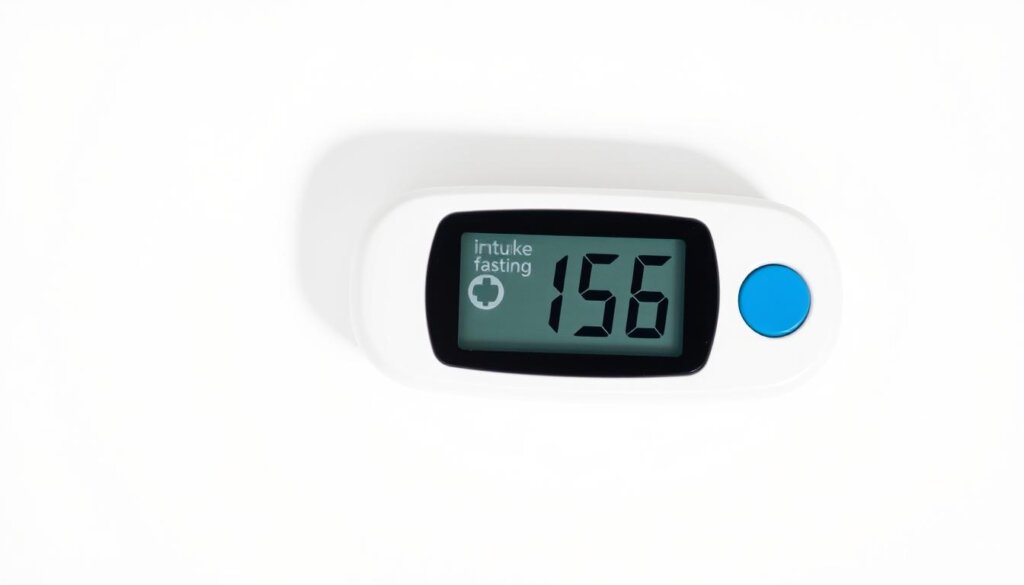
Practical intake timing for fasting and pre-meal windows
Begin with a morning intake on an empty stomach to potentially aid absorption. Then take a portion 15–30 minutes before main meals.
Suggested volumes and weeks to monitor fasting blood glucose
Divide daily volumes into 3–4 small serves to keep steady exposure. Track fasting glucose several times per week for 4–8 weeks to see trends.
Pairing with exercise for better muscle glucose metabolism
Take a serve 15–30 minutes before a workout to align with muscle AMPK and Glut4 activity. Log post-exercise readings and perceived recovery.
Consistency tips for stable intake and antioxidant support
Freshness matters: generate close to use and store in dark, sealed containers to reduce degassing. Keep regular hydration habits alongside the routine.
| Action | Why | Timing | Note |
|---|---|---|---|
| Morning empty‑stomach intake | May enhance early fasting control | On waking | Start small, monitor glucose |
| Pre‑meal portion | Supports post‑meal glucose handling | 15–30 min before meals | Consistent daily intake helps |
| Pre‑workout serve | Targets muscle uptake | 15–30 min before exercise | Log energy and recovery |
Need a tailored routine? The Wellness Group offers personalised plans and tracking templates via WhatsApp at +60123822655 (Mon–Fri 9:30 am–6:30 pm; Sat–Sun 10 am–5 pm).
Preparation and Quality: Generators, Saturation, and Storage
Good device choice and simple storage rules make the difference between a routine that works and one that only looks promising. Proper preparation helps users approximate the conditions used in lab work without complex equipment.
Target concentration ranges and device considerations
Research used high‑content solutions near 0.8 mM, so choose generators that can reach comparable output. Look for certified builds, clear specs, and reliable output claims to avoid inconsistent results.
Why freshness and storage methods influence effects
Dissolved gas escapes over time; shaking or long open‑air storage causes rapid degassing. In cell studies, losing the dissolved component removed measurable effects, so freshness matters.
- Prefer small, frequent batches to keep potency high.
- Minimise shaking and avoid long open jars to reduce loss.
- Schedule routine device maintenance and periodic testing for performance.
- Keep a log of preparation times and intake windows to troubleshoot trends over days.
- Wellness Group can advise on local sourcing, device setup, and maintenance—WhatsApp +60123822655 for support.
Safety, Interactions, and Who Should Be Cautious
Careful monitoring and medical oversight make a simple routine far safer for people on glucose-lowering drugs.
Key caution: anyone taking medicines that lower blood glucose should discuss timing and dose changes with their clinician before starting a new support routine.
People with advanced kidney disease need oversight, as kidney impairment can change how treatments act. Pregnant or breastfeeding individuals must consult a healthcare provider first.
- Start gradually and watch fasting readings closely to spot low readings or symptoms.
- Document any unusual responses and share notes with a care team for safe control adjustments.
- Do not change multiple variables at once; keep diet, activity, and meds stable while testing a single new routine.
- Preclinical studies reported good tolerability, but human evidence is still evolving, so avoid extreme claims.
Mechanistic note: lab work showed effects on insulin signaling and receptor-related pathways in muscle and pancreatic tissue, so coordination helps reduce hypoglycaemia risk.
If readers want a personalised risk assessment or help integrating a routine with existing care, contact the Wellness Group via WhatsApp at +60123822655 during business hours for Malaysia-focused advice.
Hydrogen Water vs Standard Diabetes Care
When adding a new supplement routine, the key question is how it fits alongside prescribed therapy. This section outlines practical ways to use an adjunct strategy while keeping core care unchanged.
Complementing metformin and lifestyle changes
Positioning: Use the adjunct as a complement to metformin, nutrition, movement, and sleep hygiene, not a replacement.
Suggested approach: start with a defined add-on trial, keep medications unchanged, and maintain consistent diet and activity for the trial period.
Monitoring insulin sensitivity and blood glucose levels
Standardize fasting blood glucose checks several times weekly. Where feasible, include periodic insulin sensitivity assessments or HOMA-IR estimates to track metabolic shifts.
Use clear start and end dates for each trial. Log fasting readings, lipids, weight, and subjective energy to form an outcome set clinicians can review.
- Do not stop prescribed drugs: continue therapies unless a clinician advises changes.
- Structured trial: define baseline week, 4–8 week intervention, and review point with labs.
- Outcome focus: glycemia, lipids, weight, energy, and adverse symptoms.
- Local support: coordinate with Wellness Group for a complementary plan and monitoring cadence — WhatsApp +60123822655.
| Measure | Why it matters | When to test | Practical note |
|---|---|---|---|
| Fasting blood glucose | Primary daily control marker | Twice weekly during trial | Use same device and time for consistency |
| Insulin sensitivity (HOMA‑IR) | Shows changes in insulin action | Baseline and after 4–8 weeks | Requires fasting insulin and glucose labs |
| Lipid panel | Preclinical results showed possible improvements vs metformin groups | Baseline and 8–12 weeks | Helps assess cardiometabolic impact |
| Weight & energy scores | Practical well‑being indicators | Weekly log | Useful for real‑world response tracking |
Review results with a clinician to calibrate expectations and next steps. Preclinical groups reported glycemic and lipid gains in some models, but human response varies. Use outcome tracking to guide safe, evidence‑based adjustments.
Who May Benefit Most: Insulin Resistance, Oxidative Stress, and Lifestyle
Persistent high fasting values, fatigue after light activity, and slow recovery often point to metabolic strain that deserves focused screening. Simple checks can help someone decide whether to try a structured adjunct routine.
Identifying signs of high oxidative stress in diabetes mellitus
Common patterns include repeatedly elevated fasting levels, low energy, poor exercise recovery, and harder-to-shift weight. Lab clues seen in rat models were low SOD and high MDA, which tracked with worse insulin resistance indices.
- Look for persistent fasting readings despite stable meds and diet.
- Ask a clinician for tests that assess SOD and MDA when oxidative stress is suspected.
- Those with pronounced insulin resistance may consider an adjunct approach while keeping core therapy unchanged.
- Readiness matters: steady hydration, good nutrition quality, and regular movement boost potential benefits to metabolism and the body.
- Start gradually, use portable device options for on‑the‑go routines, and evaluate after several weeks.
- Include stress‑management techniques; systemic stress worsens control.
“Rat studies showed lower SOD and higher MDA improved alongside reduced insulin resistance after sustained administration.”
For screening checklists and personalised routines, message the Wellness Group at +60123822655 for Malaysia‑focused planning and follow-up.
Wellness Group Support in Malaysia: Personalized Guidance and Contact
Wellness Group provides practical, evidence‑aware help to turn study findings into a safe plan for everyday use in Malaysia. They guide users through intake timing, monitoring frameworks, and device choices that aim to support glucose metabolism and antioxidant capacity.
Quick start: send a WhatsApp message to +60123822655 for an intake and next steps. The team is available seven days a week with clear hours to suit busy schedules.
Contact and hours
WhatsApp: +60123822655
Business hours: Monday 9:30 am-6:30 pm; Tuesday 9:30 am-6:30 pm; Wednesday 9:30 am-6:30 pm; Thursday 9:30 am-6:30 pm; Friday 9:30 am-6:30 pm; Saturday 10 am-5 pm; Sunday 10 am-5 pm.
What the group offers
The team builds tailored plans that align intake with glucose goals, exercise timing, and current medication schedules. They also give practical steps to improve antioxidant capacity through diet, routine, and device maintenance.
“Wellness Group turns study results into clear, testable steps and supports users through measurement and review.”
- Simple pathway to get started: WhatsApp for a guided intake.
- Help selecting and maintaining generators for consistent preparation quality.
- Measurement plans for fasting blood, lipids, and wellbeing indicators.
- Coordination with clinicians to keep routines safe and coherent.
- Regular review of results to adjust timing, volumes, and pairing with exercise.
| Service | Why it matters | Typical timeline |
|---|---|---|
| Initial intake via WhatsApp | Fast, personalised plan start | 1–2 days |
| Device setup & maintenance | Ensures consistent preparation quality | Setup within a week |
| Monitoring framework | Tracks fasting blood, lipids, wellbeing | 4–12 week review cycles |
| Follow-up reviews | Adjusts intake, timing, and exercise pairing | Every 4–8 weeks |
To begin, message +60123822655 on WhatsApp during posted hours. The group will outline a safe, local plan that draws on current studies and adapts results to real life.
Conclusion
Readers can use the study signals to design a short, monitored trial that pairs intake with exercise and clinic oversight.
Key recap: preclinical studies showed better fasting glucose, improved antioxidant markers (higher SOD, lower MDA), healthier lipids, enhanced muscle Glut4 uptake, and reduced TLR4/MyD88/NF-κB inflammation. Oral effects varied by model, with stronger gains in STZ models than in obese models of diabetes.
For practical next steps, keep a structured intake routine, prioritise freshness, align a serve before workouts, and track fasting glucose and periodic labs over 4–8 weeks. Stay connected with primary care to guard medication safety.
Need help? For a personalised starter plan in Malaysia, message the Wellness Group on WhatsApp at +60123822655 during posted hours for stepwise support and review.
FAQ
What is the Wellness Group’s approach to managing type 2 diabetes with hydrogen-rich water?
The Wellness Group emphasizes combining molecular hydrogen intake with proven lifestyle measures. They recommend using hydrogen-rich water as a complementary antioxidant strategy alongside balanced diet, regular exercise, and prescribed medications to support glucose metabolism and reduce oxidative stress.
Why does this approach matter for people with type 2 diabetes in Malaysia?
Interest in molecular hydrogen has grown in Malaysia due to easier access to devices and public curiosity about novel antioxidants. The approach aligns emerging evidence with local health goals by offering a low-risk adjunct that may support insulin sensitivity and cardiometabolic markers when paired with standard care.
How do insulin resistance and insulin sensitivity differ at the cellular level?
Insulin resistance means cells—especially muscle and fat—respond less to insulin, reducing glucose uptake. Improved insulin sensitivity restores receptor signaling and glucose transporter (GLUT4) movement to the cell membrane, which helps lower fasting and post-meal glucose.
What role does oxidative stress play in diabetic tissue damage?
Excess reactive oxygen species damage lipids, proteins, and DNA in pancreatic islets, blood vessels, and kidneys. That damage worsens inflammation, impairs insulin secretion, and accelerates complications, making antioxidant strategies relevant for protection.
How is hydrogen-rich water defined and how does molecular hydrogen act?
Hydrogen-rich water contains dissolved molecular hydrogen gas at low concentration. Molecular hydrogen acts as a selective reducing agent, neutralizing certain reactive species and modulating signaling pathways linked to inflammation and metabolism rather than acting like a broad-spectrum antioxidant supplement.
How does molecular hydrogen differ from standard antioxidant supplements?
Unlike many supplements that supply exogenous antioxidants or co-factors, molecular hydrogen selectively targets specific radicals and can influence cell signaling without disturbing beneficial reactive species. It may augment endogenous enzymes such as superoxide dismutase (SOD) rather than replacing them.
What are the core mechanisms that explain metabolic benefits?
Proposed mechanisms include selective radical reduction, modest increases in SOD activity, lowered malondialdehyde (MDA) levels, and improved insulin signaling cascades. Those changes can support glucose uptake and protect pancreatic and renal tissues from oxidative injury.
Do preclinical studies in rats and mice show meaningful changes in fasting glucose or insulin indices?
Animal studies commonly report lower fasting blood glucose, improved hepatic glycogen stores, and better insulin resistance indices after molecular hydrogen exposure versus control groups. Effects vary by model, dose, and duration but often suggest metabolic benefit.
How did hydrogen-rich interventions perform compared to control groups in studies?
Compared to untreated controls, many studies note reductions in oxidative markers, improved glucose tolerance, and partial restoration of insulin signaling. The magnitude of change depends on the experimental model—high-fat diet, STZ, or genetic models like db/db mice.
What inflammatory signaling pathways are affected?
Evidence points to inhibition of TLR4/MyD88/NF-κB signaling, with decreased phosphorylation of p65 and reduced IκB degradation. These shifts lower proinflammatory cytokines and may reduce tissue inflammation linked to insulin resistance.
Can molecular hydrogen improve skeletal muscle glucose uptake?
Preclinical data suggest activation of pathways such as PI3K, PKC, and AMPK, which promote GLUT4 translocation and enhance muscle glucose uptake, thereby improving insulin sensitivity in peripheral tissues.
Were there notable changes in hepatic GLUT2 response?
Many studies report little or no change in hepatic GLUT2 expression, indicating that benefits may center on peripheral glucose disposal rather than marked shifts in liver GLUT2-mediated transport.
Does intake affect blood lipids and cardiometabolic markers?
Some experiments show favorable changes in triglycerides (TG), total cholesterol (TC), HDL-c, and LDL-c, but results are inconsistent. Improvements often accompany overall metabolic benefits like lowered fasting glucose and reduced oxidative stress.
How should results from cells and animals be interpreted for humans?
Animal and cell studies provide mechanistic insight but cannot fully predict human outcomes. They support plausibility but highlight the need for well-controlled clinical trials before claiming definitive therapeutic effects.
What intake timing and volumes are suggested for practical use?
Practitioners often recommend consuming a glass in fasting windows or 20–30 minutes before meals, maintaining consistent daily intake for several weeks while monitoring fasting glucose. Exact volumes and durations vary with device output and individual needs.
How does pairing intake with exercise affect results?
Combining regular physical activity with molecular hydrogen intake may synergize to improve muscle glucose metabolism, enhance insulin sensitivity, and support weight and cardiometabolic risk reduction.
What should users know about device quality, saturation, and storage?
Effective devices reach target dissolved gas concentrations and preserve freshness. Storage in sealed, opaque containers and consuming freshly generated fluid maximizes dissolved gas levels. Device maintenance and verified output matter for consistency.
Are there safety concerns or interactions with diabetes medications?
Molecular hydrogen shows a strong safety profile in available studies and rarely causes adverse effects. It should be used as an adjunct, and people must continue prescribed medications. Clinicians should monitor blood glucose and adjust therapy if needed.
How does this approach fit with standard diabetes care like metformin?
It is complementary. Users should continue metformin and lifestyle measures, view molecular hydrogen as supporting antioxidant capacity and insulin sensitivity, and track glucose and A1c with their healthcare team.
Who may benefit most from adding molecular hydrogen to their routine?
Individuals with insulin resistance, elevated oxidative stress markers, or early metabolic dysfunction may see the most benefit. Those with advanced complications should prioritize established therapies and consult specialists before changes.
How can people in Malaysia contact the Wellness Group for personalized guidance?
For tailored plans on glucose metabolism, antioxidant support, and intake schedules, the Wellness Group offers consultations via WhatsApp at +60123822655 during business hours: Mon–Fri 9:30 am–6:30 pm and Sat–Sun 10 am–5 pm.