One small trial found measurable mood and autonomic gains after just four weeks of 600 mL daily intake, an unexpected result that has patients and clinicians in Malaysia asking what role this therapy might play in everyday care.
The article outlines current science and practical steps. It summarizes early studies by Fred Friedberg and a Japanese four‑week trial that reported reduced sympathetic activity and better mood in fatigued people.
Readers will learn why preliminary work on reduced inflammation, oxidative stress, lactate after exercise, and possible mitochondrial benefits matters for energy across the day. This is not presented as cure‑all medicine, but as a potential part of a gentle, evidence‑aware routine.
Wellness Group offers friendly guidance in Malaysia. They are reachable via WhatsApp at +60123822655 during business hours: Monday–Friday 9:30 am–6:30 pm; Saturday–Sunday 10 am–5 pm.
Key Takeaways
- Early trials hint at mood and autonomic benefits from hydrogen water, but evidence remains limited.
- Small human studies report lower inflammation markers and improved microcirculation in some participants.
- Hydrogen may support daily energy when combined with sleep, stress care, and light activity.
- Wellness Group can help patients in Malaysia compare options and ask informed questions.
- Larger, controlled studies are needed before firm treatment recommendations are made.
Understanding chronic fatigue in everyday life across Malaysia
Many Malaysians report a steady, draining tiredness that changes how they manage work, family, and travel. This long‑lasting syndrome is often labeled by persistent tiredness for six months or more that does not ease after sleep or rest.
Common symptoms that make daily activities harder
People notice non‑restorative sleep, muscle aches, headaches, and lapses in concentration. Memory slips and light sensitivity make studying, commuting, or office tasks feel harder than before.
The autonomic system can make mornings seem okay and afternoons collapse into low energy. Appetite or blood pressure changes may add to the strain.
Why rest alone often isn’t enough
Rest helps some, but many patients find capacity does not return after weeks. Stress and disrupted sleep form a loop that worsens symptoms over time.
“Gentle pacing, structured breaks, and staying hydrated can reduce symptom spikes while patients explore safe adjunct options.”
Practical note: For tailored advice suited to Malaysian routines, message Wellness Group on WhatsApp at +60123822655 during business hours: Monday–Friday 9:30 am–6:30 pm; Saturday–Sunday 10 am–5 pm.
- Daily fluctuation is common — plan tasks for higher‑energy times.
- Breaks and light activity often preserve capacity for core activities.
- Discuss safe adjuncts, including limited use of hydrogen water, with a clinician.
Hydrogen water and molecular hydrogen explained
Not all products that claim added gas deliver the same dissolved levels. ppm (parts per million) shows how much molecular hydrogen is in each serving. Typical packaged options range near ~1.0–1.2 ppm, while generators can reach higher concentrations for short protocols.
Delivery formats and ppm
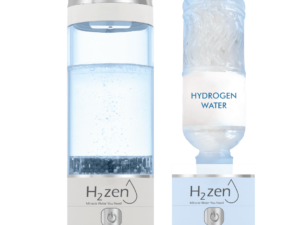
Molecular hydrogen is H2 dissolved into drinking liquid. It can come from single‑use tablets, portable electrolysis bottles, or countertop generators. Some devices use proton exchange membrane (PEM) tech to separate oxygen and raise purity.
- Tablets: fast, portable, consistent burst.
- Bottles/devices: reusable, variable ppm, higher cost.
- Fresh consumption is best — the gas dissipates over time.
Why this gas is different from other antioxidants
Molecular hydrogen is a tiny, neutral molecule that moves rapidly through tissues. That physical property makes its antioxidant actions distinct from larger antioxidant molecules. Researchers track dose in mL/day and ppm when comparing results across studies.
| Format | Typical ppm | Pros | Cons |
|---|---|---|---|
| Single‑use tablets | ~1.0–1.5 | Portable, low maintenance | Single dose limits |
| Electrolysis bottle | 1.2–3.0 | On‑the‑go and reusable | Battery upkeep |
| Countertop generator (PEM) | Up to 5.9 | Higher, purer levels | Higher cost and space |
Practical note: For help choosing tablets, bottles, or devices in Malaysia, Wellness Group can advise via WhatsApp at +60123822655 during business hours.
How Hydrogen Water Helps with Chronic Fatigue
Recent pilot work and reviews suggest a modest biological signal that may support daily energy in some people. Researchers focus on two main pathways: reducing oxidative stress and supporting short‑term energy pathways that matter for light activity.
Targeting oxidative stress and harmful free radicals
Molecular hydrogen is proposed to act as a selective antioxidant that may neutralize specific free radicals. This could ease cellular stress and lower markers linked to tiredness after exertion.
“Some trials report improved antioxidant capacity and reduced sympathetic drive after controlled intake over weeks.”
Potential support for energy production and performance
Small studies noted better perceived energy and slight gains in peak oxygen uptake after higher‑ppm protocols. Benefits tend to be modest and vary by concentration, dose, and consistency.
- Adjunct role: Users treat it as a complement to sleep, pacing, and hydration, not a replacement treatment.
- Timing: Fresh consumption before or after light activity is common to support recovery windows.
- Consistency: Effects often emerge over weeks rather than immediately.
| Reported effect | Study clue | Practical note |
|---|---|---|
| Antioxidant capacity | Improved after exercise in pilot studies | May aid post‑activity recovery |
| Autonomic balance | Mood and HRV shifts after 4 weeks (600 mL/day) | Could support steadier daytime energy |
| Aerobic markers | Peak VO2 rose in short trials at 5.9 ppm | Findings in healthy people; results vary |
Readers in Malaysia can chat with Wellness Group on WhatsApp at +60123822655 for simple routines that fit local schedules and to discuss safety alongside current treatment plans.
The science at a glance: oxidative stress, inflammation, and energy
A compact body of research maps how oxidative processes and cytokine shifts relate to persistent low energy. Lab work and small trials point to two linked pathways: damage from free radicals and immune signaling that can change mood and capacity.
From free radicals to symptoms: connecting the dots
Oxidative stress can harm membranes, proteins, and mitochondria. That damage may help explain why exertion often worsens symptoms in the syndrome.
Antioxidant and anti-inflammatory roles highlighted in studies
Preclinical work at ~1.0–1.2 ppm reported endurance gains and lower cytokines (TNF-α, IL-1β, IL-6). Small human trials showed reduced sympathetic drive after 600 mL/day for four weeks and higher peak oxygen uptake after short, higher‑ppm protocols.
“Early findings suggest changes in blood markers and autonomic balance, but results vary by levels, dose, and individual stress.”
- Antioxidant action may limit cellular damage.
- Anti-inflammatory signals in animals hint at broader systemic effects.
- Human studies offer mood and capacity signals, not definitive proof.
Practical note: For lay summaries and local guidance in Malaysia, Wellness Group can share study highlights via WhatsApp at +60123822655 during business hours.
What research suggests: key findings from animal and human studies
Preclinical data and pilot human studies point to measurable shifts in endurance, markers, and mood.
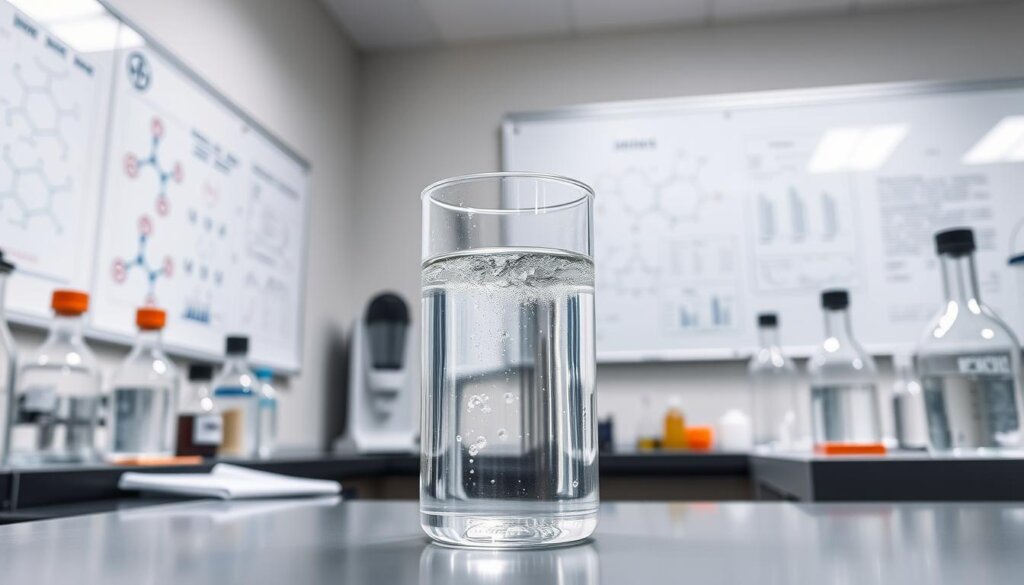
Animal data: endurance, lactate, glucose, and cytokine shifts
In a 4‑week forced‑swim mouse model, 1.0–1.2 ppm intake raised endurance capacity and changed blood glucose and lactate levels after weeks.
Researchers also reported lower serum NO, higher GPx, and cytokine shifts — lower TNF‑α, IL‑6, IL‑17 and altered liver IL‑1β. Liver glycogen rose and LDH patterns changed, suggesting improved energy reserves.
Human insights: exercise fatigue, mood, HRV, and microcirculation
Small human work includes an online trial by Fred Friedberg and a Japanese double‑blind study showing reduced sympathetic activity and anxiety after 600 mL/day for four weeks.
Other short protocols (5.9 ppm for two weeks) increased peak oxygen intake in healthy volunteers. Microcirculation improvements and modest performance gains are reported but variable.
What remains uncertain and needs more trials
“Promising signals exist, but months‑long outcomes in patients are not established.”
The main limits are small sample sizes, varied ppm and dosing, and mixed participant types. Larger, controlled study work is needed to define who benefits, ideal levels, and real‑world effects.
For copies of study summaries and product guidance, contact Wellness Group on WhatsApp +60123822655 during open hours.
Mitochondrial function and fatigue: where hydrogen may fit
Cellular powerhouses determine much of a person’s daytime capacity, so preserving their function matters.
Mitochondria drive ATP production and are sensitive to oxidative stress that can damage membranes and slow work. Researchers suggest molecular hydrogen can reach these sites and act as a selective antioxidant near mitochondria.
Early lab and small human data propose a role for hydrogen in stabilizing energy output. Some studies report modest increases in aerobic performance and perceived energy, but results vary by group and dose.
Practical points: pair modest hydrogen water intake with pacing, adequate protein, and micronutrients to support liver and muscle energy stores. Many people time a serving near light activity to aid recovery and perceived stamina.
“Any increase in capacity is likely modest and gradual, appearing over weeks rather than instantly.”
To align intake with daily goals, message Wellness Group at +60123822655 during business hours for tailored, local advice.
Hydrogen water vs hydrogen gas inhalation: what’s the difference?
Choosing between drinking dissolved H2 and breathing pure gas boils down to goals, time, and budget.
Delivery methods, concentrations, and speed of effect
Drinking dissolved H2 typically delivers about 1–6 ppm per serving. Tablets and portable generators fit daily routines and allow frequent sips through the day.
Inhalation uses dedicated devices and can supply high‑flow gas (for example ~1000 mL/min) with PEM systems that separate hydrogen and oxygen for high purity. This yields faster systemic exposure in a shorter session.
When each approach may be appropriate
- Quick sessions: gas inhalation suits users who want faster exposure during a set time.
- Routine use: water-based options work well for on‑the‑go intake and steady daily patterns.
- Dual needs: some systems offer both inhalation and high‑ppm water for flexibility.
| Mode | Typical output | User fit |
|---|---|---|
| Drinkable | 1–6 ppm | Portable, low downtime |
| Inhalation | High purity gas | Session-based, faster exposure |
| Dual-mode | Variable | Flexible but costlier |
Practical note: Effects vary by dose, session length, and sensitivity. Those with breathing issues should consult a clinician before any gas therapy. For comparisons tailored to lifestyle and budget, contact Wellness Group on WhatsApp +60123822655 during open hours.
Everyday use: building a simple hydrogen routine
A clear, short plan helps people test dissolved H2 in a way that fits work, family, and local rhythms. Start small, note changes, and keep intake fresh since the gas fades over time.
Frequency, timing, and pairing with hydration
Many begin with two to three servings per day. Small human trials used about 600 mL/day for four weeks, so that can be a practical target to try.
Try morning for alertness, a pre- or post-activity serving for recovery, and an early evening drink if it suits sleep. Pair servings with regular water intake to support overall hydration and autonomic balance.
Lifestyle add-ons: sleep, stress, and gentle activity
Consistency every day helps users notice subtle shifts in energy and recovery from common activities. Keep a brief diary of perceived tiredness across the day to fine-tune timing and volume.
Combine intake with sleep hygiene, short walks, and gentle stretching to reduce load on the system. Adjust routines slowly — steady changes work better than abrupt jumps.
- If using tablets, mix just before drinking; with devices, plan quick cycles and drink promptly.
- Those using inhalation can add short sessions during quiet time to complement drinking intake.
- Always align any routine with a clinician, especially when taking medicines.
For an easy plan that fits Malaysian life, message Wellness Group on WhatsApp at +60123822655 during business hours. For related sleep and routine tips visit sleep and routine tips.
What to expect over days, weeks, and months
Early user notes and clinical signals can differ, so expectations should be grounded in small, gradual changes. Short-term impressions often focus on recovery after activity rather than a dramatic rise in daily stamina.
Short-term changes: perceived energy and post-activity recovery
In the first days, some notice lighter post-activity soreness and faster recovery after walks or chores. Others need more time before any shift is clear.
Medium-term markers: exercise tolerance and mood
Over weeks, limited studies found mood and autonomic balance shifts after about four weeks at roughly 600 mL/day. Small trials also reported an increase in peak oxygen uptake over two weeks at higher ppm levels in healthy people.
Longer-term goals: consistency and tracking progress
By one to two months, consistency tends to determine whether benefits persist or plateau. Track simple measures: stair-climb ease, time on focused tasks, step counts, and sleep quality.
- Track: recovery time after light exertion and perceived energy across the day.
- Adjust: if gains stall, revisit timing, ppm levels, or serving frequency with a professional.
- Pace: avoid overreaching on good days to protect steady capacity increases.
For check-in support and routine tweaks, message Wellness Group on WhatsApp at +60123822655 during business hours.
Safety, side effects, and who should be cautious
Practical safety advice helps patients match a new routine to existing treatments and conditions.
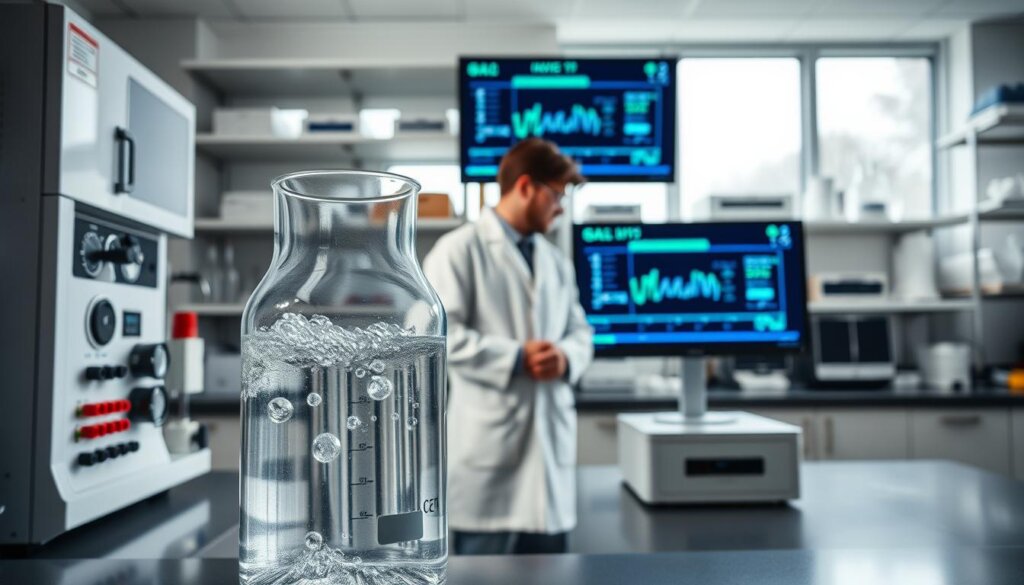
What studies report: Small trials find dissolved hydrogen generally well tolerated and note mood and autonomic gains after 600 mL/day for four weeks. Comprehensive safety data remain limited, so caution is sensible.
“Start low, observe response, and coordinate use alongside any prescribed medicine or treatment.”
Who should be cautious: people with cardiovascular, renal, or respiratory disease, pregnant or nursing individuals, and anyone on complex drug regimens should consult their clinician first.
- Most reports show mild effects only, such as changes in digestion or hydration when extra water intake occurs.
- Stop use and seek care if unusual symptoms or blood changes appear.
- Consider fluid or sodium restrictions before increasing daily intake.
| Issue | What a study shows | Practical advice |
|---|---|---|
| Tolerability | Generally well tolerated in small trials | Begin with small servings and track response |
| Interactions | No major blood effects reported but data sparse | Discuss with a doctor if on medicine |
| Specific conditions | Limited data for chronic disease | Coordinate with care team |
| Expectations | Modest, variable benefits for fatigue and mood | Use as a complement, not replacement for treatment |
Practical note: For safety questions and coordination with current treatments, contact Wellness Group via WhatsApp +60123822655 during business hours.
Choosing hydrogen water options: tablets, bottles, and devices
Practical choices—tablets, bottles or home units—determine dose, cost, and upkeep. Readers should match product features to daily routines and budget before testing a protocol. Freshly prepared servings and clear ppm targets matter most for real-world results.
Key specs to watch: hydrogen concentration and purity
ppm or ppb tells how much gas is dissolved. Tablets give a quick burst; generators can hit higher levels and hold them briefly. Look for units that note separation of oxygen to raise purity.
Quality, maintenance, and cost considerations
Durability and testing influence long-term value. Check for third‑party lab results, food‑grade parts, and service plans. Filters, descaling, and replacement parts add to lifetime cost.
- Tablets: portable, low upfront cost; drink immediately after fizz ends.
- Electrolysis/PEM units: higher purity, on‑demand production, more upkeep.
- Dual‑mode systems: flexible but pricier; they may support inhalation and drinking.
| Format | Typical output | Main trade‑off |
|---|---|---|
| Tablet | ~1.0–1.5 ppm | Cheap, portable; single use |
| Portable bottle | 1.2–3.0 ppm | Reusable, moderate upkeep |
| Countertop/PEM | Up to ~5.9 ppm (6000 ppb claims) | Higher cost, requires service |
People tracking glucose, liver or blood values should discuss any routine change with a clinician. For side‑by‑side product comparisons and local availability, WhatsApp Wellness Group at +60123822655 during posted hours.
Where the evidence is heading: ongoing trials and future questions
Researchers are designing multi-centre trials to answer practical questions about dose, delivery, and lasting benefit. Interest now links Stony Brook work and international teams that propose new research paths for patients who report long-term low energy.
Key gaps include optimal ppm, daily volume, and whether effects differ between healthy volunteers and those with disease. Small studies have tested 8–10 week mixes of hydrogen water and biofeedback, but larger work over months is needed to confirm early signals.
Priority questions:
- Standardised protocols: longer trials that track HRV, microcirculation, and inflammatory markers.
- Delivery comparison: direct studies of water versus gas to define timing and role for each method.
- Combined approaches: whether adding pacing or autonomic training boosts treatment effects.
“Multi-centre, adequately powered trials remain the key next step to move from pilot promise to practical guidance.”
Safety tracking must run alongside efficacy measures to catch rare events and interactions with medicine. Patient-centered endpoints — return-to-activities and quality of life — are as important as lab signals.
Collaboration between clinics and Malaysian community groups could speed recruitment and relevance. For updates on local studies or device news, message Wellness Group on WhatsApp at +60123822655 during business hours. Readers can also explore related topics like hydrogen water for joint flexibility for practical context.
Wellness Group’s friendly support in Malaysia
Wellness Group provides local, practical support so people can try new routines safely. The team speaks plainly and helps patients plan small steps that suit work, family, and prayer schedules.
Personalized guidance for daily routines
They help compare hydrogen water formats, set ppm targets, and map simple servings across the day. Advice covers pacing, pairing servings with plain water, and how to protect energy for core activities.
Quick contact and product options
WhatsApp +60123822655 connects you to product availability, starter kits, and safe-use pointers during business hours: Monday–Friday 9:30 am–6:30 pm; Saturday–Sunday 10 am–5 pm.
- Jargon-free explanations that fit busy routines.
- Safety checks and coordination with existing therapy or clinicians.
- Follow-ups to track progress and tweak plans.
- Options for inhalation sessions and comfort features, if desired.
“This article’s insights become actionable with local, practical advice from Wellness Group.”
Visit or message Wellness Group
If readers want direct, local support, Wellness Group can answer product choices and timing in real time. The team helps people in Malaysia turn study details into a short plan that fits work and family obligations.
Business hours
Monday–Friday 9:30 am–6:30 pm; Saturday–Sunday 10 am–5 pm. Reach Wellness Group on WhatsApp at +60123822655 during these hours for quick answers.
What they do for you
- Explain the key difference between dissolved hydrogen and hydrogen gas inhalation and when each might suit your routine.
- Show how to use devices or tablets correctly and how to time servings through the day and time of activity.
- Describe oxygen/hydrogen separation in PEM units and what that means for purity and upkeep.
- Compare portability, service needs, and cost so readers choose confidently.
- Offer starter steps to test tolerance, then refine frequency and use for steady results.
- Summarize this article into a personal plan you can follow, by message or in person.
“A brief chat often clears product questions faster than specs alone.”
Conclusion
Conclusion
The practical takeaway is that modest, repeatable changes—if any—appear over weeks to months and need careful tracking.
Early animal work at ~1.0–1.2 ppm and small human trials show promising effects hydrogen water may have on oxidative stress and inflammation, and they hint at mood and autonomic shifts. These signals support further research but do not confirm treatment outcomes for every person with chronic fatigue.
Users often pair a steady routine with pacing, sleep care, and nutrition. Monitoring simple markers—stair ease, sleep, and post‑activity recovery—helps personalize servings and timing.
Safety in small studies looks favorable, yet coordination with medicine and clinicians is wise. For practical next steps and product comparisons in Malaysia, WhatsApp Wellness Group at +60123822655 during business hours: Mon–Fri 9:30 am–6:30 pm; Sat–Sun 10 am–5 pm.
FAQ
What signs suggest someone is experiencing persistent tiredness rather than normal sleepiness?
Persistent tiredness shows up as ongoing low energy that affects daily tasks, slowed thinking, muscle weakness after light activity, and disrupted sleep patterns. They may also notice reduced exercise tolerance and frequent need for naps despite adequate sleep.
Can a drink infused with molecular hydrogen reduce oxidative stress linked to fatigue?
Evidence indicates that molecular hydrogen can act as a selective antioxidant, neutralizing certain harmful free radicals and lowering markers of oxidative stress in blood. That effect may support cellular health and recovery after exertion, which in turn can ease feelings of exhaustion for some people.
How does molecular hydrogen in liquid form differ from breathing hydrogen gas?
Drinking hydrogen-rich fluid delivers dissolved gas at lower concentrations over time, while inhalation provides higher levels quickly to the lungs and bloodstream. Each method has trade-offs: oral use is convenient and safe for daily routines, whereas inhalation can achieve faster, higher-dose exposure in clinical settings.
How soon might someone notice benefits from regular use?
Some users report short-term improvements in perceived recovery and energy within days, especially after exercise. More measurable changes in endurance, mood, or physiological markers usually appear over weeks to months when use is consistent alongside lifestyle measures.
Are there safety concerns or side effects to expect?
Molecular hydrogen has a strong safety record in studies and is generally well tolerated. Rarely, some people may notice mild digestive changes. Those who are pregnant, breastfeeding, or taking complex medical treatments should consult a clinician before starting any new supplement or therapy.
What should people look for when choosing tablets, bottled options, or devices?
Key factors include validated hydrogen concentration (ppm), purity of the base water, transparent lab testing, and reliable device maintenance. Consider cost per dose, ease of use, and customer support when comparing brands or models.
Can this approach replace standard care for fatigue-related conditions?
No. It is an adjunctive strategy that may complement sleep hygiene, graded activity, nutrition, and medical treatment. People with diagnosed conditions such as chronic fatigue syndrome, autoimmune disease, or major depression should follow their healthcare provider’s plan.
Is there solid scientific backing for benefits in humans?
Research includes promising animal studies and human trials showing improvements in exercise recovery, microcirculation, heart rate variability, and some mood markers. However, larger clinical trials are needed to confirm effects specifically for chronic fatigue in diverse populations.
How might occasional use differ from an everyday routine?
Occasional use may aid short-term recovery after intense activity, but regular daily intake better supports cumulative antioxidant and anti-inflammatory effects. Consistency, paired with hydration and lifestyle habits, yields the most reliable outcomes.
How does this approach interact with sleep, stress management, and light exercise?
When combined with good sleep hygiene, stress reduction, and gentle physical activity, dissolved molecular gas may enhance recovery and help sustain energy. It does not replace behavioral measures but can act as a supportive element in a broader wellness plan.
What remains uncertain about long-term outcomes?
Open questions include optimal dosing schedules, long-term safety in diverse groups, and the degree of benefit for specific fatigue disorders. Ongoing trials aim to clarify these points and define which patients are most likely to respond.
Who should contact Wellness Group for personalized guidance in Malaysia?
Anyone seeking tailored advice on daily routines, device selection, or how to pair dissolved molecular gas use with medical care can reach Wellness Group. They provide practical support for integrating this option safely into everyday life.