Surprising fact: trials suggest small doses of molecular hydrogen can signal antioxidant and anti-inflammatory effects in humans, yet heat drives most of that gas away.
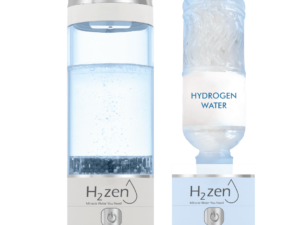
Hydrogen water is regular water infused with dissolved H2 gas. It acts like plain water but carries extra molecular hydrogen that may offer mild health signals in some studies.
Yes, it can be used in the kitchen, but high heat reduces dissolved gas and likely lowers any antioxidant benefit. Simple steps keep more gas: low-heat methods, add near the end of cooking, or use it for no-heat drinks and dressings.
Malaysia’s warm, humid climate makes timing and storage important for families and active people. Wellness Group offers local guidance; readers may reach WhatsApp +60123822655 during business hours: Mon–Fri 9:30 am–6:30 pm, Sat–Sun 10 am–5 pm.
Key Takeaways
- Hydrogen water is regular water enhanced by dissolved molecular hydrogen.
- High heat makes most of the gas escape, so technique matters.
- Prefer no-heat or low-heat uses, and add at the end when possible.
- Local climate in Malaysia affects storage and timing choices.
- Wellness Group can provide Malaysia-specific tips via WhatsApp.
What is hydrogen water and why people in Malaysia are talking about it
Molecular hydrogen added to regular water produces a hydrogen-rich drink that is simply plain water holding dissolved H2 gas. It is made by dissolving molecular hydrogen gas, often under pressure, to create a mildly enriched liquid.
Why it matters locally: Malaysians who exercise outdoors or face hot, humid days value quick, taste-neutral options that may aid recovery and hydration.
What current studies suggest
Early human studies and small trials report encouraging signals. Researchers note possible improvements in markers of oxidative stress, some inflammatory biomarkers, lipid profiles, and endothelial function.
“Molecular hydrogen seems to act as a selective antioxidant and to influence signaling pathways such as Nrf2.”
- It may neutralize certain free radicals and modulate cell signals.
- Molecular hydrogen is tiny and diffuses out of water over time, so handling matters.
- Think of it as a modest complementary approach, not a cure-all.
| Feature | What studies show | Practical note |
|---|---|---|
| Oxidative stress | Reduced markers in small trials | May help post-exercise recovery |
| Inflammation | Mixed but promising signals | More large trials needed |
| Stability | Gas escapes over time | Keep sealed and use soon |
For local advice and simple guidance on products or use, readers in Malaysia can contact Wellness Group on WhatsApp at +60123822655 during business hours.
Can you cook with hydrogen water?
Heat is the main enemy: short, cold, or finish-stage uses keep more dissolved gas than long simmering.
Short answer: it is possible to use hydrogen water in the kitchen, but high temperatures drive dissolved hydrogen out quickly. Long boils or slow simmering will remove much of the gas and likely reduce any antioxidant effects.
Practical choices work best. Use chilled beverages, dressings, or last-minute splashes off the heat. These keep more of the molecular hydrogen intact and deliver the intended benefits to the plate or glass.
When to use regular water instead
- Rice, long-simmered stews, and boiling noodles: use regular water.
- Short finishes, chilled soups, and smoothies: use hydrogen water to preserve effects.
- If a recipe needs prolonged heat, add a splash after cooking to retain dissolved gas.
“Most studies focus on drinking rather than high-heat cooking, so apply kitchen common sense.”
| Method | Effect on dissolved gas | Practical tip |
|---|---|---|
| Boiling/long simmer | Major loss | Use regular water |
| Low-heat finish | Moderate retention | Add off heat |
| No-heat (drinks, dressings) | High retention | Best use for benefits |
For personalized kitchen tips in Malaysia, message Wellness Group on WhatsApp at +60123822655 during business hours.
How heat affects molecular hydrogen and antioxidant potential
When liquids warm, light gases leave first — that simple physics shapes any antioxidant effect at serving time.
Volatility of gas: why high temperatures drive H2 out
Hydrogen is very light and volatile. Heat speeds diffusion, so dissolved molecules escape from the liquid fast.
Low-heat, no-heat, and last-minute uses that preserve gas
Retention-friendly methods include chilled drinks, cold dressings, and adding hydrogen water after cooking but before serving.
- Warm, not boiling, when gentle heat is needed.
- Add off heat as a finishing splash to keep more gas at the table.
- Short exposure and sealed storage slow losses of dissolved levels.
What research shows — promising but not settled
Human studies and small trials report shifts in markers tied to oxidative stress and inflammation. However, larger research is needed to confirm effects and mechanisms.
“The hotter and longer the exposure, the faster hydrogen escapes; the cooler and shorter, the better.”
For guidance on preparation methods that fit local routines, contact Wellness Group at +60123822655 during business hours.
Practical kitchen rules to get the most from hydrogen water
A few practical rules help preserve dissolved levels when using enriched water in recipes. These steps keep more of the gas intact and make it easier to enjoy any potential antioxidant signals during serving.
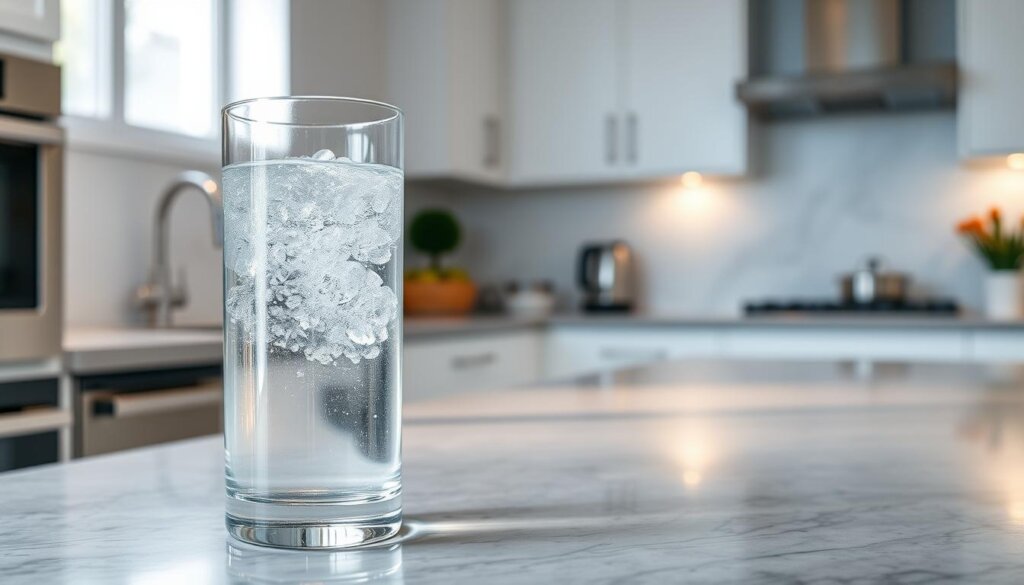
Use chilled or room-temperature prep to limit hydrogen loss
Keep bottles sealed and cold until the moment of use. Cold storage slows diffusion and helps retain dissolved gas compared with warm kitchen air.
Add hydrogen water at the end rather than during prolonged cooking
For hot dishes, add a small splash off the heat just before serving. That strategy preserves more of the gas than adding it during boiling or long simmers.
Pair with vitamin- and mineral-rich foods to support nutrient uptake
Choose nutrient-dense pairings: leafy greens, citrus, and legumes complement finishing uses and help build a balanced meal.
- Use regular water for long boils and stews; save enriched water for finishing, mixing, and cold steps.
- Mix into dressings, dips, and smoothies shortly before serving to minimize gas loss.
- Store sealed, open close to serving time, and make small batches in warm Malaysian kitchens.
“Treat enriched water as a finishing touch that complements good ingredients and balanced nutrition.”
Need tailored kitchen tips? WhatsApp Wellness Group at +60123822655 during business hours for Malaysia-specific advice.
No-heat and low-heat ways to use hydrogen water at home
Short, cool steps help keep dissolved gas and give simple, everyday lifts to meals.
Cold beverages, smoothies, and infused drinks
Use sealed cans or a generator and pour at serving time to protect dissolved gas. Try icy spritzers with lime or mint straight from the container for best retention.
For smoothies, blend fruits and greens first. Then add a small pour of hydrogen water and pulse briefly to keep bubbles and body.
Salads, dressings, and chilled soups
Whisk extra-virgin olive oil, citrus, herbs, and a splash of hydrogen water just before tossing. Chilled soups such as cucumber or tomato-lime benefit from a last-minute addition.
Steamed or gently warmed dishes finished with a splash
Steam vegetables lightly using regular water. On the plate, finish with a tablespoon or two of hydrogen and a zest of citrus for brightness.
“Open and pour immediately; immediate consumption preserves more dissolved levels and subtle antioxidant signals.”
| Use | Heat level | Practical tip |
|---|---|---|
| Icy spritzers | No-heat | Pour from sealed can at serving |
| Smoothies | Minimal heat | Add last and pulse briefly |
| Steamed veg | Low-heat finish | Finish on plate with splash |
For simple recipes that fit a busy schedule, message +60123822655 (Wellness Group).
Smart swaps: where regular water is fine and where hydrogen water helps
Choose swaps that save effort and preserve dissolved molecules rather than wasting enriched bottles on high-heat tasks.
Boiling rice, soups, and long stews: better with regular water
Use regular water for any long, rolling pot. Rice, noodle boils, broth and long stews lose dissolved gas fast under high heat.
Rinsing produce, soaking grains post-cook, and mixing sauces: use hydrogen water
Reserve hydrogen water for quick contact and finishing steps. Short exposure and cool temps keep more dissolved hydrogen and the small potential benefits.
- Use regular water for long, bubbling pots—rice, noodles, and stews; hydrogen won’t remain after prolonged heat.
- Stir a splash of hydrogen water into sauces off heat or thin gravy just before serving to keep more molecules.
- Rinse herbs and delicate greens with hydrogen water right before plating to maximise contact time.
- Soak cooked grains briefly in a little hydrogen water as they cool to add moisture without heat.
- Whisk into yogurt-based dressings, tahini, or nut dips moments before serving for a lighter texture.
- For hawker-style plates at home, keep a sealed bottle cold and open only when finishing portions.
“Short exposure and cool temperatures are your allies in keeping more dissolved hydrogen.”
Practical tip: build a personal map of swaps to avoid wasting enriched bottles on tasks that offer no benefit. For a swap checklist or local advice in Malaysia, message Wellness Group on WhatsApp at +60123822655 during business hours.
Hydration, exercise, and recovery: using hydrogen water around activity
In tropical climates, timing fluid intake matters as much as the choice of drink during a sweat-heavy session.
Before and after workouts in hot, humid Malaysian weather
Plan simple windows: a small glass before exercise and another soon after helps support hydration and cooling.
Keep bottles sealed until the moment of use. Open near the start of a session to keep dissolved gas and freshness. Carry a portable option to the gym or park and drink promptly.
Linking oxidative stress, fatigue, and timing your intake
Human studies show mixed but encouraging signals for reduced markers tied to oxidative stress and perceived fatigue after short-term use around exercise.
Pre-exercise intake may aid perceived effort and some performance measures. Post-exercise drinking fits the recovery window when the body handles lactate, thermal load, and fluid balance.
“Trial timing across sessions and log how one feels; effects vary by fitness and session intensity.”
| Timing | Benefit | Practical tip |
|---|---|---|
| Pre-exercise | May lower fatigue | Drink 10–20 minutes before |
| Post-exercise | Supports recovery | Consume within 30 minutes after |
| Short sessions | Better retention of gas | Use sealed bottles; avoid long exposure |
For activity-specific routines and Malaysia-friendly tips, message Wellness Group at +60123822655.
Safety, research status, and setting realistic expectations
Research offers early optimism, but rigour and scale are still required to confirm real-world value.
What human studies indicate and why more trials matter
Multiple small studies report shifts in markers linked to oxidative stress and inflammation. Trial data suggest modest effects on exercise capacity, metabolic markers, endothelial function, lipid profiles, and recovery from fatigue.
However, many trials are limited in size and method. Larger, rigorous research is needed to show clear, repeatable health benefits and to explain how cells respond over time.
Who should consult a clinician before use
Seek medical advice if someone has chronic illness, is pregnant or breastfeeding, or takes multiple medications. Interactions are not well studied, so personalised guidance is prudent.
“Treat hydrogen water as a complementary step, not a medical treatment.”
- Expect subtle support rather than cures.
- Monitor energy, recovery, and digestion over weeks.
- Keep bottles sealed, avoid heat, and follow a simple routine.
| Topic | What studies show | Practical note |
|---|---|---|
| Biomarkers | Promising shifts | Treat as complementary |
| Safety | Well tolerated in trials | Consult clinician if on meds |
| Handling | Levels fall with heat/time | Store sealed; use soon |
For general guidance in Malaysia, WhatsApp Wellness Group at +60123822655 before changing routines.
Buying, generating, and storing hydrogen water for kitchen use
How one buys and stores enriched water determines whether its dissolved levels arrive intact for finishing dishes.
Options at a glance: electrolysis generators make on-demand liquid and suit frequent home use. Tablets are portable and cost-per-use friendly. Sealed cans or bottles arrive ready and hold levels until opened.
Generators, tablets, and canned options: pros and cons
Generators provide fresh solution but require upfront cost and immediate use. Tablets are flexible for travel and small kitchens. Cans are simplest—sealed packaging preserves molecules until opening.
Shelf life and storage: keep sealed, use soon after opening
Hydrogen escapes over time. Store containers cool and capped. After opening, finish quickly to preserve dissolved levels.
“Buy sizes you can finish quickly and produce only what will be used within a short window.”
| Type | Pros | Cons |
|---|---|---|
| Generator | Fresh on demand, low waste | Higher upfront cost, short use window |
| Tablets | Portable, affordable per dose | Variable concentration, packaging waste |
| Cans/Bottles | Convenient, sealed retention | Single-use cost, carry weight |
For product advice that suits budget and kitchen needs in Malaysia, message Wellness Group at +60123822655.
Step-by-step: how to integrate hydrogen water into your meals
Small timing moves make a big difference. Start the day with a simple glass that fits into an existing routine and keeps handling time short.
Morning to evening routine ideas that fit a busy schedule
Morning: drink a sealed glass on waking and finish within minutes to keep levels steady.
Breakfast: prepare food first, open the bottle last, and add a small pour to a smoothie or sip alongside.
Midday: swap a soda for a chilled glass. Whisk dressings just before tossing to preserve dissolved molecules.
Activity windows: take a pre-activity drink 20–30 minutes before. Open another immediately after finishing to support recovery.
Evening: enjoy a small room-temperature glass as a wind-down. Avoid heating the bottle.
Simple prep sequences that preserve hydrogen
Stage ingredients, then open the sealed bottle only when ready to serve. Assemble fast and serve immediately.
Make smaller portions so opened containers finish quickly. Track how timing affects energy, recovery, or comfort.
“Treat brief, no-heat finishes and quick pours as the best way to keep dissolved levels.”
| Meal moment | Action | Practical tip |
|---|---|---|
| Morning | Sealed glass on waking | Drink within minutes |
| Pre/Post activity | Small pours around exercise | Open near consumption |
| Cooking finish | Finish off heat | Add a splash before serving |
For a tailored day plan, WhatsApp Wellness Group at +60123822655.
Malaysia-friendly ideas: local flavors, climate, and lifestyle
Small handling choices let local ingredients shine while protecting dissolved gas until the moment of tasting.
Chilled spritzers, post-run blends, and sambal-friendly dips
Use cool finishes to keep more dissolved molecules at the table. A chilled limau spritzer works well: squeeze lime, add ice, then top with hydrogen water right before serving.
For recovery after a run, blend frozen banana, pineapple, and greens. Add a small pour of hydrogen water and pulse briefly to preserve bubbles and body.
Adjust sambal-adjacent dips off heat by thinning with a splash. This keeps texture light and avoids heating that drives gas away.
Tips for Ramadan, hawker dining, and weekend hikes
Plan for timing: drink a glass at iftar to support hydration, and another before dawn at sahur as part of a balanced meal.
At hawker stalls, keep a sealed can in a cooler bag and open when seated. For hikes, pack sealed bottles and open them at rest stops for immediate consumption.
- Revive grilled veg by tossing with herbs, citrus, and a small splash before serving.
- Swap a sugary drink for a chilled glass this afternoon to support hydration and mild energy.
- Finish fruit bowls of calamansi, mango, or papaya with a light pour for a fresh twist.
“No-heat uses and immediate consumption preserve dissolved levels—ideal for chilled drinks, dips, and finishing dishes.”
| Use | Why it helps | Practical tip |
|---|---|---|
| Limau spritzer | High retention at no-heat | Top at serving time |
| Post-run smoothie | Quick recovery support | Add last and pulse |
| Sambal dips | Improves texture off heat | Splash to thin before serving |
For Malaysia-specific recipes and tips about the benefits hydrogen water and handling of molecular hydrogen, contact Wellness Group at +60123822655 today.
Talk to Wellness Group for personalized guidance
Personalised plans help families and active people use small, immediate portions and low-heat methods effectively. Wellness Group offers quick, friendly support to match formats and routines to Malaysian life.
WhatsApp Wellness Group at +60123822655. Message today for fast answers on formats—generators, tablets, or sealed cans—and which solution fits a kitchen, budget, and schedule.
Business hours: Mon–Fri 9:30 am–6:30 pm; Sat–Sun 10 am–5 pm. They reply during these times to help plan easy, repeatable steps.
- Ask recipe and routine questions for quick, friendly suggestions.
- Get a simple checklist of where hydrogen water offers the most benefits in daily meals.
- Receive timing tweaks for workouts, commutes, and family dinners in Malaysia’s heat.
- Troubleshoot storage and handling to keep more molecular hydrogen in each serving.
- Build a weekly plan to reduce waste and cost while testing what works long term.
“Smart kitchen technique is the heart of getting value from enriched water.”
If a reader wants tailored advice based on climate exposure, cooking habits, or recent studies, Wellness Group is ready to help refine a practical, sustainable routine.
Conclusion
In short, small handling choices make the biggest difference to retention and real-world benefit. Heat and time drive dissolved hydrogen out, so use chilled, last‑minute pours and no‑heat finishes to protect antioxidant signals. Keep expectations practical: early studies and research show promising shifts in oxidative stress and inflammation markers, but results vary by person and routine.
,Start small—try a morning glass, pre/post‑activity sips, or a splash on salads—and track energy, recovery, and comfort over weeks. Choose sealed or on‑demand formats that suit Malaysian heat and lifestyle. For tailored tips and product advice, message Wellness Group on WhatsApp at +60123822655 during business hours.
FAQ
What is hydrogen water and why are people in Malaysia talking about it?
It refers to regular water infused with molecular hydrogen gas. Interest in Malaysia comes from early research suggesting potential antioxidant and anti-inflammatory effects, plus local marketers offering generators, tablets, and ready-to-drink cans tailored to humid, hot climates.
What do current studies suggest about antioxidant and anti-inflammatory effects?
Small human and animal studies report reduced markers of oxidative stress and inflammation, and some show improved recovery after exercise. Evidence remains limited and mixed; larger, longer trials are needed to confirm clear health benefits and effective dosing.
Can one cook with hydrogen water?
Yes for some methods, but heat reduces dissolved molecular hydrogen quickly. Low- and no-heat preparations keep more dissolved gas, while prolonged boiling or high-temperature cooking drives the gas out and undermines any intended antioxidant effect.
When does cooking make sense and when does it defeat the purpose?
Use the infused liquid for cold or gently warmed finishes, dressings, and post-cook splashes. Avoid using it as the primary liquid for long boils, pressure cooking, or any technique that keeps food at high heat, since hydrogen escapes rapidly at elevated temperatures.
How does heat affect molecular hydrogen and antioxidant potential?
Molecular hydrogen is volatile; high temperatures force it out of solution. That loss reduces any direct antioxidant action the gas might provide, so temperature control matters when trying to preserve dissolved H2 in food or drinks.
What low-heat or no-heat applications preserve dissolved hydrogen?
Cold beverages, smoothies, chilled soups, salads, and dressings retain most of the gas. Steamed dishes finished with a splash just before serving also work. The shorter the exposure to heat and air, the better.
What does research say is promising versus still inconclusive?
Promising signals include reduced exercise-related fatigue and lower oxidative markers in small trials. Inconclusive areas include long-term disease prevention, optimal dose, and consistent clinical outcomes across diverse populations.
What practical kitchen rules maximize benefit from infused water?
Use chilled or room-temperature prep to limit gas loss, add the liquid at the end of cooking, and combine it with vitamin- and mineral-rich ingredients that support nutrient uptake. Store sealed and use soon after opening.
What no-heat and low-heat uses fit everyday home cooking?
Cold beverages, smoothies, infused drinks, salads, dressings, chilled soups, and lightly warmed dishes finished with a splash preserve the most dissolved gas and are easy to add into routines.
Where is regular water fine and where does infused water help?
Regular water is appropriate for boiling rice, long stews, and prolonged cooking. Infused water makes more sense for rinsing produce, soaking grains after cooking, finishing sauces, or making beverages where dissolved gas remains.
How does using infused water tie into hydration, exercise, and recovery?
Some athletes report reduced fatigue and quicker recovery when consuming molecular hydrogen around workouts. Timing—before and after activity—may matter, especially in hot, humid Malaysian conditions where oxidative stress rises with intense exertion.
Is infused water safe and who should consult a clinician?
It appears safe for most people when used as a beverage. Those who are pregnant, breastfeeding, taking medications, or with serious health conditions should check with a clinician before regular use.
What are buying, generating, and storage options for kitchen use?
Options include generators, effervescent tablets, and canned or bottled products. Generators give on-demand concentration control; tablets are portable; canned options are convenient. Keep products sealed, store chilled when possible, and use soon after opening for best effect.
What is the typical shelf life and storage advice?
Shelf life varies by product. Canned or bottled options often list an expiration; generators produce fresh batches that should be consumed promptly. Store sealed containers cool and away from direct sunlight to minimize gas loss.
How can someone integrate infused water into meals across a day?
Start with a chilled beverage or smoothie in the morning, use it for dressings or dips at lunch, sip after workouts, and finish hot dishes with a small splash just before serving. Short prep sequences preserve more dissolved gas.
What Malaysia-friendly recipe ideas work well?
Chilled limau spritzers, post-run recovery smoothies with tropical fruit, sambal-adjacent dips finished cold, and chilled soups or salads suit local flavors and heat. These formats preserve dissolved gas and fit outdoor, Ramadan, and hawker-dining lifestyles.
How can someone get personalized guidance from Wellness Group?
WhatsApp Wellness Group at +60123822655. Business hours: Mon-Fri 9:30 am–6:30 pm; Sat–Sun 10 am–5 pm for tailored advice and product recommendations.