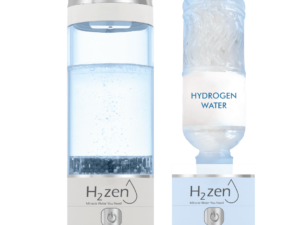
Surprising fact: up to 30% of portable generators report a sharp smell within months if maintenance is skipped, a clear sign many users miss simple care.
This short guide shows why a strange scent can mean dirty electrodes, wrong water choice, or poor gas separation. It also explains quick checks: look for steady bubbles, a lighter mouthfeel, and steady LEDs to confirm proper function.
Simple routines—weekly citric-acid soaks or a 50/50 vinegar deep clean—remove mineral scale without harming parts. Using purified or RO liquid cuts deposits and helps devices last longer in Malaysia’s humid conditions.
Readers will learn safe daily, weekly, and monthly steps to restore clean taste and protect device components. For local help, Wellness Group offers friendly support in Malaysia. WhatsApp: +60123822655. Business hours: Mon–Fri 9:30 am–6:30 pm; Sat–Sun 10 am–5 pm.
Key Takeaways
- Visual bubbles and a light taste mean the unit is working correctly.
- Weekly citric acid soaks or vinegar rinses fix common scale and smells.
- Use purified or RO water to slow deposits in humid climates like Malaysia.
- Ozone or chlorine scents often point to poor gas separation in low-quality models.
- Contact Wellness Group for parts, troubleshooting, or service guidance via WhatsApp.
Understanding search intent: quick fixes for hydrogen water bottle odor today
Most scent issues resolve with a few quick checks and one short maintenance cycle. Start with an immediate rinse using warm, soapy water.
Focus on lids and seals. Wash the mouthpiece, threads, and silicone gaskets to remove trapped residues. Leave parts open to air-dry.
Run a single short hydrogen water cycle with fresh, low-mineral water to flush internal lines. Watch for a steady stream of tiny bubbles—this confirms production.
- Use a mild citric acid mix or a 50/50 vinegar solution for a same-day refresh; run one cycle, then rinse thoroughly.
- Wipe the base and charging port dry to protect electronics and reduce musty smells.
- Avoid harsh chemicals or submerging the electronic base; these can harm components and affect health.
If the taste stays flat or LEDs act irregularly, pause use and schedule a full deep clean. For quick, product-specific help in Malaysia, WhatsApp Wellness Group at +60123822655 during business hours (Mon–Fri 9:30 am–6:30 pm; Sat–Sun 10 am–5 pm).
Why hydrogen water bottles develop odors
Scale, wrong fill choices, and weak internal design commonly cause foul scents. Each factor changes how the electrolysis process works and can trap residues that lead to musty or chemical notes.
Electrode buildup, wrong water type, and bacterial growth
Mineral buildup on electrodes lowers effective output and traps stale or metallic notes in the chamber. Using mineral-rich tap water speeds scale formation and can host organic residues.
Left sitting, liquid allows microbes to grow on seals and threads. This creates sour or earthy smells and can affect health if ignored.
Ozone and chlorine byproducts in low-quality models
In some cheap models, poor gas separation technology lets electrolysis form ozone or chlorine byproducts. That yields a sharp, swimming-pool-like scent.
Signs to watch: flat taste, fewer bubbles, and erratic LEDs often match internal buildup or separation failures.
| Cause | Effect | What to do |
|---|---|---|
| Mineral buildup | Reduced bubbles; metallic smell | Descale weekly; use purified water |
| Bacterial growth | Musty, sour notes | Clean seals; air-dry parts after use |
| Poor gas separation | Ozone/chlorine-like scent | Stop use; contact support; consider higher-quality models |
| Poor materials | Plasticky or metallic off-odors | Inspect components; replace seals; avoid harsh cleaners |
If it’s hard to tell whether the smell is chemical or musty, customers in Malaysia can contact Wellness Group via WhatsApp at +60123822655 during business hours for guidance.
Hydrogen water bottle odor
Different scent notes point to distinct causes—from mineral deposits to trapped gases or microbial buildup.
Is the smell metallic, ozone-like, or musty? What it means
Metallic tang: This often signals mineral scale or plating residue on electrodes. A targeted descaling routine usually restores a neutral taste.
Ozone or chlorine-like scent: Sharp, pool-like notes suggest inadequate gas separation. Stop use and run a deep clean right away.
Musty or sour notes: Damp, earthy smells typically mean microbial growth in seals, threads, or crevices after liquid sits too long. Clean and air-dry parts.
- Sweet or plasticky aromas can point to material interaction; inspect components and use milder cleaners.
- Flat taste with few bubbles often means scale or improper fill choice was used.
- Persistent strong smells after cleaning may hint at internal wear; seek support.
“Noting the odor profile helps decide whether to descale, disinfect, or check model design limits.”
| Smell profile | Likely cause | Immediate action |
|---|---|---|
| Metallic | Mineral scale or electrode wear | Descale with citric acid; repeat if needed |
| Ozone/chlorine-like | Poor gas separation | Stop use; deep clean; contact support |
| Musty/sour | Bacterial growth on seals | Clean lids; air-dry; disinfect if needed |
If readers in Malaysia are unsure, they can share a clear description and recent maintenance steps with Wellness Group on WhatsApp at +60123822655 during business hours for quick guidance on benefits and quality checks.
Safety first: when to stop using the bottle
Stop using the unit immediately if it shows no steady bubble stream, a flat taste, or irregular LEDs. These signs can point to a failing process or electrical fault that risks personal health.
Pause and inspect when any sharp chemical or ozone-like scent appears after a cycle. That smell may mean poor gas separation in low-quality models and should not be ignored.
- Turn the device off if moisture appears near the charging port or inside the base. Dry fully before any use.
- Stop if bubbles do not form, taste is flat, or no pressure release occurs on opening.
- Avoid drinks from a unit that still smells metallic or musty after cleaning; prioritize health.
- If LEDs flash oddly or fail, power down and document symptoms with model and maintenance notes.
| Red flag | Likely issue | Immediate action |
|---|---|---|
| Sharp ozone/chlorine scent | Poor gas separation | Stop use; contact support |
| No bubbles / flat taste | Performance drop | Deep clean; if repeat, seek service |
| Moisture near base | Electrical hazard | Power off; dry; do not use |
“If any red flags appear, get local advice from Wellness Group on WhatsApp at +60123822655 during business hours.”
Choosing a better model can reduce repeat risks and protect benefits for long-term use of hydrogen water devices.
Daily cleaning routine that prevents odors
A quick daily rinse and careful drying stop most scent problems before they start. This short habit keeps parts clean and preserves performance for daily use.

Rinse, mild soap, and careful drying of lids and seals
After each use, empty the bottle and rinse with warm, not hot, water. Wash the lid, mouthpiece, and silicone seals with mild soap using a soft sponge.
Pay attention to threads and crevices where residue hides. Air-dry all components with the lid off to avoid trapped moisture and musty notes.
Protecting the charging port and electronic base
Keep the electronic base and charging port dry. Never submerge the base; wipe it with a lightly damp cloth when needed.
A short flush cycle with fresh water at day end helps clear internal paths. Regular care supports long-term health benefits and product quality.
- Avoid dishwashers and abrasive brushes to protect surfaces and battery contacts.
- Inspect for residue or discoloration and address buildup early.
| Task | Why it matters | Daily action |
|---|---|---|
| Lid & seals | Residue and microbes hide in threads | Wash with mild soap and air-dry |
| Generator base | Electronics must stay dry for safety | Wipe with a damp cloth; no submersion |
| Internal path | Build-up reduces quality and bubbles | Run a short flush cycle with fresh water |
For model-specific care in Malaysia, users can WhatsApp Wellness Group at +60123822655 during business hours for quick advice.
Weekly deep clean: citric acid or vinegar method that works
A short weekly routine removes scale and prevents stubborn buildup. It keeps the unit reliable and tasting neutral in Malaysia’s humid climate.
Citric acid ratio, soak time, and running cycles
Mix about 10 g citric acid in 100 ml of warm water. Let the solution sit for roughly 30 minutes so it loosens deposits around electrodes.
Run one to two short cycles with the lid open. This circulates the solution without trapping pressure. Rinse several times with fresh water until the taste is neutral.
Vinegar alternative and thorough rinsing to remove residues
If citric acid is not available, use a 50/50 vinegar and water mix. Run a short cycle, then rinse repeatedly until no smell remains.
Important: always rinse well to avoid lingering acidity that affects taste.
Common mistakes to avoid during deep cleans
- Never use bleach or harsh solvents; they corrode parts and leave unsafe residues.
- Avoid dishwashers and abrasive brushes that scratch surfaces and trap future buildup.
- Do not submerge the electronic base; wipe it and keep the charge port dry at all times.
“Consistency prevents stubborn deposits and keeps performance steady.”
| Method | Soak time | Best for |
|---|---|---|
| Citric acid | 30 minutes | Mineral scale on electrodes |
| Vinegar mix | Run cycle | Quick descaling when citric acid is unavailable |
| Rinse only | — | Light maintenance after daily use |
Plan this deep clean weekly when using tap water, or less often with purified water. For step-by-step help, message Wellness Group on WhatsApp at +60123822655 during business hours.
Monthly disinfection for long-term freshness
A monthly disinfection step keeps parts fresh and stops microbes from hiding in tight crevices. It also reveals early wear on seals and threads before problems grow.
Disassemble, soft-brush detail, air-dry, and optional UV
Once a month, fully disassemble all removable parts for a detail clean that reaches every odor-prone crevice.
Use a soft brush on threads, seals, and tight corners to lift films that standard rinses miss. If scale is visible, run a citric acid treatment on the generator cell first to expose clean surfaces.
Rinse each part thoroughly and stand components to air-dry—do not reassemble until everything is fully dry. Keep the electronic base and USB port safe from liquids; wipe gently and dry completely.
- Consider a UV sanitizer for lids and seals as an optional chemical-free step to reduce microbes on surfaces.
- Monthly attention supports hygienic drinking and detects worn seals that could trap smells later.
- Where persistent chemical notes exist, review the model’s gas separation technology and consider professional advice.
“A short, regular disassembly protects health and preserves the long-term benefits of the device.”
For Malaysia-based users, Wellness Group can advise on safe disinfecting tools and steps. WhatsApp: +60123822655 (Mon–Fri 9:30 am–6:30 pm; Sat–Sun 10 am–5 pm).
Choose the right water to reduce scale and smells
The source you pour matters: low-mineral options slow deposits and keep tastes neutral.
Purified, filtered, or RO water cuts mineral buildup and lengthens time between deep cleans. Using a distilled or RO option keeps electrodes cleaner and helps preserve device quality.
Mineral-rich tap water leaves more residue. High-alkalinity supplies can speed deposit formation and force more frequent descaling.
Practical tips for better results
- Choose low-mineral, purified water or RO to slow scale formation and keep taste cleaner longer.
- Track how quickly film or buildup appears to set a personal cleaning schedule.
- When unsure, test different sources and compare bubble activity and taste for clear signs of performance.
- Replace household filter cartridges on schedule to preserve benefits and health quality.
“Switching water sources is often the quickest way to reduce recurring smells and protect long-term performance.”
For region-specific guidance in Malaysia, Wellness Group can share local tips and recommended test steps via WhatsApp at +60123822655 during business hours.
Troubleshooting persistent odors after cleaning
If scents persist after a full clean, follow a short, logical checklist to find the true cause before discarding the unit.
Red flags include no visible bubbles, a flat taste, irregular LEDs, or no gentle pressure release on opening. These signs point to deeper issues than surface grime.
No bubbles, flat taste, or irregular LEDs as red flags
After cleaning, run a short test cycle and watch for a steady stream of microbubbles. If bubbles are absent, performance is still compromised.
Check the battery level and cable first—low charge or a faulty lead can cause erratic LEDs and weak output.
When to descale again, replace seals, or contact support
- If taste stays flat, repeat a citric acid or vinegar deep clean and switch to low-mineral water for testing.
- Replace worn seals or gaskets that trap smells or fail to seal snugly.
- Use test drops or measure a negative ORP (about -200 to -400) to confirm the process works.
- Evaluate whether the model’s technology and material quality may cause recurring notes.
Need to know: document symptoms and cycles tried. If issues persist, contact Wellness Group in Malaysia on WhatsApp: +60123822655 (Mon–Fri 9:30 am–6:30 pm; Sat–Sun 10 am–5 pm) for parts, service, or upgrade advice.
How to perform a proper deep clean step by step
Follow a clear process to reach every seal and channel so scale and microbes cannot hide.
Materials checklist and timing for best results
- Gather supplies: citric acid powder, white vinegar, mild dish soap, a soft brush, microfiber cloth, and filtered water.
- Disassemble the bottle: remove lids, seals, and separate the main chamber for individual care.
- Prepare the citric acid mix — 10 g in 100 ml of warm water — and fill to the indicated level. Let it sit for 30 minutes.
- Run 1–2 short cycles with the lid open to circulate the solution, then rinse multiple times until no acidic taste remains. Alternatively, use a 50/50 vinegar and water mix and rinse until neutral.
- Wash lids and seals with mild soap, brush threads and grooves, and rinse thoroughly.
- Wipe the electronic base carefully; never submerge it and keep the charging port dry. Air-dry all parts fully before reassembly.
| Step | Action | Approx. time |
|---|---|---|
| Soak | Citric acid solution | 30 minutes |
| Circulate | Run 1–2 open-lid cycles | 5–10 minutes |
| Rinse & dry | Flush and air-dry parts | 10–30 minutes |
Note: This cleaning process protects the generator and helps avoid recurring smells. For a printable checklist or quick guidance in Malaysia, message Wellness Group on WhatsApp: +60123822655 or download a printable checklist.
“Regular, timed cleaning keeps performance steady and extends service life.”
Model matters: SPE/PEM tech and ion-exchange membranes
A clear split between gases and byproducts is the key reason some models never develop sharp smells.
Solid Polymer Electrolysis (SPE) combined with a Proton Exchange Membrane (PEM) keeps oxygen and other byproducts separate from the drinking chamber.
The ion-exchange membrane acts as a selective barrier so only molecular hydrogen reaches the liquid. This prevents ozone formation and chlorine-like notes in low-quality designs.
How advanced separation prevents ozone and chlorine
Proper venting lets oxygen and volatile byproducts escape safely. Quality materials and exhaust paths stop reactions that cause sharp chemical scents.
- Food-safe construction resists reactions under electrolysis and keeps flavor neutral.
- Clear documentation of SPE/PEM shows manufacturers who invest in long-term quality.
- When models include this technology, users spend less time troubleshooting smells and get more consistent cycles.
| Feature | Benefit | What to check |
|---|---|---|
| SPE/PEM cell | Full gas separation; minimal ozone | Look for PEM or SPE on spec sheet |
| Ion-exchange membrane | Selective transfer of molecular hydrogen | Ask for membrane material and life expectancy |
| Venting design | Safe escape of oxygen and byproducts | Verify exhaust path and reviews for smell issues |
| Food-safe components | Neutral taste; durable parts | Confirm materials and certifications |
Tip for buyers in Malaysia: For model comparisons and clear explanations of how specific units work, message Wellness Group on WhatsApp at +60123822655. They can explain technology differences and recommend higher-quality models that make bottles work reliably.
Battery care and usage habits that keep odors at bay
Small charging and storage changes extend battery life and stop stale notes from forming. These habits help maintain consistent cycle strength and protect health benefits over time.
A few practical tips for daily use
Charge only as needed. Unplug the unit once the charge is complete to preserve battery life and steady output.
Wipe the base and charging port dry after each use. Moisture near electronics can cause faults and contribute to unwanted smells.
- Never store the device with liquid inside; empty and air-dry all parts.
- Avoid heat and direct sun that degrade seals and materials.
- Run full cycles rather than many short starts to ensure consistent performance.
- Use recommended fill types to reduce mineral stress and maintenance needs.
| Issue | Cause | Impact | Quick fix |
|---|---|---|---|
| Overcharging | Left on charger after full | Reduced battery life; weak cycles | Unplug when full; charge as needed |
| Moisture near base | Wiping neglected; wet surfaces | Electrical faults; stale notes | Dry immediately; keep port sealed |
| Stored with liquid | Left filled between uses | Musty growth; repeated cleaning | Empty, rinse, and air-dry before storage |
“Good daily habits complement cleaning and keep tastes neutral while extending device life.”
For model-specific care tips sold in Malaysia, contact Wellness Group via WhatsApp: +60123822655 during business hours for tailored advice.
Do’s and don’ts to protect hydrogen generators
A few clear do’s and don’ts protect the generator and cut the need for repairs. Following these simple rules keeps parts reliable and preserves neutral taste.
Quick care checklist
- Do not pour boiling water into the chamber; heat can warp plastics and damage seals.
- Keep electronics away from immersion; wipe bases gently instead of soaking.
- Avoid dishwashers — high heat and detergents harm finishes and internal parts.
- Never use bleach or sharp chemicals; they corrode metal and leave unsafe residues.
- Use soft cloths, mild soap, and gentle brushes to protect surfaces and quality.
- Be mindful with alkaline water; it may leave deposits faster and require more frequent care.
- Always follow the model’s guidance when cleaning the generator cell.
- Store parts separately while drying and keep spare seals handy for quick replacement.
| Action | Why it matters | Quick fix |
|---|---|---|
| Avoid boiling fills | Prevents warped plastics and seal failure | Use warm or room-temperature water |
| No immersion of base | Protects electronics and battery | Wipe and air-dry; keep ports covered |
| Skip bleach & dishwashers | Prevents corrosion and finish damage | Hand-wash parts with mild soap |
| Replace seals promptly | Stops trapped moisture and smells | Keep spares and swap when worn |
For safe-care checklists and model-specific tips in Malaysia, WhatsApp Wellness Group at +60123822655 during business hours.
How to tell your bottle is working correctly
You can confirm correct operation with a visual bubble check, a brief taste test, and a couple of simple readings. These steps help users spot normal function fast and decide when to clean or seek service.
Bubble stream, taste feel, negative ORP, and test drops
Visual check: Look for a steady stream of tiny bubbles during the process. Consistent microbubbles show the generator and gas separation process are active.
Taste and mouthfeel: After a full cycle, liquid often feels lighter and silkier than plain fills. A subtle soft mouthfeel is a useful cue that the process produced the expected effect.
Simple tests: Use test drops or sticks to confirm dissolved levels for your model. Measure ORP too—values around -200 to -400 indicate antioxidant potential and proper function.
- A soft hiss when opening after a completed cycle can mean gentle pressure release and normal saturation.
- If bubbles drop off with time, review fill choice and cleaning steps to restore output.
- Keep a short log of taste, bubble strength, and readings to spot trends easily.
“Verified performance means your routine is working and supporting daily hydration goals.”
| Sign | What it means | Next step |
|---|---|---|
| Steady microbubbles | Unit producing gas as designed | Use normally; log results |
| Negative ORP (-200 to -400) | Good antioxidant indicator | Record reading; test regularly |
| Low test drop levels | Insufficient dissolved gas | Descale, check seals, repeat |
If results stay inconsistent after cleaning, ask for Malaysia-based verification tools or demos. Contact Wellness Group via WhatsApp: +60123822655 during business hours for step-by-step help.
Malaysia-focused tips: water quality, climate, and storage
In tropical Malaysia, humidity and local tap chemistry shape care needs and cleaning frequency. Small habits reduce buildup and keep taste and performance steady over time.
Managing humidity, mineral content, and more frequent descaling
Dry fully: After each use, air-dry parts and store the unit uncapped to prevent musty growth. High humidity speeds microbial activity, so leave lids and seals open between uses.

- Choose purified water or RO locally to cut chloride and mineral deposits. This reduces scale and extends time between a deep clean.
- If tap supply is used, expect faster buildup and schedule descaling more often to protect health and benefits.
- Keep the charging area dry and avoid storing the device with liquid inside to protect electronics and quality.
- Use simple travel routines when carrying portable hydrogen water between home, office, or gym.
- For local advice on water nuances, compatible accessories, or faster cleaning tips, message Wellness Group on WhatsApp: +60123822655. Hours: Mon–Fri 9:30 am–6:30 pm; Sat–Sun 10 am–5 pm.
“With the right water and drying habits, freshness is easier to maintain year-round.”
Need help in Malaysia? Contact Wellness Group
Local experts can verify test readings, recommend cleaner fills, and tailor maintenance to Malaysia’s climate. Wellness Group offers friendly, practical support for owners who want clear, fast answers.
WhatsApp: +60123822655
Business hours
Monday–Friday: 9:30 am–6:30 pm
Saturday–Sunday: 10:00 am–5:00 pm
- Verify function: they check bubbles, taste, and ORP readings to confirm proper performance.
- Cleaning advice: citric acid or a 50/50 vinegar method and rinsing tips suited to local supply.
- Parts & upgrades: assessment for seals, components, or model upgrades when smells persist.
- Tailored maintenance schedules and portable use habits for commutes, gyms, and travel.
- Recommendations for accessories that simplify care and protect long-term benefits.
“Save the number for quick, local help that keeps your device working and your daily routine simple.”
Conclusion
A simple care rhythm keeps devices reliable and tasting neutral over time.
Daily rinsing, weekly citric acid or vinegar deep cleans, and monthly disinfection form the core of good maintenance. These steps protect taste, extend life, and support the claimed health benefits users seek.
Look for steady microbubbles, a lighter mouthfeel, and negative ORP readings as signs the process works well. When present, advanced SPE/PEM cells and ion-exchange membranes reduce byproducts and improve quality.
For local help in Malaysia, message Wellness Group on WhatsApp: +60123822655 (Mon–Fri 9:30 am–6:30 pm; Sat–Sun 10 am–5 pm). They offer practical tips on the best hydrogen water choices, cleaning, and ongoing support.
FAQ
What causes a bad smell in a portable hydrogen-rich water device?
The most common causes are electrode buildup, mineral scale from hard tap sources, and microbial growth in seals or lids. Low-quality units can also produce ozone or chlorine byproducts during electrolysis, which creates a sharp, chemical scent.
How can one identify the type of smell and what it means?
A metallic scent usually points to electrode corrosion or metal ions in the fluid. An ozone-like or chemical scent suggests byproducts from poor separation tech. A musty or sour smell typically indicates bacterial or mold growth in crevices and seals.
When should someone stop using the unit for safety?
They should stop immediately if they detect strong chemical smells, visible deposits, persistent cloudiness, or if LEDs and functionality act irregularly. These signs may indicate device failure or contamination that cleaning won’t fix.
What is the recommended daily cleaning routine to prevent smells?
Rinse after each use, wash with mild dish soap and a soft brush, and dry lids and seals thoroughly. Protect the charging port and electronic base from moisture by wiping them with a dry cloth and storing the unit open to air.
How should someone perform the weekly deep clean using citric acid?
Use a weak citric acid solution (about 1–2% by volume), soak parts or run a short cycle per the maker’s guidance, then rinse thoroughly. Citric acid helps dissolve mineral scale and is safe for most plastic and metal components.
Is vinegar a safe alternative for deep cleaning?
Plain white vinegar can work but must be used carefully. Dilute it, avoid prolonged contact with electronics, and rinse multiple times to remove residual smell. Citric acid is gentler on seals and finishes for frequent use.
What common mistakes should be avoided during deep cleans?
Avoid submerging the electronic base, using bleach or abrasive cleaners, running high-temperature cycles, or leaving acidic solutions in contact for too long. These actions can damage membranes, seals, and coatings.
What does a proper monthly disinfection involve?
Fully disassemble removable parts, scrub with a soft brush, disinfect with a manufacturer-approved solution or diluted citric acid, air-dry completely, and optionally use a UV sanitizer for added protection before reassembly.
Which water type reduces scale and smells the most?
Filtered, purified, or reverse-osmosis (RO) water has fewer minerals and contaminants, so it minimizes scale and chemical byproducts. Mineral-rich tap water increases buildup and scent problems over time.
What troubleshooting steps help when odors persist after cleaning?
Check for no bubbles, flat taste, or irregular LEDs—these are red flags. Repeat descaling, replace worn seals or filters, and run multiple rinse cycles. If issues continue, contact the maker’s support or service center.
What materials and timing should be on a deep clean checklist?
Checklist: soft brush, mild soap, citric acid or vinegar, clean cloths, distilled rinse water, and a timer. Allow soak times per instructions (typically 10–30 minutes), run any recommended device cycles, and air-dry for several hours.
How do advanced separation technologies affect smells?
Models with SPE/PEM membranes and quality ion-exchange materials limit ozone and chlorine crossover, reducing chemical scents. Better tech separates gases cleanly and cuts byproduct formation during electrolysis.
Which battery and storage habits reduce odor risk?
Avoid overcharging, remove power cables when not in use, store the unit dry and upright, and never leave treated liquid sitting in the chamber for long periods. These habits prevent corrosion and microbial growth in electronic areas.
What are the do’s and don’ts to protect generators and internal parts?
Do rinse and dry after use, follow manufacturer cleaning cycles, and replace consumables on schedule. Don’t run boiling liquid, use dishwashers on the base, apply bleach, or submerge electronic components.
How can users tell the device is working correctly after cleaning?
Proper function shows a steady bubble stream, improved taste and mouthfeel, consistent indicator lights, and favorable ORP readings if they use test drops or strips. Any deviation warrants inspection.
Are there special tips for humid climates like Malaysia to prevent smells?
In humid areas, dry parts thoroughly, increase descaling frequency, use RO or filtered water to reduce minerals, and store units in cool, ventilated spots to limit mold and bacterial growth.
Where can someone in Malaysia get help or replacement parts?
They can contact Wellness Group via WhatsApp at +60123822655. Business hours: Mon–Fri 9:30 am–6:30 pm; Sat–Sun 10 am–5 pm for support, parts, and service guidance.