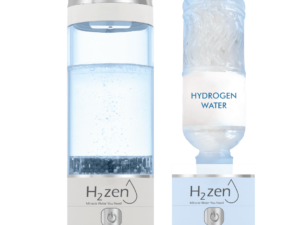
Surprising fact: many users pay between $50 and $300 for a portable device that often lists no clear gas concentration.
Wellness Group tests show athletes report faster recovery after weeks of steady use, yet controlled research and experts remain cautious. This guide helps Malaysian buyers weigh real health benefits against price, upkeep, and daily practicality.
Read on to learn how these devices work, why bubbles escape quickly from freshly poured liquid, and why drinking within a short window matters for any perceived effect. The review compares portable units, molecular tablets that state ppm, and costlier pre-packed pouches.
Local support: shoppers in Malaysia can message Wellness Group on WhatsApp at +60123822655 during business hours (Mon–Fri 9:30 am–6:30 pm; Sat–Sun 10 am–5 pm) for demos or stock checks.
Key Takeaways
- Potential benefits exist, but strong research is limited and mixed.
- Gas escapes fast; consume within minutes for best chance of effect.
- Compare products, ppm claims, chargers, and warranty terms before buying.
- Tablets and pouches add cost and waste versus a reusable option.
- Wellness Group offers local help via WhatsApp for hands-on guidance.
Making Sense of the H2 Hype in Malaysia: What “Worth It” Really Means
Many Malaysians wonder whether these trendy infusion devices deliver real daily gains or just marketing flair.
Experts note that every glass contains natural hydrogen, but certain devices add extra molecular H2 to a serving. Claims range from reduced oxidative stress to faster recovery, yet the science and human trials remain mixed.
Because H2 acts as a light gas, concentrations fall fast after opening. That makes time and routine crucial: drinking soon after generation gives the best chance of any benefit.
- Practical value matters: ease of use, cost per serving, and upkeep shape daily results.
- Small sample sizes and varying ppm in studies mean outcomes on fatigue and lactate are not uniform.
- Local support and spare parts in Malaysia cut downtime and add real value.
For pricing, shipping, or a live demo, message Wellness Group on WhatsApp at +60123822655 any day during business hours.
How Hydrogen Water Bottles Work (and Why Timing Matters)
This section breaks down how portable infusion devices generate extra gas and why timing affects dissolved concentrations.
Electrolysis and PEM membranes: Most portable units force a current through liquid to make molecular hydrogen. A PEM membrane helps produce neutral H2 instead of acidic ions. This setup keeps pH balanced and favours dissolved molecules.
Why bubbles escape fast: Visible bubbles carry gas upward as soon as generation stops. Researchers advise drinking within 2–3 minutes to capture maximum dissolved H2 before it dissipates.

Common design points
- Many models attach ionizing bases to standard vessels; some include self-clean cycles to limit mineral scale.
- Power systems vary; proprietary pin chargers can be inconvenient if lost.
- Bubble output often drops with poor maintenance, hard tap sources, or battery wear.
- Premium picks like Echo Flask add tracking readouts; budget choices keep features minimal.
Practical tip: Malaysians can request a live demo from Wellness Group on WhatsApp at +60123822655 to see real bubble production and timing in person.
What the Science Says Today: Potential Benefits and Limitations
Scientific reports today show targeted benefits in select trials, alongside clear gaps in scale and consistency.
Exercise and recovery: Short trials with trained cyclists and paddlers reported modest gains in power and faster recovery over a few weeks. Other work found mixed results for lactate and fatigue, so performance signals remain tentative.
Metabolic markers: A 2020 trial using tablets linked to lower blood sugar, triglycerides, and cholesterol in specific protocols. These findings suggest metabolic effects when dosing and timing are controlled.
Mechanisms: Molecular hydrogen may act on oxidative stress and inflammation by modulating cellular signaling and reactive molecules. Early aging studies also reported longer telomeres after months of consistent use, hinting at cellular resilience.
- Small sample sizes and varied ppm across studies limit broad conclusions.
- Gas can dissipate quickly after generation, reducing real-world consistency.
- Benefits often show with steady, regimented intake rather than sporadic use.
Practical note: For tailored advice on pairing these products with training or wellness goals, message Wellness Group on WhatsApp at +60123822655 during business hours.
Hands-On Insights and Expert Views
Field reports from Malaysian runners offer practical clues about daily gains and common frustrations with portable infusion gear.
Experienced athletes describe smoother recovery and steadier performance during several weeks of consistent use. Many said fatigue eased after hard sessions when they swapped regular water for hydrogen water twice daily.
“I felt fresher the next day during long runs, but timing mattered — they drank immediately after seeing bubbles.”

Real-world notes match selective research that favors trained individuals in structured exercise. However, users flag practical limits: unclear ppm claims, uneven bubble output, and non-universal chargers that fail after months.
- Seasoned athletes with years of training often notice marginal gains sooner.
- Casual users may perceive fewer benefits day to day.
- Experts encourage cautious optimism and call for larger studies before broad claims.
Want local feedback? Ping Wellness Group on WhatsApp at +60123822655 any day to test routines and see whether perceived benefits justify the cost and habit changes.
Buying Guide: Features That Actually Matter
A smart purchase starts by matching real features to daily needs, not marketing claims.
Prioritise PEM technology. Choose generators that produce neutral molecular hydrogen rather than acidic ions to protect taste and mouth comfort.
Concentration, cycles and drinking window
Look for clear ppm targets and preset cycles. Aim for models that dissolve gas efficiently and recommend a 2–3 minute drinking window after finishing a cycle to capture most bubbles.
Materials and upkeep
Food-grade parts and easy disassembly matter. Self-cleaning modes cut scale build-up and keep performance steady in hard-tap Malaysian areas.
Power, charging and support
Prefer universal charging (USB-C) and sensible warranties. Avoid proprietary pin chargers that cause downtime. Premium picks like Echo Flask add tracking; budget options such as VEVOR include useful self-clean cycles.
- If oxidative stress reduction is a goal, pair a quality device with prompt consumption and routine maintenance.
- For model advice and warranty details in Malaysia, message Wellness Group on WhatsApp at +60123822655 during business hours.
Bottles vs Tablets vs Pre-Packaged: Choosing the Right Hydrogen Product
Choosing between portable generators, effervescent tablets, and ready-to-drink cans comes down to cost, convenience, and how strictly someone tracks dosing.
Every format has trade-offs. Reusable water bottles often lower long‑term cost and cut packaging. Premium picks such as Echo Flask add features for frequent users.
Molecular tablets score on portability and clear ppm per serving — for example, Cymbiotika lists about 12 ppm. Tablets suit travelers and athletes who need repeatable dosing before or after sessions.
Pre-packaged options like HTWO Plus offer flavor and electrolytes but cost more. A 12-pack can run about $36, raising per-serving spend and waste compared with a refillable option.
Quick comparison
| Format | Key strengths | Typical cost notes | Best for |
|---|---|---|---|
| Reusable bottles | Lower per‑serving cost, less waste, smart models | Higher upfront; cheaper over months | Daily sippers, eco-conscious users |
| Tablets | Portable, stated ppm, predictable dosing | Mid cost per serving; low gear needs | Athletes, travelers needing consistent ppm |
| Pre-packaged | Convenient, flavored, ready to grab | Highest per serving; more waste ($36/12 pack) | Occasional users, convenience seekers |
Practical tip: dissolved molecules escape fast after opening, so drink promptly no matter the format. For side-by-side comparisons and local prices in Malaysia, message Wellness Group on WhatsApp at +60123822655 during business hours.
Hydrogen Water Bottle Is It Worth It: Wellness Group’s Practical Verdict
Here is a practical verdict that separates marketing claims from real daily use for Malaysian buyers. The review balances short trials, athlete reports, and device practicality.
Who may benefit
Trained athletes, people chasing faster recovery, and those targeting metabolic markers may see the most gains. Small trials show steady use helped recovery and some blood sugar markers.
Timing matters: drink soon after generation and stick to a routine for the best chance of positive change.
Who may skip
Casual drinkers happy with standard tap or filtered water may not justify the cost or upkeep. If someone dislikes device care or often misses the drinking window, a simple hydration habit can serve well.
- Use a bottle for lower long‑term cost; choose tablets for clear ppm and travel.
- Frame expectations around potential benefits, not guarantees.
- Local demos and setup help are available — WhatsApp Wellness Group at +60123822655.
| User | Likely outcome | Best format |
|---|---|---|
| Trained athlete | Incremental recovery gains with routine | Reusable generator |
| Metabolic focus | Possible marker improvements when timed | Tablets with stated ppm |
| Casual hydrator | Little added value | Standard filtered water |
For notes on muscle recovery and dosing, see this guide or message Wellness Group for a local demo (Mon–Fri 9:30 am–6:30 pm; Sat–Sun 10 am–5 pm).
Conclusion
Deciding whether to try these devices comes down to clear goals, routine commitment, and realistic expectations. ,
Evidence points to promise for antioxidant support and select metabolic or recovery gains, but many studies remain small and further research is needed.
Molecular hydrogen and tiny hydrogen molecules escape fast, so prompt drinking and steady habit shape real outcomes more than hype.
Practical users should test one format for several weeks — compare an Echo Flask or tablets with stated ppm — and track changes in life and training over years.
Have questions or want to see options in person? Contact Wellness Group on WhatsApp: +60123822655. Hours: Mon–Fri 9:30 am–6:30 pm; Sat–Sun 10 am–5 pm (Malaysia).
FAQ
What does “worth it” mean for someone considering a portable H2 device?
They should weigh cost, daily use, and realistic benefits. For someone training hard or managing recovery, a device that reliably produces dissolved H2 at recommended parts-per-million levels may add value. For casual drinkers, plain filtered tap water often meets hydration needs at much lower cost.
How do these devices create molecular H2 and why does timing matter?
Most models use electrolysis with PEM or similar membranes to split molecules and release H2 gas. Dissolved H2 escapes quickly, so drinking within minutes of generation preserves the intended dose and potential effects.
Are there differences between PEM, ionizing bases, and other designs?
Yes. PEM units tend to produce near-neutral output and lower acidic byproducts. Some ionizing designs change pH, which can create acidic or alkaline water and build-up. Buyers should prioritize proven designs and clear specs.
What does the research say about exercise, recovery, and performance?
Studies show mixed outcomes. Some small trials report reduced perceived fatigue and modest changes in markers like lactate; others find no clear performance boost. Results vary by dose, timing, and participant fitness.
Can these products affect blood sugar, cholesterol, or other metabolic markers?
Limited human trials suggest possible improvements in some metabolic markers, but evidence is preliminary. Larger, longer studies are needed before asserting meaningful metabolic benefits for most people.
Does dissolved H2 reduce oxidative stress or inflammation?
Laboratory and animal studies indicate that H2 can act as a selective antioxidant and modulate signaling pathways tied to inflammation. Human data show potential but remain inconsistent and dose-dependent.
Why is the evidence described as an “evidence gap”?
Many studies are small, use different concentrations and protocols, and often come from short-term trials. That variability makes it hard to generalize outcomes to everyday consumers.
What do athletes and coaches report from real-world use?
Anecdotes often describe faster perceived recovery and reduced soreness after intense sessions. Experts advise viewing these reports as subjective and encouraging controlled trials to test true effectiveness for specific sports.
What technical features matter most when buying?
Look for units that state peak PPM, use PEM or comparable membranes, offer clear cycle times, and include simple maintenance. Durable materials, reliable charging, and a warranty also matter for long-term use.
How important is the target concentration (PPM) and drinking window?
Higher dissolved concentrations are more likely to produce measurable effects in studies, but H2 dissipates fast. Drinking shortly after generation—typically within 5–15 minutes—helps preserve dose.
How do tablets and pre-packaged options compare to devices?
Tablets offer portability and predictable dose per serving, but generate gas on demand and can be less eco-friendly. Pre-packaged drinks are convenient but costly and create waste. Reusable devices may lower long-term cost if used daily.
Who is most likely to benefit from adding H2-enriched drinks?
Trained athletes focused on recovery, people targeting specific recovery goals, and users in clinical settings may see the most potential. Benefits tend to align with consistent, purposeful use rather than casual sipping.
Who can probably skip buying a device?
Those satisfied with regular hydration, people on tight budgets, and anyone seeking broad wellness gains without targeted goals may find little added benefit compared with standard filtered drinks.
Are there safety concerns or maintenance issues to watch for?
Choose models with food-grade materials and follow cleaning guidance to prevent scale and biofilm. Devices using batteries should have proper certifications and clear charging instructions.
How long before someone might see effects, if any?
Anecdotal reports and short trials often mention weeks for subjective changes like recovery. Objective biomarker changes in studies vary from days to months depending on outcome and dose.
Are branded products and claims reliable?
Buyers should prefer manufacturers that publish independent lab data showing dissolved concentrations, clear instructions, and transparent warranties. Avoid vague marketing claims that lack supporting research.