One surprising fact: a recent human trial found adults over 30 who drank hydrogen-rich water for four weeks showed measurable rises in biological antioxidant potential.
This article introduces how that finding fits into everyday wellness in Malaysia. It explains simple science about molecular hydrogen and how it may help cells handle modern lifestyle stress.
The U.S. FDA has recognized hydrogen gas as GRAS for beverages, which adds a layer of safety reassurance for daily use. Readers will see practical options, from hydrogen-rich water to inhalation, and learn how choices match goals like recovery or calm.
Local help is easy: Wellness Group in Malaysia welcomes questions via WhatsApp at +60123822655. Business hours are Monday–Friday 9:30 am–6:30 pm and Saturday–Sunday 10 am–5 pm. For a quick primer on hydrogen water options, visit hydrogen water guide.
Key Takeaways
- Clinical data suggest antioxidant gains after 4 weeks of hydrogen-rich water in adults ≥30.
- Hydrogen has GRAS status for beverages, supporting everyday use in Malaysia.
- Options include bottled hydrogen water and at-home devices; choices depend on goals.
- Wellness Group offers local support via WhatsApp during convenient hours.
- Readers will find science, safety, and practical next steps in the rest of the article.
Understanding the Problem: Oxidative Stress and Free Radicals Today
Daily habits and the environment can raise the body’s burden of reactive oxygen molecules. When production of reactive oxygen species outpaces defenses, oxidative stress occurs and starts to disturb cellular balance.
Free radicals and other highly reactive molecules attack lipids, proteins, and DNA. These chain reactions increase molecular damage and can trigger inflammation that adds risk for chronic diseases like cardiovascular illness, metabolic problems, neurodegeneration, and cancer.
Not all reactive oxygen is harmful. A moderate level helps signalling and immune responses. The issue arises when lifestyle, pollution, or biological change pushes levels too high and overwhelms neutralization.
Practical approaches that support antioxidant capacity without shutting down oxygen signalling are useful. Simple, water-based habits fit daily routines and can be part of a broader plan.
Later in this article readers will see how targeted measures, including hydrogen water options, aim to support redox balance without erasing essential signals.
From Reactive Oxygen Species to Cell Damage: The Science Behind Oxidative Stress
Small, reactive molecules arise both inside mitochondria and after air pollution or UV exposure, and they start a chain of molecular damage. These reactive oxygen species include forms that cells neutralize easily and others that cause outsized harm.
How ROS form and which types matter
Normal metabolism produces superoxide and hydrogen peroxide. Enzymes usually handle these. By contrast, the hydroxyl radical is extremely reactive and not detoxified by usual enzymes. Peroxynitrite forms when superoxide combines with nitric oxide; this compound links to injury in the heart and brain and to events like stroke and myocardial infarction.
Pathways to molecular and tissue damage
Reactive oxygen and related species attack membrane lipids, alter protein function, and nick DNA. One common DNA lesion is 8-OHdG, a marker used in studies to track oxidative damage and disease risk.
- Protein oxidation can change enzyme activity and signaling fidelity.
- Lipid damage undermines membrane integrity and cell communication.
- DNA lesions can accumulate and impair repair systems over time.
Inflammation then amplifies stress: immune responses release more oxidants, creating a feedback loop. Model systems help researchers map these cascades and show why targeted, measured interventions — rather than blanket suppression — make sense.
How Molecular Hydrogen Works as a Selective Antioxidant
A tiny molecule can have focused effects. Molecular hydrogen is small and neutral, so it diffuses into tissues and reaches sites where damage is most likely to start.
Targeting the most reactive oxidants
It reacts preferentially with highly damaging species such as hydroxyl radicals and peroxynitrite while sparing important signaling forms of oxygen. This means normal cell communication and adaptive responses stay intact.
Modulating gene expression and signaling
Beyond scavenging, molecular hydrogen influences gene networks. Studies show changes in key axes including NF-κB, MAPK, and PI3K/Akt, which helps cells dial down excess inflammation.
MicroRNAs, inflammation and apoptosis
Small RNAs shift with exposure, fine-tuning protective programs. Anti-inflammatory and anti-apoptotic effects follow, with some models reporting higher activity of endogenous enzymes like superoxide dismutase and catalase.
Practical note: water-based delivery brings these mechanisms into daily routines, offering a simple route to test potential benefits without complex steps.
HYDROGEN PROTECT OUR CELLS FROM FREE RADICALS: What Current Human Research Shows
In a randomized, double-blind trial, healthy adults drank 1.5 L/day of enriched water or plain water for four weeks to test short-term biochemical and immune effects.
Trial design and core outcomes
The study included adults aged 20–59 (n=38). Overall serum BAP, d-ROMs, and 8-OHdG changes were similar between groups. However, adults ≥30 showed a greater rise in BAP with enriched water (P=0.028), suggesting age-related antioxidant gains.
Immune and gene-expression findings
At week 4, PBMC apoptosis was lower in the enriched group (P=0.036) and CD14+ frequency fell (P=0.039). RNA-seq found 605 differentially expressed genes. Key innate immune networks, including toll-like receptors and NF-κB signaling, were downregulated.
“Transcriptomics revealed lower expression of TLR1/2/4/6/7/8/9, MYD88, NFKB1 and several pro-inflammatory cytokine genes.”
| Measure | Change (enriched) | Change (plain) | Significance |
|---|---|---|---|
| BAP (≥30 y) | Increase | Smaller increase | P=0.028 |
| PBMC apoptosis | Decrease | No significant change | P=0.036 |
| CD14+ frequency | Decrease | No change | P=0.039 |
| Transcriptome (DEGs) | 605 genes, inflammatory down | Baseline-like | RNA-seq analysis |
Practical takeaway: hydration alone lowered DNA damage marker 8-OHdG in both groups, but the enriched water showed added antioxidant and immune shifts in adults over 30. These short-term results suggest measurable effects on oxidative stress and inflammation pathways, yet individual responses will vary. Readers in Malaysia may consider tracking intake and markers if they explore similar consumption patterns and discuss steps with a wellness consultant.
Mechanistic and Preclinical Insights Supporting Hydrogen Therapy
Preclinical work paints a detailed picture of how tiny gases change cellular stress responses in injured tissues. Animal and cell models have offered consistent signals that link exposures to better tissue outcomes. These findings map molecular events to measurable results.
Protection in ischemia/reperfusion and brain disease models
In ischemia/reperfusion models, treated animals showed smaller infarct size and less tissue damage. In rodent models of Parkinson’s and Alzheimer’s, treated groups kept better memory and slower disease progression.
Key signaling and mitochondrial pathways
Research finds shifts in NF-κB, MAPK, and PI3K/Akt signaling that reduce inflammatory protein production. Anti-apoptotic patterns emerge, with lower caspase-3 activation and improved mitochondrial integrity.
miRNA changes and biochemical readouts
MicroRNA profiles also move toward control levels (for example, miR-1, miR-15b, miR-21), tying gene regulation to calmer inflammation and less programmed death. Labs report lower malondialdehyde and TNF-α levels alongside these shifts.
Delivery and experimental context: studies used water, saline, and inhaled gas under 4% to test effects. While models cannot predict every human response, convergence across systems strengthens the case for thoughtful exploration in practice.
| Model | Primary Outcome | Molecular Signals |
|---|---|---|
| Ischemia/reperfusion (rodent) | Reduced infarct size, less scarring | ↓ NF-κB, ↓ caspase-3, mitochondrial stabilization |
| Parkinson’s/Alzheimer’s models | Improved memory, slowed decline | Modulated MAPK, PI3K/Akt, lower oxidative markers |
| Irradiated myocardium | Restored miRNA levels, better resilience | miR-1, miR-15b, miR-21 normalization; ↓ MDA, ↓ TNF-α |
Ways to Use Hydrogen: Water, Gas, and Saline — What’s the Difference?
Practical choices span three main formats: drinkable water, controlled gas inhalation, and clinical saline. Each route changes how much dissolved gas reaches tissues, how fast effects appear, and how easy it is to fit into daily life.
Hydrogen-rich water: simple preparation and steady consumption
How it’s made: pressurized dissolution or effervescent tablets generate dissolved gas in bottles or jugs.
Studies often use about 1.5 liters per day, given ad libitum. Levels fall with time, so fresh preparation or sealed containers help keep concentration.
Gas inhalation: session-based, controlled delivery
Inhalation uses low concentrations (typically under 4%) in supervised or wellness settings. This method gives higher short-term uptake and suits session-based recovery or acute use.
Hydrogen-rich saline: clinical dosing and research use
Saline infusion appears mainly in hospitals and trials. It offers precise dosing under professional care and is not a home option.
- Choose water for convenience and habit-building.
- Choose gas for targeted sessions and faster uptake.
- Choose saline when clinical precision is required.
“Different delivery methods influence exposure profiles, so tracking personal responses matters.”
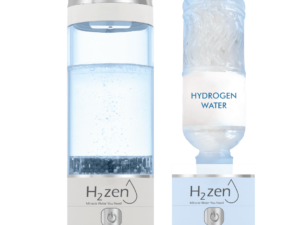
Readers in Malaysia who want device info can learn more via H2Zen hydrogen water generator info. Matching method to lifestyle, availability, and guidance is the clearest way to test effects over time.
Safety, Regulatory Status, and Practical Considerations
Regulatory clarity and plain safety data help people decide if a new wellness habit fits their routine. In the United States, the FDA recognizes molecular hydrogen as a food additive for drinking water and lists it as generally recognized as safe (GRAS) for beverages.
Human trials report good tolerance. In one study, adults drank about 1.5 L/day for four weeks with no safety concerns in analysed outcomes.
Who should consult a clinician first
People who are pregnant, nursing, have chronic conditions, or take regular medications should talk to a healthcare professional before adding hydrogen-based water or other sessions to their routine.
- Start moderate: begin with small, consistent intake and note any changes.
- Watch practical safety: follow device instructions, store products correctly, and avoid high concentrations outside professional settings.
- Track basics: hydration, sleep, and energy are simple markers to see if a new habit helps overall health.
Remember: this article frames options for prevention and daily maintenance, not replacement treatment for medical conditions. Choose reputable products and seek advice when in doubt.
Who May Benefit: From Healthy Adults to Those Managing Oxidative Stress
Many people balancing work and exercise look for small, science-backed habits that support daily recovery. This section helps readers decide if a hydration-based option could fit personal goals in Malaysia.
Healthy adults seeking balance and recovery
Active adults who juggle training, work, and family may try this approach to support redox balance. In a randomized trial, adults aged 30 and older showed a clearer rise in antioxidant potential (BAP) after regular hydrogen water consumption.
Practical signposts include steadier post-exercise recovery, improved sleep, and consistent energy.
People with higher inflammatory or oxidative burden
Those facing elevated inflammatory markers or chronic oxidative stress may be curious, but this is not medical advice. Early data report lower PBMC apoptosis and calmer immune gene expression after exposure, which suggests a link to preserved cellular function.
Note: translation to hard disease outcomes is still under study. Readers with specific conditions should discuss consumption with a clinician and monitor simple markers like energy and sleep when testing changes.
“Start gradually, observe function and comfort, and align any new habit with existing routines.”
Getting Started: Practical Steps to Incorporate Molecular Hydrogen
Start small: pick one daily habit you can keep for four weeks and treat it like an experiment.
Set a clear goal — support everyday energy, speed recovery, or steady general balance. Aim for a consistent intake similar to research conditions: about 1.5 L/day of prepared hydrogen-rich water for four weeks. Track consumption and timing each day.
Choose simple markers to watch weekly: sleep quality, perceived stamina, focus, and basic exercise recovery. Use a short log or notes app to record changes.
Practical tips to make it easy
- Integrate intake with routines: morning hydration and a post-workout drink work well.
- Check freshness to preserve dissolved levels and use reliable preparation methods.
- Sync with wearables if available — heart rate trends or recovery scores add useful context.
- Keep the trial at least four weeks to match timelines used in human studies.
When to ask for help: a friendly check-in with a knowledgeable provider can tailor timing and troubleshoot issues. This article offers a stepwise plan so readers in Malaysia can test effects safely and sustainably.
Wellness Group in Malaysia: Your Local Partner for Hydrogen Wellness
A friendly local team can make it easier to turn research insights into a daily habit that fits life in Malaysia.
Contact and hours
Reach out anytime via WhatsApp
Contact Wellness Group on WhatsApp at +60123822655. They are available Monday–Friday, 9:30 am–6:30 pm and Saturday–Sunday, 10 am–5 pm.
How the team supports education, selection, and safe use
Wellness Group helps people compare water-based options and session formats. They explain how regular consumption could fit daily routines and clarify what to expect during a four-week trial.
The team advises on product features, budgets, and maintenance. They give storage tips to preserve dissolved gas and practical routines for busy schedules.
Support includes goal-setting, simple tracking plans, and summaries of research in plain language. They also troubleshoot devices and advise on replacement timing.
| Service | What it includes | Best for |
|---|---|---|
| Education & research summaries | Plain-language study highlights and practical tips | Curious beginners |
| Product selection | Device comparisons, price ranges, and fit-to-lifestyle advice | Buyers wanting guidance |
| Safe-use & maintenance | Storage, cleaning, and troubleshooting support | Owners and regular consumers |
| Goal setting & tracking | Simple plans for four-week trials and markers to watch | Users testing effects |
Start the conversation — a short chat on WhatsApp can clarify options and help people pick a path that fits daily life. Local, friendly guidance makes trying something new easier and more informative.
Conclusion
Putting the data side by side shows a clear, practical path for prevention-minded people in Malaysia. Short-term intake at research levels linked to higher antioxidant potential in adults aged ≥30 and to lower PBMC apoptosis, while gene and signaling shifts pointed to calmer immune activity.
Preclinical work reinforces these results, with modulation of NF-κB, MAPK and PI3K/Akt and less mitochondrial apoptosis in injury and neuro models. This suggests a targeted approach can help the body manage oxidative stress and preserve needed signaling.
Think small and steady: consistent habits beat sporadic changes. Consider a four-week routine or ask local support for guidance to test effects safely and sensibly.
FAQ
What is oxidative stress and why does it matter?
Oxidative stress happens when reactive oxygen species (ROS) outnumber the body’s defenses, causing damage to lipids, proteins, and DNA. This imbalance can trigger inflammation and contribute to chronic conditions such as cardiovascular disease, neurodegeneration, and aging-related decline.
How do reactive oxygen species form in cells?
ROS form during normal metabolism, especially in the mitochondria when oxygen is used to produce energy. Environmental factors like pollution, smoking, radiation, and intense exercise can raise ROS production, increasing the risk of cellular damage.
What specific types of ROS drive cell damage?
Highly reactive species such as hydroxyl radicals and peroxynitrite cause the most destructive effects on membranes, proteins, and DNA. Less-reactive molecules like hydrogen peroxide act as signaling messengers but can convert into more harmful radicals if not controlled.
How can molecular hydrogen act in this context?
Molecular hydrogen selectively neutralizes the most damaging radicals, notably hydroxyl radicals and peroxynitrite, while sparing milder ROS that are needed for normal cell signaling. It also appears to modulate gene expression and signaling pathways tied to inflammation and cell survival.
What evidence exists from human studies?
Clinical data include randomized, double-blind trials comparing hydrogen-rich water to plain water. Reported effects include improved antioxidant capacity in adults (measured as biological antioxidant potential), reduced peripheral blood mononuclear cell apoptosis, and shifts in immune cell markers.
Are there measurable changes in inflammation-related genes with hydrogen use?
Transcriptomic analyses from some studies indicate downregulation of NF-κB and Toll-like receptor pathways and reduced expression of pro-inflammatory cytokines after hydrogen interventions, suggesting molecular anti-inflammatory effects.
What preclinical models support these findings?
Animal and cell models show protection in ischemia/reperfusion injury and neurodegenerative disease models. Mechanisms reported include modulation of NF-κB, MAPK, PI3K/Akt signaling, mitochondrial apoptosis pathways, and changes in microRNA profiles related to inflammation and cell death.
How can people take molecular hydrogen?
Common delivery forms are hydrogen-rich water, inhalation of low-concentration hydrogen gas, and hydrogen-rich saline used in research or clinical settings. Each route differs in planning, dose control, and typical use contexts.
Is hydrogen-rich water safe and how is it prepared?
Hydrogen-rich water is generally regarded as safe when produced properly. Preparation methods include dissolving hydrogen via electrolysis, magnesium-based tablets, or bottled products designed to retain dissolved gas. Users should follow manufacturer instructions and storage guidance.
What about hydrogen gas inhalation—are there typical concentrations?
Clinical and research inhalation commonly uses low hydrogen concentrations mixed with air or oxygen. Protocols vary by indication; healthcare supervision is recommended for therapeutic inhalation to ensure safe delivery and monitoring.
Is hydrogen therapy regulated and considered safe?
Some hydrogen products for beverages have GRAS status in certain jurisdictions, and available safety data are largely favorable. Nevertheless, regulatory oversight varies by country and by product type, so consumers should choose reputable brands and consult professionals when needed.
Who should consult a healthcare professional before trying hydrogen?
People who are pregnant, breastfeeding, on prescription medications, undergoing treatment for serious illnesses, or who have unstable medical conditions should seek medical advice before using hydrogen products or therapies.
Who may benefit from using molecular hydrogen?
Healthy adults interested in improving oxidative balance and exercise recovery often explore hydrogen as a complementary approach. People with higher inflammatory or oxidative burdens may also consider it, but use should be contextualized as supportive, not curative.
How can someone get started safely?
Begin with clear goals—energy, recovery, or general wellness—track changes in sleep, fatigue, and performance, and integrate hydrogen into existing routines gradually. Choose validated products and, if in doubt, discuss plans with a healthcare provider.
Where can people in Malaysia find local support and products?
Wellness Group in Malaysia provides education, product selection, and guidance on safe use. Contact via WhatsApp at +60123822655 during business hours (Mon–Fri 9:30 am–6:30 pm; Sat–Sun 10 am–5 pm) for consultation and assistance.